
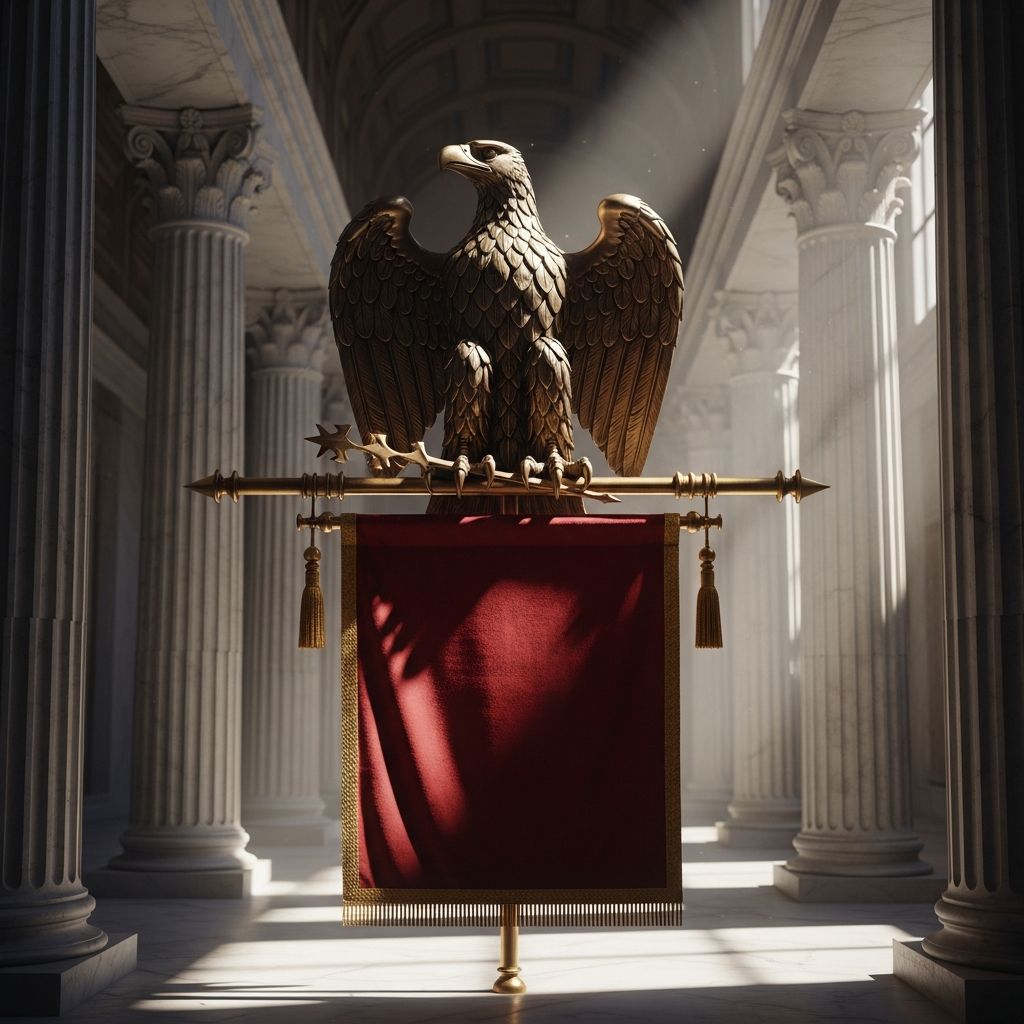
The abbreviation **SPQR** has captivated historians, archaeologists, and enthusiasts for centuries, representing far more than a simple Latin acronym. Standing for Senatus Populusque Romanus, or “The Senate and People of Rome,” it encapsulated the dual pillars of Roman governance during the Republic era. This symbol appeared ubiquitously on public monuments, military standards, coins, and official documents, serving as a powerful emblem of unity and authority. Its journey through time reveals not only Rome’s political genius but also how symbols evolve, adapt, and sometimes distort across eras.
Origins in the Roman Republic
In the heart of the Roman Republic (509–27 BCE), SPQR emerged as a declaration of shared sovereignty. The Senate, comprising elite patricians and experienced magistrates, handled deliberation and foreign policy, while the populus Romanus—the citizen body—exercised power through assemblies and elections. This formulation underscored a delicate balance: neither entity ruled alone; their combination formed the res publica, the public thing.
Early evidence of SPQR dates back to the 4th century BCE, with inscriptions on public works and legal documents affirming collective authority. Cicero, the renowned orator, frequently invoked it to defend republican ideals against autocratic threats, viewing it as the constitutional bedrock. During military campaigns, legionary eagles bore SPQR, rallying troops under the banner of senatorial wisdom and popular will. This dual representation fostered loyalty among diverse Italian tribes incorporated into the Roman state.
- Senate’s Role: Advised consuls, controlled finances, and conducted diplomacy.
- People’s Role: Voted on laws, elected officials, and held veto power via tribunes.
- Symbolic Unity: SPQR prevented dominance by either group, promoting stability.
Transition to Empire and Continued Prominence
As the Republic crumbled under civil wars, culminating in Augustus’s rise in 27 BCE, SPQR adapted rather than vanished. Emperors like Augustus emblazoned it on triumphal arches and coins to legitimize their rule as extensions of republican tradition. Despite concentrating power in the princeps (first citizen), the symbol persisted, appearing on imperial edicts and frontier fortifications.
By the 4th century CE, under Constantine, SPQR still adorned standards, though its republican essence faded amid absolutist monarchy. The phrase symbolized continuity amid transformation, bridging Republic and Empire. Archaeological finds, such as the Column of Trajan and aqueduct inscriptions, confirm its omnipresence in public infrastructure.
| Era | Primary Use of SPQR | Key Examples |
|---|---|---|
| Republic (509–27 BCE) | Official documents, standards | Cicero’s speeches, legion banners |
| Early Empire (27 BCE–284 CE) | Monuments, coins | Augustan arches, Trajan’s Column |
| Late Empire (284–476 CE) | Administrative seals | Constantine’s reforms |
Medieval Revival and Symbolic Fluidity
After Rome’s fall in 476 CE, SPQR entered dormancy but resurfaced in the Middle Ages as a versatile emblem. In 12th-century Rome, communes invoked it during uprisings against papal and imperial overlords, reclaiming ancient civic rights. A 14th-century papal notary reinterpreted it christologically, linking S-P-Q-R to Christ’s wounds, adapting it for religious propaganda.
Medieval scholars like those at the University of Oxford note its transformation into a heraldic device, detached from strict abbreviation, gaining meanings from context. This ambiguity allowed popes, emperors, and city-states to deploy SPQR for legitimacy, from Renaissance humanists praising republican virtues to Italian city-republics like Florence echoing its ethos. Its endurance highlights symbols’ plasticity in power struggles.
Modern Appropriations: From Fascism to Extremism
The 20th century saw SPQR’s most notorious revival under Benito Mussolini. From 1922, the Fascist regime plastered it across Italy, evoking imperial grandeur for the “New Roman Empire.” Monuments in Rome, like the Via dei Fori Imperiali, bore oversized SPQR alongside fasces, blending antiquity with totalitarian rhetoric. Mussolini’s propaganda equated his regime with Rome’s peak, ignoring the symbol’s anti-autocratic roots.
Post-WWII, SPQR lingered in Italian civic life but gained darker connotations. Since the 2010s, white nationalist groups have co-opted it online and at rallies, misrepresenting Rome’s multicultural empire—spanning Africans, Gauls, and Syrians—as a bastion of racial purity. This irony underscores ancient Rome’s diversity: legions integrated provincials, and citizenship expanded via the Edict of Caracalla in 212 CE. Historians decry such misuse, as SPQR originally celebrated inclusive governance.
Key Modern Misuses
- Fascist Italy (1922–1945): Propaganda for empire revival.
- White Nationalism (2010s–present): Symbol of supposed ‘Western’ supremacy, contradicting Rome’s pluralism.
- Pop Culture: Featured in films like Gladiator and games, often romanticized.
SPQR in Archaeology and Daily Roman Life
Excavations reveal SPQR’s practicality: stamped on sewer grates, manhole covers, and milestones, it marked state property and infrastructure. In forums and basilicas, it dignified dedications, reminding citizens of communal investment. Military contexts were pivotal; eagles with SPQR motivated soldiers, symbolizing defense of homeland.
Women and slaves, though excluded from full populus status, indirectly benefited from its ethos, as public works improved urban life. Coins circulated SPQR widely, reinforcing identity across the Mediterranean. Today, visitors to Rome spot it on modern manhole covers, a nod to continuity.
Legacy and Scholarly Interpretations
Mary Beard’s seminal SPQR: A History of Ancient Rome frames it as emblematic of Rome’s expansive narrative, from village to superpower. Scholars emphasize its role in fostering resilience: the Republic endured crises via senatorial-popular synergy. Critiques note exclusions—plebeians gained rights gradually—but affirm its progressive bent relative to contemporaries.
In contemporary discourse, SPQR inspires debates on republicanism, federalism, and symbolism. U.S. founders echoed it in checks-and-balances systems, akin to e pluribus unum. Its study aids understanding how emblems shape identity and justify power.
Frequently Asked Questions (FAQs)
What does SPQR exactly stand for?
SPQR stands for Senatus Populusque Romanus, translating to “The Senate and People of Rome,” denoting the joint authority of Rome’s governing bodies.
Where can you still see SPQR today?
It’s visible on ancient ruins, coins in museums, and modern Roman infrastructure like drains, preserving its legacy.
Why did Mussolini use SPQR?
Mussolini adopted it to link Fascist Italy to Roman imperial glory, promoting a mythical ‘new empire’.
Is SPQR associated with racism today?
Some white supremacists misuse it, but this contradicts Rome’s diverse society; historians urge contextual understanding.
How did SPQR evolve from Republic to Empire?
It shifted from republican balance to imperial endorsement, yet retained symbolic weight on public works.
Conclusion: Timeless Relevance
SPQR transcends its origins, mirroring humanity’s quest for balanced governance and identity. From republican forums to fascist forums, its adaptability warns of symbols’ dual edges—unifying yet manipulable. Studying it enriches appreciation of Rome’s ingenuity and cautions against ahistorical revivals.
References
- SPQR: The Emblem of Rome’s Greatness — Emporium Romanum. 2023. https://emporiumromanum.com/blogs/the-roman-empire-journal/spqr-the-emblem-of-rome-s-greatness
- What Does SPQR Mean? The History Of The Ancient Roman Acronym — All That’s Interesting. 2023-10-15. https://allthatsinteresting.com/spqr-meaning
- The History of SPQR — History Defined. 2024. https://www.historydefined.net/the-history-of-spqr/
- The Misuse of an Ancient Roman Acronym by White Nationalist Groups — Hyperallergic. 2018-11-20. https://hyperallergic.com/the-misuse-of-an-ancient-roman-acronym-by-white-nationalist-groups/
- SPQR — Wikipedia (informational, primary sources referenced). 2026. https://en.wikipedia.org/wiki/SPQR
- What does SPQR mean in Rome?! — YouTube. 2023. https://www.youtube.com/shorts/mgX7g5vyuKw
- SPQR: A History of Ancient Rome — University College Oxford. 2015. https://www.univ.ox.ac.uk/book/spqr-a-history-of-ancient-rome/

- Integrated M.A. in Applied Linguistics, University of Hyderabad
- 5+ years in editorial, instructional, SEO, and research-based writing
Sneha is a relationships and lifestyle writer with a strong foundation in applied linguistics and certified training in relationship coaching. She brings over five years of writing experience to theskillvault, crafting thoughtful, research-driven content that empowers readers to build healthier relationships, boost emotional well-being, and embrace holistic living. Her writing and insights reflect the belief that beauty, happiness, and wellness…