
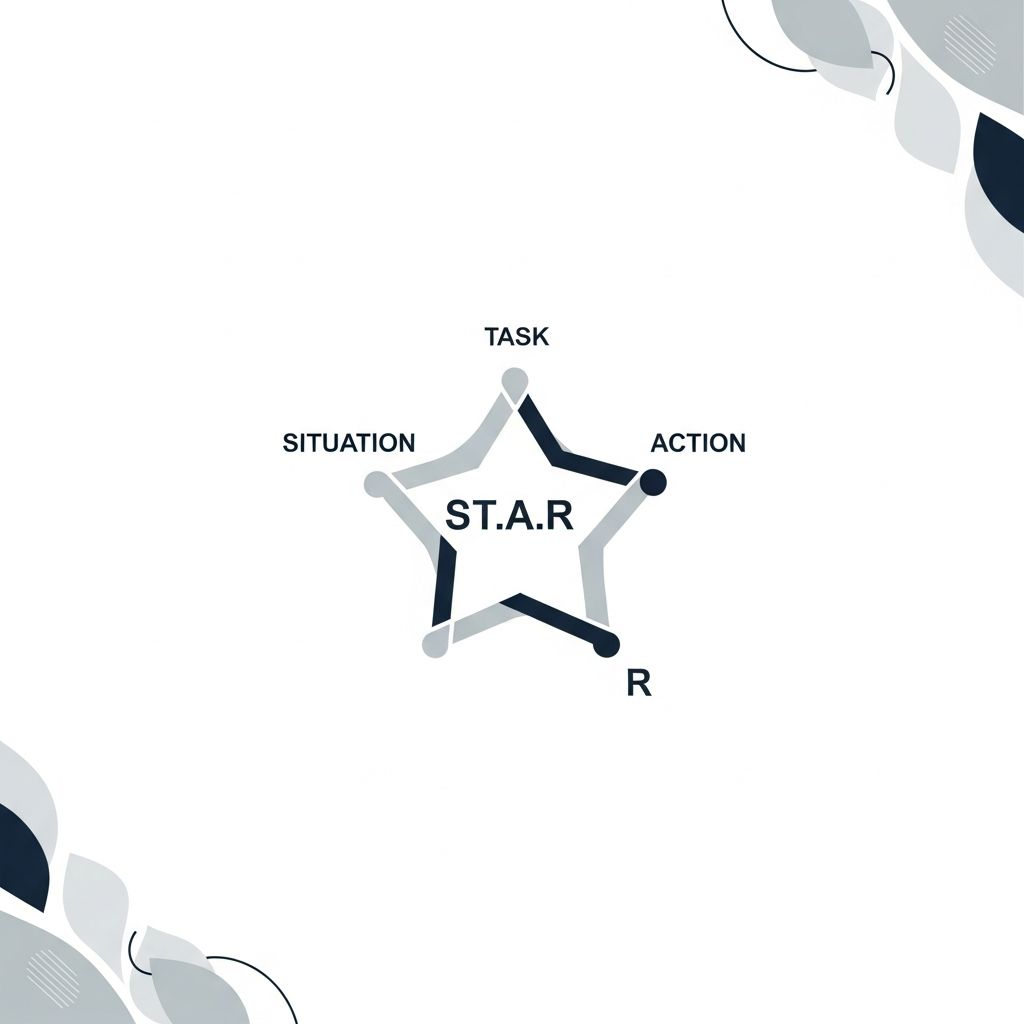
The STAR method is a proven framework for responding to behavioral interview questions, helping candidates showcase their experiences through structured narratives. It stands for Situation, Task, Action, and Result, enabling clear communication of competencies and achievements.
Understanding the Foundations of STAR
In today’s dynamic job market, employers prioritize candidates who can demonstrate real-world impact. The STAR method transforms vague responses into compelling stories, aligning perfectly with skills-based hiring trends where abilities trump tenure. By breaking down experiences into these four components, professionals can highlight problem-solving, leadership, and adaptability—skills increasingly vital as per 2026 career advising insights.
This approach not only aids interviews but supports ongoing career planning. Self-assessment begins with identifying past scenarios that reflect key competencies, mirroring steps in effective career exploration.
Breaking Down Each STAR Component
Situation: Paint the Context
Start by describing the background or challenge without delving into irrelevant details. Keep it concise—aim for 20% of your response. For instance, outline team dynamics or market pressures to set the stage for your contributions.
This step ensures interviewers grasp the complexity, much like mapping career pathways in organizational frameworks.
Task: Define Your Role
Clarify your specific responsibilities. What were you accountable for? This distinguishes individual impact from group efforts, crucial in skills-forward evaluations.
Use precise language: “I was tasked with leading a cross-functional team to reduce project turnaround by 30%.”
Action: Showcase Your Initiative
Detail the steps you took, emphasizing decisions and strategies. Focus on actionable verbs: analyzed, implemented, collaborated. This is the core (50% of response), demonstrating skills like those in workforce development, such as adapting delivery methods for efficiency.
Highlight unique approaches, tying into personalization trends where tailored actions drive outcomes.
Result: Quantify the Impact
End with measurable outcomes: percentages, timelines, feedback. If possible, note long-term effects or lessons learned. Quantifiable results resonate, supporting SMART goal-setting in career planning.
Example: “This led to a 25% cost saving and earned a team recognition award.”
Real-World Applications Across Industries
STAR adapts to any sector. In tech, describe debugging a critical system failure. In sales, recount turning around a key client account. Early career professionals can draw from internships or projects, aligning with trends in precision recruiting.
| Industry | Example Situation | Key Action | Result |
|---|---|---|---|
| Marketing | Declining campaign engagement | Redesigned targeting via data analytics | 40% uplift in conversions |
| Healthcare | Staff shortage during peak | Implemented shift optimization tool | Reduced overtime by 35% |
| Finance | Audit discrepancies | Led reconciliation process | Zero errors, ahead of deadline |
| Education | Low student retention | Developed personalized mentoring | 15% retention increase |
This table illustrates versatility, aiding career exploration by matching experiences to roles.
Preparing STAR Stories in Advance
- Brainstorm 5-10 examples: Cover common competencies like teamwork, conflict resolution, innovation.
- Practice aloud: Time responses to 2-3 minutes; refine for clarity.
- Tailor to job description: Align stories with required skills, echoing internal mobility strategies.
- Build a skills inventory: Catalog competencies from experiences, vital for 2026 employability.
Integrate microlearning: short modules to hone storytelling, fitting busy schedules.
Common Pitfalls and How to Avoid Them
Avoid rambling by sticking to structure. Don’t blame others—focus on your growth. Neglecting results weakens impact; always quantify where possible.
- Too much Situation: Trim to essentials.
- Vague Actions: Use specifics, not “we tried hard.”
- No metrics: Estimate if exact figures unavailable, e.g., “approximately 20% improvement.”
Address low confidence through motivational techniques, building self-efficacy for interviews.
Integrating STAR into Broader Career Strategies
Beyond interviews, use STAR for performance reviews, networking, and resumes. It structures elevator pitches and LinkedIn summaries, enhancing personal branding.
In career frameworks, STAR stories map to development resources: identify gaps, pursue training like certifications or stretch assignments. Set SMART goals around competencies revealed in your narratives.
Leveraging STAR for Leadership and Advancement
For promotions, compile STAR examples into a portfolio showcasing progression. Managers train on this for development talks. In 2026, with internal pathways emphasized, articulate lateral moves using STAR.
Combine with networking: Share stories at career fairs or virtual events.
Adapting STAR for Virtual and AI-Driven Interviews
With AI screening rising, concise STAR responses optimize for bots parsing keywords. In video interviews, maintain eye contact while delivering structured answers.
Practice with tools simulating behavioral questions, aligning with online development trends.
Frequently Asked Questions
What is the STAR method best used for?
The STAR method excels in behavioral interviews, helping structure answers to questions like “Tell me about a time you faced a challenge.”
How long should a STAR response be?
Ideal length is 2-3 minutes, balancing detail without overwhelming the interviewer.
Can STAR be used for non-interview situations?
Yes, apply it to resumes, reviews, and networking to consistently demonstrate value.
What if I lack quantifiable results?
Use qualitative impacts like improved team morale or positive feedback, and note learnings.
Is STAR relevant in skills-based hiring?
Absolutely; it translates experiences into competencies employers seek.
Building Your STAR Toolkit for 2026
Start today: Journal recent achievements using STAR. Review job postings, matching stories to skills. Enroll in skill-building courses, and seek feedback via mock interviews.
This proactive approach fosters sustainable growth, aligning values with opportunities. Track progress quarterly, adjusting for emerging trends like micro-credentials.
Incorporate into action plans: short-term (refine 5 stories), medium (network with examples), long-term (secure promotion).
References
- 10 Trends in Career Advising and Development for 2026 — ICAD Learn. 2026. https://www.icadlearn.com/post/10-trends-in-career-advising-and-development-for-2026
- Career Development Framework: Complete Guide 2026 — Deliberate Directions. 2026. https://deliberatedirections.com/career-development-framework/
- Key Steps for Career Planning and Development 2026 — Nexford University. 2026. https://www.nexford.edu/insights/key-steps-for-career-planning-and-development
- Make 2026 Your Year: How to Set Career Goals That Actually Stick — GSG Talent Solutions. 2025-10-27. https://www.gsgtalentsolutions.com/2025/10/27/make-2026-your-year-how-to-set-career-goals-that-actually-stick/
- Compelling Workforce Development Strategies in 2026 — InfoPro Learning. 2026. https://www.infoprolearning.com/blog/compelling-workforce-development-strategies/

Medha Deb is an editor with a master's degree in Applied Linguistics from the University of Hyderabad. She believes that her qualification has helped her develop a deep understanding of language and its application in various contexts. Medha specializes in the areas of beauty, health, sports, and wellness and is committed to ensuring that the content on the website is…