
Understanding Stress and Its Impact on Your Life
Stress is an inevitable part of modern living, arising from work pressures, personal relationships, financial concerns, and countless daily challenges. When stress becomes chronic or overwhelming, it can significantly affect both your physical and mental health, leading to increased blood pressure, weakened immunity, sleep disruption, and emotional exhaustion. Recognizing that stress management is not a luxury but a necessity for maintaining overall wellbeing is the first step toward creating positive change in your life.
The good news is that numerous evidence-based strategies exist to help you manage stress effectively. These approaches range from simple breathing techniques you can practice anywhere to more structured programs designed to build long-term resilience. Understanding which methods work best for you requires experimentation and commitment, but the investment in stress management yields significant returns in terms of improved mood, better health outcomes, and enhanced quality of life.
The Power of Mindful Awareness and Present-Moment Focus
One of the most extensively researched approaches to stress reduction involves cultivating mindfulness, which emphasizes maintaining focused, non-judgmental awareness of the present moment. This practice, rooted in contemplative traditions but increasingly validated by modern neuroscience, helps interrupt the automatic cycle of worry and rumination that often accompanies stress.
Structured mindfulness programs, such as those taught over eight-week formats, introduce participants to formal techniques including body awareness scanning, gentle movement practices, and seated meditation. These interventions have been shown to reduce activation of the body’s stress response system, including decreased heart rate reactivity and lower levels of inflammatory markers. Research demonstrates that individuals practicing mindfulness develop improved capacity to process emotions and thoughts as they arise, rather than becoming overwhelmed by them.
The neural changes associated with mindfulness practice are particularly compelling. Regular practitioners show alterations in brain regions responsible for emotion regulation and stress processing, including increased gray matter concentration in areas associated with emotional wellbeing. These physical brain changes correspond with measurable improvements in emotional stability and reduced stress perception.
Movement and Physical Activity as Stress Reducers
Physical exercise stands as one of the most versatile and accessible stress management tools available. Almost any form of movement—from brisk walking to dancing, swimming, cycling, gardening, or recreational sports—can effectively reduce stress levels. The stress-relieving benefits of exercise operate through multiple mechanisms, including the release of endorphins and other neurochemicals that naturally elevate mood and promote a sense of wellbeing.
Beyond biochemical changes, physical activity offers psychological benefits by redirecting mental focus away from stressors and toward the sensations and movements of your body. This shift in attention can interrupt the cycle of anxious thoughts and help diminish the impact of daily irritations on your emotional state. You need not be an athlete or in peak physical condition to experience these benefits—even moderate activity provides meaningful stress relief.
The beauty of exercise as a stress management tool is its accessibility and flexibility. Whether you prefer structured fitness classes, solo workouts, or simply increasing your daily movement through activities like taking the stairs or parking further away, you can tailor physical activity to match your preferences and lifestyle.
Breathing Techniques: Your Portable Stress Management Tool
Among the quickest and most portable stress relief methods available is conscious breathing. Slow, deliberate breathing directly activates your body’s relaxation response, reducing blood pressure and heart rate almost immediately. The simplicity of this technique belies its effectiveness—you can practice breathing exercises anywhere, anytime, without requiring any special equipment or preparation.
Several specific breathing techniques offer particular benefits. The 4-4-6 method involves breathing in slowly for a count of four, holding the breath for four counts, then exhaling for six counts, repeated approximately ten times. This extended exhalation specifically activates the parasympathetic nervous system, which counteracts the stress response. Traditional pranayama breathing, which involves alternating nostril breathing, offers similar benefits through its balancing effect on the nervous system.
The mechanism behind breathing’s stress-reducing power lies in its direct influence on your autonomic nervous system. Unlike many physiological processes, breathing can be consciously controlled, making it a unique bridge between voluntary and involuntary responses. By slowing and deepening your breath, you send signals to your nervous system that the perceived threat has passed, allowing your body to shift from a stressed state to one of calm and equilibrium.
Meditation and Visualization for Mental Clarity
Meditation provides a dedicated practice for quieting the stream of anxious and intrusive thoughts that often fuel stress responses. Even brief meditation sessions—as little as five minutes of focused, silent practice—have been shown to reduce stress and depression symptoms. Meditation works by giving your mind a focal point, whether that is your breath, a visualization, or a simple mantra, thereby interrupting the automatic tendency toward worry.
The various forms of meditation include guided meditation, where an instructor or recording leads you through the practice; visualization, where you create detailed mental imagery of calming scenes; and mindfulness meditation, where you observe thoughts without judgment. This diversity means you can experiment to find the approach that resonates most strongly with you.
The accessibility of meditation has increased dramatically with technology, allowing you to practice using apps, audio recordings, or video guidance while waiting in traffic, commuting, or during breaks throughout your day. Consistency matters more than duration—regular, brief practice often yields better results than sporadic longer sessions.
Yoga: Integrating Movement and Mindfulness
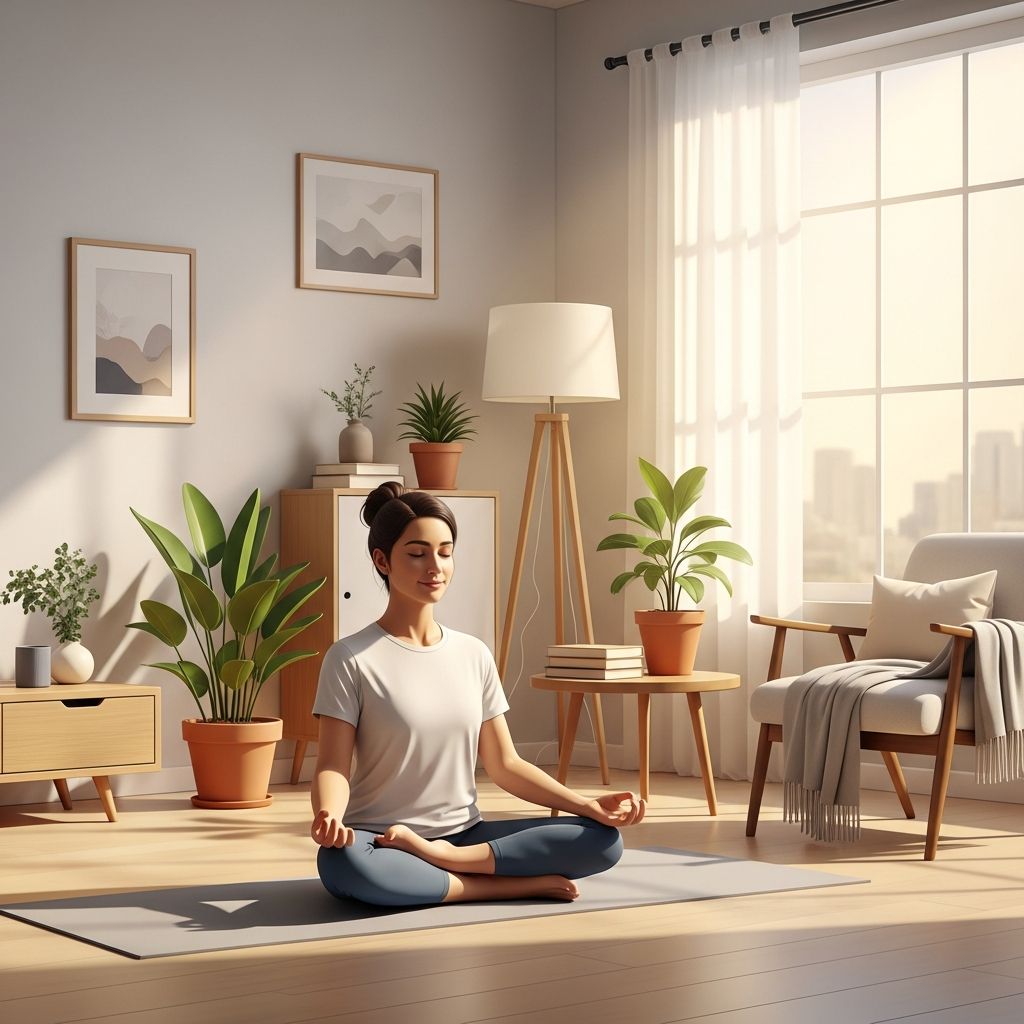
Yoga combines physical postures, breathing exercises, and mental focus into a comprehensive stress management practice. This ancient discipline bridges the gap between pure physical exercise and meditation, offering both the movement benefits of activity and the mental calm of mindfulness. Yoga’s effectiveness as a stress reliever stems from its integration of these multiple components working synergistically.
Different yoga styles offer varying levels of intensity and pacing. Hatha yoga, with its slower pace and more accessible movements, proves particularly suitable for stress reduction, especially for those new to yoga practice. You can engage with yoga through in-person classes in your community, online instruction, or home practice using instructional videos. The key is finding an approach that feels sustainable and enjoyable for you.
Beyond the immediate stress relief from practicing yoga, regular participation builds long-term resilience and flexibility—both physical and mental—that helps you navigate future stressors more effectively.
Nutrition and Dietary Choices for Stress Management
What you consume directly influences your stress levels and emotional resilience. A balanced diet rich in whole foods, adequate protein, and essential nutrients supports optimal brain function and emotional stability. Conversely, excessive caffeine, sugar, and processed foods can amplify anxiety and stress responses.
Specific foods and beverages offer particular stress-reducing properties. Green tea contains L-Theanine, a compound that helps reduce anger and promotes relaxation. Dark chocolate, in modest quantities of approximately 1.4 ounces, helps regulate cortisol, the primary stress hormone, while also stabilizing metabolism. These food choices need not require major dietary overhauls—simple additions to your existing eating patterns can provide meaningful benefits.
Maintaining consistent, healthy eating patterns also provides psychological benefits through the sense of control and self-care it represents. The act of consciously choosing nutritious foods becomes itself a stress management practice.
Sleep: The Foundation of Stress Resilience
Adequate sleep serves as the bedrock upon which all other stress management efforts build. When sleep-deprived, your stress response becomes hyperactive, making even minor irritations feel overwhelming. Conversely, prioritizing sufficient quality sleep enhances your emotional regulation and stress resilience significantly.
Creating consistent sleep habits—maintaining regular bedtimes, ensuring a dark and cool sleep environment, and limiting screen exposure before bed—supports the sleep quality necessary for stress management. When combined with relaxation techniques like progressive muscle relaxation, which can help you fall asleep more easily, sleep becomes both a result of good stress management and a tool for achieving it.
Social Connection and Emotional Support
Humans are inherently social beings, and meaningful connection with others serves as a powerful stress buffer. Spending time with supportive friends, family members, or pets provides emotional grounding and perspective that helps contextualize stressors. Even brief interactions and conversations can interrupt stress cycles and remind you that you’re not alone in facing life’s challenges.
Creating and maintaining these connections requires intentional effort in our increasingly busy lives, but the stress-reducing returns justify the investment. Whether through regular gatherings, phone calls, video chats, or simply cuddling with a beloved pet, social engagement provides irreplaceable stress relief.
Quick-Access Stress Relief Techniques
Beyond the more comprehensive approaches mentioned above, several immediate-access techniques can help reduce stress in the moment:
- Progressive muscle relaxation: Systematically tensing and releasing different muscle groups creates a tangible sense of control over your body’s stress response and facilitates deeper relaxation.
- Hand and foot massage: Self-massage, particularly of the hands and feet, provides instant relaxation and helps release accumulated physical tension.
- Stress ball squeezing: This portable, simple tool offers non-destructive tension release and can be kept at your desk or in your bag.
- Eye closure and mental breaks: Taking brief pauses to close your eyes and disconnect from environmental stimuli helps restore mental clarity and calm.
- Laughter and humor: Deliberately engaging with humor through videos, jokes, or comedy increases blood flow and boosts immune function while providing immediate mood elevation.
- Sunlight exposure: Spending time in natural light, particularly bright sunlight, effectively lifts mood and combats stress-related depression.
Building Sustainable Stress Management Habits
The most effective stress management approach integrates multiple techniques into daily routines, creating sustainable practices rather than emergency-only interventions. This might involve beginning each day with five minutes of meditation or breathing exercises, incorporating movement breaks throughout the day, ensuring adequate sleep, and maintaining social connections.
The key to sustainability lies in matching techniques to your preferences and lifestyle. If you despise running, forcing yourself into a jogging routine will create additional stress rather than relieving it. Conversely, if you find meditation boring, pairing it with physical movement through yoga might prove more engaging. Experimentation and self-compassion during this exploration process increase the likelihood of finding practices that you’ll maintain long-term.
When to Seek Professional Support
While self-directed stress management techniques prove effective for many people, chronic stress, anxiety disorders, or depression may require professional support. Therapists, counselors, and mental health professionals can provide evidence-based interventions tailored to your specific situation, potentially combined with other treatments. Recognizing when to seek additional help represents an important aspect of comprehensive stress management.
Frequently Asked Questions
Q: How quickly do stress management techniques begin to show effects?
A: Some techniques, like breathing exercises and brief meditation, can provide immediate relief within minutes. Other approaches, such as establishing regular exercise routines or structured mindfulness programs, typically show more substantial benefits over weeks or months of consistent practice.
Q: Can I combine different stress management techniques?
A: Absolutely. In fact, combining multiple approaches often produces better results than relying on a single technique. For example, pairing breathing exercises with physical activity, or meditation with yoga, creates complementary benefits.
Q: Do these stress management techniques work for everyone?
A: Individual responses vary, which is why trying different approaches is important. What works exceptionally well for one person might feel less effective for another. Persistence and willingness to experiment help you discover your most effective stress management tools.
Q: How much time must I dedicate to stress management?
A: Even small, consistent time investments yield significant benefits. Starting with 5-10 minutes daily of practices like meditation or breathing exercises can produce measurable improvements in stress levels.
Q: Can lifestyle changes alone manage severe stress or anxiety?
A: While lifestyle modifications provide valuable support, severe anxiety or chronic stress may require professional mental health treatment, potentially including therapy or medication. Using self-directed techniques alongside professional support creates the most comprehensive approach.
References
- Stress Management — National Center for Biotechnology Information (NCBI), U.S. National Library of Medicine. 2024. https://www.ncbi.nlm.nih.gov/books/NBK513300/
- Stress relievers: Tips to tame stress — Mayo Clinic. 2024. https://www.mayoclinic.org/healthy-lifestyle/stress-management/in-depth/stress-relievers/art-20047257
- 25 Quick Ways to Reduce Stress — University of Colorado Law School. 2024. https://www.colorado.edu/law/25-quick-ways-reduce-stress
- Stress Management Tools and Resources — University of Michigan Human Resources. 2024. https://hr.umich.edu/benefits-wellness/health-well-being/mental-emotional-health/learn-more-about-mental-emotional-health/stress-management-resources/stress-management-tools-resources
- Managing Stress — Centers for Disease Control and Prevention (CDC). 2024. https://www.cdc.gov/mental-health/living-with/index.html
- Stress management tools — American Psychological Association (APA). 2024. https://www.apa.org/topics/stress/manage-stress-tools

Medha Deb is an editor with a master's degree in Applied Linguistics from the University of Hyderabad. She believes that her qualification has helped her develop a deep understanding of language and its application in various contexts. Medha specializes in the areas of beauty, health, sports, and wellness and is committed to ensuring that the content on the website is…