
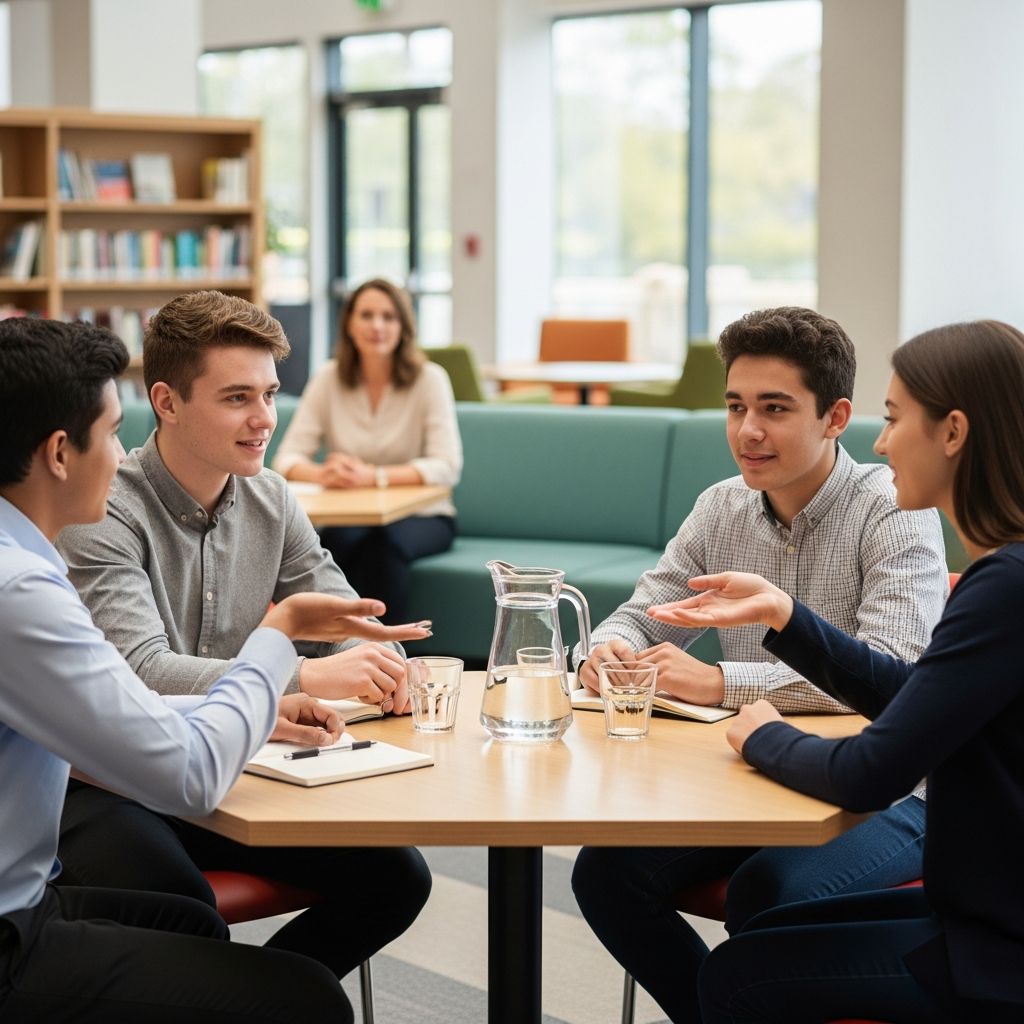
Conflicts among students are inevitable in any school setting, ranging from minor disagreements to more serious disputes that disrupt learning. Student-led mediation, where trained peers facilitate resolutions, offers a powerful alternative to traditional disciplinary measures. This approach not only addresses immediate issues but also cultivates essential life skills like communication, empathy, and problem-solving. By empowering students to handle their own conflicts, schools create more positive climates conducive to academic success and personal growth.
Why Schools Need Student-Led Conflict Resolution
Educational environments thrive when students feel safe and respected. Traditional responses to conflicts, such as suspensions or office referrals, often fail to resolve underlying tensions and can escalate problems. In contrast, student-led mediation views conflict as a natural opportunity for growth, allowing disputants to express themselves and co-create solutions. Research shows that schools with these programs experience fewer incidents of violence and bullying, freeing up time for instruction.
Key advantages include:
- Empowerment: Students gain confidence in managing disputes independently.
- Immediacy: Resolutions happen quickly, preventing grudges from festering.
- Cost-Effectiveness: No need for external professionals; peers handle cases during school hours.
- Skill Development: Participants learn active listening and negotiation, applicable beyond school.
Statistics from implemented programs indicate resolution rates exceeding 80% in many cases, highlighting their efficacy.
Core Principles Guiding Student Mediators
Effective mediation rests on foundational principles that ensure fairness and productivity. Mediators must remain neutral, avoiding personal biases or judgments. Self-determination is paramount—disputants, not the mediator, decide outcomes. Confidentiality protects all involved, building trust in the process. Competence requires mediators to only take cases they feel equipped to handle.
| Principle | Description | Potential Pitfall |
|---|---|---|
| Neutrality | Mediator takes no sides | Allowing friendships to influence |
| Self-Determination | Parties own the solution | Imposing mediator’s ideas |
| Confidentiality | Discussions stay private | Sharing details with others |
| Respect | Polite language mandatory | Name-calling or interruptions |
These principles, drawn from established guides, form the bedrock of successful sessions.
Selecting and Preparing Student Mediators
Choosing the right students is crucial. Look for those demonstrating maturity, good listening skills, and impartiality—often from diverse backgrounds to reflect the school population. Avoid selecting based solely on popularity or grades; focus on conflict resolution aptitude. Programs typically train 10-20 students per grade level.
Training spans 20-40 hours, covering modules like understanding conflict dynamics, active listening, and mediation steps. Sessions include role-plays, simulations, and discussions on cultural sensitivities. Parental consent and school staff buy-in are essential pre-launch steps.
- Recruitment: Announce via assemblies and flyers.
- Interviews: Assess empathy and neutrality.
- Training: Multi-day workshops with practice.
- Certification: Issue badges or certificates upon completion.
Annual refreshers maintain skills and enthusiasm.
The Six-Step Mediation Process Explained
Structured steps guide mediators through sessions, ensuring thoroughness. Here’s a breakdown:
Step 1: Agreement to Mediate
Parties agree to participate voluntarily. Mediator explains rules, confidentiality, and goals. Icebreakers ease tension.
Step 2: Gather Perspectives
Each disputant shares their story uninterrupted. Mediator uses paraphrasing to confirm understanding, fostering empathy.
Step 3: Identify Shared Interests
Shift from positions to underlying needs. Questions like “What do you both want?” reveal common ground.
Step 4: Brainstorm Solutions
Generate options without judgment. Encourage creativity—wild ideas welcome initially.
Step 5: Evaluate and Select
Discuss pros/cons of options. Parties choose a mutually agreeable plan.
Step 6: Formalize Agreement
Write a clear, actionable contract. Schedule follow-up if needed.
If impasse occurs, refer to administrators. Most sessions last 20-45 minutes.
Different Models for School Implementation
Schools adapt mediation to their needs via various models:
- Classroom Model: All students learn skills; mediate intra-class disputes at a designated peace table.
- Playground Model: Rotating mediator teams handle recess conflicts immediately.
- Cadre Model: Elite trained group available school-wide.
- Hybrid Model: Combines elements for flexibility, common in larger schools.
Start small—pilot in one grade—then scale based on evaluation data.
Training Curriculum: From Basics to Advanced Skills
A robust curriculum builds progressive competencies. Begin with conflict theory: Conflicts arise from miscommunication, unmet needs, or power struggles. Teach ‘I’ statements to express feelings without blame.
Core skills include:
- Active listening: Nodding, eye contact, summarizing.
- Nonverbal cues: Reading body language.
- Questioning: Open-ended to uncover interests.
- Teamwork: Co-mediating pairs for support.
Advanced topics cover cultural diversity, handling emotions, and ethical dilemmas. Use real anonymized cases for practice. Resources like lesson plans and handouts streamline delivery.
Overcoming Challenges in Program Rollout
Resistance from staff skeptical of student capabilities is common. Counter with data from pilot sessions and staff training on referral processes. Define boundaries: Mediation suits interpersonal issues, not crimes or safety threats.
Other hurdles:
| Challenge | Solution |
|---|---|
| Low Referrals | School-wide awareness campaigns |
| Mediator Burnout | Rotation schedules, support groups |
| Failed Mediations | Debriefs and admin backup |
| Parental Concerns | Info sessions and consent forms |
Regular evaluations track success via surveys and resolution logs.
Measuring Success and Long-Term Impact
Track metrics like referral volume, resolution rates, recidivism, and climate surveys. Successful programs report 70-90% resolution, reduced suspensions, and improved attendance. Long-term, alumni exhibit better social skills and leadership.
Qualitative feedback from participants underscores empowerment: “I felt heard for the first time.”
Frequently Asked Questions
What ages are suitable for peer mediation?
Programs succeed from elementary (with adaptations) through high school, tailored to developmental stages.
How do you handle non-resolution?
Refer to counselors or administrators; mediators learn this is normal, not failure.
Is training mandatory for referrers?
Yes, brief staff sessions ensure appropriate use.
Can mediators handle bullying?
Yes, for interpersonal cases; severe threats require adult intervention.
How much time does setup take?
Initial implementation: 1-2 months; ongoing: minimal with dedicated coordinators.
Student-led mediation revolutionizes schools by turning conflicts into collaboration opportunities, equipping youth for life’s challenges.
References
- Peer Mediation. Conflict Resolution in Schools. Program Guide — ERIC. 1995. https://eric.ed.gov/?id=ED398087
- Peer Mediation — Conflict Resolution Education Connection. Accessed 2023. https://creducation.net/conflict_resolution_education_practice_areas/peer_mediation/
- Peer Mediation Training Guide — Peaceful Schools International. 2000. http://peacefulschoolsinternational.org/wp-content/uploads/Peer-Mediation-Training-Guide.pdf
- Peer Mediation: Conflict Resolution in Schools : Program Guide — Research Press. 1997. https://books.google.com/books/about/Peer_Mediation.html?id=7Qstua_tDegC
- Peer Mediation Student Guide — NYC.gov. 2016. https://www.nyc.gov/assets/cchr/downloads/pdf/publications/Peer%20Guide_Student%202016_web.pdf
- Elementary Peer Mediation Workbook — New Jersey State Bar Foundation. 2023. https://njsbf.org/wp-content/uploads/2023/01/Elementary-Peer-Mediation-Workbook-2023.pdf
- Students Resolving Conflict: Peer Mediation in Schools — School Mediation. 2005. https://www.schoolmediation.com/books/resolvingconflict/index.html

- Integrated M.A. in Applied Linguistics, University of Hyderabad
- 5+ years in editorial, instructional, SEO, and research-based writing
Sneha is a relationships and lifestyle writer with a strong foundation in applied linguistics and certified training in relationship coaching. She brings over five years of writing experience to theskillvault, crafting thoughtful, research-driven content that empowers readers to build healthier relationships, boost emotional well-being, and embrace holistic living. Her writing and insights reflect the belief that beauty, happiness, and wellness…