
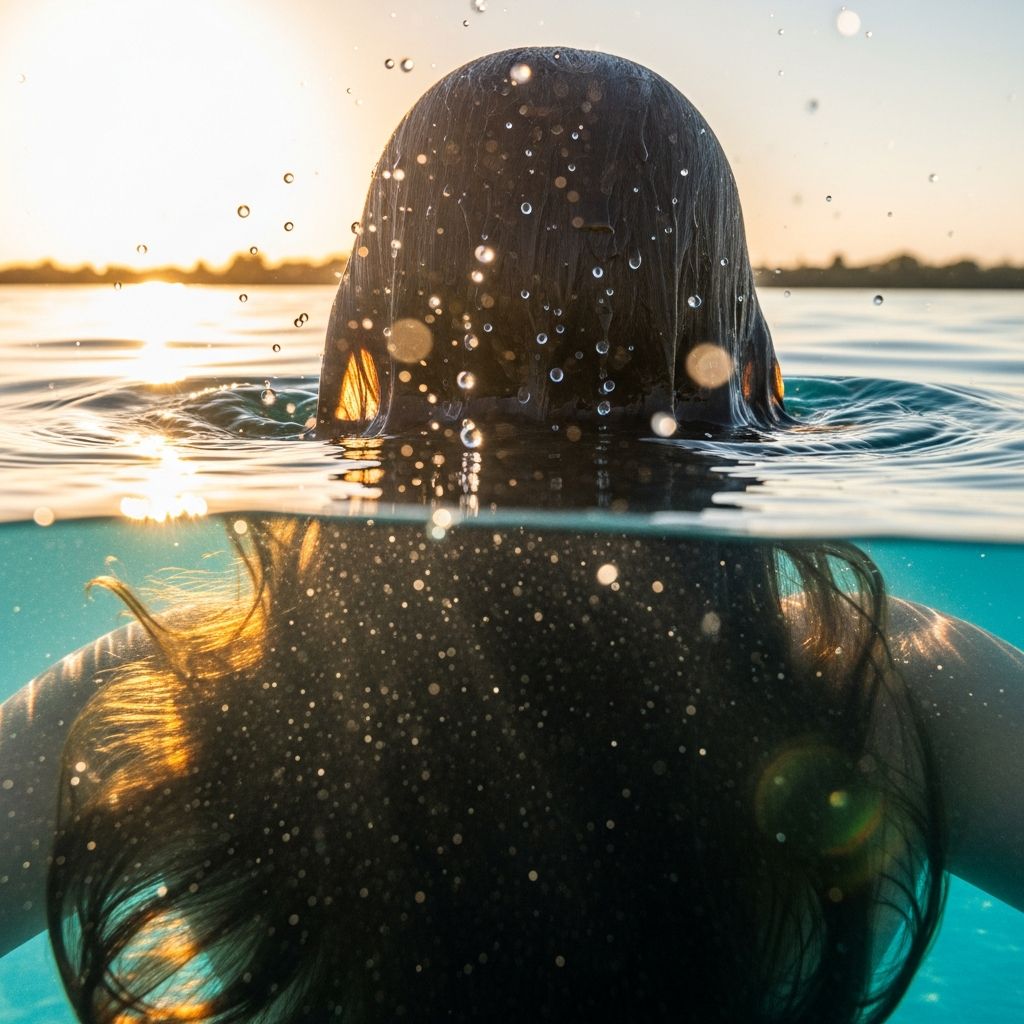
Understanding Swimmer’s Hair: Chemical Exposure and Hair Structure
Swimming offers tremendous physical and mental health benefits, yet the aquatic environment presents significant challenges to hair integrity. When swimmers emerge from the pool with dry, brittle, discolored, or tangled hair, they’re experiencing the cumulative effects of chemical exposure and environmental stress. This condition, commonly referred to as swimmer’s hair, results from the interaction between hair structure and pool chemicals. To effectively address this concern, it’s essential to understand both the biological mechanisms at work and the environmental factors contributing to hair degradation.
Hair consists of three distinct layers: the cuticle (outer protective layer), the cortex (middle structural layer containing keratin proteins), and the medulla (inner core). When swimmers spend time in chlorinated or saltwater environments, these layers undergo chemical and physical changes that compromise hair strength, elasticity, and appearance. The extent of damage varies based on individual factors including hair type, existing damage levels, and frequency of water exposure.
The Chemistry Behind Chlorine-Induced Hair Damage
Chlorine serves a critical function in maintaining pool sanitation by eliminating harmful bacteria and microorganisms. However, this powerful disinfectant works by oxidizing organic matter—a process that extends to hair structure when swimmers enter the pool. Understanding this chemical mechanism reveals why chlorine damage occurs so readily and why certain hair types suffer more severe effects.
Oil Stripping and Moisture Loss
The primary mechanism of chlorine damage involves the stripping of natural oils from the hair and scalp. When chlorine dissolves in water, it forms hypochlorous acid, a compound that breaks down sebum—the protective oily substance produced by scalp glands. This sebum serves as nature’s conditioning system, maintaining moisture balance and providing shine. A single swimming session can remove 20-30% of hair’s moisture content, creating immediate dryness that compromises hair flexibility and resilience. Over time, repeated exposure intensifies this moisture deficit, transforming hair from supple and lustrous to coarse and brittle.
Protein Degradation and Structural Weakness
Beyond surface-level drying, chlorine penetrates hair structure and attacks keratin, the essential protein responsible for hair strength. This protein breakdown weakens individual hair strands from within, making them more susceptible to breakage and split ends. The damage becomes particularly pronounced in hair that has already been compromised through heat styling, chemical treatments, or prior environmental damage. Fine or thin hair experiences accelerated deterioration because these hair types possess naturally thinner protective layers and less structural resilience.
Increased Porosity and Texture Changes
Chlorine damage elevates hair porosity—the hair’s capacity to absorb and retain moisture. When the hair cuticle becomes damaged, it lifts and fails to seal properly, allowing water and chemicals to penetrate the cortex more easily. Highly porous hair paradoxically absorbs excessive moisture while simultaneously losing it rapidly, resulting in the characteristic frizz, tangles, and brittleness associated with swimmer’s hair. This texture transformation occurs because damaged cuticles don’t lay flat and smoothly; instead, they create a rough surface prone to friction and entanglement.
Color Alteration and the Green Tint Phenomenon
Many swimmers with lighter hair observe a greenish tint developing after regular pool exposure. This visible discoloration represents a specific chemical reaction rather than true hair dye penetration. Copper deposits present in pool water—originating from pipes, algaecides, or other chemical treatments—become oxidized by chlorine. These oxidized copper particles bond with hair proteins, creating a surface coating that produces the characteristic green color. Research indicates that approximately 61% of frequent swimmers experience noticeable hair discoloration compared to virtually 0% among non-swimmers, demonstrating the prevalence of this phenomenon.
Beyond greenish tints, chlorine causes color-treated hair to fade more rapidly than normal fading cycles would predict. The oxidative properties of chlorine break down artificial color molecules, causing premature color loss or unexpected shade alterations. Saltwater presents similar concerns, with mineral absorption dulling natural hair color and creating a lackluster appearance.
Saltwater and Ocean Swimming: An Alternative Damaging Environment
While chlorinated pools represent the most common swimming environment, ocean water poses distinct yet equally problematic challenges for hair health. Saltwater dehydrates hair through osmotic processes, where salt draws moisture from the hair shaft to achieve chemical equilibrium. This dehydration creates the same dryness and brittleness observed in chlorinated water exposure, though through different mechanisms. The mineral content in seawater, while beneficial for skin health, produces a dehydrating effect on hair strands. Additionally, salt exposure can cause hair tangling and create a stiff texture that persists even after rinsing.
Swimmers who frequent both pools and ocean environments face compounded damage risks. The combination of chlorine exposure followed by saltwater swimming—or vice versa—intensifies moisture depletion and increases vulnerability to structural damage. Furthermore, sun exposure commonly accompanies ocean swimming, adding ultraviolet radiation damage to chemically-induced degradation.
Recognizing the Signs of Swimming-Related Hair Damage
Regular swimmers should monitor their hair for specific indicators of chemical damage. Early recognition enables timely intervention before damage becomes severe.
- Dryness and Coarseness: Hair feels rough to the touch, lacks natural shine, and appears dull rather than lustrous. This sensation indicates compromised moisture retention and sebum depletion.
- Brittleness and Breakage: Hair snaps easily when combed or styled, and split ends become prevalent. This brittleness signals weakened keratin structure and reduced protein integrity.
- Discoloration: Light-colored hair develops greenish tints, while all hair types may appear faded or lackluster. This visible change reflects either copper bonding or rapid color molecule breakdown.
- Tangling and Matting: Hair develops persistent tangles despite regular brushing, and curly-textured hair may form mats. This occurs because damaged cuticles create friction points that promote entanglement.
- Increased Frizz: Hair displays noticeable frizz even in low-humidity conditions, indicating elevated porosity and moisture imbalance.
- Scalp Irritation: Beyond hair shaft damage, chlorine can irritate the scalp, potentially causing burning sensations, redness, or contact dermatitis.
Individual Risk Factors and Vulnerability Patterns
Not all swimmers experience identical damage severity. Certain hair characteristics and conditions significantly increase vulnerability to chemical damage. Understanding personal risk factors enables targeted prevention strategies.
| Hair Type/Condition | Vulnerability Level | Primary Concern |
|---|---|---|
| Fine or Thin Hair | High | Reduced structural resilience; rapid damage progression |
| Bleached or Chemically Treated | High | Already compromised cuticle; accelerated protein loss |
| Heat-Damaged Hair | High | Existing cuticle damage compounds chemical exposure effects |
| Tightly Curled Hair | Moderate-High | Natural texture creates tangling vulnerability |
| Coarse or Thick Hair | Moderate | Greater structural resilience but still susceptible |
| Healthy, Untreated Hair | Moderate | Better protection but still experiences damage with regular exposure |
Strategic Prevention: Before, During, and After Swimming
Implementing comprehensive protective strategies requires attention to three distinct phases: pre-swim preparation, in-water protection, and post-swim restoration. Each phase serves a specific protective function.
Pre-Swimming Preparation
Optimal protection begins before entering the water. Applying conditioner to damp hair prior to swimming creates a barrier that minimizes chemical absorption. This pre-treatment works by saturating hair with a benign substance (conditioner), reducing the proportion of available space for chlorine or salt molecules to attach. Similarly, rinsing hair with fresh water before swimming fills the hair cuticle with plain water, reducing the osmotic gradient that drives chemical absorption. These simple preparatory steps significantly diminish subsequent damage.
In-Water Protection Strategies
Physical barriers provide the most effective protection during swimming. Silicone swim caps create an impermeable seal that prevents direct water contact with hair strands. High-quality caps minimize water seepage and maintain consistent protection throughout swimming sessions. For individuals who find caps uncomfortable or impractical, protective hairstyles such as tight braids or buns reduce hair surface area exposure and limit chemical contact.
Post-Swimming Restoration
Immediate post-swim care establishes the foundation for hair recovery and prevents chemical residue accumulation. Thorough rinsing with fresh water should occur before chlorine or salt dries on hair, as dried chemical residue proves more difficult to remove completely. Specialized chlorine-removal shampoos and conditioners address residual chemical deposits more effectively than regular hair products. These formulations work to neutralize chlorine molecules and restore moisture balance. Following shampoo treatment, applying nourishing conditioner replenishes depleted moisture and temporarily seals the cuticle, facilitating recovery.
Long-Term Hair Restoration and Maintenance
For swimmers experiencing significant damage, restoration extends beyond immediate post-swim care. A comprehensive hair care routine supports gradual recovery and prevents additional degradation.
Deep Conditioning Treatments
Weekly or bi-weekly intensive conditioning treatments provide concentrated moisture and protein replenishment. These treatments penetrate deeply into the cortex, rebuilding keratin structure and restoring elasticity. Leave-in conditioning products offer continuous protection and restoration between washing cycles.
Limiting Additional Damage Sources
While managing chemical exposure, swimmers should minimize other damaging practices. Reducing heat styling frequency, using heat protectant products when styling is necessary, and avoiding tight hairstyles that create tension stress all support hair recovery. Chemical treatments such as coloring, perming, or relaxing should be postponed until hair demonstrates restoration.
Nutritional Support for Hair Health
Hair strength originates from internal health as well as external care. Adequate protein intake, biotin supplementation, and general nutritional balance support hair growth and resilience. While nutritional approaches alone cannot reverse chemical damage, they provide foundational support for the hair regeneration process.
Frequently Asked Questions About Swimmer’s Hair
Q: Does chlorine cause permanent hair loss in humans?
A: No reliable research demonstrates that chlorine causes hair loss in humans, though animal studies suggest potential effects. However, chlorine does cause temporary weakening, breakage, and visible thinning of individual strands, which can create the appearance of hair loss. If swimmers notice unusual hair shedding, underlying scalp irritation or dermatitis may require medical evaluation.
Q: Can I prevent all chlorine damage by wearing a swim cap?
A: While quality silicone swim caps provide substantial protection, they cannot eliminate damage entirely. Water seepage around cap edges, pre-existing exposed ends, and cumulative long-term exposure still result in some degree of chemical contact. Combining cap usage with pre-swim conditioning and post-swim restoration provides optimal protection.
Q: How quickly can I restore damaged swimmer’s hair?
A: Hair restoration requires patience, as new hair growth takes approximately 3-6 months to extend significantly. However, visible improvements in texture, shine, and manageability can occur within 2-4 weeks of consistent damage management. Severely damaged hair may require cutting to remove the most compromised sections while newer growth regenerates.
Q: Is saltwater damage worse than chlorine damage?
A: Both create distinct damage patterns through different mechanisms. Saltwater dehydrates through osmotic processes, while chlorine damages through oxidation and protein breakdown. Individual susceptibility varies; some swimmers experience more severe effects from one environment than the other.
Q: Which hair types suffer most severe chlorine damage?
A: Fine, thin, bleached, chemically treated, and previously heat-damaged hair experiences the most pronounced chlorine damage. These hair types possess compromised structural integrity that accelerates chemical degradation. Tightly curled hair also faces increased tangling vulnerability.
References
- How to Prevent Hair Damage from Swimming — MAYRAKI. 2024. https://hairmayraki.com/mayraki-blog/how-to-prevent-hair-damage-from-swimming/
- Why Does Chlorine Turn Your Hair Green, and How Can You Fix Swimmer’s Hair Damage — SwimSwam. 2024. https://swimswam.com/why-does-chlorine-turn-your-hair-green-and-how-can-you-fix-swimmers-hair-damage/
- How Chlorine Damages Hair: Effects and Prevention Tips — Hims. 2024. https://www.hims.com/blog/is-chlorine-bad-for-hair
- Advice For Your Clients With Swimmer’s Hair — Associated Hair Professionals. 2024. https://www.associatedhairprofessionals.com/updates/blog-posts/advice-your-clients-swimmer-s-hair
- How to Protect & Fix Hair From Chlorine Damage — Hairstory. 2024. https://hairstory.com/blogs/news/pool-proof-how-to-protect-your-hair-from-chlorine
- Does Pool Water Affect your Skin and Hair — Cleveland Clinic Newsroom. June 17, 2024. https://newsroom.clevelandclinic.org/2024/06/17/does-pool-water-affect-your-skin-and-hair

Medha Deb is an editor with a master's degree in Applied Linguistics from the University of Hyderabad. She believes that her qualification has helped her develop a deep understanding of language and its application in various contexts. Medha specializes in the areas of beauty, health, sports, and wellness and is committed to ensuring that the content on the website is…