
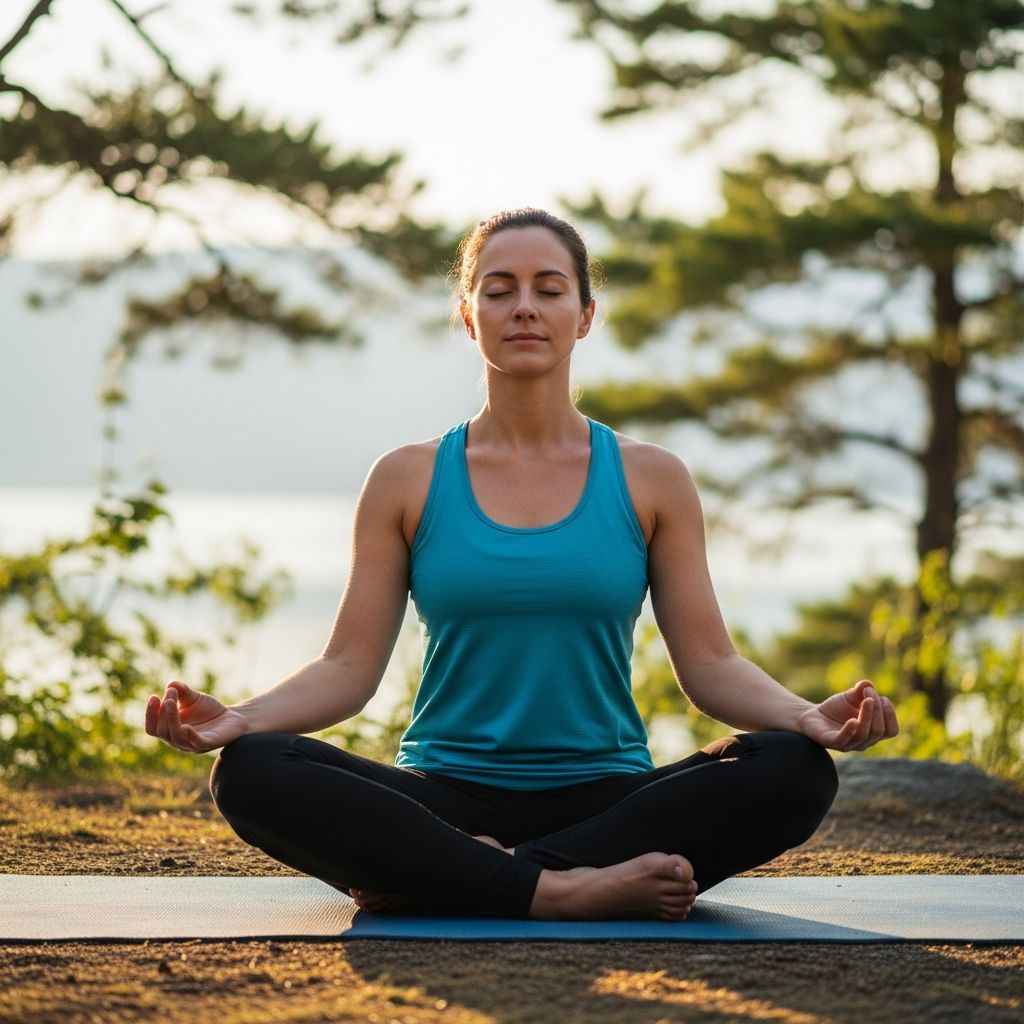
Understanding Your Body’s Stress Response
When facing challenging situations, your body automatically activates a survival mechanism known as the sympathetic nervous system, commonly referred to as the “fight or flight” response. This physiological reaction causes your heart rate to accelerate, breathing to become shallow and rapid, muscles to tense, and skin to flush with blood. While this response can be beneficial in genuine emergencies, chronic activation in everyday stressful situations can undermine your decision-making abilities, emotional stability, and overall well-being.
The problem intensifies when stress becomes frequent and prolonged. Your nervous system remains in a heightened state of alert, leading to exhaustion, anxiety, and diminished cognitive function. Understanding this automatic response is the first step toward reclaiming control over your physiological reactions and mental state during stressful moments.
Introducing Structured Breathing as a Counterbalance
Tactical breathing, also known as box breathing, represents a scientifically-supported method for regulating your nervous system’s response to stress. This technique employs a deliberate, rhythmic pattern of inhalation, breath retention, and exhalation to counteract the body’s natural tendency toward physiological escalation during demanding situations.
The foundation of tactical breathing lies in its simplicity and accessibility. Unlike complex meditation practices or time-consuming relaxation methods, this technique can be performed anywhere, anytime, and requires no special equipment or training. Research demonstrates that individuals practicing tactical breathing show measurably reduced stress responses compared to those using conventional stress-relief approaches.
The Science Behind Breath Control and Performance
Recent investigations into tactical breathing reveal compelling evidence supporting its effectiveness. Studies involving specialized personnel show that practitioners achieve significantly lower average heart rates and demonstrate superior ability to maintain controlled respiration during simulated high-pressure scenarios. Remarkably, these improvements persist even as stress factors intensify and become more graphic or challenging.
The neurological mechanism operates through the parasympathetic nervous system, often called the “rest and digest” response. By engaging in structured, intentional breathing patterns, you activate this calming system, which counters the sympathetic activation triggered by stress. This physiological shift manifests as reduced anxiety, enhanced mental clarity, and improved decision-making capabilities.
Performance metrics reveal a tangible impact: research documents a 15% improvement in successful task execution during high-pressure situations among those trained in tactical breathing compared to untrained individuals. For professionals in demanding fields, this percentage difference can translate to life-saving outcomes.
Step-by-Step Implementation of the Technique
Mastering tactical breathing involves following a structured four-phase cycle that you can begin practicing immediately:
- Initial Inhalation Phase: Begin by drawing air slowly through your nose, mentally counting to four as you inhale. Focus on allowing your abdomen to expand like a balloon filling with air, ensuring the breath originates from your diaphragm rather than shallow chest breathing. Maintain smooth, consistent airflow throughout this four-second interval.
- First Retention Phase: After completing your inhalation, pause and hold the breath within your lungs for another count of four. During this holding period, concentrate on relaxing your body and observing the sensations in your chest and throughout your system. This pause allows the breath to distribute oxygen throughout your bloodstream effectively.
- Controlled Exhalation Phase: Slowly exhale through your mouth, again counting to four to ensure a gradual, deliberate release of air. The extended duration prevents rapid emptying of the lungs and maintains the calming neural signal being sent to your nervous system.
- Second Retention Phase: With your lungs now empty, hold this position for a final count of four. Remain relaxed and attentive to the sensations in your empty lungs and your overall state of being. Notably, this final hold often feels easier than the post-inhalation hold due to the reduced pressure in your chest.
Optimal Duration and Frequency for Results
For immediate stress relief during acute situations, performing the four-phase cycle for approximately five minutes typically produces noticeable effects. However, duration can be extended if time permits and if you wish to deepen the calming effect. Many practitioners find that even three to five complete cycles can substantially lower heart rate and restore mental equilibrium.
Beyond emergency intervention, integrating tactical breathing into your daily routine yields cumulative benefits. Individuals who dedicate 10 to 20 minutes daily to structured breathing practice often develop unconscious preference patterns, effectively rewiring their baseline respiratory behavior. This neuroplastic adaptation means that over time, your body naturally gravitates toward calmer breathing patterns without conscious effort, improving cognitive and physiological performance throughout your day.
Versatile Applications Across Professional Domains
While originally developed for military and tactical personnel, tactical breathing extends far beyond specialized professions. Emergency medical technicians employ the technique to stabilize their nervous systems en route to accident scenes, maintaining steady hands and clear thinking during critical interventions. Dispatch professionals utilize it between high-stress calls to reset their mental state. Police officers practice it immediately following emotionally taxing encounters with civilians experiencing crises.
The applicability extends equally to civilian contexts. Corporate professionals managing high-stakes presentations, healthcare workers navigating emotionally draining shifts, educators handling classroom disruptions, and students facing examination anxiety all benefit from tactical breathing’s immediate and measurable effects. The technique transcends occupational boundaries because it addresses a fundamental biological process shared by all humans.
Complementary Mental and Emotional Benefits
Beyond the purely physiological advantages, tactical breathing influences psychological and emotional dimensions of your stress experience. The practice helps curtail the physiological precursors to anxiety, including rapid heartbeat, shallow breathing, and muscle tension. By interrupting this cascade at the breathing stage, you prevent the escalation into full-blown anxiety episodes.
The technique also provides a buffer against negative thought patterns and intrusive thoughts that frequently accompany stress. By redirecting your attention to the rhythmic, deliberate breathing pattern, you occupy your conscious mind with a task that simultaneously calms your nervous system. This dual action creates what practitioners describe as a “quieter headspace” and measurably enhanced overall mental health.
Additionally, high-stakes scenarios deplete emotional reserves and create stored tension throughout your nervous system. Tactical breathing offers a controlled outlet for releasing this accumulated tension, facilitating genuine decompression rather than suppression of stress responses.
Integration Into Your Daily Routine
Strategic implementation maximizes the benefits of tactical breathing. Consider establishing morning practice as a foundation, setting your nervous system toward a more resilient baseline before the day’s demands accumulate. Midday sessions can reset your physiology after morning stressors, preventing cumulative stress buildup. Pre-bed practice promotes deeper sleep and prevents racing thoughts from disrupting rest.
Additionally, use tactical breathing reactively whenever you notice physiological signs of stress escalation: shallow breathing, chest constriction, jaw clenching, or rising irritability. The earlier you intervene in the stress cycle, the more effectively you prevent full sympathetic activation.
Comparison: Tactical Breathing Versus Alternative Stress Management Approaches
| Approach | Time Requirement | Accessibility | Immediate Effects | Long-term Benefits |
|---|---|---|---|---|
| Tactical Breathing | 3-20 minutes | Anywhere, anytime | Yes, within minutes | Improves baseline stress response with daily practice |
| Traditional Meditation | 15-45 minutes | Requires quiet environment | Gradual effects | Significant long-term benefits with consistent practice |
| Physical Exercise | 30-60 minutes | Requires space/equipment | Moderate immediate relief | Excellent long-term stress resilience |
| Progressive Muscle Relaxation | 10-15 minutes | Requires space to recline | Yes, gradual onset | Improved awareness of tension patterns |
Frequently Asked Questions About Tactical Breathing
Q: How quickly does tactical breathing reduce stress and anxiety?
A: Most individuals experience noticeable reductions in heart rate and anxiety within three to five complete breathing cycles, typically requiring just two to three minutes. The immediate effects stem from the parasympathetic nervous system activation triggered by the rhythmic breathing pattern.
Q: Can tactical breathing be practiced while performing other activities?
A: While tactical breathing can be briefly incorporated into daily activities, optimal benefits come from dedicated, focused practice where you concentrate on the sensations and the breathing pattern. However, once internalized through regular practice, modified versions can be performed during work or other activities.
Q: Is tactical breathing safe for individuals with respiratory conditions?
A: Individuals with asthma, chronic obstructive pulmonary disease (COPD), or other respiratory conditions should consult healthcare providers before beginning tactical breathing practice. While generally safe, certain modifications may be necessary for specific medical conditions.
Q: How does tactical breathing differ from other breathing exercises?
A: Tactical breathing employs equal timing for inhalation, breath retention, and exhalation (typically 4-4-4), creating a balanced physiological effect. This structure differs from other techniques that may emphasize exhalation length or employ different ratios.
Q: Can tactical breathing improve sleep quality?
A: Yes, practicing tactical breathing before bedtime can promote deeper sleep by reducing physical arousal and intrusive thoughts that frequently disrupt rest. The technique’s calming effect on the nervous system creates conditions favorable for sleep onset.
Q: How long does it take to see long-term improvements in stress resilience?
A: Consistent daily practice for two to four weeks typically produces noticeable improvements in baseline stress responses. With sustained practice over months, the technique becomes an unconscious habit, fundamentally altering how your nervous system responds to stressors.
Q: Can tactical breathing be combined with other wellness practices?
A: Absolutely. Tactical breathing complements meditation, physical exercise, mindfulness practices, and other wellness approaches. Many professionals integrate it into comprehensive stress-management and performance-optimization programs.
References
- Tactical Breathing Strategies for First Responders — Axon.com. 2024. https://www.axon.com/resources/tactical-breathing-strategies-for-first-responders
- Applying Resilience Promotion Training Among Special Forces — National Center for Biotechnology Information (NCBI). https://pmc.ncbi.nlm.nih.gov/articles/PMC4484868/
- Breathing Technique for Calm: Tips from a Navy Seal — TIME Magazine. 2016. https://time.com/4316151/breathing-technique-navy-seal-calm-focused/
- Learn The SWAT Breathing Technique To Fight Stress — Lifehack.org. https://www.lifehack.org/articles/productivity/breathing-hack-learn-the-swat-breathing-technique-fight-stress.html
- Just Breathe: Using Breathwork for Wellbeing — Arizona Center for Integrative Medicine. https://awcim.arizona.edu/health_hub/awcimagazine/just_breathe_using_breathwork_for_wellbeing.html

Medha Deb is an editor with a master's degree in Applied Linguistics from the University of Hyderabad. She believes that her qualification has helped her develop a deep understanding of language and its application in various contexts. Medha specializes in the areas of beauty, health, sports, and wellness and is committed to ensuring that the content on the website is…