
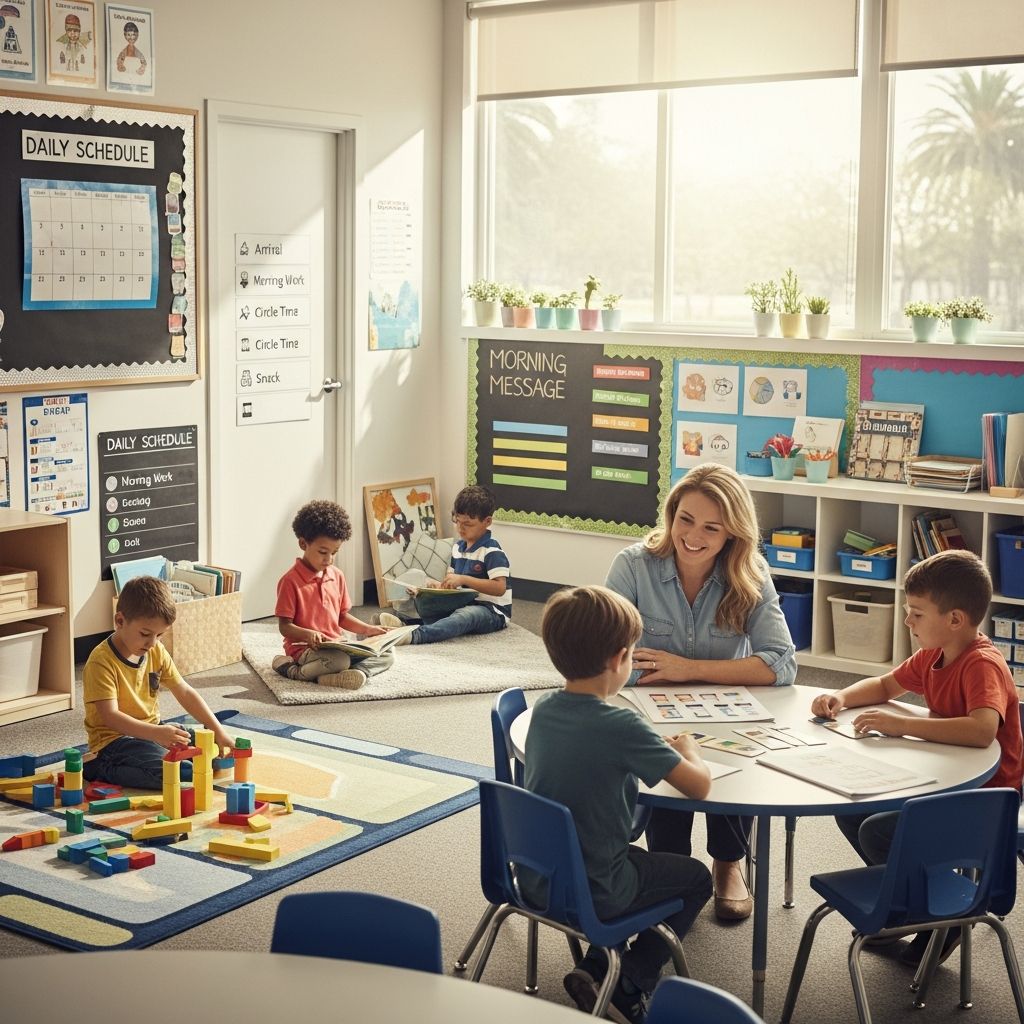
Starting the school day right can transform both teacher productivity and student performance. Effective morning routines help educators manage personal demands while creating an engaging classroom environment that activates young minds.
Why Morning Routines Matter for Educators
Morning routines establish a foundation of calm and organization, reducing stress for teachers who juggle lesson planning, family responsibilities, and commute times. Research shows that consistent routines improve overall well-being and set a positive tone, benefiting everyone in the school community. For teachers, this means arriving prepared and energized, ready to handle diverse classroom needs.
In the classroom, routines signal structure to students, helping them transition from home to learning mode. Children thrive on predictability, which minimizes behavioral issues and maximizes focus. A well-structured start can enhance academic engagement and social-emotional growth throughout the day.
Building Your Personal Morning Routine as a Teacher
Teachers often face early starts, especially those balancing side hustles like creating educational resources. A sample routine beginning at 4:30 AM might include waking up, tending to pets, exercising, personal hygiene, and preparing breakfast before diving into work tasks.
To craft your own:
- Wake early: Aim for 15-30 minutes before your ideal start to build buffer time.
- Prioritize movement: Incorporate workouts like kettlebell sessions or yoga to boost energy.
- Fuel properly: Opt for nutritious breakfasts to sustain long days.
- Prep the night before: Pack bags, review schedules, and lay out clothes to streamline mornings.
This approach ensures teachers enter schoolgrounds mentally sharp and physically ready.
Essential Prep Steps the Night Before
Proactive evening planning prevents morning chaos. Check school requirements, such as special items for library day or sports gear, and assemble student needs accordingly. Teachers should review lesson plans, grade papers, and organize materials to avoid last-minute scrambles.
| Evening Task | Benefit | Example |
|---|---|---|
| Pack lunch and bags | Saves 10-15 minutes | Prepare healthy meals and school supplies |
| Layout clothing | Reduces decision fatigue | Choose professional attire and accessories |
| Review daily schedule | Anticipates surprises | Note meetings or special events |
| Wind down routine | Improves sleep quality | Shower, read, avoid screens |
These habits create seamless transitions into the school day.
Classroom Routines That Activate Student Brains
Once in class, consistent routines help students acclimate. Post and review the daily schedule visibly to build anticipation and reduce anxiety. Simple, independent morning work—like quick math problems or journal prompts—eases learners into academics without overwhelm.
Key elements include:
- Greeting ritual: Personal hellos build connections from the door.
- Schedule review: Display the day’s flow for transparency.
- Independent tasks: Low-pressure activities to start brains firing.
- Physical activation: Short exercises improve mood and behavior.
Engaging Morning Meeting Ideas
Morning meetings foster community and readiness. Structure them with greetings, activities, sharing, and learning components for maximum impact. These sessions strengthen relationships and address social-emotional needs early.
Try these quick activities:
- Partner greetings: Handshakes, waves, or custom moves to spark interactions.
- Would You Rather: Poll fun dilemmas, discuss choices in pairs.
- Movement breaks: Stretches, dances, or yoga to energize bodies.
- Mystery challenges: Yes/no questions to guess bag contents, honing inquiry skills.
“Morning meetings create spaces where students feel seen, heard, and ready to engage academically and socially.”
Sample Full Morning Timeline for Teachers
Here’s a realistic 2-hour window blending personal and professional prep:
- 4:30-5:00 AM: Wake, hydrate, light exercise (20 min).
- 5:00-5:30 AM: Shower, dress, breakfast prep.
- 5:30-6:00 AM: Review lessons, grade digitally.
- 6:00-6:30 AM: Family time, pack lunches.
- 6:30-7:00 AM: Commute or final checks.
- 7:00-7:30 AM: Classroom setup, greet early birds.
- 7:30-8:00 AM: Morning meeting and work launch.
Adapt based on your schedule for optimal flow.
Overcoming Common Morning Challenges
Busy teachers face hurdles like oversleeping or student resistance. Counter by setting multiple alarms, preparing alternatives the night before, and involving kids in routine planning. For classroom lag, use timers and visual cues to maintain momentum.
Teacher testimonials highlight flexibility: Keep core routines steady for English learners but sprinkle surprises for engagement.
Health and Wellness Integration
Mornings are prime for wellness. Prioritize sleep by bedding down early, ensuring refreshed wake-ups. Hydration, balanced meals, and mindfulness moments sustain energy. In class, blend SEL activities to nurture emotional health.
Frequently Asked Questions (FAQs)
What is the ideal wake-up time for teachers?
Many successful educators start at 4:30-5:00 AM to fit workouts, planning, and family before school, but adjust to your needs with buffers.
How can I make morning meetings quick yet impactful?
Focus on 10-15 minutes with greetings, one activity, and sharing. Consistency builds buy-in without extra prep.
What if students struggle with independent morning work?
Start simple: coloring, weather logs, or easy puzzles. Gradually increase complexity as routines solidify.
Should I exercise before or during class?
Personal workouts pre-school energize you; short class movements activate students without disrupting flow.
How do evening preps save time?
They eliminate morning decisions, cutting rush by 20-30 minutes and fostering calm starts.
Long-Term Benefits of Solid Routines
Consistent mornings yield higher student engagement, fewer disruptions, and teacher job satisfaction. Over time, these habits compound into smoother years, better retention, and modeled life skills for kids.
Experiment, refine, and commit—your best teaching emerges from structured beginnings.
References
- Morning routine for school: practical tips — Raising Children Network. 2023-10-15. https://raisingchildren.net.au/school-age/school-learning/school-homework-tips/morning-routine-for-school
- 4:30AM Productive Morning Routine of a Full Time Teacher + TPT — Becca Davis (YouTube). 2023-05-20. https://www.youtube.com/watch?v=yhwkyZjj1XM
- Morning Routines for the Classroom to Help Students Activate Their Brains — The Pathway 2 Success. 2024-01-12. https://www.thepathway2success.com/morning-routines-for-the-classroom-to-help-students-activatate-their-brains/
- 14 Quick Morning Meeting Activities for Busy Teachers — Continental Press. 2024-02-28. https://www.continentalpress.com/blog/morning-meeting-activities/

- Integrated M.A. in Applied Linguistics, University of Hyderabad
- 5+ years in editorial, instructional, SEO, and research-based writing
Sneha is a relationships and lifestyle writer with a strong foundation in applied linguistics and certified training in relationship coaching. She brings over five years of writing experience to theskillvault, crafting thoughtful, research-driven content that empowers readers to build healthier relationships, boost emotional well-being, and embrace holistic living. Her writing and insights reflect the belief that beauty, happiness, and wellness…