
Understanding the Power of Collage in Educational Settings
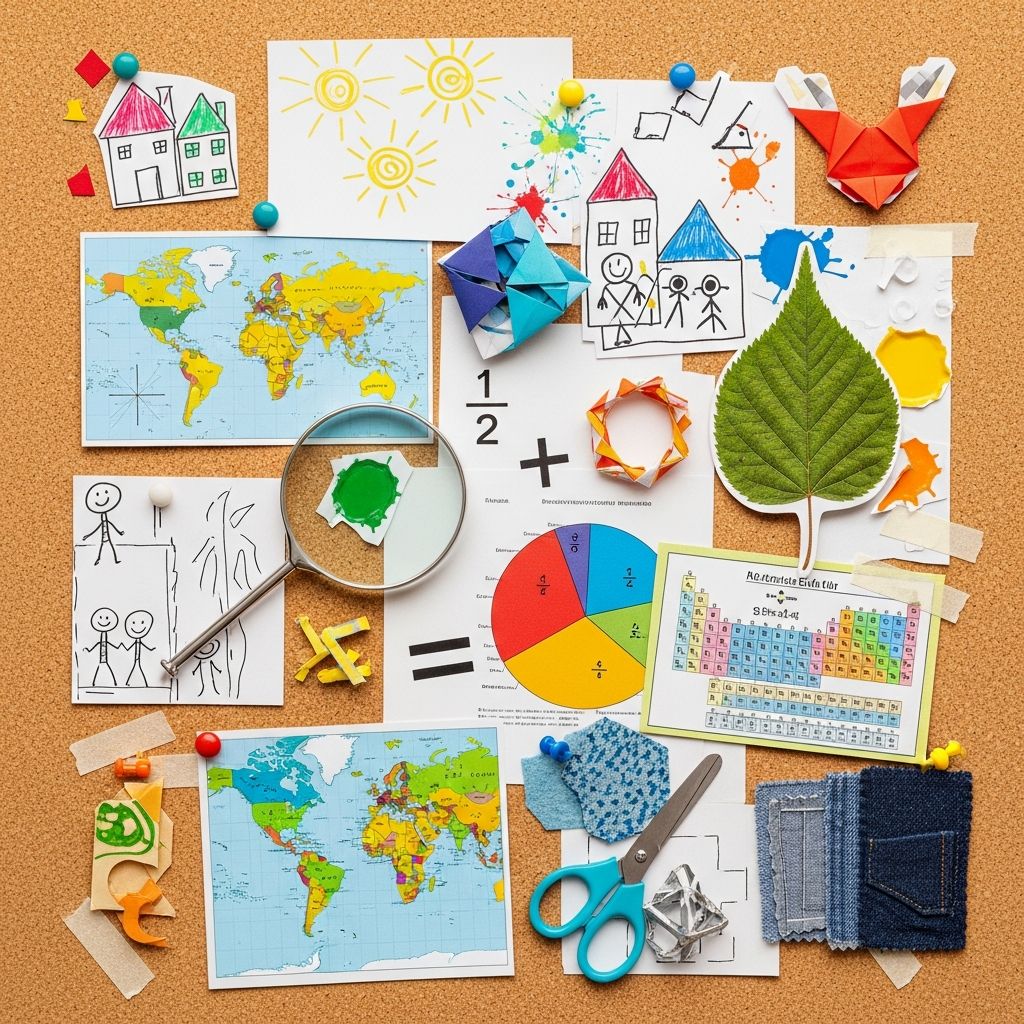
Collage represents one of the most accessible and rewarding art forms available to educators seeking to engage students across diverse learning styles and artistic abilities. Unlike traditional drawing or painting, which may intimidate students without prior artistic experience, collage offers an immediate pathway to creative success by allowing learners to work with pre-existing visual elements and materials. The medium democratizes artistic creation, removing barriers that often prevent reluctant artists from participating fully in creative processes. By combining various materials—photographs, magazine clippings, textured papers, fabric scraps, and found objects—students can construct meaningful visual narratives without requiring advanced technical skills.
The educational benefits of collage extend far beyond simple art production. This versatile medium cultivates visual literacy, teaching students to analyze compositional balance, color theory, and spatial relationships through hands-on experimentation. When students engage in collage work, they simultaneously develop fine motor skills, decision-making abilities, and conceptual thinking. The process encourages students to think critically about how different visual elements interact and communicate meaning, establishing foundations for sophisticated visual communication abilities.
Building Foundational Skills Through Material Exploration
Before launching into full-scale collage projects, students benefit from preliminary exploration sessions that familiarize them with diverse materials and adhesive techniques. Introducing students to the rich possibilities of collage materials helps them recognize that artistic creation extends beyond traditional art supplies. Effective material exploration sessions might include:
- Experimenting with various paper types, from glossy magazine pages to textured kraft paper
- Testing different adhesives, including glue sticks, liquid glue, and acrylic medium, to understand their distinct properties
- Practicing cutting and tearing techniques to control edge quality and create intentional effects
- Exploring layering strategies to build visual depth and complexity
- Incorporating unconventional materials such as fabric, buttons, beads, and natural elements
This exploratory phase removes uncertainty from the creative process and builds student confidence. When learners understand their available tools and materials, they approach subsequent projects with greater intentionality and imaginative vision. Material exploration also reveals individual preferences, helping students develop personal artistic voices and discovering which techniques resonate most authentically with their creative sensibilities.
Structuring Theme-Based Collage Assignments
Effective collage assignments provide clear thematic frameworks while maintaining sufficient creative flexibility for individual expression. Theme-based projects offer guidance that prevents student paralysis while preserving the freedom that makes collage so engaging for learners. Consider organizing collage projects around themes such as identity and self-portraiture, environmental awareness, cultural exploration, or personal interests and passions.
Identity-focused collage projects particularly resonate with students across grade levels. Rather than creating literal self-portraits through drawing or painting, students construct visual representations of themselves using colors, textures, and images that reflect their personalities, values, and interests. This approach validates diverse forms of self-expression and creates meaningful connections between students’ inner lives and external artistic representations. The resulting works become powerful vehicles for students to communicate aspects of themselves that might otherwise remain unexpressed within classroom settings.
Environmental themes encourage students to engage with their communities and natural surroundings while creating meaningful art. Students might collect visual materials from nature walks, photographs of local architecture, or images representing environmental concerns. Processing these observations through collage allows students to develop critical perspectives on their physical environments while producing visually sophisticated artwork.
Implementing Effective Collection Strategies
The collection phase significantly impacts collage quality and student engagement throughout the project. Rather than limiting students to materials provided by the school, encouraging students to gather materials from diverse sources expands creative possibilities and increases personal investment in completed work. Successful collection strategies involve:
- Providing clear guidelines about acceptable materials while allowing creative interpretation
- Allocating sufficient time for students to search homes, libraries, and natural environments
- Requesting that students gather more materials than anticipated, ensuring variety and preventing premature limitations
- Using envelopes or folders to organize collected materials by color, texture, or theme
- Encouraging students to include unexpected items that might spark innovative visual combinations
When students participate actively in material collection, they begin visually processing their environments with heightened awareness. This attentional shift extends learning beyond the classroom, transforming everyday experiences into research opportunities. Students begin noticing color combinations in their neighborhoods, interesting textures in discarded materials, and visual compositions in printed materials they encounter routinely.
Creating Compositional Frameworks for Student Success
While collage thrives on spontaneity and experimentation, providing compositional guidelines helps students organize their thinking and build confidence throughout the creation process. Teachers might establish size parameters—such as requiring finished collages to fit within specific dimensions—that encourage focused decision-making and prevent overwhelming complexity. Requiring students to use minimum quantities of different materials, such as incorporating at least three distinct textures or color families, promotes visual richness and prevents monotonous compositions.
Some educators benefit from establishing surface parameters as well. While traditional posterboard or cardboard provide accessible starting points, encouraging students to consider alternative surfaces—such as wooden frames, fabric stretchers, or found objects—expands creative possibilities significantly. When students collage onto unexpected surfaces, they engage in more sophisticated problem-solving and create works that challenge conventional assumptions about what artwork can be.
Extending Collage into Multi-Stage Creative Processes
Sophisticated collage units can incorporate additional creative stages that build upon initial collage work, deepening engagement and artistic development. After completing initial collages, students might use simple viewfinders—created by folding and cutting notches into index cards—to identify compelling compositions within their overall works. This analytical step teaches students to appreciate compositional complexity and recognize how individual sections of their artwork function independently from the whole.
Following viewfinder exploration, students might select one or multiple identified sections to recreate on larger formats using different media. This translation process encourages students to analyze what makes identified compositions successful while developing technical skills in new materials. Creating larger painted versions based on small collage sections helps students understand artistic scaling and medium-specific techniques, significantly deepening their comprehensive artistic understanding.
Incorporating Artist Study into Collage Units
Situating student collage work within broader art history contexts enriches learning and provides authentic inspiration sources. Studying contemporary and historical collage artists helps students recognize diverse approaches to the medium and understand how professional artists have pushed collage boundaries. Relevant artists for classroom study include those who have fundamentally shaped collage practice across the twentieth and twenty-first centuries.
When introducing artist examples, teachers should facilitate meaningful discussion about each artist’s particular approach, materials, and conceptual concerns. Rather than simply displaying images, guiding students to observe specific details—how artists handle edge quality, layering strategies, color relationships, and symbolic material choices—develops visual literacy skills applicable to students’ own work. Encouraging students to identify techniques from studied artists and adapt them to their personal projects creates tangible connections between artist study and creative application.
Assessment and Reflection Strategies
Evaluating collage work requires assessment approaches that honor the subjective nature of artistic creation while maintaining meaningful evaluation criteria. Effective collage assessment typically emphasizes process alongside product quality, recognizing that artistic growth emerges through experimentation, decision-making, and reflection. Useful assessment components include:
- Evaluating intentional material and color choices that communicate intended meaning
- Assessing compositional balance and visual organization
- Recognizing technical competence in material handling and adhesion
- Honoring creative problem-solving and innovative material applications
- Valuing conceptual development and thematic connection to project parameters
Incorporating student self-reflection into the assessment process deepens learning value significantly. Asking students to articulate their creative decisions, discuss challenges they overcame, and analyze how their finished work communicates intended meaning transforms assessment into a valuable learning experience. Written or recorded artist statements help students practice articulating visual thinking while providing teachers with insight into student conceptual development.
Managing Practical Classroom Considerations
Implementing collage projects successfully requires attention to practical classroom management elements that support smooth execution and student success. Organizing materials systematically—whether through color-coded containers, labeled bins, or rotating material stations—helps students access needed supplies efficiently without unnecessary classroom disruption. Establishing clear cleanup protocols before beginning projects prevents post-activity stress and teaches students responsibility for shared learning spaces.
Safety considerations deserve particular attention when implementing collage activities. Establishing consistent expectations about scissor use, glue application, and material handling prevents injuries while teaching students to use tools with appropriate respect and care. Younger students benefit from pre-cutting some materials or using specialized scissors designed for developing motor control.
Differentiation Strategies for Diverse Learners
Collage’s inherent flexibility allows teachers to differentiate instruction effectively, supporting learners across varied ability levels and learning profiles. Students requiring additional challenge might work with more abstract themes, smaller material pieces requiring precise placement, or more complex multi-stage projects. Advanced learners might explore conceptual dimensions of collage or experiment with mixed media combinations blending collage with painting or drawing techniques.
Students needing additional support benefit from modified approaches such as using larger material pieces, pre-selected color palettes, or structured compositional templates. Some learners thrive when allowed to collage collaboratively, sharing creative decision-making with peers. Others benefit from working with predetermined imagery related to project themes, reducing initial selection anxiety while maintaining meaningful creative engagement.
Frequently Asked Questions
Q: What materials work best for beginning collage projects?
A: Magazine pages, construction paper, newspaper, and printed images provide accessible starting materials requiring no specialized tools. As students develop skills, incorporating textured papers, fabric scraps, and found objects expands creative possibilities and encourages more sophisticated artistic exploration.
Q: How can I make collage accessible for students with fine motor challenges?
A: Pre-cutting materials, using larger pieces, providing specialized scissors or rotary cutters, and allowing students to tear rather than cut materials accommodates diverse motor abilities while maintaining meaningful creative engagement.
Q: How much class time should I allocate for collage projects?
A: Initial exploration sessions typically require 20-30 minutes, while theme-based collection phases might span several days. Active creation typically requires 1-2 full class periods, with additional time for extension activities such as viewfinder work or painting based on collage compositions.
Q: Can collage incorporate writing or text elements?
A: Absolutely. Incorporating words, phrases, or written text from magazines, newspapers, or hand-written elements creates powerful mixed media combinations that blend visual and textual communication, adding conceptual richness to student work.
Q: How do I display finished collage work effectively?
A: Mounting collages on contrasting colored paper enhances visual presentation. Creating gallery-style displays with artist statements and creating digital documentation through photography preserves work and celebrates student achievement.
References
- Play with Collage — Tate Modern. 2024. https://www.tate.org.uk/kids/make/cut-paste/play-collage
- A Creative Collage Lesson for All Students — The Art of Education. 2018-02. https://theartofeducation.edu/2018/02/collage-canvasa-creative-lesson-students/
- Big Selection of Collage Art Lessons — The Arty Teacher. 2024. https://theartyteacher.com/collage-art-lessons/

Medha Deb is an editor with a master's degree in Applied Linguistics from the University of Hyderabad. She believes that her qualification has helped her develop a deep understanding of language and its application in various contexts. Medha specializes in the areas of beauty, health, sports, and wellness and is committed to ensuring that the content on the website is…