
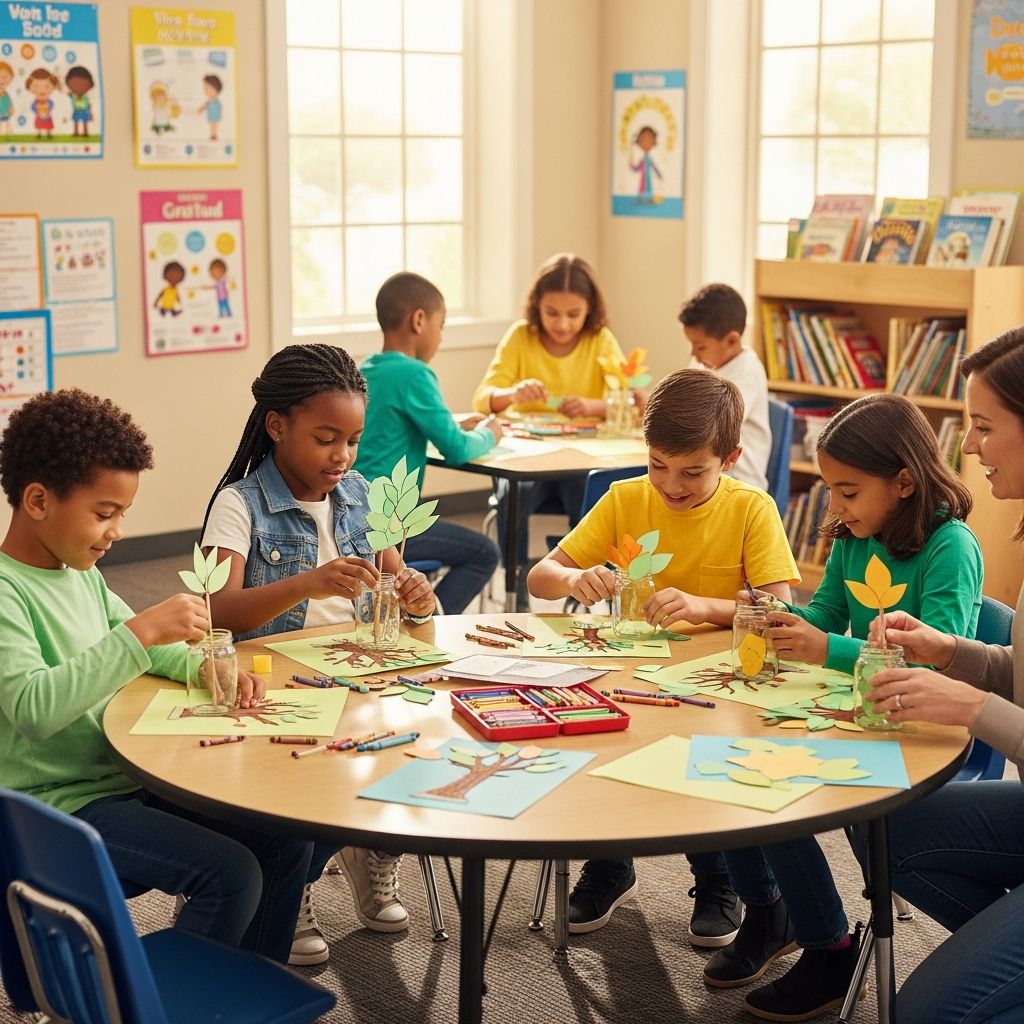
Integrating gratitude into daily classroom routines transforms the learning environment by promoting emotional health, stronger peer connections, and improved focus among students. Research shows that regular gratitude practices enhance mindfulness and character growth, preparing young minds for lifelong positivity.
Why Gratitude Matters in Education
Gratitude shifts students’ attention from lacks to abundances, fostering a mindset of appreciation that counters negativity. It builds **mindfulness**, helping children stay present and reduce distractions during lessons. This practice also supports **character development**, instilling humility, generosity, and empathy essential for social success.
Studies from educational psychology highlight how gratitude boosts well-being and relationships. For instance, expressing thanks regularly strengthens bonds between students and teachers, creating a supportive atmosphere. In schools adopting these methods, students report higher resilience and optimism, key to academic perseverance.
Foundational Practices for Daily Gratitude
Start with simple, consistent activities to embed gratitude seamlessly into the school day. These build habits without overwhelming schedules.
- Daily Reflection Moments: Dedicate 5 minutes at the start or end of class for students to note three positives from their day. Younger learners can draw pictures, while older ones write detailed entries.
- Verbal Sharing Circles: Form a circle where each student shares one thing they’re thankful for. This promotes inclusivity and empathy as peers listen actively.
- Thankful Transitions: Use routine shifts, like post-recess, for quick gratitude prompts to refocus energy positively.
These routines normalize appreciation, making it a classroom norm rather than an occasional event.
Creative Expression Through Writing and Art
Encourage students to channel gratitude creatively, blending literacy and emotional skills. Writing letters or notes personalizes thanks, deepening understanding of others’ impacts.
- Guide students in composing notes to family, friends, or classmates, then decide on sharing or mailing them. This hones communication while building connections.
- For artistic outlets, provide supplies for drawings, collages, or digital slideshows depicting gratitudes. Options like gratitude wheels—circular diagrams listing appreciations—visualize emotions effectively.
Performance elements, such as poetry recitals or storytelling, add variety. Allow student-suggested formats to boost ownership and engagement.
Visual and Collaborative Displays
Transform walls into living gratitude galleries to reinforce collective thankfulness. A central display evolves weekly, symbolizing growth.
- Growing Gratitude Board: Students add paper leaves, snowflakes, or petals with written thanks. Seasonal themes keep it fresh—autumn hues or winter sparkles.
- Community Gratitude Wall: Pin notes appreciating class contributions, like a peer’s help or group success, fostering unity.
These visuals serve as constant reminders, sparking discussions and inspiring new entries. Over time, they cultivate a shared culture of positivity.
Weekly Themes and Special Events
Anchor gratitude with recurring events to build anticipation and routine.
| Event Name | Description | Age Adaptations | Benefits |
|---|---|---|---|
| Appreciation Fridays | Students share verbal or written thanks; rotate speakers for equity. | Drawings for K-2; essays for 6+. | Builds empathy, community. |
| Gratitude Challenges | Weekly goals like noting 5 thanks or thanking indirectly benefiting others. | Simple lists for young; reflections for older. | Encourages resilience. |
| Birthday Gratitude Circles | Class lists reasons thankful for the celebrant. | Verbal for all ages. | Strengthens bonds. |
Such events integrate seamlessly, turning ordinary days into opportunities for reflection.
Modeling Gratitude as an Educator
Teachers set the tone by exemplifying gratitude daily. Verbalize thanks for students’ efforts, weather, or colleagues—children mimic observed behaviors.
Share personal gratitude lists during lessons, explaining thought processes. This authenticity inspires trust and participation. Professional growth follows as educators experience gratitude’s benefits firsthand.
Integrating Gratitude Across Subjects
Weave appreciation into core curricula for holistic impact.
- Science: During ecosystem studies, reflect on nature’s balances, creating posters of environmental thanks.
- Language Arts: Analyze literature for gratitude themes; write response pieces.
- Math: Graph class gratitudes, tallying categories for data lessons.
- Social Studies: Explore historical figures’ appreciations, linking to modern actions.
This approach enriches academics while embedding values.
Beyond the Classroom: Community and Service
Extend gratitude outward through service. Volunteer projects reveal privileges, amplifying appreciation. Discuss impacts post-activity to reinforce lessons.
Limit materialism focus by valuing experiences—donate unused items, prioritizing relationships. Mindfulness walks, noting surroundings, heighten present-moment thanks.
Evidence-Based Benefits and Tips for Success
Gratitude practices yield measurable gains: improved focus, reduced anxiety, stronger relationships. Schools using note-writing routines report sustained positivity.
- Start small to avoid overwhelm.
- Adapt for diverse needs, ensuring privacy options.
- Track progress via student feedback or mood surveys.
Sustainability comes from routine integration, like advisory periods.
Frequently Asked Questions (FAQs)
What age groups benefit most from gratitude activities?
All ages gain, but adapt: visuals for young, reflections for teens. Consistent practice builds lifelong habits.
How much time should I allocate daily?
5-10 minutes suffices; embed in transitions for efficiency.
What if a student resists sharing?
Offer private options like journals; build gradually with modeling.
Can gratitude improve academic performance?
Yes, by enhancing focus and resilience, per educational studies.
Are there resources for diverse classrooms?
Yes, multilingual prompts and inclusive themes ensure accessibility.
References
- Teaching Gratitude in the Classroom — Changing Perspectives. 2024-11-13. https://changingperspectivesnow.org/2024/11/13/teaching-gratitude-in-the-classroom/
- 10 Techniques for Teaching Children How to Practice Gratitude — The Discovery Source. N/A. https://thediscoverysource.com/10-techniques-for-teaching-children-how-to-practice-gratitude/
- Promoting Gratitude in Your Classroom — Edutopia. N/A. https://www.edutopia.org/article/teaching-ways-express-gratitude/
- Creating A Happier Classroom With Gratitude — Ripple Kindness. N/A. https://ripplekindness.org/creating-a-happier-classroom-with-gratitude/
- Three Lessons for Bringing Gratitude Into Your School — Greater Good Science Center, UC Berkeley. N/A. https://greatergood.berkeley.edu/article/item/three_lessons_for_bringing_gratitude_into_your_school

Medha Deb is an editor with a master's degree in Applied Linguistics from the University of Hyderabad. She believes that her qualification has helped her develop a deep understanding of language and its application in various contexts. Medha specializes in the areas of beauty, health, sports, and wellness and is committed to ensuring that the content on the website is…