
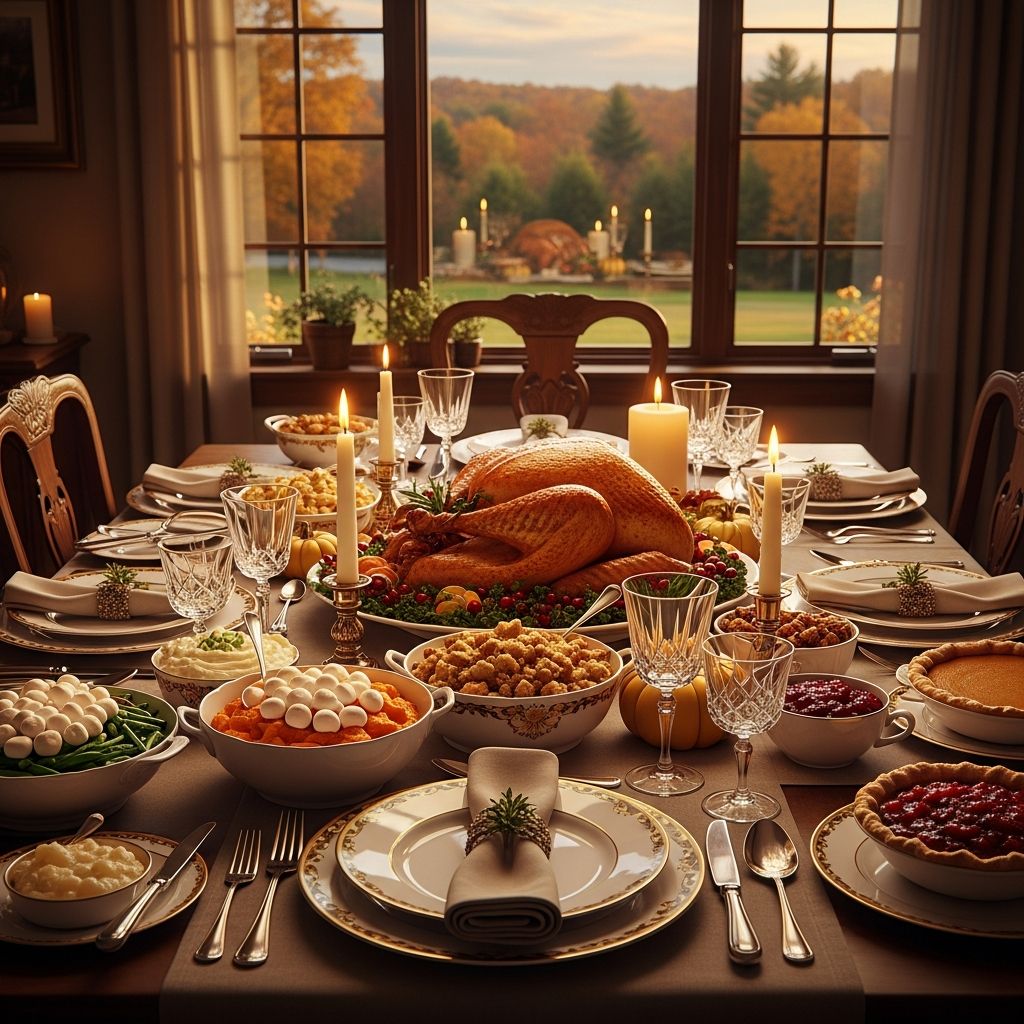
Thanksgiving stands as one of the most cherished holidays in the United States, observed annually on the fourth Thursday of November. It encapsulates a unique blend of historical reverence, familial warmth, and communal reflection, offering profound insights into the American psyche. Far beyond a single day of feasting, it reflects enduring values like gratitude and perseverance while grappling with layered narratives of inclusion and loss.
Historical Foundations of a National Tradition
The roots of Thanksgiving trace back to early European settlements in North America, predating the commonly cited 1621 event. As early as 1578, European explorers in Newfoundland held services of thanks, and by 1607, colonists in Maine and Virginia marked safe arrivals and survival with similar observances. These were often tied to harvests or divine intervention, such as the 1623 Plymouth prayer for rain followed by relief supplies.
The iconic 1621 gathering involved English Pilgrims and Wampanoag people sharing a multi-day feast after a successful harvest. However, this was not uniquely religious; it included games and revelry, contrasting Puritan norms. Sporadic local thanksgivings continued through the 17th and 18th centuries, evolving into a national holiday under President Abraham Lincoln in 1863 amid Civil War strife, and standardized in 1941.
Core Elements of Modern Celebrations
Contemporary Thanksgiving revolves around a lavish dinner featuring roast turkey, stuffing, mashed potatoes, cranberry sauce, and pumpkin pie. Families travel vast distances—often called the busiest travel period—to reunite, emphasizing bonds over distance. Schools host turkey trots, offices share potlucks, and communities organize food drives.
Gratitude practices are central: many compile lists of blessings, from health to achievements, fostering reflection. Parades like Macy’s, football games, and volunteering underscore joy and service. For children, it’s a time of crafts and stories, instilling values of appreciation early.
- Classic Menu Staples: Turkey as the star, symbolizing abundance; sides like green bean casserole and sweet potatoes for comfort.
- Rituals: Grace before meals, sharing ‘what I’m thankful for’ circles.
- Media Traditions: Watching the Detroit Lions or Dallas Cowboys games, a nod to sports culture.
Gratitude as a Cultural Cornerstone
At its heart, Thanksgiving promotes thankfulness, a trait woven into American optimism. This holiday encourages pausing amid busyness to acknowledge fortunes, countering individualism with collective appreciation. Psychologically, such practices boost well-being, aligning with studies on positive reflection.
In workplaces and schools, gratitude exercises mirror this, building resilience. It’s a counterpoint to consumerism, prioritizing intangible joys like relationships over material gains.
Family Dynamics and the Art of Gathering
No holiday better highlights America’s family-centric ethos than Thanksgiving. Multi-generational meals bridge urban-rural divides, with hosts preparing days in advance. Challenges like dietary preferences or old feuds add realism, yet the effort signifies commitment to unity.
| Aspect | Traditional Role | Modern Twist |
|---|---|---|
| Hosting | Matriarch-led kitchen marathon | Potluck shares, vegan options |
| Gathering | Road trips, flights home | Zoom for distant relatives |
| Post-Meal | Board games, naps | Streaming marathons |
Immigrant Journeys and Emotional Resonance
For the 45 million immigrants in the U.S., Thanksgiving marks a poignant milestone. First celebrations evoke mixed emotions: nostalgia for homeland traditions mingled with gratitude for new opportunities. Hosts often invite newcomers, embodying hospitality and turning isolation into belonging.
It symbolizes resilience—surviving relocation, language barriers, and uncertainty. Holding a Green Card during the meal amplifies triumph, fueling dreams for children’s futures. This inclusivity reinforces America’s ‘melting pot’ ideal, where diverse foods like tamales join turkey.
‘Thanksgiving whispers: You made it. You’re building anew.’ – Echoing immigrant sentiments.
The Shadowed Side: Native American Perspectives
Beneath the festivity lies a contested history. The 1621 feast preceded centuries of displacement, disease, and violence against Native peoples. European arrivals brought epidemics decimating populations, easing land seizures. Enslavement and cultural erasure followed.
Groups like United American Indians of New England observe a National Day of Mourning on Thanksgiving, protesting genocide and ongoing inequities. This ‘Unthanksgiving’ honors ancestors and resists sanitized narratives, urging recognition of 500+ tribal nations’ survival.
Modern Native voices push for balanced education, incorporating Wampanoag aid to Pilgrims alongside later betrayals. Efforts include indigenous-led feasts reclaiming the holiday.
Evolution Through Key Figures and Movements
Sarah Josepha Hale, editor of Godey’s Lady’s Book, campaigned for 30 years to nationalize Thanksgiving, promoting it as a unifier post-factionalism. Her vision emphasized domesticity, patriotism, and women’s roles, standardizing rituals.
Lincoln’s proclamation amid war framed it as healing, while FDR’s date shift sparked controversy until 1941’s resolution. Today, it adapts to veganism, remote work, and inclusivity.
Thanksgiving in Popular Imagination
Media amplifies myths: Norman Rockwell paintings idealize wholesome scenes, while films like Planes, Trains and Automobiles humor travel woes. For immigrants and children, it narrates arrival and welcome, easing assimilation.
Global Ripples and Comparisons
Though U.S.-centric, American Thanksgiving influences Canada (second Monday in October) and expat communities worldwide. Its export via media spreads gratitude themes universally.
Frequently Asked Questions
What is the true origin of Thanksgiving?
While 1621 is famous, earlier thanksgivings occurred in 1578 and 1607; it formalized nationally in 1863.
Why do Native Americans mourn on Thanksgiving?
It recalls land theft and genocide; the National Day of Mourning protests this for 48+ years.
How has Thanksgiving changed for immigrants?
It symbolizes new beginnings, blending cultures at diverse tables.
When was the date of Thanksgiving fixed?
Fourth Thursday in November, set in 1941.
What are essential Thanksgiving foods?
Turkey, pie, cranberries—evolving with dietary needs.
Contemporary Challenges and Future Outlook
Climate change threatens traditional harvests, prompting sustainable sourcing. Polarization tests unity, yet volunteering surges. Hybrid celebrations post-pandemic blend virtual and in-person, ensuring accessibility.
Thanksgiving endures as a mirror: celebrating progress while confronting pasts. It invites all to reflect, unite, and hope, embodying America’s complex spirit.
References
- Thanksgiving in the U.S.: What This Holiday Reveals About American Culture — Murtaz Law. 2023. https://www.murtazlaw.com/post/thanksgiving-in-the-u-s-what-this-holiday-reveals-about-american-culture
- The Dark Truth Behind The Origins Of Thanksgiving — Delish. 2021-11-22. https://www.delish.com/holiday-recipes/a33984895/native-american-thanksgiving-holiday/
- Thanksgiving (United States) — Wikipedia (drawing from historical records). 2026 (ongoing). https://en.wikipedia.org/wiki/Thanksgiving_(United_States)
- Thanksgiving: From Local Harvests to National Holiday — Smithsonian Institution. N/A. https://www.si.edu/spotlight/thanksgiving/history

Medha Deb is an editor with a master's degree in Applied Linguistics from the University of Hyderabad. She believes that her qualification has helped her develop a deep understanding of language and its application in various contexts. Medha specializes in the areas of beauty, health, sports, and wellness and is committed to ensuring that the content on the website is…