
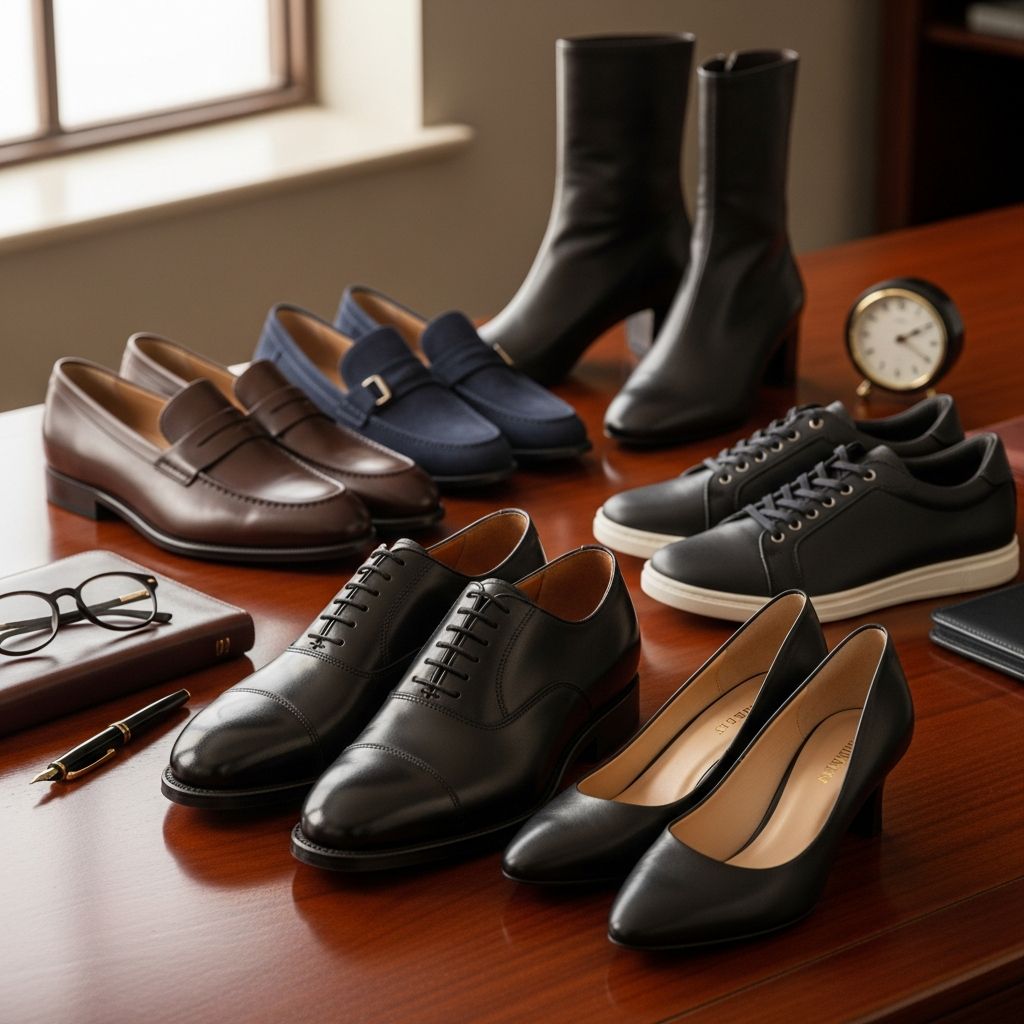
Building Your Professional Shoe Foundation
Your footwear choices communicate volumes about your professionalism, attention to detail, and understanding of workplace norms. Whether you’re navigating a corporate tower, a creative agency, or a tech startup, the shoes you wear serve as an essential component of your professional presentation. The right pair can boost your confidence during important meetings, while the wrong choice might undermine an otherwise polished appearance.
Selecting appropriate work shoes extends beyond aesthetics. Your feet carry you through countless hours of standing, walking, and moving between meetings. Prioritizing both style and comfort ensures you remain productive and confident throughout your workday. This guide explores how to evaluate your workplace environment, understand dress code expectations, and build a versatile shoe collection that supports your career goals.
Understanding Your Workplace Culture Through Footwear
Every workplace operates within its own cultural framework, and footwear expectations are a reflection of that culture. Before investing in professional shoes, take time to observe what your colleagues wear and understand the implicit dress code standards in your environment.
Formal Corporate Environments
Traditional corporate settings maintain higher formality standards in all aspects of appearance, including footwear. In these environments, polished leather shoes in neutral tones are expected. For men, black or dark brown oxfords with a clean, structured appearance are the professional standard. Women typically opt for closed-toe pumps with modest heel heights, ensuring both elegance and stability.
Formal corporate dress codes leave little room for creative interpretation. The focus remains on demonstrating respect for organizational traditions and client-facing professionalism. Your shoe choice should reflect reliability and adherence to established standards.
Business Casual Settings
Many modern workplaces have embraced business casual dress codes, offering greater flexibility while maintaining professional standards. This environment welcomes a broader range of shoe styles, including loafers, Chelsea boots, monk strap shoes, and dress boots.
Business casual represents a balance point—casual enough to feel comfortable and contemporary, yet formal enough to project professionalism. Your shoe choices in this environment should reflect thoughtful style decisions rather than strict adherence to rigid rules. Earth tones, navy, and black remain reliable choices, but burgundy or forest green can add subtle personality without crossing into inappropriate territory.
Creative and Technology Industries
Creative fields and technology companies often embrace more relaxed dress codes that prioritize comfort and individual expression. In these environments, modern loafers, stylish dress boots, and even minimalist sneaker-inspired designs can be entirely appropriate.
However, “relaxed” does not mean careless. Even in casual industries, your shoes should appear clean, well-maintained, and intentional. The distinction lies in the freedom to prioritize comfort and personal style while still maintaining professional standards. This flexibility allows your footwear choices to reflect industry innovation and creative thinking.
Evaluating Shoe Styles for Professional Settings
Understanding different shoe categories helps you make informed decisions aligned with your workplace environment.
Classic Dress Shoes
Oxford shoes and Derby shoes form the foundation of professional footwear collections. These designs have remained relevant across decades because they successfully balance timeless elegance with versatility.
Cap-toe Oxfords represent the most conservative choice—a simple horizontal line across the toe box creates subtle visual interest without ornamentation. This style works seamlessly in formal corporate environments and pairs well with both suits and business casual outfits. For women, classic leather pumps with 2-3 inch heels offer similar versatility while providing a distinctly feminine silhouette.
Loafers and Slip-On Options
Loafers bridge the gap between formal and casual, making them exceptionally valuable in business casual environments. Leather loafers in neutral tones can transition from morning presentations to lunch meetings to afternoon strategy sessions without appearing out of place.
Romeo work shoes, characterized by elastic sides that allow easy on-and-off access, provide additional comfort without sacrificing professionalism. These designs are particularly valuable for those who spend significant time sitting and standing throughout the day, as the slip-on feature reduces physical strain while maintaining appearance standards.
Boots as Professional Footwear
Chelsea boots and Chukka boots have gained acceptance in modern professional settings, particularly in business casual and creative environments.
Chelsea boots offer clean lines and a polished appearance while providing additional ankle support and stability. Chukka boots, typically in leather with minimal embellishment, work well for environments that value both comfort and understated style. Ankle boots for women provide similar versatility, working with dresses, pants, and skirts across seasons.
Material Quality and Durability Considerations
Professional shoes represent a significant wardrobe investment. Understanding materials helps you maximize durability and maintain appearance over time.
| Material Type | Characteristics | Best For | Maintenance |
|---|---|---|---|
| Full-Grain Leather | Premium quality, natural aging, highly durable | Formal corporate environments, heirloom pieces | Regular conditioning and polishing |
| Nubuck Leather | Velvet-like finish, exceptional waterproofing, softer feel | Professional settings in wet climates, year-round wear | Specialized brushing, protection treatments |
| Leather with Synthetic Blend | Balanced durability, improved flexibility, easier care | Business casual environments, daily wear | Standard cleaning and polishing |
| Polyurethane Outsoles | Wear-resistant, slip-resistant, compressible comfort | All professional environments, long standing days | Regular cleaning with damp cloth |
Full-grain leather represents the highest quality option, developing character and patina over years of wear. However, quality doesn’t require premium pricing. Leather and synthetic blends offer excellent durability and professional appearance while remaining accessible for most budgets.
Comfort as a Professional Priority
Uncomfortable shoes undermine performance, regardless of their appearance. Professional success depends on your ability to focus on your work rather than foot pain.
Heel Height and Arch Support
For women, heel heights should be limited to 2-3 inches maximum during interview situations and regular office wear. Beyond personal preference, this consideration reflects practical workplace reality. Lower heels maintain stability during movement, reduce foot fatigue during extended standing, and minimize strain on the lower back and knees.
Both men and women should prioritize arch support in their professional shoe selections. Contoured insoles and proper cushioning transform your daily experience, particularly for those spending eight or more hours on their feet. Brands specifically engineered with occupational demands in mind often provide superior support compared to purely decorative dress shoes.
Fit and Sizing Accuracy
Professional shoes should fit comfortably from the first wear. Allow no more than a half-inch of space at the heel and no pinching across the toe box. Proper fit eliminates the need for painful break-in periods and reduces blister formation. If you experience discomfort within the first few wearings, the shoes aren’t right for you—no matter how attractive they appear.
Color Selection Strategy
Color choices reflect your understanding of professional norms while influencing how your outfit coordinates and functions across multiple contexts.
Neutral Foundation Colors
Black, dark brown, and navy form the neutral foundation that works across virtually all professional environments. These colors remain hidden beneath most outfits while providing versatility that extends your wardrobe’s overall functionality. A single pair of black leather pumps or oxfords works with business suits, business casual dress pants, professional dresses, and skirts.
Expanding Your Professional Palette
Once you’ve established neutral foundations, consider expanding your collection with strategic color additions. Beige, burgundy, and forest green work in business casual environments while maintaining professionalism. These colors add visual interest to your daily appearance while remaining sophisticated and workplace-appropriate.
Industry-Specific Considerations
| Industry Type | Recommended Styles | Colors to Choose | Styles to Avoid |
|---|---|---|---|
| Finance & Law | Polished oxfords, classic pumps, derby shoes | Black, dark brown, navy | Bright colors, casual sneakers, worn finishes |
| Technology | Minimalist designs, modern loafers, clean dress boots | Black, white, neutral earth tones | Overly formal wingtips, anything damaged or stained |
| Creative Industries | Stylish flats, statement boots, contemporary loafers | Varied palette including jewel tones | Overly conservative styles, visibly worn shoes |
| Healthcare | Closed-toe flats, professional clogs, supportive nursing shoes | White, black, neutral colors | Open-toed designs, high heels, impractical styles |
Maintenance and Longevity Practices
Professional shoes represent ongoing investment in your career image. Proper maintenance extends their lifespan and preserves their professional appearance.
Establish a regular cleaning routine, removing dirt and debris after each wearing. Leather shoes benefit from occasional conditioning to maintain suppleness and prevent cracking. Polishing maintains a professional appearance while protecting the material surface. Store your professional shoes in a cool, dry location with shoe trees to maintain shape and prevent creasing.
Rotate between multiple pairs rather than wearing the same shoes daily. This practice allows materials to breathe and maintain their structural integrity. Professional shoes with quality construction can provide years of reliable service with consistent, thoughtful care.
Building Your Professional Shoe Wardrobe
Strategic purchases create maximum versatility within your budget and workplace requirements.
Essential Foundation Pairs
Begin with two foundational pairs: one black leather shoe and one in dark brown or navy. These colors work across seasons and coordinate with nearly every professional outfit. For women, this typically means one pair of polished pumps or professional flats in black and one alternative style in a second neutral color. For men, a classic oxford in black and a complementary loafer or oxford in brown or navy establishes core professional functionality.
Seasonal and Role-Specific Additions
After establishing foundations, add pieces aligned with your specific role and climate. Women in presentation-heavy roles might add a second neutral pump in a higher quality material. Those in tech industries might add a modern loafer or minimalist design. Northern climates benefit from professional boots that maintain appearance while providing winter weather protection.
Interview Preparation Footwear Guidance
Interview situations demand particularly thoughtful shoe selections, as first impressions significantly influence hiring decisions.
Match your interview shoe selection to the company’s industry and culture. Research the organization’s typical dress code through their website, social media, or by contacting the recruiting department. When in doubt, lean slightly more formal than your research suggests—it’s easier to appear overdressed in professional footwear than underdressed.
Ensure your interview shoes are thoroughly cleaned and polished before the interview date. Check heels for wear, polish leather surfaces, and address any visible damage. Worn or damaged shoes immediately undermine an otherwise professional presentation, signaling carelessness about details.
Common Professional Footwear Mistakes to Avoid
Understanding frequent missteps helps you avoid appearance-based career obstacles. Avoid sneakers and athletic shoes in formal or business casual environments unless your workplace explicitly permits them. Flashy colors, animal prints, and bold patterns typically conflict with professional presentation standards. Sandals, open-toed shoes, and visible damage communicate carelessness rather than professionalism. Extremely high heels create stability concerns and signal priorities misaligned with professional contexts.
Frequently Asked Questions
Q: What’s the ideal heel height for professional women’s footwear?
A: Heel heights of 2-3 inches balance professional appearance with practical comfort and stability. This range works for most office environments while minimizing foot strain during extended wear. Lower heels are perfectly appropriate and increasingly recognized as more practical for full workdays.
Q: Can I wear the same shoes every day to work?
A: While possible, rotating between multiple pairs extends shoe lifespan significantly. Wearing the same shoes daily prevents materials from drying and recovering, accelerating wear patterns. Rotating your professional shoes maintains their appearance and structural integrity far longer than daily consistent wear.
Q: How do I transition from formal to business casual dress codes?
A: Focus on adding loafers, Chelsea boots, and monk strap styles to your existing formal footwear collection. These styles bridge formal and casual while maintaining professionalism. Your existing black and dark brown formal shoes remain appropriate in business casual environments as foundational pieces.
Q: Are sneakers ever appropriate professional footwear?
A: In tech companies and creative industries with explicitly casual dress codes, minimalist sneaker designs can be appropriate. However, sneakers should appear intentionally styled rather than accidentally casual. Ensure they’re clean, in neutral colors, and chosen deliberately as part of your professional presentation.
Q: What’s the best way to maintain leather professional shoes?
A: Regular cleaning removes dirt and debris after each wearing. Leather conditioning prevents cracking and maintains suppleness quarterly. Professional polishing maintains appearance while protecting the material surface. Store with shoe trees in a cool, dry location to maintain shape and prevent permanent creasing.
References
- Professional Interview Shoes Guide 2025 — Scale.jobs. 2025. https://scale.jobs/blog/professional-interview-shoes-guide-2025
- How to Choose Work Shoes — WorkBoots.com. https://workboots.com/tradecraft/how-to-choose-work-shoes
- Footwear Essentials: The Ultimate Guide to Choosing the Right Workplace Office Shoes — Hollo Shoe. https://holloshoe.com/blogs/holloshoe-blog/footwear-essentials-the-ultimate-guide-to-choosing-the-right-workplace-office-shoes
- A Guide to Professional Shoes, Arch Support & Foot Health — The Good Feet Store. https://www.goodfeet.com/community-footsteps/articles/workplace-shoes
- The Guide to Business Casual Shoes — CHARLES & KEITH. https://www.charleskeith.com/us/guides/business-casual-shoes.html
- 9 Types Of Office Wear Shoes Every Woman Should Own — Dream Pairs. https://www.dreampairs.com/blogs/news/the-best-office-wear-shoes-every-woman-should-own
- A Guide to Men’s Dress Shoes — Articles of Style. https://articlesofstyle.com/blogs/news/a-guide-to-mens-dress-shoes

Medha Deb is an editor with a master's degree in Applied Linguistics from the University of Hyderabad. She believes that her qualification has helped her develop a deep understanding of language and its application in various contexts. Medha specializes in the areas of beauty, health, sports, and wellness and is committed to ensuring that the content on the website is…