
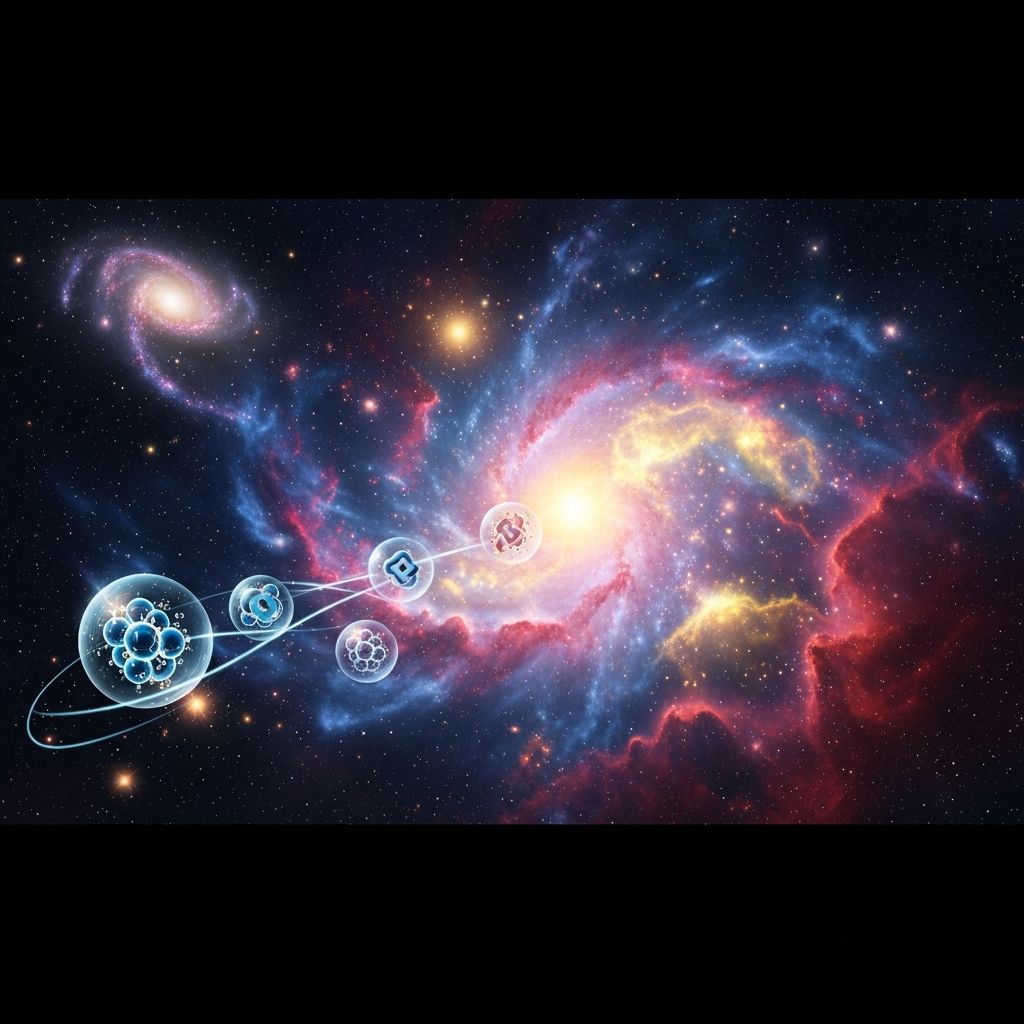
The quest to identify the **first known chemical elements** takes us back to the dawn of human civilization. These substances, recognized through practical use long before the scientific method formalized chemistry, laid the groundwork for metallurgy, medicine, and technology. While modern chemistry defines elements as pure substances that cannot be broken down further, ancient peoples encountered them in native forms or simple compounds, harnessing their properties without grasping their atomic nature.
Prehistoric Encounters: Elements Before Recorded History
Human interaction with elements predates writing systems, with archaeological evidence revealing their roles in early tools and adornments. The timeline begins around **9000 BCE**, when communities in the Fertile Crescent began working with native metals found in nature.
- Copper (Cu): Dated to 9000 BCE, copper marks the earliest documented element use. Artifacts from this era, such as beads and tools from the Middle East, demonstrate smelting techniques applied to copper ores. Its malleability allowed for the creation of jewelry and rudimentary implements, sparking the Chalcolithic Age.
- Carbon (C): Evidence from 26,000 BCE shows charcoal use in cave paintings, like those at Gabarnmung in Australia. By 2500 BCE, diamonds were valued, though their elemental identity was unknown until Antoine Lavoisier’s 18th-century analyses proved charcoal, graphite, and diamonds share the same composition.
These discoveries were empirical, driven by fire and observation rather than theory. Carbon’s versatility in fuel and pigments, combined with copper’s ductility, propelled early technological leaps.
Ancient Civilizations and Metallic Marvels
By 7000–3000 BCE, Mesopotamian, Egyptian, and Sumerian societies expanded their elemental repertoire. Metals like lead, gold, silver, tin, iron, and antimony entered use, often sourced from ores and purified through basic refining.
| Element | Approx. Discovery Date | Key Ancient Use | Region |
|---|---|---|---|
| Lead (Pb) | 7000 BCE | Pigments, weights | Middle East |
| Gold (Au) | 6000 BCE | Jewelry, currency | Egypt, Mesopotamia |
| Silver (Ag) | 5000 BCE | Ornaments, trade | Anatolia |
| Tin (Sn) | 3500 BCE | Bronze alloying | Europe, Asia |
| Iron (Fe) | 5000 BCE (meteoric) | Weapons, tools | Egypt |
| Antimony (Sb) | 3000 BCE | Cosmetics, alloys | Sumeria |
This table highlights how these elements fueled the Bronze Age. Sumerians crafted antimony vases around 3000 BCE, while Egyptians forged iron beads from meteorites as early as 3200 BCE. Gold and silver’s resistance to corrosion made them ideal for eternal artifacts, symbolizing wealth and divinity.
Arab alchemist Jabir ibn Hayyan isolated arsenic and antimony around 800 BCE, refining techniques that bridged antiquity and medieval chemistry. These metals not only advanced craftsmanship but also early medicine, with lead used in cosmetics despite toxicity.
The Bridge to Scientific Discovery: Post-Antiquity Breakthroughs
The transition from empirical use to chemical isolation occurred in the 17th century, as alchemy evolved into proto-chemistry. **Phosphorus (P)**, discovered in 1669 by Hennig Brand, was the first element identified through deliberate experimentation rather than natural occurrence.
Brand, a German alchemist in Hamburg, distilled urine in pursuit of the philosopher’s stone. The process yielded a waxy, glowing substance that ignited spontaneously—phosphorus, from Greek for “light-bearer.” Urine’s phosphate content, derived from metabolism, provided the raw material. This serendipitous find illuminated chemistry’s potential, though Brand kept it secret initially.
Subsequent discoveries built on this. Robert Boyle produced hydrogen in 1671 by reacting iron with acid, distinguishing it as the first elemental gas, though named later by Lavoisier. Silicon’s recognition as an element stemmed from 1739 analyses by Johann Heinrich Pott, with Jöns Jacob Berzelius isolating it in 1823.
Key Milestones in Early Element Isolation
- Aluminium (Al): Known in compounds since prehistoric times via alum, impure metal isolated by Hans Christian Ørsted in 1825, pure form by Friedrich Wöhler in 1827. Its lightness revolutionized later industries.
- Yttrium (Y): Identified in 1794 by Johan Gadolin from a Finnish mineral, isolated by Wöhler in 1828.
- Antoine Lavoisier’s Contributions (1789): Listed 33 elements, grouping them into gases, metals, nonmetals, and earths, formalizing elemental theory.
These isolations required advanced techniques like electrolysis and reduction, marking chemistry’s maturation.
Impacts on Human Progress
The first elements transformed societies. Copper and tin birthed bronze weaponry, enabling empires. Gold standardized trade, while carbon’s combustion powered forges. Phosphorus advanced matches and fertilizers, indirectly feeding billions.
In medicine, silver’s antimicrobial properties treated wounds in antiquity. Iron tools boosted agriculture, sustaining populations. These foundational substances underscore chemistry’s role in evolution from hunter-gatherers to industrialists.
Challenges in Pinpointing ‘First’ Discoveries
Defining the “first” element is nuanced. Prehistoric uses lack documentation, relying on artifacts. Chemical discoveries post-1669 offer clearer credits, but ancient ones blend utility with elemental purity. Conflicting dates—e.g., iron from 5000 BCE meteoric vs. smelted 1200 BCE—highlight interpretive variances.
Authoritative sources like the National Nuclear Data Center prioritize isolation dates, favoring recency for synthetic elements but antiquity for natives.
Modern Perspectives on Ancient Elements
Today, with 118 known elements, we revisit origins via spectroscopy and genomics. Copper’s role in enzymes links back to 9000 BCE ores. Phosphorus cycles sustain life, echoing Brand’s urine experiments. The periodic table, envisioned by Mendeleev in 1869, contextualizes these pioneers.
Understanding these histories informs sustainable mining and nanotechnology, where ancient properties yield new applications like gold nanoparticles in cancer therapy.
Frequently Asked Questions (FAQs)
What is the oldest known element used by humans?
Copper, with artifacts dating to 9000 BCE, is considered the first due to its native form and early smelting.
Who discovered phosphorus, and how?
Hennig Brand isolated it in 1669 by distilling urine while seeking the philosopher’s stone.
Were ancient people aware elements were distinct substances?
No, they used them practically; atomic theory emerged with Democritus (c. 400 BCE) and formalized by Lavoisier.
How many elements were known in antiquity?
About 10–12, including copper, gold, silver, iron, tin, lead, carbon, sulfur, mercury, and antimony.
Why is phosphorus significant in element history?
As the first chemically discovered post-antiquity element, it bridged alchemy and modern chemistry.
References
- Timeline of element discoveries — Periodic Table One. Accessed 2026. https://www.periodictable.one/history/timeline
- What Was the First Element Discovered, and When? [Timeline] — Alan’s Factory Outlet. Accessed 2026. https://alansfactoryoutlet.com/infographics/what-was-the-first-element-discovered-and-when-timeline/
- History of the Origin of the Chemical Elements and Their Discoverers — National Nuclear Data Center, Brookhaven National Laboratory (.gov). Accessed 2026. https://www.nndc.bnl.gov/content/elements.html
- Timeline of chemical element discoveries — Wikipedia (informed by primary sources). Accessed 2026. https://en.wikipedia.org/wiki/Timeline_of_chemical_element_discoveries
- History of discovery | International Year of the Periodic Table 2019 — Universidade NOVA de Lisboa (.pt academic). Accessed 2026. https://eventos.fct.unl.pt/international-year-periodic-table-2019/pages/periodic-table-history-discovery

- Integrated M.A. in Applied Linguistics, University of Hyderabad
- 5+ years in editorial, instructional, SEO, and research-based writing
Sneha is a relationships and lifestyle writer with a strong foundation in applied linguistics and certified training in relationship coaching. She brings over five years of writing experience to theskillvault, crafting thoughtful, research-driven content that empowers readers to build healthier relationships, boost emotional well-being, and embrace holistic living. Her writing and insights reflect the belief that beauty, happiness, and wellness…