
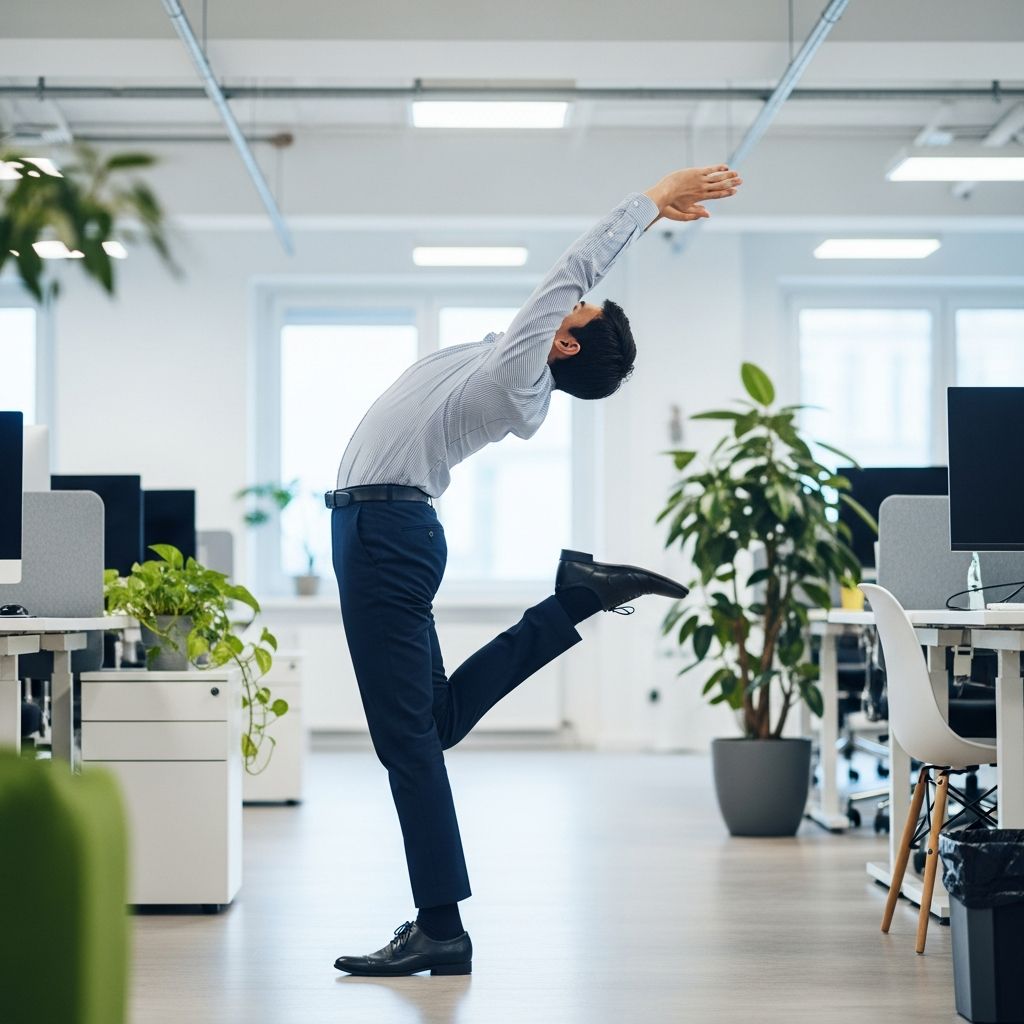
The Case for Active Work Environments
The modern workplace culture has normalized extended periods of sedentary behavior, with many professionals spending eight or more consecutive hours seated at desks. This lifestyle pattern has become increasingly recognized as detrimental to long-term health outcomes. Extensive research demonstrates that prolonged sitting elevates risks for cardiovascular disease, metabolic disorders, and mental health challenges. However, a growing body of scientific evidence suggests that even modest amounts of movement integrated throughout the workday can substantially mitigate these risks.
The shift toward active work environments represents a practical solution to this modern health dilemma. Rather than viewing movement and professional productivity as competing priorities, contemporary research indicates they can work synergistically. Employees who incorporate regular walking breaks and active workstations report improved mood, enhanced mental clarity, and better stress management—all while maintaining or even improving their work output.
Understanding the Physiology of Movement at Work
When you transition from sitting to walking, your body undergoes several immediate physiological changes. Blood circulation increases, oxygen delivery to your brain improves, and your muscles begin utilizing glucose more efficiently. These changes occur rapidly—research indicates that even brief walking intervals can trigger measurable metabolic improvements.
One of the most significant discoveries from recent research involves blood sugar regulation. A Columbia University study examining the optimal movement frequency during work found that just five minutes of walking every thirty minutes produced remarkable results. This modest intervention reduced blood sugar spikes following meals by approximately 58 percent compared to remaining sedentary throughout the day. Additionally, this walking schedule lowered blood pressure by 4 to 5 millimeters of mercury—a reduction comparable to sustained daily exercise over six months.
The cardiovascular benefits extend beyond simple blood pressure reduction. Regular movement breaks enhance circulation, improve cholesterol profiles, and reduce inflammation markers associated with chronic disease. For individuals managing obesity or metabolic concerns, the caloric expenditure from even slow-paced walking accumulates meaningfully over time, with research showing that individuals at 1 mile per hour burn approximately 100 additional calories hourly.
Cognitive and Creative Enhancement Through Walking
A foundational 2014 Stanford study revealed that participants who walked produced significantly more original ideas than their seated counterparts—with creative output increasing by over 80 percent. This finding has remained robust across subsequent research, with a 2024 comprehensive review of multiple experiments confirming that low-intensity, natural walking reliably enhances originality and divergent thinking. Remarkably, these cognitive enhancements appeared within minutes of beginning to walk.
The mechanism underlying this creativity boost involves the interplay between physical movement and neural activation patterns. Walking, particularly in natural outdoor settings, stimulates multiple cognitive functions simultaneously. Problem-solving capacity, innovation potential, and ideation fluency all demonstrate measurable improvements during and after walking periods.
For workplace teams, collaborative walking meetings offer additional cognitive advantages. A 2022 study examining walking meetings among university professionals found that participants reported enhanced creative thinking alongside improved relaxation and reduced social isolation. The research specifically identified natural, quiet environments free from traffic as particularly conducive to productive creative discussions during walking meetings.
Mental Health and Emotional Well-being Benefits
Beyond cognitive performance, the emotional and psychological benefits of workplace movement are substantial. Exercise triggers the release of endorphins—neurochemicals that naturally elevate mood and reduce anxiety. Employees who incorporate walking breaks frequently report improved emotional resilience and better capacity to manage workplace stress.
A 2021 study tracking employees experiencing stress-related challenges found that those participating in periodic walk-and-talk coaching in natural settings reported nearly twice as many positive changes in mental health, job satisfaction, and self-esteem compared to control groups. These improvements proved lasting rather than temporary, suggesting that regular walking integration creates sustained psychological benefits.
The impact on fatigue and energy levels deserves particular attention. Many professionals experience afternoon energy crashes following prolonged sitting, leading to reduced productivity and motivation. Walking breaks—even brief ones—combat this natural fatigue cycle by activating the central nervous system and improving oxygen circulation. Employees incorporating regular walking intervals report sustained energy throughout the day and reduced reliance on caffeine stimulation.
Optimal Movement Patterns for Maximum Benefit
Finding the Right Frequency and Duration
Research provides clear guidance regarding effective movement patterns. The Columbia University investigation comparing various walking schedules identified five minutes of walking every thirty minutes as optimally effective. This frequency proved superior to one-minute walks every hour or less frequent movement intervals. The key insight involves distributing movement throughout the workday rather than consolidating activity into single sessions.
The World Health Organization has evolved its recommendations to embrace “every move counts” philosophy, recognizing that movement duration no longer requires rigid ten-minute minimum bouts. Short, frequent walking breaks throughout the day produce superior health outcomes compared to single consolidated exercise periods. This finding proves particularly important for office workers who struggle to schedule longer exercise sessions during demanding workdays.
Types of Active Workstations
Several equipment options enable workplace movement integration:
- Treadmill desks: Enable continuous walking while working, allowing tasks to continue during movement
- Walking pads: Provide a compact alternative to full treadmill desks, suitable for smaller workspaces
- Standing desks: Eliminate sitting but require separate walking breaks
- Pedal desks: Offer lower-body movement while seated at workstations
- Stepper platforms: Provide variable-intensity movement options
Addressing Common Concerns About Workplace Walking
Does Movement Impact Work Quality?
A significant concern for many professionals and employers involves potential productivity reduction when incorporating walking. Research directly addresses this concern with reassuring findings. Brigham Young University researchers discovered that workers using treadmill desks performed cognitive tasks nearly as effectively as their seated counterparts. More impressively, a University of Minnesota study found that work quality, mental performance, and time management all improved when employees increased their movement during work hours.
The initial adjustment period presents a temporary challenge. New treadmill desk users often experience slight performance dips during the first few sessions as their bodies adapt to the dual demands of walking and working. However, this learning curve resolves quickly, with most individuals reporting comfort and natural performance within several sessions.
Physical Strain and Musculoskeletal Health
A 2024 randomized controlled trial compared walking to office yoga for reducing musculoskeletal complaints. While both interventions demonstrated effectiveness, outdoor walking proved more effective at reducing complaint intensity. The critical advantage of walking involves accessibility—it requires no special training, equipment setup, or instructor expertise compared to structured yoga sessions, making it a practical solution for workplace musculoskeletal issues related to prolonged sitting.
Implementing Walking Integration at Your Workplace
Starting Small and Building Consistency
Successful workplace movement integration begins with modest, achievable targets. Rather than attempting dramatic changes, consider initiating a simple five-minute walking break every hour. This minimal intervention provides measurable health benefits while requiring minimal schedule disruption. Gradually increasing frequency and duration allows your body and work routine to adapt naturally.
Creating an Organizational Culture of Movement
Organizations support workplace movement through multiple strategies:
- Providing walking meeting spaces, preferably outdoors or in quiet indoor environments
- Installing active workstations for interested employees
- Scheduling walking breaks into team meetings
- Encouraging stairwell use through prominent signage
- Creating walking groups for social accountability
- Establishing wellness programs recognizing movement achievements
The Role of Environment in Movement Success
Location significantly influences both the appeal and effectiveness of workplace walking. Research consistently identifies natural, traffic-free environments as optimal for walking meetings and breaks. Outdoor spaces with greenery provide additional psychological benefits beyond simple movement, reducing stress and enhancing mood more substantially than indoor walking.
For organizations without immediate access to outdoor spaces, creating quiet interior walking routes represents a practical alternative. Some forward-thinking companies have developed climate-controlled hallways or dedicated walking pathways specifically designed to encourage employee movement while minimizing workplace disruptions.
Measuring Progress and Maintaining Motivation
Establishing metrics for workplace movement helps maintain motivation and demonstrates commitment to health improvements. Simple step counts, time spent walking, or frequency of active breaks provide tangible measures of progress. Many employees find that tracking these metrics creates positive feedback loops—as they observe measurable improvements in mood, energy, and work performance, motivation to continue walking integration strengthens naturally.
Frequently Asked Questions
How quickly will I notice health improvements from workplace walking?
Mood and energy benefits often appear within the first week of implementing regular walking breaks. Physiological changes in blood sugar regulation and cardiovascular markers typically become measurable within two to four weeks with consistent practice. Mental health benefits such as reduced stress and improved job satisfaction accumulate over longer timeframes but show meaningful improvement within one to two months.
Can I use a treadmill desk while performing complex work tasks?
Research indicates that cognitive performance remains nearly equivalent to seated work, though the initial adjustment period may involve temporary performance dips. Tasks requiring intense concentration or fine motor control may prove more challenging initially, but most professionals adapt successfully within several sessions. Many find that routine administrative tasks, email management, and telephone conversations integrate seamlessly with treadmill desk work.
What if my workplace doesn’t provide active workstations?
You can independently implement movement breaks without special equipment. Simple five-minute walking intervals every thirty minutes provide substantial health benefits. Walking meetings, stairwell use, and structured breaks during the workday all contribute meaningfully to health improvement.
Will walking at work interfere with my professional appearance or credibility?
Modern workplace culture increasingly recognizes wellness initiatives as professional strengths rather than distractions. Many organizations now view active workstations and walking meetings as signs of proactive health management and innovative thinking. Beginning with walking meetings in professional contexts helps normalize this practice within your workplace culture.
How much weight can I realistically lose through workplace walking?
Weight loss depends on numerous factors including duration, intensity, and overall dietary patterns. Research shows individuals with obesity who incorporated treadmill desk walking increased daily steps by 1,600 to 4,500 steps, resulting in measurable weight loss over sustained periods. While workplace walking alone rarely produces dramatic weight loss, combined with consistent practice it contributes meaningfully to weight management and metabolic health.
References
- What Research Says About the Benefits of Walking at Work — Psychology Today. 2025-06. https://www.psychologytoday.com/us/blog/tracking-wonder/202506/what-research-says-about-the-benefits-of-walking-at-work
- Rx for Prolonged Sitting: A Five-Minute Stroll Every Half Hour — Columbia University Medical Center. 2023. https://www.cuimc.columbia.edu/news/rx-prolonged-sitting-five-minute-stroll-every-half-hour
- Mayo Clinic study finds active workstations may improve cognitive performance — Mayo Clinic News Network. 2024. https://newsnetwork.mayoclinic.org/discussion/mayo-clinic-study-finds-active-workstations-may-improve-cognitive-performance/
- A Simple Change to Your Standing Desk Could Make Workdays Healthier — ScienceAlert. 2024. https://www.sciencealert.com/a-simple-change-to-your-standing-desk-could-make-workdays-healthier
- People on treadmill desks perform tasks nearly as well as those sitting — Brigham Young University Life Sciences. 2024. https://lifesciences.byu.edu/people-on-treadmill-desks-perform-tasks-nearly-as-well-as-those-sitting
- The Health Benefits of Walking Pads and Other Active Workstations — Baptist Health. 2024. https://www.baptisthealth.com/blog/health-and-wellness/health-benefits-of-walking-pads
- It’s Been a Game Changer: Examining Treadmill Desk Use When Working Remotely — National Center for Biotechnology Information (NCBI). 2023. https://pmc.ncbi.nlm.nih.gov/articles/PMC9883822/

- Integrated M.A. in Applied Linguistics, University of Hyderabad
- 5+ years in editorial, instructional, SEO, and research-based writing
Sneha is a relationships and lifestyle writer with a strong foundation in applied linguistics and certified training in relationship coaching. She brings over five years of writing experience to theskillvault, crafting thoughtful, research-driven content that empowers readers to build healthier relationships, boost emotional well-being, and embrace holistic living. Her writing and insights reflect the belief that beauty, happiness, and wellness…