
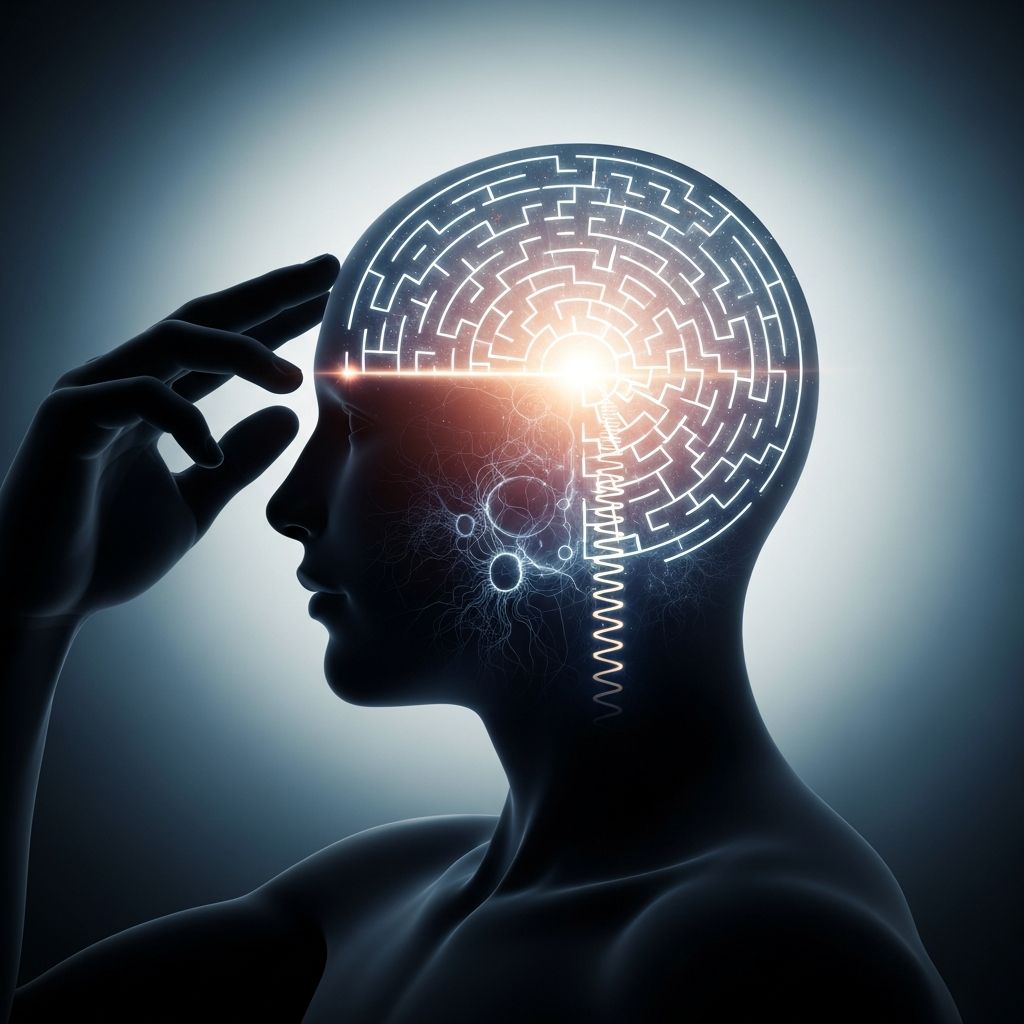
The Science of Motivation: Beyond Basic Drives
Motivation represents the fundamental force that energizes human behavior toward meaningful goals. Whether pursuing professional achievements, personal growth, or everyday tasks, understanding the mechanics of motivation provides insight into why some individuals thrive while others struggle to initiate action. The study of motivation bridges neurobiology, psychology, and behavioral science, revealing that what propels us forward is far more nuanced than simple reward-seeking or punishment-avoidance.
At its core, motivation functions as an internal or external catalyst that transforms intention into purposeful action. The field of motivational psychology has evolved significantly over decades, moving from simplistic models focused solely on external incentives to comprehensive frameworks acknowledging the intricate interplay between biological drives, psychological needs, cognitive beliefs, and environmental contexts.
Foundational Theories Explaining Human Motivation
Psychologists have developed multiple theoretical frameworks to explain why people behave as they do. These theories form the backbone of contemporary understanding about what drives human effort and persistence.
Drive Theory and Biological Needs
One of the earliest systematic approaches to understanding motivation emerged through drive theory, which posits that deviations from internal equilibrium create physiological needs. When your body falls out of homeostatic balance—such as when blood sugar drops or physical energy depletes—corresponding drive states emerge, directing behavior to restore equilibrium. Hunger, thirst, and fatigue represent classic examples of this mechanism, where the body’s signals create psychological urgency to satisfy fundamental requirements. However, drive theory alone cannot account for human behaviors that serve no immediate biological purpose, such as artistic expression, intellectual curiosity, or social connection.
Maslow’s Hierarchical Framework
Abraham Maslow revolutionized motivational thinking by proposing that human needs exist in hierarchical levels. Rather than treating all motivations equally, Maslow suggested that individuals prioritize lower-level needs before pursuing higher aspirations. This framework begins with physiological necessities—food, water, shelter—progresses through safety and security concerns, advances to love and belonging, encompasses esteem and recognition, and culminates in self-actualization. This model remains influential because it acknowledges that motivation shifts across lifespan and circumstances, with individuals dynamically adjusting their priorities based on what they already possess.
Self-Determination Theory: The Foundation of Autonomy
Contemporary research increasingly recognizes self-determination theory (SDT) as a transformative lens for understanding human motivation. Developed by researchers studying human nature and intrinsic motivation, SDT identifies three fundamental psychological needs driving human behavior: autonomy, competence, and relatedness. Unlike external reward systems that may temporarily increase performance, these intrinsic needs foster sustained engagement and psychological well-being. Evidence indicates that when individuals experience autonomy—genuine choice in their actions—competence—mastery and skill development—and relatedness—connection with others—they demonstrate superior outcomes across education, organizational performance, health behaviors, and personal fulfillment.
Expectancy Theory: When Belief Generates Action
Victor Vroom’s expectancy theory illuminates how subjective beliefs about outcomes influence motivation. This framework identifies three critical components: valence, instrumentality, and expectancy. Valence refers to how much an individual values a potential outcome; instrumentality represents belief that effort will produce the promised result; expectancy encompasses confidence that performance will follow from effort. Essentially, people feel motivated when they genuinely value the goal and authentically believe their actions will successfully achieve it. This theory explains why individuals may lack motivation despite generous rewards—if they doubt their capacity to succeed or question whether success will actually produce the promised benefit, motivation remains dormant.
The Neurobiology of Motivation: Looking Inside the Brain
Beyond behavioral and psychological frameworks, motivation operates through sophisticated neurobiological systems. Motivational processes involve coordinated action of neurotransmitters, hormones, and peptides functioning within specific neural circuits that integrate multiple signals for complex decision-making. Understanding motivation requires acknowledging that the entire organism—molecules, cells, circuits, and the complete individual interacting with their environment—participates in generating motivated behavior.
Motivation demonstrates hierarchical organization within the brain, with general arousal factors like sleep-wake cycles affecting numerous motivational states, activation of specific motives like hunger or social needs triggering multiple possible actions, and situational factors determining specific behaviors within broader goal categories. This multi-level architecture explains why fatigue, circadian disruption, or hormonal imbalances can undermine motivation across all domains simultaneously, while targeted interventions addressing specific neurobiological systems may produce meaningful improvements.
Distinguishing Intrinsic from Extrinsic Motivation
A critical distinction in motivation psychology separates internal from external drivers. Intrinsic motivation emerges from within—the inherent satisfaction of pursuing an activity itself, intellectual curiosity, personal values, or mastery. Individuals intrinsically motivated toward creative writing, scientific research, or athletic training persist regardless of external recognition because the activity itself provides fulfillment.
Extrinsic motivation, by contrast, originates from external factors: financial compensation, competitive standing, social approval, or tangible rewards. While once considered inferior to intrinsic motivation, contemporary research reveals that extrinsic and intrinsic motivations can interact dynamically. When integrated thoughtfully—for instance, when external recognition supports autonomous choice rather than controlling behavior—extrinsic strategies can amplify sustained engagement and may even catalyze intrinsic motivation.
Workplace Motivation: What High Performers Reveal
Industrial-organizational psychologists have identified characteristic patterns among high-performing professionals that illuminate broader motivational principles. Research demonstrates that accomplished individuals typically blend intrinsic and extrinsic motivation sources rather than relying exclusively on one. Additionally, work environments substantially influence overall motivation—organizations cultivating autonomy, meaningful goal-setting, clear accountability, and strategic feedback foster superior performance levels.
The role of feedback, recognition, and rewards merits particular attention in organizational contexts. Effective feedback mechanisms amplify motivation while preserving employee autonomy and psychological safety. Gamification strategies show promise in supporting extrinsic motivation within organizational systems, while comprehensive approaches balancing multiple motivational sources prove more sustainable than single-method interventions.
Creating Optimal Motivational Environments
- Establishing transparent connections between effort and valued outcomes
- Providing regular, specific, constructive feedback rather than generic praise
- Offering meaningful autonomy within established boundaries and expectations
- Recognizing achievement publicly while respecting individual preferences
- Creating opportunities for skill development and career advancement
- Fostering collaborative team dynamics and social connection
- Aligning organizational goals with employee values when possible
Cultural and Individual Differences in Motivational Expression
Motivation manifests differently across cultural contexts and personality types. Individualistic societies often emphasize personal achievement, autonomy, and self-determined goals, whereas collectivist cultures prioritize group harmony, interdependence, and relational obligations. Applying universal motivational strategies without considering these cultural dimensions creates ineffectiveness and may even provoke resistance.
Similarly, personality differences substantially influence what motivates specific individuals. Strategies producing remarkable improvements in some people may prove ineffectual for others, even accounting for cultural background. Successful motivation approaches consider personality characteristics—whether individuals prefer structure or flexibility, competition or cooperation, recognition or privacy—and tailor strategies accordingly rather than implementing one-size-fits-all programs.
Barriers to Sustained Motivation and Practical Solutions
Understanding common obstacles to motivation enables more effective intervention. Several predictable challenges disrupt sustained goal pursuit:
Motivation Fade and Habituation
Initial enthusiasm for goals frequently diminishes as novelty wears and routines become mundane. Addressing this involves strategically varying activities, celebrating incremental progress, and reconnecting with deeper purposes underlying surface goals.
Misalignment Between Values and Goals
When pursuing objectives conflicting with personal values or autonomy, motivation erodes quickly. Solutions include reassessing goal selection, identifying intrinsic elements within existing commitments, or explicitly choosing external rewards as acceptable trade-offs.
Insufficient Belief in Capability
Expectancy theory demonstrates that lacking confidence in personal ability undermines motivation regardless of goal value. Building capability through skill development, celebrating small victories, and seeking mentorship addresses this fundamental barrier.
Environmental and Systemic Obstacles
Sometimes external constraints—inadequate resources, unclear feedback, excessive pressure—depress motivation despite internal readiness. Identifying and addressing these systemic factors often produces disproportionate improvements.
Building Sustainable Motivation: Practical Implementation Strategies
Translating motivational psychology into daily practice requires deliberate approaches combining self-awareness with strategic action.
Clarify Personal Values and Authentic Goals
Motivation sustains most powerfully when connected to genuine personal values rather than externally imposed shoulds. Reflecting on what genuinely matters—what activities energize rather than deplete, what contributions feel meaningful—creates foundation for intrinsic motivation.
Establish Clear, Meaningful Connections
Making explicit links between daily efforts and valued outcomes strengthens motivation through expectancy mechanisms. Rather than vague aspirations, translate goals into specific milestones demonstrating progress and tangible outcomes resulting from sustained effort.
Cultivate Competence Through Deliberate Practice
Self-determination theory emphasizes competence as fundamental psychological need. Seeking opportunities for skill development, embracing challenging tasks as learning opportunities, and measuring progress objectively sustains motivation through demonstrated growth.
Foster Social Connection and Support Systems
The relatedness component of self-determination theory highlights that motivation thrives within supportive communities. Sharing goals with trusted individuals, participating in group activities aligned with aspirations, and receiving encouragement strengthens sustained engagement.
Implement Effective Feedback and Self-Monitoring
Regular, honest assessment of progress maintains motivation through multiple mechanisms: evidence of improvement boosts confidence in expectancy beliefs, accountability structures strengthen commitment, and adaptation opportunities prevent stagnation.
Motivation Across the Lifespan: Evolving Patterns
Motivational architecture changes substantially across different life stages. Adolescents navigate identity development alongside achievement demands; young adults typically experience peak performance motivation in competitive contexts; midlife often involves reassessing values and reorienting goals; and older adults frequently emphasize meaning and legacy over achievement metrics. Recognizing these developmental shifts prevents applying inappropriate motivational frameworks to different life periods.
Frequently Asked Questions
Q: Can motivation be permanently increased, or does it naturally fluctuate?
A: Motivation naturally fluctuates based on circumstances, energy levels, and progress toward goals. However, sustainable improvements emerge through aligning goals with genuine values, building environmental supports, and developing mastery through deliberate practice. The objective is cultivating resilience and recovery strategies rather than eliminating natural variation.
Q: Is external motivation always inferior to intrinsic motivation?
A: Contemporary research indicates that external and intrinsic motivations can complement each other when integrated thoughtfully. External rewards supporting autonomous choice and complementing intrinsic values can enhance sustained effort, whereas controlling external incentives may undermine long-term motivation.
Q: How do cultural differences affect motivational strategies?
A: Individualistic cultures often respond to strategies emphasizing personal achievement and autonomy, while collectivist cultures typically respond better to group-oriented approaches emphasizing relational harmony and interdependence. Effective motivation strategies account for these cultural frameworks rather than assuming universal approaches.
Q: Can motivation help overcome psychological barriers like anxiety or depression?
A: While motivation supports resilience and engagement, clinical conditions typically require professional intervention. However, motivation principles—such as pursuing meaningful activities, building competence, and cultivating social support—complement therapeutic approaches and contribute to recovery.
Q: What role does sleep and physical health play in motivation?
A: Sleep, nutrition, and physical health substantially influence motivation through multiple biological systems including circadian rhythms, neurotransmitter production, and hormonal regulation. Addressing foundational health significantly improves capacity for sustained, goal-directed effort.
References
- The Psychology of Motivation: What Drives Us to Succeed — University of Pennsylvania Learning, Professional & Student Services Online. January 2026. https://lpsonline.sas.upenn.edu/features/psychology-motivation-what-drives-us-succeed
- The Behavioral Neuroscience of Motivation — National Center for Biotechnology Information (NIH/PubMed Central). 2016. https://pmc.ncbi.nlm.nih.gov/articles/PMC4864984/
- Self-Determination Theory: A Quarter Century of Human Motivation Research — American Psychological Association. 2025. https://www.apa.org/research-practice/conduct-research/self-determination-theory
- Chapter 10: Emotion and Motivation – Psychological Science — Baylor University Open Books Library. 2023. https://openbooks.library.baylor.edu/psychscience/chapter/emotion-motivation/
- Motivation — Psychology Today. 2025. https://www.psychologytoday.com/us/basics/motivation

Medha Deb is an editor with a master's degree in Applied Linguistics from the University of Hyderabad. She believes that her qualification has helped her develop a deep understanding of language and its application in various contexts. Medha specializes in the areas of beauty, health, sports, and wellness and is committed to ensuring that the content on the website is…