
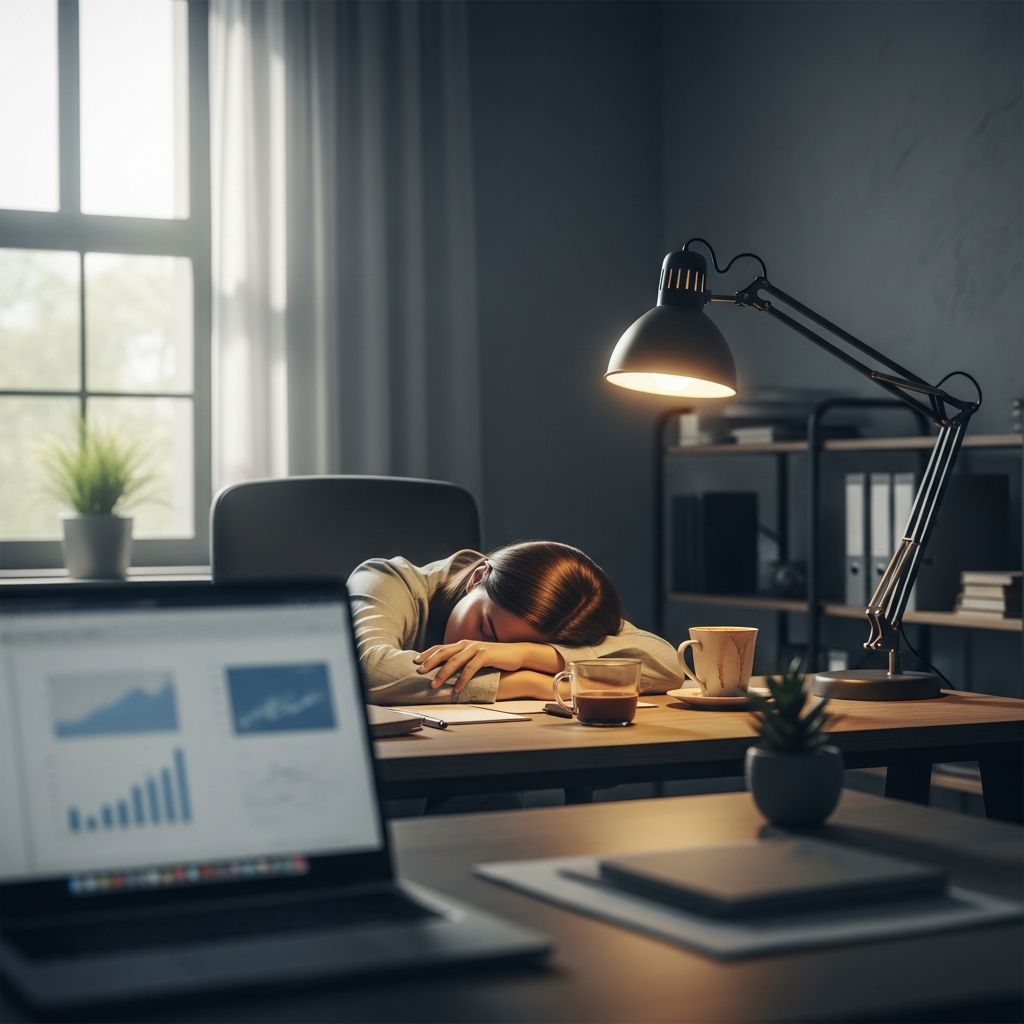
Strategic napping offers a simple yet powerful way to recharge during the day, leading to sharper focus, better decision-making, and higher output. Research shows that brief periods of rest can counteract midday fatigue, mimicking the restorative effects of nighttime sleep without disrupting evening routines.
The Science Behind Why Naps Work
Human circadian rhythms naturally dip in the early afternoon, causing dips in alertness and performance. Short naps counteract this by restoring cognitive resources, much like recharging a battery. Neuroscientists note that even 10-30 minutes of sleep enhances brain functions essential for work, including attention and problem-solving.
Studies demonstrate that naps improve memory consolidation, where the brain processes and strengthens information gathered earlier. This leads to better retention of facts, skills, and creative ideas. Unlike caffeine, naps address the root of fatigue by allowing light sleep stages that refresh neural pathways.
Optimal Nap Durations and Their Effects
Finding the right nap length is crucial to avoid grogginess known as sleep inertia. Here’s a breakdown:
- 10-20 minutes: Ideal for quick alertness boosts. Awakens you in light sleep, enhancing reaction time and vigilance without deep sleep commitment.
- 20-30 minutes: Balances energy restoration and creativity. MIT research found workers gained 2.3% productivity after such naps, plus better patience and savings habits.
- 90 minutes: Full sleep cycle for deep restoration, best when longer recovery is needed, but risks inertia if timed poorly.
Avoid naps over 30 minutes unless aiming for a full cycle, as partial deep sleep causes temporary disorientation.
Best Times to Nap for Maximum Impact
Timing aligns with natural energy lows. Meta-analyses reveal naps before 1 p.m. yield the strongest cognitive gains across alertness, memory, and executive functions. Post-lunch, around 1-3 p.m., is prime for most, countering the post-meal slump.
| Time Slot | Benefits | Best For |
|---|---|---|
| 1:00-2:00 PM | Peak alertness improvement | Cognitive tasks |
| 2:00-3:00 PM | Memory and creativity boost | Creative work |
| Avoid after 4:00 PM | Prevents night sleep disruption | All naps |
Early afternoon naps show benefits lasting up to two hours, independent of age or gender.
Proven Benefits of Napping at Work
Companies like Google and NASA endorse naps, providing dedicated spaces. Evidence supports this: short naps reduce errors, accidents, and fatigue while lifting mood and physical output.
- Cognitive Enhancement: Improves attention, memory, and executive function; one review found gains in addition, reasoning, and reaction time.
- Productivity Gains: MIT study: 30-minute naps raised data-entry output by 2.3% and well-being.
- Creativity and Learning: Naps process daily info, aiding problem-solving and motor skills like sports or instruments.
- Health Perks: Lowers stress, boosts heart health via stress recovery; frequent nappers show reduced coronary risk.
Half of U.S. adults sleep under seven hours nightly, amplifying nap value for focus and error reduction.
Setting Up Your Perfect Nap Environment
A conducive space maximizes nap quality. Key elements include:
- Darkness: Use eye masks or blackout curtains to signal sleep.
- Quiet: Earplugs or white noise machines block distractions.
- Comfort: Recliner or nap pod over flat desks for spine support.
- Cool Temperature: 60-67°F (15-19°C) promotes faster sleep onset.
Workplaces can install nap pods, as seen in innovative firms, yielding higher innovation.
Techniques to Fall Asleep Faster
Struggling to nod off? Try these:
- 4-7-8 Breathing: Inhale 4 seconds, hold 7, exhale 8; calms the nervous system.
- Progressive Muscle Relaxation: Tense and release muscle groups from toes to head.
- Visualization: Imagine a peaceful scene to quiet racing thoughts.
- Pre-Nap Ritual: Dim lights 10 minutes prior for melatonin cue.
Combine with avoiding screens; blue light delays sleep.
Common Nap Myths Debunked
Myth 1: Naps make you lazy. Reality: They enhance performance; sleep-deprived workers err more.
Myth 2: Only night sleep counts. Reality: Day naps complement, boosting total rest without night interference.
Myth 3: Naps suit lazy people. Reality: High-performers in demanding roles benefit most.
Implementing Naps in Busy Schedules
Start small: Schedule 20-minute slots via calendar. Inform teams to normalize it. Track via journal: note pre/post-nap focus levels. For shift workers, naps combat fatigue effectively.
Leaders: Offer break rooms; ROI includes fewer mistakes and higher retention.
Frequently Asked Questions (FAQs)
What if I can’t fall asleep during my nap time?
Resting quietly still benefits; even non-sleep rest restores energy. Aim for relaxation over forced sleep.
Will napping affect my nighttime sleep?
Short, early naps rarely do; keep under 30 minutes and before 3 p.m. to preserve night cycles.
Are naps suitable for everyone?
Most yes, but consult doctors for insomnia or sleep disorders. Benefits span ages.
How soon do nap benefits kick in?
Immediately for alertness; memory gains post-nap as brain consolidates.
Can naps replace full sleep?
No, they supplement. Prioritize 7-9 hours nightly for optimal health.
Long-Term Strategies for Nap Integration
Build habits: Pair naps with routines like post-lunch walks. Monitor sleep hygiene: consistent bedtimes amplify nap power. Organizations: Policy changes for nap breaks mirror successful models, fostering innovation.
Ultimately, embracing naps shifts from grinding through fatigue to sustainable high performance. Backed by NIH meta-analyses and MIT economics, this practice delivers measurable gains in any demanding environment.
References
- Why you should let your employees nap on the job — Business.com. 2023-08-29. https://www.business.com/articles/let-your-employees-nap/
- Effects of a Short Daytime Nap on the Cognitive Performance — PMC/NIH. 2021-10-06. https://pmc.ncbi.nlm.nih.gov/articles/PMC8507757/
- Short Naps At The Right Time Of Day Can Have Myriad Benefits — Texas A&M University Stories. 2023-08-29. https://stories.tamu.edu/news/2023/08/29/short-naps-at-the-right-time-of-day-can-have-myriad-benefits/
- Research proves it: Naps save you money — MIT Sloan. 2023-11-15. https://mitsloan.mit.edu/ideas-made-to-matter/research-proves-it-naps-save-you-money
- The power of napping: harnessing midday rest for enhanced … — Numan. 2024-01-15. https://www.numan.com/sleep/tips/the-power-of-napping

Medha Deb is an editor with a master's degree in Applied Linguistics from the University of Hyderabad. She believes that her qualification has helped her develop a deep understanding of language and its application in various contexts. Medha specializes in the areas of beauty, health, sports, and wellness and is committed to ensuring that the content on the website is…