
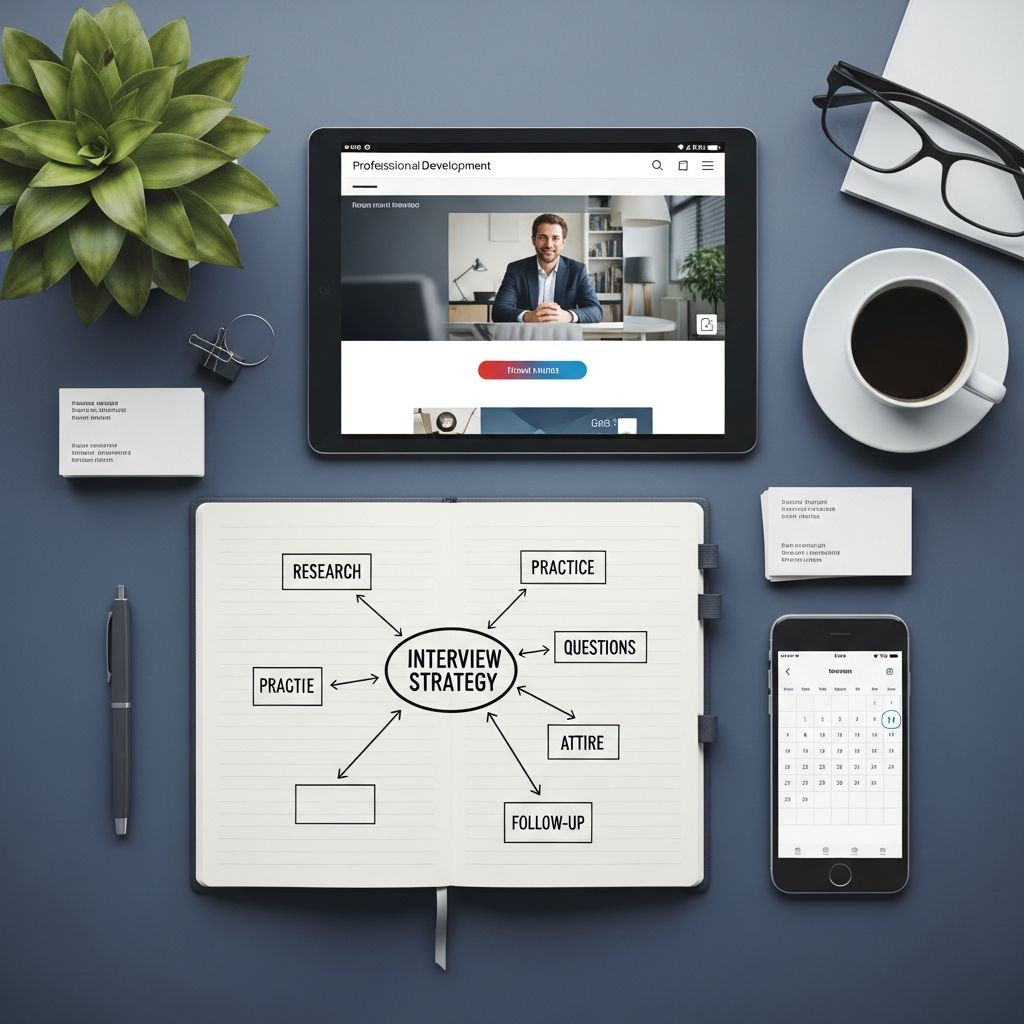
Securing a job interview is an achievement worth celebrating, but the real work begins once you receive that invitation. An interview represents a critical opportunity to demonstrate your qualifications, personality, and potential fit within an organization. Rather than approaching this moment with anxiety, successful candidates develop a structured game plan that transforms nervous energy into confident preparation. This comprehensive guide outlines the strategic framework you need to excel in your next interview.
Understanding the Interview as a Strategic Interaction
Many candidates view interviews as one-directional evaluations where employers simply assess their worthiness. However, interviews are fundamentally mutual conversations where both parties evaluate compatibility. Organizations seek candidates who understand their business, demonstrate genuine interest, and communicate how they add value. By reframing the interview as a strategic dialogue rather than an interrogation, you’ll approach it with greater confidence and authenticity.
This mindset shift is essential because it empowers you to take an active role in shaping the conversation. Instead of passively answering questions, you become a thoughtful participant who listens carefully, responds strategically, and asks insightful questions that reveal your depth of knowledge and genuine curiosity about the role.
Phase One: Intelligence Gathering and Research
Your interview preparation begins long before the scheduled meeting date. Thorough research forms the foundation of all subsequent preparation activities and distinguishes prepared candidates from those merely hoping for the best.
Conducting Comprehensive Company Research
Start by visiting the company’s official website and reviewing their mission statement, core values, and recent company announcements. Read about their products or services, target markets, and organizational structure. Understanding the company’s business model helps you comprehend how the position you’re interviewing for contributes to larger organizational goals.
Expand your research beyond the company’s self-presentation by reviewing recent news articles, industry publications, and analyst reports. Search for company press releases about new initiatives, partnerships, or market expansions. This demonstrates to interviewers that you’ve invested time in understanding not just the company’s story but also how external factors influence its trajectory.
Understanding the Role and Industry Context
Carefully review the job description multiple times, highlighting specific skills, qualifications, and responsibilities mentioned. Create two columns on a notepad: one listing the employer’s stated requirements and another listing your relevant experiences, skills, and achievements that align with those requirements. This exercise helps you identify which aspects of your background to emphasize during the interview.
Additionally, research broader industry trends and challenges relevant to your field. Understanding the competitive landscape and emerging issues in your industry allows you to discuss how you might contribute to solving industry-specific problems your potential employer faces.
Phase Two: Content Development and Storytelling Preparation
Once you understand what the employer seeks, you must develop clear, compelling narratives that demonstrate your qualifications through concrete examples rather than abstract claims.
Crafting Your Professional Narrative
Develop a concise 60-second personal statement that summarizes your professional background, key accomplishments, and career objectives. This statement should feel natural and conversational rather than scripted. Your narrative should emphasize experiences most relevant to the position while demonstrating your unique value proposition. Practice delivering this statement until it flows naturally, allowing you to adapt it based on specific interview contexts.
Building Your Evidence Bank
Compile at least five detailed success stories showcasing different dimensions of your professional capability. For each story, identify the situation you faced, the specific task you took responsibility for, the actions you implemented, and the measurable results you achieved. This STAR framework (Situation, Task, Action, Result) provides structure for behavioral interview questions where interviewers ask you to describe past experiences.
Ensure these stories demonstrate diverse competencies: problem-solving, collaboration, leadership, resilience, and innovation. Different interviewers will probe different aspects of your background, so having multiple stories prevents you from relying on repetitive examples throughout the interview process.
Addressing Potential Vulnerabilities
Identify gaps or concerns that might arise during your interview. If you lack experience in a particular area mentioned in the job description, prepare an honest explanation of how you’ll quickly develop that competency. Rather than avoiding acknowledged weaknesses, successful candidates address them directly by explaining how they’ve worked to improve in challenging areas. This demonstrates self-awareness and commitment to professional growth.
Phase Three: Strategic Question Development
The questions you ask during an interview reveal your priorities, research depth, and genuine interest in the opportunity. Rather than requesting information readily available on the company website, ask questions that demonstrate sophisticated thinking and genuine curiosity.
Types of Questions to Ask
Develop questions that explore:
- The specific challenges the team currently faces and how the role contributes to addressing them
- How success is measured for this position and what criteria define exceptional performance
- The career development opportunities and mentorship available for someone in this role
- The team dynamics, management style, and company culture beyond what public materials describe
- How the organization plans to adapt to emerging industry trends or competitive pressures
Avoid asking questions about compensation, benefits, or vacation time during initial interviews. These topics surface later in the hiring process or in formal offer discussions. Asking about these factors prematurely can signal that you’re motivated primarily by perks rather than the work itself.
Phase Four: Mastering Interview Fundamentals Through Practice
Even articulate, accomplished professionals benefit from structured practice before high-stakes interviews. Practice transforms nervous energy into smooth delivery and builds genuine confidence.
Solo Practice Techniques
Record yourself answering common interview questions using audio or video technology. Hearing your own responses allows you to identify verbal tics, filler words, or unclear explanations you might not notice during regular conversation. Review recordings critically, assessing whether your tone sounds confident and whether your pacing allows listeners to absorb your message.
Practice responses until they feel natural and conversational rather than memorized. The goal isn’t to recite scripted answers verbatim but to internalize key messages and examples so thoroughly that you can discuss them fluidly regardless of how interviewers phrase their questions.
Interactive Practice Sessions
Conduct mock interviews with mentors, career counselors, or trusted friends who can simulate different interviewer styles and personalities. Ask them to include challenging questions, follow-up probes, and unexpected inquiries to build adaptability. After each mock interview, request specific feedback on your responses, body language, and overall presence.
Different interviewers employ different styles: some are warm and conversational while others are formal and structured; some probe deeply into specific examples while others ask broader questions. Exposure to varied interviewing approaches during practice builds confidence in your ability to navigate diverse interviewing environments.
Phase Five: Logistical Preparation and Professional Presentation
Technical preparation ensures that practical details don’t undermine your well-developed content and confident delivery.
Physical Presentation Considerations
Research the company’s dress code culture by reviewing their website, social media profiles, and asking your recruiter about appropriate attire. Select professional clothing that fits well, is clean and pressed, and aligns with the organization’s culture. Your appearance should enhance your credibility rather than distract from your message. Ensure your grooming is neat, your shoes are polished, and your accessories are minimal and professional.
Essential Materials to Gather
Organize the following documents in a professional portfolio or folder:
- Multiple copies of your resume printed on quality paper
- A list of professional references with contact information
- Your research notes about the company and position
- Your prepared questions for interviewers
- A notepad and quality pen for note-taking
- Copies of any portfolio work, certifications, or relevant documents
- Directions to the interview location or video conference link information
- Professional identification
Physical and Mental Wellness
The night before your interview, prioritize rest over last-minute cramming. A well-rested mind performs more effectively than an exhausted one preparing anxiously late into the evening. Plan to eat a nutritious meal the morning of your interview that provides sustained energy without the crash associated with high-sugar foods. Stay hydrated and avoid excessive caffeine that might increase anxiety.
Consider practicing brief meditation or breathing exercises to manage pre-interview nerves. These techniques calm your nervous system and create mental clarity that enhances your ability to think quickly and respond authentically during the conversation.
Phase Six: Execution and During-Interview Strategy
Arrive 10-15 minutes early, allowing time to settle into the space and regain composure before the interview begins. Turn your phone to silent and avoid checking it during the interview, signaling that this conversation deserves your full attention.
Establishing Professional Presence
When you meet your interviewer, make warm eye contact, offer a firm but not aggressive handshake, and smile genuinely. Maintain upright posture throughout the interview while avoiding stiffness. Good posture communicates confidence and engagement while poor posture signals disinterest or low confidence.
Listen carefully to each question before responding rather than formulating answers while the interviewer speaks. Pause briefly before answering, demonstrating that you’re thoughtful rather than reflexive. This pause also builds anticipation and allows you to formulate clear, concise responses.
Response Strategy
Answer questions directly and concisely, providing relevant details without excessive tangents. Focus on how your experiences, skills, and achievements specifically address the position’s requirements. Use specific examples and quantifiable results rather than vague generalizations. When discussing past experiences, emphasize what you learned and how those lessons apply to the role you’re interviewing for.
Phase Seven: Post-Interview Actions
Your interview responsibilities don’t conclude when you leave the building or disconnect from a video call. Strategic follow-up actions can significantly influence hiring decisions.
The Thank-You Note
Within 24 hours of your interview, send a thoughtful thank-you message to each person who interviewed you. Reference specific aspects of your conversation, reiterate your genuine interest in the position, and briefly remind them of key qualifications you discussed. A personalized email demonstrates professionalism and genuine appreciation while keeping you fresh in the hiring team’s mind as they evaluate candidates.
Reflection and Follow-Up
Document your interview experience while details are fresh. Write down questions interviewers asked, topics discussed, and any additional information you learned about the role or company. This documentation helps you respond more strategically if asked to participate in subsequent interview rounds or helps you decide whether this opportunity aligns with your career goals.
Interview Preparation Checklist
| Timeline | Key Activities |
|---|---|
| Two weeks before | Conduct company research; review job description; identify aligned experiences |
| One week before | Develop narratives and success stories; prepare questions; practice responses |
| Three days before | Conduct mock interviews; review research; select appropriate attire |
| Day before | Confirm logistics; gather materials; rest well |
| Day of | Eat well; practice calming techniques; arrive early; be present |
| Within 24 hours | Send thank-you notes; document experience |
Frequently Asked Questions
Q: How should I handle nervousness before an interview?
A: Nervousness is natural and can actually enhance performance when channeled constructively. Thorough preparation builds genuine confidence, not false bravado. Practice breathing exercises, positive visualization, and remember that interviewers expect candidates to be somewhat nervous. They evaluate your ability to manage nervousness while still communicating effectively.
Q: What if I don’t know the answer to a question?
A: Honesty is preferable to fabrication. Acknowledge the gap directly: “That’s a great question I haven’t encountered in my current role, but I’d approach it by…” Then explain your problem-solving process. This demonstrates intellectual honesty and critical thinking without claiming false expertise.
Q: Should I discuss my salary expectations during the first interview?
A: Typically, no. Allow the employer to initiate salary discussions. If directly asked, research market rates for similar positions and provide a range rather than a specific number. You can also ask when compensation discussions typically occur in their hiring process.
Q: How important is following up after an interview?
A: Following up is quite important as it demonstrates professionalism, genuine interest, and organizational skills. A thoughtful thank-you note within 24 hours can distinguish you from candidates who don’t follow up, potentially influencing close hiring decisions.
Q: How do I prepare for virtual or video interviews?
A: Test your technology thoroughly beforehand, including video, audio, and internet connection. Dress professionally and ensure your background is clean and professional. Maintain eye contact with the camera rather than the screen. Practice using video conferencing platforms so the technology feels familiar rather than awkward.
References
- Interview Checklist: 10 Steps To Increase Your Chances — Indeed.com. https://www.indeed.com/career-advice/interviewing/interview-checklist
- Job Interview Checklist — BYU-Pathway Worldwide. https://www.byupathway.edu/career-services/resources/job-interview-checklist
- Interview Cheat Sheet and Prep Tips — Monster Jobs. https://www.monster.com/career-advice/article/interview-cheat-sheet
- Job Interviews: New Formats and a Preparation Checklist — Career Vision. https://careervision.org/job-interviews-new-formats-preparation-checklist/

Medha Deb is an editor with a master's degree in Applied Linguistics from the University of Hyderabad. She believes that her qualification has helped her develop a deep understanding of language and its application in various contexts. Medha specializes in the areas of beauty, health, sports, and wellness and is committed to ensuring that the content on the website is…