
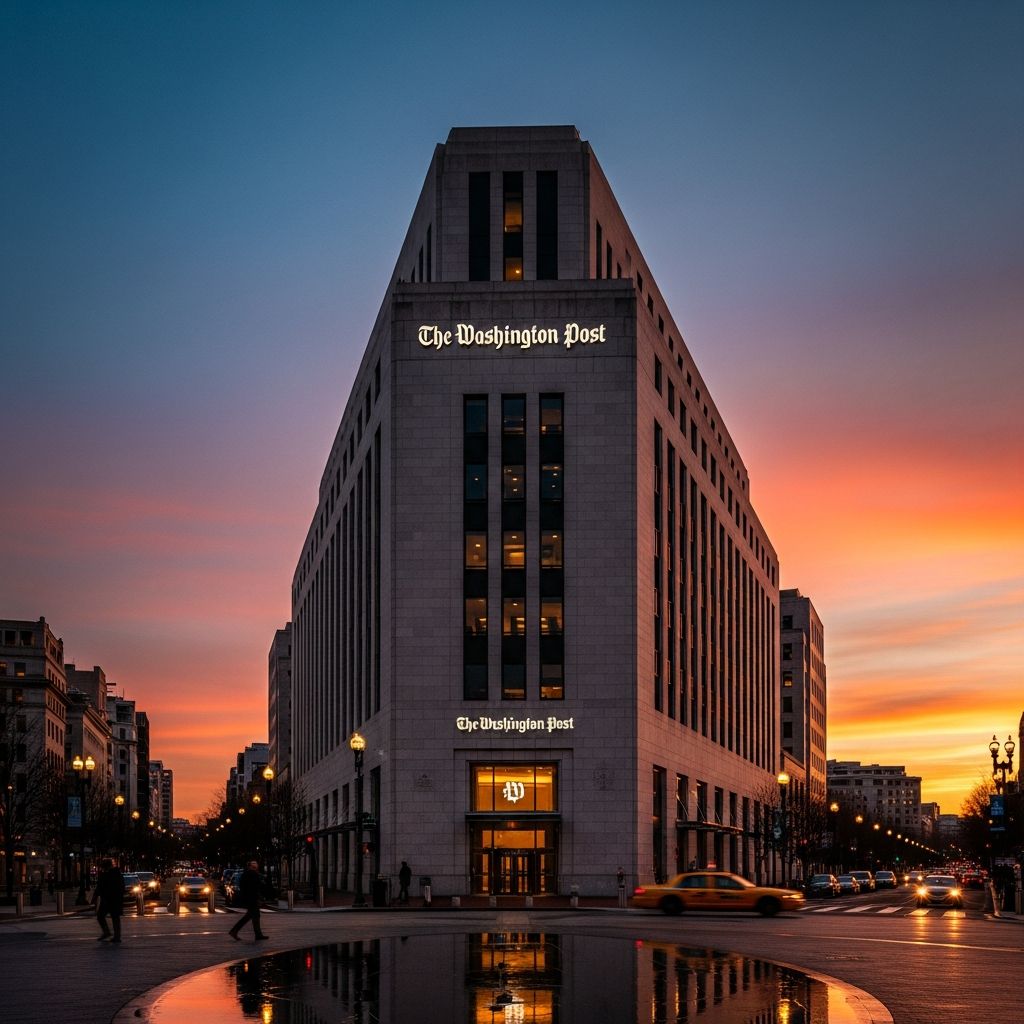
Career Opportunities at The Washington Post: Working in the Nation’s Capital
The Washington Post stands as one of America’s most prestigious news organizations, with a rich history spanning nearly 150 years. Since its founding in 1877, the publication has evolved from a regional newspaper into a global media powerhouse with significant influence on journalism and public discourse. Today, The Washington Post operates from its headquarters in Washington, DC, where it continues to shape news coverage and employ hundreds of professionals across diverse disciplines. For career seekers interested in journalism, technology, business, and media operations, The Washington Post represents a unique opportunity to work at an organization that has played pivotal roles in major historical events and maintains daily influence over national conversations.
The Historical Foundation of The Washington Post
Understanding The Washington Post’s career environment requires knowledge of its storied past. Founded on December 6, 1877, by Stilson Hutchins, the newspaper began as a vehicle for Democratic Party perspectives in the nation’s capital. Initially, the publication struggled financially and editorially through its early decades, passing through multiple owners and facing uncertain prospects. However, the trajectory changed dramatically in 1933 when financier Eugene Meyer purchased the bankrupt newspaper and began its transformation into a respected news organization. Meyer’s acquisition marked a turning point that established the foundation for The Washington Post’s eventual emergence as a leading American newspaper.
The Graham family’s involvement proved instrumental in the newspaper’s rise to prominence. Katharine Graham, the daughter of Eugene Meyer, and her husband Philip Graham took on leadership roles that dramatically expanded the organization’s scope and reputation. During their tenure, The Washington Post acquired significant properties, including the Times-Herald in 1954 and Newsweek magazine in 1961, establishing itself as a diversified media company. The organization’s willingness to pursue investigative journalism, particularly during the coverage of the Pentagon Papers and Watergate scandals, cemented its position as a cornerstone institution of American journalism.
The Organizational Structure and Operations
Today’s Washington Post operates from a sophisticated, multi-faceted organization that extends far beyond traditional newspaper production. The company maintains an extensive network of news bureaus strategically positioned to gather information and maintain editorial standards across the country and internationally. With eleven local news bureaus throughout the Washington, DC metropolitan area, five national bureaus in major cities including New York, Los Angeles, and Chicago, and twenty international bureaus worldwide, The Washington Post has developed a comprehensive infrastructure for newsgathering and reporting.
The physical headquarters in Washington, DC serves as the nerve center of these operations. The newspaper’s commitment to 24-hour operations, established during its early years at the 14th and E Streets NW building that housed all newspaper functions, continues to characterize its modern operations. This round-the-clock production model reflects the demands of contemporary news cycles, where stories break at any hour and audiences expect immediate updates. Employees working at The Washington Post navigate a complex organizational environment where traditional editorial roles intersect with emerging digital platforms and multimedia storytelling formats.
Diverse Career Paths in Journalism and Beyond
Employment at The Washington Post encompasses far more than traditional reporting roles. The organization requires talented professionals across numerous departments and specializations. Journalism positions represent a significant portion of employment opportunities, including reporters, editors, columnists, photographers, and videographers who contribute to daily news coverage. These roles demand strong research skills, ethical judgment, ethical standards adherence, and the ability to work under deadline pressure while maintaining accuracy and fairness.
Beyond journalism, The Washington Post requires extensive support from technology professionals. Software engineers, data analysts, and product managers work to maintain and expand the organization’s digital platforms, ensuring readers access content seamlessly across devices. The growth of washingtonpost.com since its launch in June 1996 has created sustained demand for technical talent capable of building scalable systems that serve millions of users daily. The organization’s digital transformation represents one of the most significant career growth areas for technology-minded professionals seeking to work in media.
Additional career opportunities span business operations, including advertising sales, marketing, human resources, finance, and legal services. The Washington Post’s status as a substantial employer in the DC area means it maintains robust administrative and operational departments staffed with professionals managing everything from employee relations to corporate strategy. These positions offer career stability and professional growth within a respected organization, even for those without journalism backgrounds.
The Washington, DC Work Environment
Working at The Washington Post in Washington, DC offers distinct advantages related to geographic location and proximity to news sources. As the nation’s capital, Washington hosts the federal government, meaning reporters and editors work within minutes of major news developments. Congress, the White House, federal agencies, and countless think tanks, advocacy organizations, and policy institutions operate within the DC area. This concentration of political and governmental activity creates an environment where major stories break regularly, providing journalists with unparalleled access to news sources and the ability to break stories before competitors in other locations.
The DC headquarters location also attracts a particular type of professional—those drawn to public affairs, politics, and governance. The Washington Post’s workforce tends to include individuals passionate about civic engagement and the role of journalism in democratic society. This shared mission and geographic concentration of like-minded professionals creates a distinctive workplace culture where discussion of news, politics, and current events permeates daily interactions. Team members often bring deep knowledge of policy issues, legislative processes, and political dynamics that inform their work across various departments.
Professional Development and Growth Opportunities
The Washington Post’s longevity and size create multiple pathways for professional advancement. Entry-level journalists can work toward beat reporter positions, then potentially transition into senior reporting roles, investigative positions, or editorial leadership. The organization’s tradition of promoting from within means that ambitious professionals can envision long-term careers developing specialized expertise in particular subject areas while building industry credibility.
For technology professionals, The Washington Post offers opportunities to work with cutting-edge tools and platforms serving large audiences. The organization’s investment in digital journalism and reader engagement technology provides exposure to industry challenges and solutions. Employees gain experience building systems handling massive traffic volumes, developing analytics capabilities, and creating features that enhance reader experience—skills transferable across media and technology sectors.
Professional development extends beyond individual roles through industry conferences, training programs, and mentorship opportunities. The Washington Post’s reputation and size allow it to attract industry expertise that enriches employee development. Professionals working for The Washington Post gain access to networks within journalism and media industries, relationships that enhance career prospects and professional standing regardless of future career moves.
Compensation and Benefits Structure
As a substantial, well-established media organization, The Washington Post offers competitive compensation packages reflecting its status and resources. Salaries vary significantly based on position, experience, and specific role, but the organization generally compensates employees competitively within the journalism and media sectors. For technical roles, compensation tends toward industry standards for software engineering and data roles, often exceeding traditional journalism salaries.
Benefits packages typically include health insurance, retirement planning options, paid time off, and professional development funding. The organization’s size enables comprehensive employee benefits that smaller news outlets cannot match, representing a significant advantage for professionals prioritizing benefits security and work-life balance considerations.
Challenges and Considerations for Prospective Employees
While The Washington Post represents an exceptional employer, prospective employees should understand contemporary challenges facing the news industry. The transition to digital journalism has disrupted traditional business models, creating industry-wide uncertainty about long-term sustainability of print journalism employment. The Washington Post has navigated this transition better than many competitors, but employment stability remains a consideration for career planners. Technical roles offer greater stability than traditional journalism positions due to sustained investment in digital infrastructure and capabilities.
Journalism roles, while prestigious, often involve irregular hours, deadline pressure, and the emotional toll of covering difficult stories. The nature of news cycles means that major breaking news may require extended work hours or weekend and holiday work. Reporters covering crime, violence, disaster, or tragedy must maintain professional objectivity while processing disturbing information—a psychological demand not inherent in all careers.
The Washington, DC location, while offering news advantages, creates high cost-of-living considerations. DC area housing, transportation, and general expenses exceed national averages, meaning that even competitive salaries may not deliver the purchasing power they would in other locations. Prospective employees should carefully evaluate whether DC-area compensation matches their financial needs and lifestyle preferences.
The Digital Transformation and Future Opportunities
The Washington Post’s evolution into a digital-first organization continues reshaping employment opportunities and requirements. The organization’s digital subscription model requires sophisticated understanding of reader engagement, analytics, and digital product development. Jobs in audience analytics, subscription product management, and digital engagement represent growing employment categories reflecting the industry shift away from pure advertising-dependent models.
The establishment of washingtonpost.com in 1996 and subsequent digital infrastructure development created technological foundations supporting modern journalism operations. This digital infrastructure continues expanding as the organization develops mobile applications, investigative storytelling platforms, and multimedia content delivery systems. Employment opportunities in these areas continue expanding as The Washington Post invests in digital capabilities and reader experience enhancements.
Industry Reputation and Professional Credibility
Working at The Washington Post carries significant professional prestige within journalism and media circles. The organization’s Pulitzer Prize history, major investigative works, and influence on public discourse mean that Washington Post experience carries substantial weight on professional resumes. For journalists, having reported for The Washington Post opens doors at other news organizations, enhances freelance prospects, and establishes credibility with sources and audiences. For technology professionals, Washington Post experience demonstrates ability to work at organizational scale with substantial engineering challenges, similarly enhancing career prospects.
Frequently Asked Questions About Working at The Washington Post
Q: What types of journalism positions does The Washington Post typically offer?
A: The Washington Post maintains positions across reporting, editing, photography, videography, and multimedia journalism. Reporters cover various beats including politics, national news, investigations, and specialized topics. Editorial roles include assignment editors, copy editors, and news directors managing coverage. Photography and video positions support visual storytelling across platforms.
Q: Do I need to be located in Washington, DC to work at The Washington Post?
A: While The Washington Post’s headquarters operates in Washington, DC, the organization employs professionals across multiple locations through its national and international bureau network. Remote work options may exist for certain positions, though DC-based employment remains primary. Technology roles may offer greater geographic flexibility than traditional journalism positions.
Q: What qualifications does The Washington Post seek in journalism candidates?
A: The Washington Post typically seeks journalism candidates with demonstrated writing ability, strong research skills, and evidence of published work. Candidates should understand news judgment, maintain ethical standards, and demonstrate ability to work collaboratively. Advanced degrees in journalism or related fields provide advantages, though substantial relevant experience may substitute for formal credentials.
Q: How competitive is employment at The Washington Post?
A: Employment at The Washington Post is highly competitive due to the organization’s prestige and reputation. Journalism positions particularly attract numerous qualified candidates. Building experience at smaller news organizations, maintaining active portfolios, and developing specialized expertise in important subject areas enhances competitiveness.
Q: Does The Washington Post offer internship programs?
A: Yes, The Washington Post maintains internship programs for college students and recent graduates seeking journalism and media experience. Internship positions provide valuable entry points into the industry and opportunities to build relationships with organization professionals. Competitive selection processes mean that strong portfolios and application materials significantly influence acceptance.
Conclusion: Why Consider The Washington Post as an Employer
The Washington Post represents a unique employment opportunity combining historic prestige with contemporary media challenges and growth. For journalists passionate about accountability journalism and political coverage, the organization offers platforms reaching millions of readers and the resources to conduct substantial investigative projects. For technology professionals, The Washington Post provides challenges around scale, engagement, and digital product innovation. For business and operations professionals, the organization offers stability and the satisfaction of supporting important journalistic work.
The Washington, DC location provides distinct advantages for news gathering and creates an intellectually stimulating environment populated by professionals engaged with current affairs and democratic governance. While the news industry faces ongoing challenges requiring organizational adaptation and employee flexibility, The Washington Post’s resources, reputation, and commitment to journalism position it as one of the most stable and respected employers in media. For career seekers evaluating journalism or media industry options, The Washington Post deserves serious consideration.
References
- The Washington Post – Wikipedia — Wikimedia Foundation. 2024. https://en.wikipedia.org/wiki/The_Washington_Post
- A History of The Washington Post — Historic Newspapers. 2024. https://www.historic-newspapers.com/blogs/article/washington-post-history
- History of The Washington Post Company — FundingUniverse. 2024. https://www.fundinguniverse.com/company-histories/the-washington-post-company-history/
- Washington Post: a brief history — Columbia University Center for New Media Teaching and Learning. 2024. https://ccnmtl.columbia.edu/projects/caseconsortium/casestudies/147/casestudy/www/layout/case_id_147_id_1014.html
- The Washington Post — Roper Center for Public Opinion Research, Cornell University. 2024. https://ropercenter.cornell.edu/washington-post

- Integrated M.A. in Applied Linguistics, University of Hyderabad
- 5+ years in editorial, instructional, SEO, and research-based writing
Sneha is a relationships and lifestyle writer with a strong foundation in applied linguistics and certified training in relationship coaching. She brings over five years of writing experience to theskillvault, crafting thoughtful, research-driven content that empowers readers to build healthier relationships, boost emotional well-being, and embrace holistic living. Her writing and insights reflect the belief that beauty, happiness, and wellness…