
Understanding the Fundamentals of Secondhand Shopping
Secondhand shopping has evolved from a niche hobby into a mainstream movement embraced by millions seeking affordable, unique, and sustainable alternatives to traditional retail. The appeal extends beyond simple cost savings; thrifting offers an opportunity to discover one-of-a-kind items while participating in circular economy practices that reduce waste and environmental impact. Whether you’re motivated by budget constraints, environmental consciousness, or the thrill of treasure hunting, success in thrift stores requires a deliberate approach and understanding of how these retail environments function differently from conventional shopping venues.
The journey from casual browser to confident thrift shopper involves developing specific habits and strategies that transform overwhelming retail experiences into rewarding discoveries. Unlike traditional stores with organized inventory and predictable stock, thrift establishments present a dynamic, ever-changing landscape where patience and systematic exploration yield the best results. Understanding these fundamental differences shapes how you prepare for visits and navigate the shopping experience itself.
Strategic Pre-Shopping Preparation and Research
Success in thrifting begins long before you step through the store’s doors. Conducting thorough research about available thrift venues in your area establishes the foundation for productive shopping experiences. Start by seeking personal recommendations from friends, family members, or online communities who share their favorite discoveries and store experiences. These firsthand accounts provide invaluable insights into each store’s inventory quality, organization, and typical offerings that no marketing material could convey.
Digital tools significantly enhance your research capabilities. Google Maps reviews offer candid customer feedback about store conditions, staff helpfulness, and inventory quality. Social media platforms provide particularly valuable information, as many local thrift stores showcase new merchandise acquisitions and advertise special promotions directly to followers. This behind-the-scenes visibility helps you identify which venues align with your shopping interests before visiting.
Recognizing that thrift stores serve different specialties prevents wasted trips and frustration. Some establishments focus exclusively on clothing, while others maintain diverse inventories spanning furniture, electronics, home décor, and accessories. Rather than assuming all secondhand shops offer identical merchandise, identify stores that match your specific interests. This targeted approach maximizes both your time investment and the likelihood of finding desired items.
Establishing Clear Shopping Objectives and Realistic Expectations
Walking into a thrift store without clear intentions inevitably leads to overwhelming feelings and unfocused browsing. Before each visit, mentally establish what you’re seeking—whether general categories like home décor, specific item types such as vintage lamps, or particular qualities like unique clothing pieces. This focused mindset prevents decision paralysis when confronted with thousands of options and helps you allocate limited shopping time efficiently.
However, maintaining flexible expectations proves equally important. Thrift stores operate on unpredictable supply chains, meaning yesterday’s abundant selections may disappear while new treasures emerge. Rather than searching for one specific item hoping to find exact matches, pursue items within broader categories. This approach yields greater satisfaction, as you discover alternatives that were previously unconsidered. For instance, seeking “a decorative shelf” rather than “that exact wooden shelf from two weeks ago” dramatically improves your success rate.
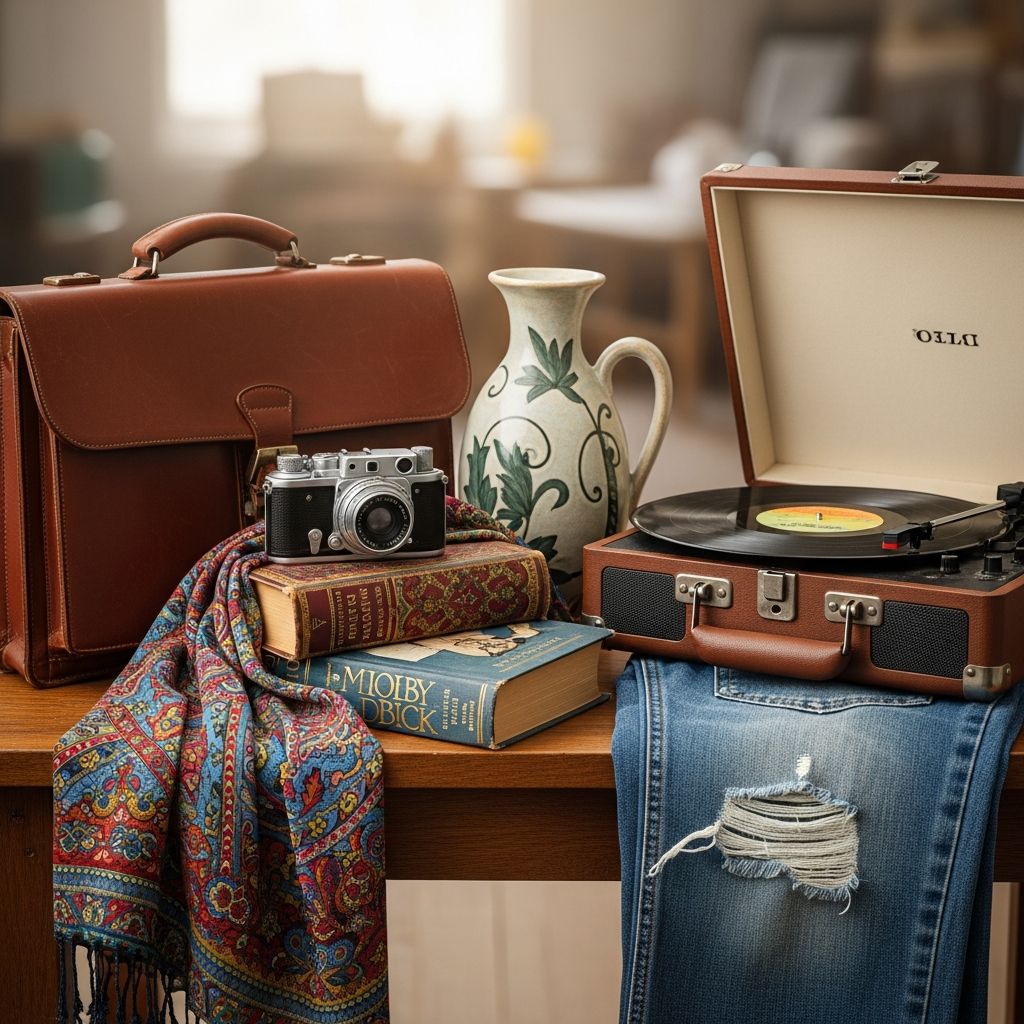
Understanding the limitations of secondhand shopping prevents disappointment and frustration. Certain items—including perfectly fitted basics, high-end branded goods, and specific designer pieces—require patience and repeated visits to locate. Conversely, common categories like books, vinyl records, home accessories, and vintage furniture appear consistently across most thrift stores. Aligning your expectations with these realities creates a more enjoyable and realistic shopping experience.
Mastering Time Management and Systematic Store Navigation
The physical vastness of many thrift stores demands strategic navigation to avoid missing quality items while preventing exhaustion. Rather than randomly wandering aisles, employ systematic approaches that ensure thorough coverage without overwhelming sensory experiences. The “double loop” technique involves walking through entire sections twice—once to scan for standout colors, patterns, and textures that immediately catch attention, then again to carefully examine each item for details initially missed.
This methodical approach recognizes that thrift store merchandise doesn’t follow the organized, front-facing displays typical of traditional retailers. Items are often densely packed, with significant variations in visibility and accessibility. Taking time at each section allows your eyes to adjust to the arrangement, preventing valuable finds from remaining invisible due to poor initial positioning or visual overwhelm.
Prioritizing specific sections based on your pre-established shopping objectives prevents aimless wandering through irrelevant categories. If you’re seeking home décor items, lingering in the clothing sections wastes valuable time. However, completely ignoring sections outside your primary interest sometimes backfires, as exceptional finds occasionally appear in unexpected locations. Balancing focused shopping with occasional brief explorations of other areas optimizes both time usage and discovery potential.
Timing your thrift store visits strategically influences inventory freshness and crowd density. Many stores stock new merchandise on specific days—often following weekend donations—making these times ideal for finding recent additions before other shoppers discover them. Shopping during off-peak hours reduces crowds and allows more leisurely, focused exploration without feeling rushed or pressured by other customers searching the same items.
Inspection Techniques and Quality Assessment Protocols
The most critical distinction between thrifting and traditional retail shopping involves inspection protocols. Secondhand items have histories, previous owners, and often visible or hidden wear that demands careful evaluation before purchase. Developing systematic inspection habits prevents expensive mistakes and disappointment after leaving the store, particularly important since most thrift retailers enforce strict no-return policies.
Begin inspections by examining items from multiple angles, checking for obvious damage including cracks, chips, stains, tears, or malfunctioning components. For clothing, ensure seams are intact, zippers function smoothly, and fabrics don’t contain holes or permanent staining. Furniture pieces require assessment of structural integrity, leg stability, and upholstery condition. Electronics and appliances need testing functionality, checking cord conditions, and verifying all components are present.
Modern technology enhances inspection capabilities significantly. Google Lens allows you to photograph manufacturer marks, serial numbers, or identifying features to research item provenance, value, and specifications. This technique proves particularly valuable for vintage dishware or antique furniture where identifying the maker provides context about quality and potential value. Such research transforms casual thrifting into informed purchasing, helping you distinguish genuine vintage treasures from reproduction items.
Don’t overlook hidden damage or wear that might not be immediately apparent. Inspect seams inside furniture, check bottoms of dishes and vases for chips, and examine lamp cords for damage. Test that zippers, buttons, and closures function properly. Take time to smell items discretely—some persistent odors indicate problems that are difficult to eliminate after purchase. These thorough inspection practices require patience but save money and frustration by preventing problematic purchases.
Maximizing Value Through Strategic Shopping Techniques
Beyond basic shopping strategies, advanced techniques significantly amplify your thrifting success and savings. Most thrift stores offer regular promotions including color-coded discount tags, donation incentive coupons, senior discounts, and loyalty rewards programs. Understanding and utilizing these programs compounds your savings dramatically over time. Checking current promotions before shopping and prioritizing discounted merchandise sections ensures you capture maximum value from each visit.
Developing a donation habit creates reciprocal benefits that enhance your thrifting experience. Regular contributions of unused items both support charitable missions and qualify you for discount coupons at many establishments. Additionally, donating prevents personal accumulation of unused possessions, creating psychological investment in the thrifting cycle and encouraging mindful consumption practices.
Checking “go back” racks and newly stocked sections provides insider advantages without requiring constant store visits. Go-back racks contain items other shoppers tried but rejected, often including quality pieces that other browsers might have overlooked initially. New merchandise sections haven’t been thoroughly picked over by previous shoppers, increasing the likelihood of exceptional discoveries. These strategic locations deserve dedicated attention despite being commonly overlooked by casual browsers.
Identifying Reliable and Frequently Available Merchandise Categories
Understanding which item categories consistently appear in thrift stores versus those requiring extensive searching shapes realistic shopping expectations and effective targeting. Certain categories represent thrift shopping staples—items so commonly available that you can confidently search for them across multiple visits with high discovery probability.
| Commonly Available Items | Typical Availability & Value | Best Uses & Applications |
|---|---|---|
| Vinyl Records | Regularly stocked; inexpensive even for vintage pieces | Music collection building; nostalgia-driven collecting; home décor elements |
| Books | Consistently abundant across most stores | Reading material; coffee table décor; educational reference; collection building |
| Kitchen Appliances | Frequently available in working condition | Specialty cooking equipment; testing appliances before major purchases; dorm living |
| Home Accessories | Steady supply of vases, baskets, decorative items | Interior styling; event decoration; storage solutions; craft projects |
| Lighting Fixtures | Abundant vintage and unique options | Home ambiance enhancement; statement décor pieces; room character addition |
| Upholstered Seating | Smaller pieces appear regularly; larger furniture inconsistent | Accent furniture; home office setup; reading nooks; craft room furnishing |
| Bedding & Linens | Perpetually available though rarely in matched sets | Experimental mixing-and-matching; fabric for sewing projects; painting drop cloths |
| Unique Clothing Pieces | Excellent variety of one-of-a-kind items | Fashion experimentation; unique wardrobe building; trend-testing before committing |
Conversely, certain merchandise categories demand patience and persistence. High-quality, well-fitting basics; designer-branded clothing; premium furniture pieces; and specialty items with specific requirements prove exceptionally difficult to locate. Successfully acquiring these items often requires consistency over months or years, with shoppers developing instincts about where such treasures typically appear and under what circumstances.
Developing Personal Shopping Habits and Signature Strategies
Experienced thrifters recognize that successful shopping extends beyond following universal guidelines—it requires developing personal preferences and habits tailored to individual shopping styles. Some shoppers thrive with comprehensive, detailed planning before visits, while others embrace spontaneous exploration with minimal preconceptions. Neither approach is inherently superior; rather, identifying which methodology aligns with your temperament and lifestyle maximizes your enjoyment and success rates.
Recognizing store-specific patterns and inventory cycles develops through repeated visits. You’ll begin noticing which thrift venues consistently stock particular merchandise categories, which days feature the freshest inventory, and which sections typically hide exceptional finds. Building relationships with store employees can provide insider information about upcoming donations or newly arrived merchandise, giving you competitive advantages over casual browsers.
Creating a mental or physical inventory of items you regularly seek helps maintain focus during overwhelming browsing sessions. Rather than pursuing arbitrary purchases, this approach encourages intentional acquisition of pieces that genuinely complement your lifestyle or aesthetic. Over time, you’ll develop an almost intuitive sense for recognizing quality, identifying potential in overlooked items, and assessing value with confidence.
Avoiding Common Mistakes and Pitfalls
Understanding frequent thrifting mistakes helps you sidestep frustrating experiences and wasted purchases. The no-return policy enforced by virtually all thrift stores demands that you invest inspection time before purchasing rather than hoping to exchange items later. Assuming you’ll somehow improve or fix items after purchase frequently leads to drawer accumulation of pieces you never actually use or repair. Buy only items you genuinely want in current condition.
Limiting your shopping to narrow sections significantly reduces discovery probability. While maintaining focus prevents overwhelm, completely ignoring sections outside your primary interest sometimes results in missing exceptional pieces. Books often appear in unexpected locations; furniture sections sometimes contain unique home décor items; and household goods sections occasionally hide fashion-forward accessories. Balancing targeted shopping with occasional broader exploration optimizes results.
Resisting the temptation to accumulate items simply because prices are inexpensive prevents purchasing regret. The most significant thrifting mistake involves buying items you don’t need simply because they’re affordable. This mindset perpetuates the very overconsumption issues that make thrifting appealing—secondhand shopping should enhance mindful consumption practices rather than enable indiscriminate purchasing.
Frequently Asked Questions About Thrift Shopping
Q: What’s the best time to visit thrift stores for finding new inventory?
A: Most thrift stores receive significant donations on weekends, making Monday through Wednesday ideal for finding freshly stocked merchandise. Visiting early in the day before crowds arrive increases browsing time and selection availability.
Q: How can I tell if an item is authentic vintage versus reproduction?
A: Use Google Lens to photograph manufacturer marks and labels, research brand histories, and examine construction techniques. Authentic vintage pieces typically show age-appropriate wear patterns and use materials consistent with their purported era of production.
Q: Should I avoid thrift stores with lower prices despite less organized layouts?
A: Not necessarily. While chaotic organization requires more search effort, smaller local thrift stores often feature superior pricing and unique inventory compared to large chain retailers. The additional browsing time investment sometimes yields better deals and selections.
Q: What should I do about items with minor damage or cosmetic imperfections?
A: Assess whether damage impacts functionality or significantly affects your intended use. Minor cosmetic flaws often justify price reductions and create opportunities for restoration projects if you enjoy upcycling or refurbishment activities.
Q: How frequently should I visit thrift stores to maintain current inventory awareness?
A: Visiting every 1-2 weeks keeps you reasonably current without requiring excessive time investment. More frequent visits suit those specifically hunting particular items or building collections, while monthly visits suffice for casual browsers seeking occasional discoveries.
Q: Are vintage items at thrift stores always less expensive than online secondhand marketplaces?
A: Generally yes, since thrift stores prioritize rapid inventory turnover and typically lack specialized pricing expertise. However, exceptionally rare vintage pieces occasionally appear underpriced at thrift stores, creating opportunities for resale at higher values if that interests you.
References
- The Ultimate Beginner’s Guide to Successful Thrift Shopping — New Horizons Thrift Stores. 2024. https://www.newhorizonsthriftstores.com/blog/ultimate-beginners-guide-successful-thrift-shopping/
- Thrifting Tips for Beginners: How to Score Great Finds on a Budget — Cottage on Bunker Hill. 2024. https://www.cottageonbunkerhill.com/thrifting-tips-for-beginners/
- Thrifting 101: How to Score the Best Finds, Per a Lifelong Expert — The Every Girl. 2024. https://theeverygirl.com/thrifting/
- Thrifting 101: A Beginner’s Guide to Secondhand Shopping — Her Campus. 2024. https://www.hercampus.com/school/denison/thrifting-101-a-beginners-guide-to-secondhand-shopping/
- Tips for Thrift Shopping as a Beginner — Caring Magazine. 2024. https://caringmagazine.org/thrift-tips-for-beginners/

- Integrated M.A. in Applied Linguistics, University of Hyderabad
- 5+ years in editorial, instructional, SEO, and research-based writing
Sneha is a relationships and lifestyle writer with a strong foundation in applied linguistics and certified training in relationship coaching. She brings over five years of writing experience to theskillvault, crafting thoughtful, research-driven content that empowers readers to build healthier relationships, boost emotional well-being, and embrace holistic living. Her writing and insights reflect the belief that beauty, happiness, and wellness…