
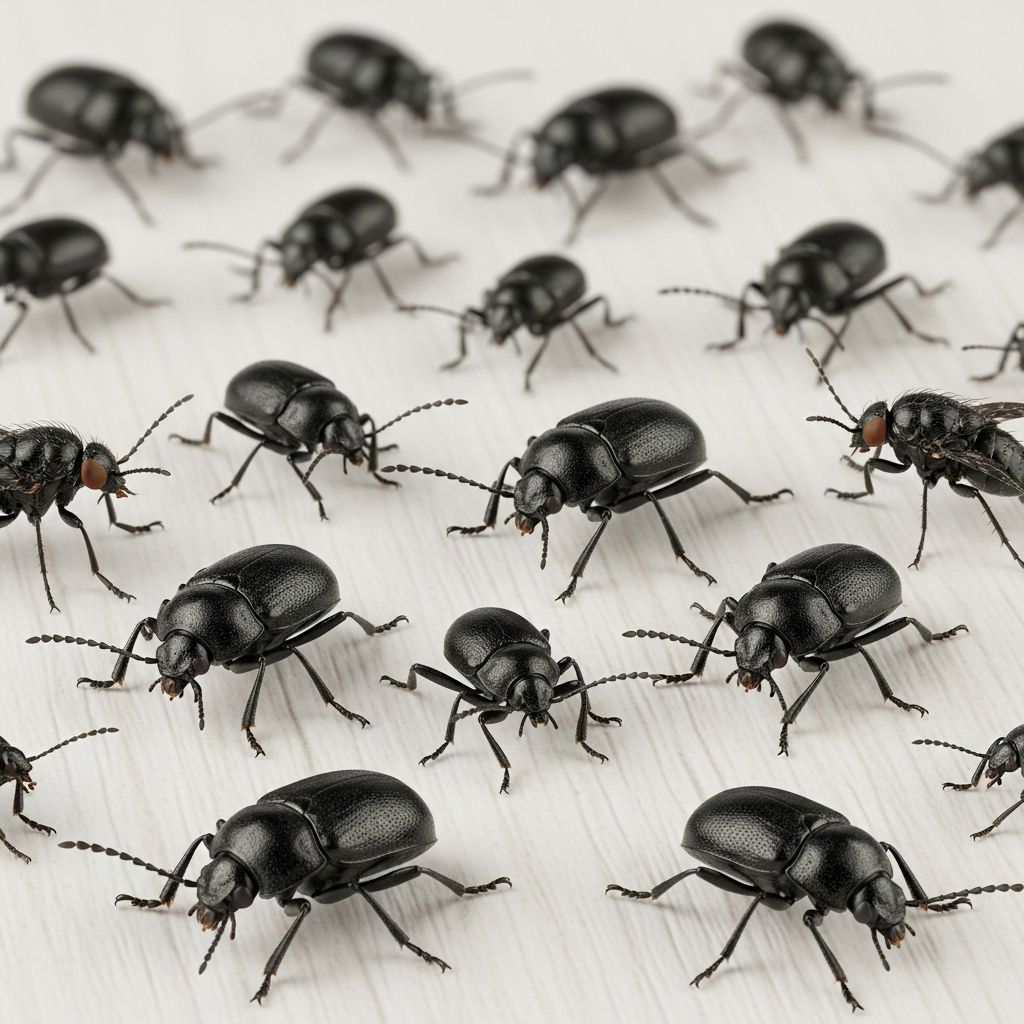
Spotting minuscule dark specks scurrying across your floors, walls, or counters can send shivers down any homeowner’s spine. These tiny black bugs are frequent uninvited guests in households, often signaling underlying issues like moisture, food sources, or entry points. While they may appear insignificant, ignoring them can lead to larger infestations, property damage, or health concerns. This comprehensive guide draws from reliable pest management insights to help you pinpoint these intruders, understand their behaviors, and implement targeted solutions.
Why Tiny Black Bugs Invade Homes
Homes provide ideal conditions for small black pests: warmth, shelter, food, and water. Seasonal changes, like humidity spikes in summer or dry winters, drive them indoors. Poor sanitation, unsealed cracks, or houseplants can exacerbate the problem. Early detection is crucial, as many reproduce rapidly. According to pest control experts, most infestations start small but escalate without intervention.
Common Culprits: Identifying Tiny Black Household Pests
Not all tiny black bugs are the same. Here’s a breakdown of the most prevalent types, including their appearance, habits, and telltale signs.
1. Ants: The Organized Invaders
Ants top the list of common tiny black bugs, often appearing as organized trails. Species like odorous house ants or carpenter ants measure 1/16 to 1/8 inch, with shiny black or dark brown bodies. They seek sweets, grease, or moisture, frequenting kitchens and bathrooms. Crush one, and a rotten coconut-like smell confirms odorous house ants. Carpenter ants, larger and wood-boring, leave sawdust-like frass near nests, potentially damaging structures.
2. Carpet Beetles: Fabric Destroyers
These oval-shaped beetles (1/16 to 1/8 inch) have patterned backs but appear black from afar. Larvae, fuzzy and carrot-shaped, devour wool, silk, fur, and pantry goods. Look for tiny holes in carpets, clothing, or upholstery, plus shed skins near windows. They’re drawn to dark, undisturbed areas like closets and under furniture.
3. Fleas: The Jumping Menace
Fleas are minuscule (1/16 inch), wingless jumpers with reddish-black bodies. Pet owners spot them most, but they thrive on wildlife too. Bites cause itchy red welts in clusters on ankles and legs. Check for ‘flea dirt’—black specks that turn red when wet (digested blood). They hide in carpets, pet bedding, and cracks.
4. Bed Bugs: Nocturnal Bloodsuckers
Though reddish-brown, tiny bed bugs (1/16 to 1/4 inch) look black when clustered or starved. Flat and apple-seed-shaped, they hide in mattress seams, headboards, and furniture cracks. Signs include blood spots on sheets, itchy welts in lines, and a musty odor. They spread via luggage or secondhand items, feeding on sleeping humans.
5. Fungus Gnats and Fruit Flies: Flying Annoyances
Fungus gnats (1/16 inch, mosquito-like with long legs) hover around overwatered houseplants, breeding in moist soil. Fruit flies (1/8 inch, red eyes) swarm ripe produce or drains. Both appear as tiny black specks in flight, indicating dampness or organic decay.
6. Other Possibilities: Booklice and Spider Mites
Booklice (psocids) are pale but darken in clusters, thriving on mold in humid bookshelves or bathrooms. Spider mites, pinpoint-sized, webs on plants, causing stippled leaves. Though plant-specific, they wander indoors.
| Pest | Size | Key Features | Common Locations | Damage/Signs |
|---|---|---|---|---|
| Ants | 1/16-1/8″ | Trails, segmented body | Kitchen, bathrooms | Food contamination, wood damage |
| Carpet Beetles | 1/16-1/8″ | Oval, patterned shell | Carpets, closets | Holes in fabrics |
| Fleas | 1/16″ | Jumping, flea dirt | Pet areas, carpets | Bites, itching |
| Bed Bugs | 1/16-1/4″ | Flat, no wings | Beds, furniture | Blood spots, welts |
| Fungus Gnats | 1/16″ | Flying, long legs | Houseplants | Soil breeding |
Step-by-Step Detection Strategies
To confirm the pest:
- Observe movement: Jumpers = fleas; trails = ants; fliers = gnats/flies.
- Check habitats: Plants (gnats/mitess); fabrics (beetles/bed bugs); food (ants/flies).
- Use sticky traps: Place near suspected areas overnight.
- Inspect with magnification: Use a phone macro lens for details.
- Monitor bites: Clusters/lines suggest bed bugs or fleas.
Effective Removal Methods for Each Pest
DIY Tactics for Immediate Relief
Start with sanitation:
- Vacuum daily, disposing bags outside.
- Wash fabrics in hot water (>120°F).
- Dry with high heat to kill eggs.
Specific remedies:
Ants
Seal cracks with caulk. Use boric acid baits: mix with sugar water, place near trails. Avoid sprays—they scatter colonies.
Carpet Beetles & Fleas
Sprinkle diatomaceous earth (food-grade) on carpets, let sit 24-48 hours, vacuum. For fleas, treat pets with vet-approved topicals.
Bed Bugs
Encase mattresses. Steam clean crevices. Use desiccants like silica gel.
Flying Pests
Fruit fly traps: vinegar + dish soap in a jar. For gnats, let soil dry, apply Bti (Bacillus thuringiensis israelensis) dunks.
Advanced and Professional Options
For persistent issues, integrate:
- Insect growth regulators (IGRs) to halt reproduction.
- Essential oils: peppermint for ants, neem for mites.
- Heat treatments: pros use 120°F+ to kill all stages.
If DIY fails (e.g., large colonies), contact certified exterminators. The Orkin Pest Library emphasizes professional ID for accurate treatment.
Prevention: Keeping Tiny Black Bugs Out for Good
Proactive measures trump reaction:
- Seal fortress: Caulk gaps, install door sweeps, repair screens.
- Moisture control: Fix leaks, use dehumidifiers (<50% humidity).
- Food hygiene: Store in sealed containers, clean spills instantly.
- Plant care: Use well-draining soil, quarantine new plants.
- Regular inspections: Monthly vacuuming, check secondhand items.
Outdoor maintenance—like trimming vegetation from foundations—reduces entry risks.
Health Risks and When to Worry
Most tiny black bugs are nuisances, but some pose risks. Fleas/bed bugs transmit diseases or cause allergies. Carpenter ants weaken structures. Children/pets are vulnerable to bites. If symptoms persist (rashes, breathing issues), consult a doctor.
Frequently Asked Questions (FAQs)
Are tiny black bugs dangerous?
Most aren’t, but bites from fleas/bed bugs can cause irritation or allergies. Structural damage from ants warrants prompt action.
Can I get rid of them without chemicals?
Yes—vacuuming, heat, diatomaceous earth, and traps work for many. Severe cases may need pros.
Why are they suddenly everywhere?
Triggers include weather changes, new food sources, or travel introducing bed bugs.
How long until they’re gone?
DIY: 1-4 weeks. Pros: faster, often 1-2 visits.
Do they come from outside?
Often yes—ants/fleas enter via cracks; gnats via plants.
Long-Term Home Pest Management Plan
Implement a routine:
- Weekly deep cleans focusing on hotspots.
- Monthly perimeter treatments with natural barriers like cinnamon oil.
- Seasonal pro inspections.
- IPM (Integrated Pest Management): monitor, exclude, target only when needed.
By combining vigilance and strategy, you can maintain a bug-free haven.
References
- Tiny Black Bugs Invading Your Home? Here’s What They Are and How to Stop Them — Nature Shield Pest Solutions. 2023-06-15. https://natureshieldpestsolutions.com/blog/tiny-black-bugs-invading-your-home-heres-what-they-are-and-how-to-stop-them/
- What Are Those Small Black Bugs in Your House? — G Shield Pest. 2024-02-10. https://gshieldpest.com/what-are-those-small-black-bugs-in-your-house/
- Tiny Black Bugs in Your Home? Here’s What They Are and How to… — YouTube (Pest Control Channel). 2023-11-20. https://www.youtube.com/watch?v=pWfyhvhDG64
- What Are Those Tiny Bugs in My House — and, More Importantly… — eLocal. 2024-01-05. https://www.elocal.com/resources/home-improvement/pest-control/how-to/tiny-bugs/
- Identify Common Household Bugs | Insect ID Guide — Orkin. 2025-03-01. https://www.orkin.com/pests

Medha Deb is an editor with a master's degree in Applied Linguistics from the University of Hyderabad. She believes that her qualification has helped her develop a deep understanding of language and its application in various contexts. Medha specializes in the areas of beauty, health, sports, and wellness and is committed to ensuring that the content on the website is…