
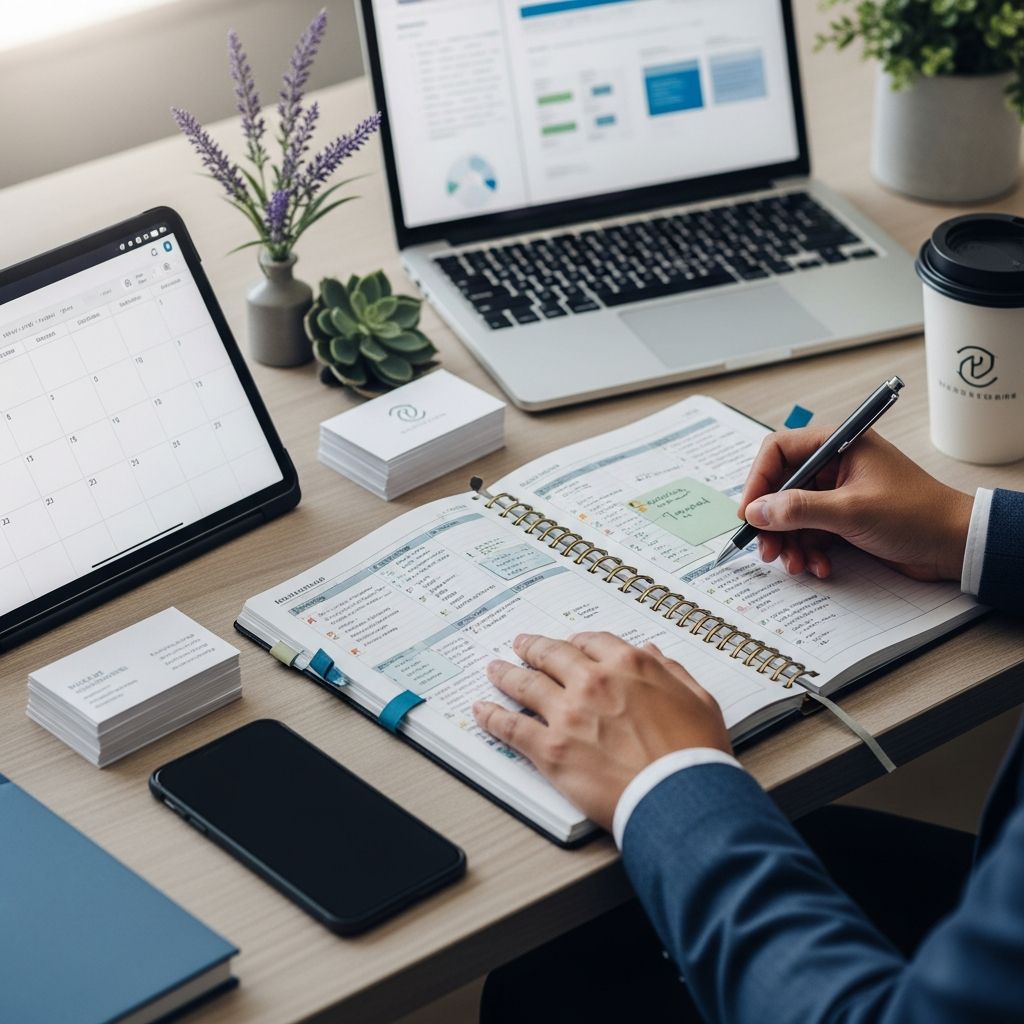
Event organizers play a pivotal role in bringing visions to life, whether coordinating corporate conferences, weddings, or community festivals. Success in this dynamic field demands a blend of technical expertise, interpersonal finesse, and adaptive thinking. This article delves into the foundational competencies that distinguish top performers, offering actionable strategies to develop them.
Building a Strong Organizational Foundation
At the heart of event organization lies **organizational prowess**, enabling professionals to manage timelines, budgets, and resources seamlessly. Event organizers track vendors, venues, and schedules while balancing multiple deadlines.
Effective organization involves creating detailed checklists and timelines from inception to wrap-up. For instance, segment planning into phases: pre-event preparation, execution, and post-event evaluation. Tools like project management software can centralize communications and updates, reducing oversights.
- Prioritize tasks using Eisenhower matrices to focus on urgent and important items.
- Conduct regular reviews to adjust plans dynamically.
- Maintain a centralized repository for all documents and decisions.
According to the U.S. Bureau of Labor Statistics, meeting planners must juggle these elements to meet client expectations efficiently.
Enhancing Communication for Seamless Coordination
**Communication skills** are indispensable, as organizers interact with diverse stakeholders including clients, vendors, and attendees. Clear verbal and nonverbal exchanges ensure alignment on goals and expectations.
Active listening—through note-taking, probing questions, and confirmations—helps capture precise client needs. Verbal skills shine in phone calls or meetings, while nonverbal cues like body language build trust during in-person negotiations.
| Communication Type | Key Applications | Tips for Improvement |
|---|---|---|
| Verbal | Client briefings, vendor calls | Practice concise scripting |
| Nonverbal | Reading team dynamics | Observe emotional cues |
| Written | Emails, contracts | Use templates for clarity |
Strong networks amplify communication, fostering repeat collaborations.
Cultivating Creativity to Elevate Events
**Creativity** turns standard events into memorable spectacles. Organizers ideate themes, decor, and formats that align with client visions while staying within constraints.
Brainstorming sessions generate innovative solutions, such as thematic integrations or budget-friendly alternatives. When challenges arise, creative pivots—like impromptu entertainment swaps—maintain momentum.
- Draw inspiration from diverse sources: art, nature, cultural trends.
- Prototype ideas with mood boards or virtual mockups.
- Encourage team input for multifaceted perspectives.
This skill not only meets but exceeds expectations, differentiating organizers in competitive markets.
Sharpening Problem-Solving and Critical Thinking
Events rarely unfold perfectly; **critical thinking** and problem-solving address disruptions like vendor no-shows or weather issues.
Professionals assess situations swiftly, weigh options, and implement fixes with minimal disruption. Resilience ensures composure under pressure, turning potential crises into triumphs.
Steps for effective resolution:
- Identify the root cause objectively.
- Brainstorm viable alternatives.
- Test and execute the optimal path.
- Debrief to prevent recurrence.
Falmouth University highlights how quick thinking preserves client confidence.
Mastering Multitasking and Time Management
**Multitasking** is routine, as organizers oversee budgets, logistics, and promotions simultaneously.
Prioritization and focus mitigate overload. Stress management techniques, like deep breathing or delegation, sustain performance. Attention to detail catches nuances, from dietary needs to signage accuracy.
Proven strategies include:
- Time-blocking schedules for focused work blocks.
- Delegating based on team strengths.
- Using apps for real-time task tracking.
Developing Leadership and Negotiation Abilities
**Leadership** inspires teams, from staff oversight to vendor coordination. Natural leaders delegate effectively and motivate during high-stakes moments.
**Negotiation** secures favorable terms, balancing costs and quality. Preparation—researching market rates and alternatives—yields better outcomes.
Build these through role-playing scenarios and networking events.
Fostering Empathy and Interpersonal Connections
**Empathy** prioritizes stakeholder needs, enhancing satisfaction. Understanding perspectives via active listening and post-event feedback refines future efforts.
Interpersonal skills facilitate networking, crucial for industry sustainability. Scenarios include guest interactions and stakeholder alignments.
Understanding Event Fundamentals and Industry Knowledge
A **basic grasp of events** covers logistics like room capacities, service timelines, and supplier basics. This knowledge streamlines planning and builds vendor rapport.
Key areas:
- Venue specs: Capacity, AV setups.
- Catering: Timing, portions.
- Entertainment: Tech requirements.
Embracing Flexibility and Stress Resilience
**Flexibility** and adaptability handle unforeseen changes. Stress management—via mindfulness or routines—prevents burnout.
Empathy complements this, diffusing tensions empathetically.
Practical Tips for Skill Development
Hone skills through:
- Volunteering at events for hands-on experience.
- Courses on platforms like Coursera for structured learning.
- Mentorship from seasoned planners.
- Portfolio building with case studies.
Track progress with self-assessments and feedback loops.
Common Challenges and Solutions
| Challenge | Solution |
|---|---|
| Budget overruns | Contingency funds, regular audits |
| Last-minute changes | Backup plans, flexible contracts |
| Team conflicts | Mediation, clear roles |
FAQs
What are the top skills for event organizers?
Key skills include organization, communication, creativity, problem-solving, and leadership.
How can I improve my event planning organization?
Use checklists, timelines, and digital tools for streamlined management.
Why is networking important for event planners?
It builds essential vendor and partner relationships for smooth executions.
How do you handle event-day stress?
Employ stress management, delegation, and contingency planning.
Can anyone become an event organizer?
With dedication to skill-building, yes—start small and gain experience.
References
- Event Planner Skills: Definition and Examples — Indeed.com. 2023-10-15. https://www.indeed.com/career-advice/resumes-cover-letters/event-planner-skills
- 9 skills every event planner should have — zkipster. 2023-05-20. https://www.zkipster.com/blog/event-planner-skills
- The 6 Must-Have Event Planning Skills You Need for Career Success — Social Tables. 2023-08-12. https://www.socialtables.com/blog/event-planning/event-planning-skills/
- 7 Event Management skills needed for success — Falmouth University. 2024-01-10. https://www.falmouth.ac.uk/news/7-event-management-skills-needed-success
- Meeting, Convention, and Event Planners — U.S. Bureau of Labor Statistics. 2025-09-05. https://www.bls.gov/ooh/business-and-financial/meeting-convention-and-event-planners.htm

Medha Deb is an editor with a master's degree in Applied Linguistics from the University of Hyderabad. She believes that her qualification has helped her develop a deep understanding of language and its application in various contexts. Medha specializes in the areas of beauty, health, sports, and wellness and is committed to ensuring that the content on the website is…