
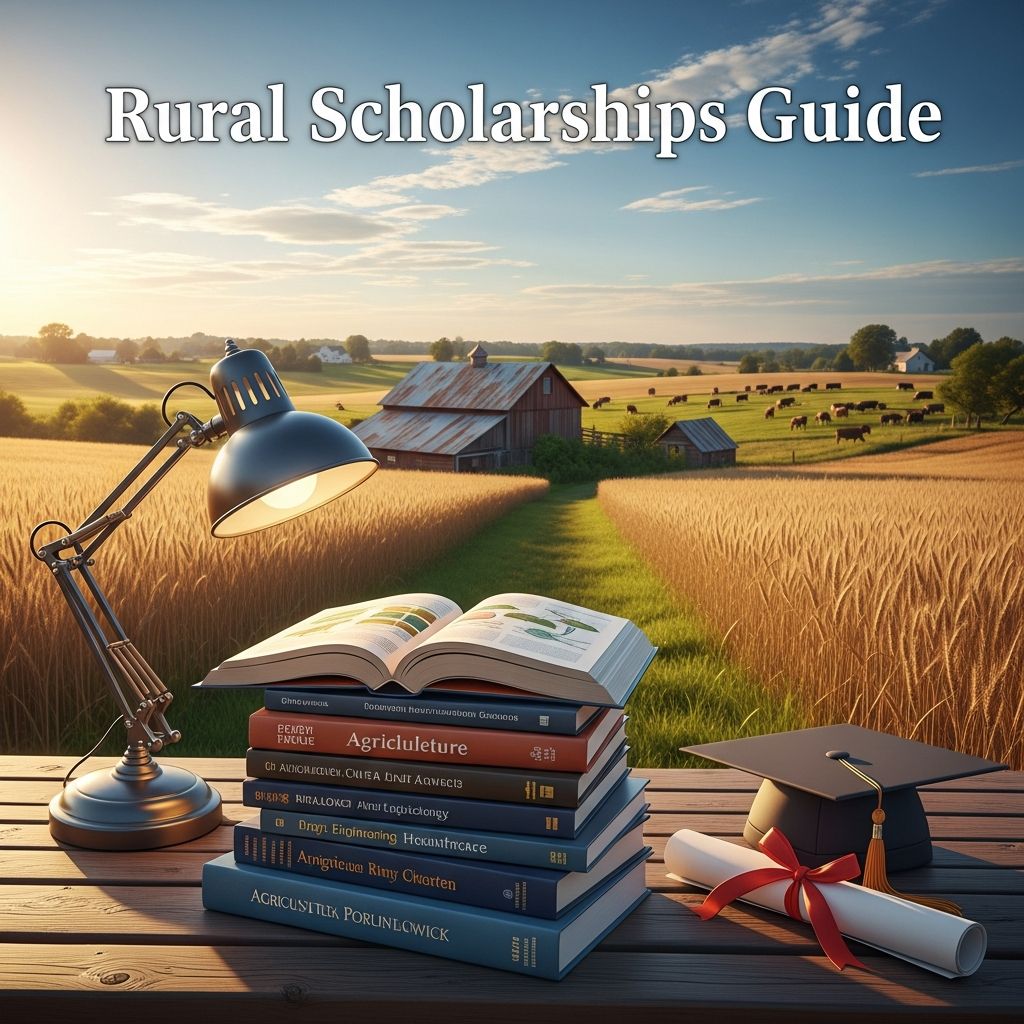
Students from rural areas often face unique financial hurdles when pursuing higher education, but targeted scholarships can bridge that gap. These awards recognize the challenges of limited resources in small communities and support those committed to rural life or agriculture-related careers.
Why Rural Students Need Specialized Funding
Rural regions typically have fewer local scholarship opportunities compared to urban areas, exacerbating college affordability issues. According to data from educational foundations, students in areas with populations under 50,000 often rely on national programs to cover tuition and living expenses. These scholarships not only provide financial relief but also encourage recipients to return to or contribute to rural economies post-graduation.
Key benefits include renewable awards, study abroad stipends, and coverage for vocational training, making higher education accessible without overwhelming debt.
Top National Scholarships for Rural Learners
Several organizations prioritize rural applicants with generous funding. Below are standout options with detailed eligibility and application insights.
Foundation for Rural Service Awards
This program supports first-year students from rural broadband communities, offering one-time grants ranging from $500 to $7,000. In 2025, it distributed $160,500 across 50 recipients, sponsored by NTCA member companies.
- Eligibility: High school seniors, U.S. citizens, minimum 2.0 GPA, accepted to accredited 2- or 4-year institutions or vocational schools.
- Requirements: Sponsorship from an NTCA-Rural Broadband Association member; intent to return to rural areas encouraged.
- Deadline: Applications typically open in November.
- Special Tracks: STEM/medical majors can access up to $5,000; additional named awards available.
Applicants should verify sponsorship through local telecom providers serving rural areas.
Hagan Scholarship Foundation Support
Providing up to $7,500 per semester, this foundation targets unmet needs for small-town students. Freshmen receive $1,000 for supplies, and high achievers qualify for $8,000 study abroad funding.
- Eligibility: From towns/populations ≤50,000; U.S. citizens in 20 eligible states; 3.5+ GPA; ACT 23+ or SAT 1200+.
- Additional: Complete FAFSA; 240 pre-college work hours.
- Deadline: December 1.
This merit- and need-based aid renews based on performance, ideal for committed rural scholars.
Agriculture-Focused Opportunities
Agriculture remains a rural cornerstone, with programs like America’s Farmers Grow Ag Leaders offering $1,500 awards through FFA and Bayer partnerships.
| Scholarship | Award Amount | Key Eligibility | Deadline |
|---|---|---|---|
| America’s Farmers Grow Ag Leaders | $1,500 | High school senior/college student <23; FFA member; 2 farmer endorsements | January 11 |
| FFA General Scholarships | $500–$8,000 | Agriculture-related majors; one application for multiple awards | January 11 |
FFA’s streamlined process allows a single submission for various sponsors, maximizing chances.
State and Local Funding Resources
Beyond national options, regional programs abound. In Florida, organizations like the Florida College Access Network list county-specific foundations providing scholarships for rural counties such as Dixie, Citrus, and DeSoto. Examples include:
- Dixie Education Foundation: Targets local high achievers.
- Citrus County Coalition: Supports college-bound residents.
- Polk Education Foundation: Offers merit awards for rural students.
University-specific aid, like University of Florida’s up to $20,000 for out-of-state rural admits, considers essays and service. Contact school counselors or state education departments for tailored lists.
Inclusive Awards for Underserved Groups
Programs like the Rural Gone Urban Foundation provide $1,000 scholarships to rural female students, no GPA required. Open to high school seniors through graduates in colleges, trade schools, or professional programs; prioritizes financial need and work ethic.
- Details: 10 awards annually; applications open March 11; funds sent directly to recipients for flexible use.
Such initiatives promote equity by removing academic barriers, focusing on potential and perseverance.
Application Strategies for Success
To stand out, rural applicants should:
- Start Early: Deadlines cluster in late fall/early winter; prepare essays on rural experiences.
- Gather Endorsements: Secure farmer or community sponsor letters highlighting your background.
- Highlight Unique Stories: Emphasize farm work, community service, or plans to revitalize rural areas.
- Use Aggregators: Tools like College Board BigFuture match profiles to rural-specific aid.
- Combine Awards: Stack scholarships with FAFSA, grants, and work-study.
Maintain a 2.0–3.5 GPA minimum, but leadership trumps perfection in many cases.
Common Challenges and Solutions
Rural students may lack guidance counselors or internet access for applications. Solutions include library visits, FFA chapters, or online platforms like Good Grants for bias-free submissions. Financial need isn’t always required, broadening access.
FAQs
What defines a ‘rural’ area for scholarships?
Typically populations under 50,000, rural broadband service areas, or self-identified small communities.
Can I apply if planning urban college attendance?
Yes, many like Foundation for Rural Service allow city schooling if from rural origins.
Are vocational programs eligible?
Absolutely; awards cover trade schools and technical programs.
How to find state-specific rural aid?
Check networks like Florida College Access or local education foundations.
Do these scholarships renew?
Some, like Hagan, offer per-semester renewal; others are one-time.
These opportunities transform rural backgrounds into launchpads for success. Diligently search and apply to secure your educational future.
References
- Scholarships for Students Who Live in Rural Areas — College Raptor. 2023. https://www.collegeraptor.com/paying-for-college/articles/scholarships/scholarships-students-live-rural-areas/
- Scholarships | FRS — Foundation for Rural Service. 2025-04-24. https://www.frs.org/programs/youth-programs/scholarships
- Foundation for Rural Service General Scholarship — BigFuture College Board. N/A. https://bigfuture.collegeboard.org/scholarships/foundation-for-rural-service-general-scholarship
- Rural Gone Urban Scholarships — Rural Gone Urban Foundation. 2025. https://ruralgoneurban.org/scholarships
- Local Scholarship Resources — Florida College Access Network. N/A. https://floridacollegeaccess.org/initiatives/local-scholarship-resources/

- Integrated M.A. in Applied Linguistics, University of Hyderabad
- 5+ years in editorial, instructional, SEO, and research-based writing
Sneha is a relationships and lifestyle writer with a strong foundation in applied linguistics and certified training in relationship coaching. She brings over five years of writing experience to theskillvault, crafting thoughtful, research-driven content that empowers readers to build healthier relationships, boost emotional well-being, and embrace holistic living. Her writing and insights reflect the belief that beauty, happiness, and wellness…