
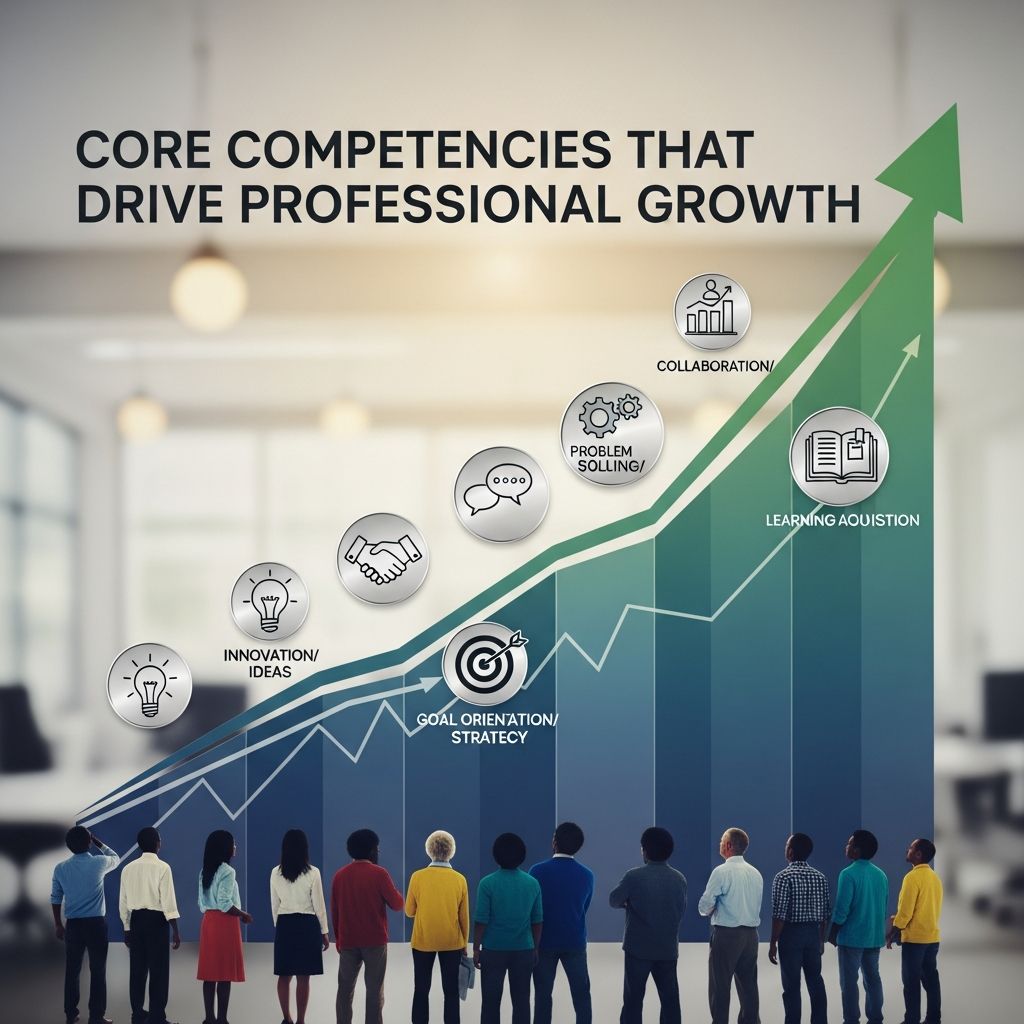
In today’s dynamic job market, success depends less on mastering a single technical skill and more on cultivating a diverse toolkit of capabilities that work across industries and roles. These universal competencies—often called transferable skills—form the foundation of long-term career resilience and advancement. Understanding which abilities matter most and how to develop them can fundamentally transform your professional trajectory.
Understanding Universal Professional Capabilities
Transferable competencies are abilities developed through varied life experiences—previous employment, educational pursuits, volunteer initiatives, or everyday interactions—that remain valuable regardless of your specific job title or industry. Unlike technical skills tied to particular roles, these universal capabilities travel with you throughout your career, enabling you to transition between sectors, adapt to organizational changes, and contribute meaningfully in new environments.
The distinction between hard and soft competencies matters significantly. Hard skills represent technical knowledge, such as proficiency with specialized software or industry-specific tools. Soft skills encompass the interpersonal and behavioral qualities that prove more challenging to teach formally, such as active listening, emotional awareness, and collaborative problem-solving.
The Communication Foundation
Effective communication stands as one of the most consistently valued capabilities across every professional sector. This competency extends far beyond simply speaking clearly; it encompasses the ability to discern context, recognize when questions need asking, interpret body language, and adapt your message for diverse audiences.
Communication mastery includes several interconnected dimensions:
- Verbal expression—delivering information clearly and confidently in various settings
- Written proficiency—composing messages, documents, and reports that convey meaning precisely
- Active reception—truly listening to understand rather than simply waiting to respond
- Non-verbal awareness—recognizing and appropriately using body language, tone, and facial expressions
- Feedback navigation—both delivering constructive input and receiving criticism productively
- Public presentation—speaking persuasively and confidently to groups
- Responsiveness—engaging promptly and thoughtfully with others’ communication attempts
In workplace settings, strong communicators advance more rapidly because they facilitate collaboration, prevent misunderstandings, and move projects forward efficiently. Employers recognize that communication ability directly impacts team cohesion and organizational effectiveness.
Problem-Solving and Analytical Thinking
The capacity to break down complex situations, identify root causes, and develop practical solutions represents an invaluable professional asset. Analytical thinking involves recognizing patterns, gathering pertinent information effectively, maintaining focus on verifiable facts, and isolating key concepts from irrelevant details.
This competency becomes increasingly critical as organizations face mounting complexity and rapid change. Employees who can think critically and solve problems independently reduce reliance on supervisors and demonstrate strategic value to their organizations. Decision-making ability—a closely related skill—requires analyzing circumstances, predicting probable outcomes, and implementing solutions within appropriate timeframes.
Dependability and Professional Integrity
Trustworthiness encompasses qualities that make you a reliable contributor in any professional environment. These include punctuality, organizational capability, responsibility, and consistent adherence to commitments. Organizations universally prioritize candidates who demonstrate reliability because trust enables delegation, project success, and relationship stability.
Dependability rests on several supporting qualities:
- Punctuality—consistently meeting temporal commitments
- Integrity—acting according to ethical principles even when unsupervised
- Sustained work ethic—maintaining diligence, discipline, and purposeful effort
- Self-motivation—pursuing excellence without external prompting
- Honest communication—providing truthful information and acknowledging limitations
These qualities form the bedrock of professional reputation. Employees known for reliability receive better assignments, greater autonomy, and stronger advancement opportunities because managers confidently entrust them with increasingly important responsibilities.
Teamwork and Collaborative Excellence
Few roles today operate in complete isolation; most require coordinating efforts toward shared objectives. Effective teamwork transcends simply being pleasant with colleagues—it demands empathy, attentive listening, strong communication, relationship cultivation, self-awareness, and conflict navigation.
Successful team contributors demonstrate:
- Relationship building—establishing connections based on mutual respect and trust
- Conflict resolution—addressing disagreements constructively and maintaining relationships
- Collaboration—coordinating efforts and combining strengths toward common goals
- Self-awareness—understanding your impact on others and adjusting accordingly
- Collective communication—ensuring all parties understand objectives and progress
Organizations increasingly structure work through cross-functional teams and collaborative projects. Employees who excel at teamwork create more cohesive units, accomplish more ambitious goals, and foster positive workplace cultures.
Organization and Time Stewardship
Organized professionals maintain structured workspaces, clear task systems, and well-managed relationships. This competency directly influences deadline achievement, timely communication, and efficient project completion. Employers trust organized workers to handle complexity without losing important details or deadlines.
Organizational excellence encompasses:
- Time management—allocating hours strategically across competing priorities
- Attention to precision—catching errors and ensuring quality execution
- Analytical organization—breaking complex work into manageable components
- Prioritization—distinguishing urgent matters from important ones
- Project orchestration—coordinating multiple moving parts toward completion
- Resource stewardship—using available tools and budget efficiently
As workloads intensify and multitasking becomes routine, organizational ability increasingly separates high performers from those who struggle under pressure.
Flexibility and Adaptive Resilience
Organizational environments shift constantly—teams restructure, priorities change, technologies evolve, leadership transitions. Adaptability represents the capacity to maintain focus and productivity amid these inevitable transformations. Employers particularly value flexible candidates who learn new processes rapidly and maintain positive attitudes through disruption.
Adaptive professionals cultivate:
- Creative ideation—generating novel approaches and innovative solutions
- Positive perspective—viewing obstacles as opportunities rather than defeats
- Problem-solving orientation—addressing new challenges methodically
- Flexibility—adjusting strategies when initial approaches prove ineffective
- Patience—allowing processes to unfold without frustration during transitions
In uncertain times, adaptive individuals demonstrate resilience that less flexible colleagues lack, positioning themselves as valuable assets during organizational transitions.
Leadership and Influence Without Authority
Leadership transcends formal titles; it manifests whenever you guide individuals or teams toward achievements. Many professional advancement opportunities go to those demonstrating leadership capabilities in current roles, regardless of position level. Leadership competency includes strong communication, relationship building, dependability, and the ability to inspire collaborative achievement.
Leadership dimensions include:
- Delegation—entrusting tasks to others with clear expectations and support
- Interpersonal effectiveness—building mutual respect and understanding
- Conflict navigation—resolving disagreements while preserving relationships
- Project orchestration—planning, initiating, managing, and evaluating initiatives
- Team development—building mutual trust and collective capability
- Risk management—making calculated decisions with uncertain outcomes
- Goal clarification—ensuring everyone understands objectives and progress
Emerging leaders often begin by demonstrating initiative within current roles—volunteering for challenging projects, mentoring colleagues, and taking responsibility for specific outcomes.
Initiative and Motivated Action
Self-motivation—the capacity to drive yourself forward without external prompting—impresses employers across industries. Taking initiative involves identifying opportunities, pursuing new responsibilities, contributing ideas without being asked, and producing quality work demonstrating commitment.
Initiative-oriented professionals:
- Possess self-motivation—pursuing excellence regardless of supervision
- Demonstrate high achievement orientation—setting ambitious goals and pursuing them
- Drive process improvement—identifying inefficiencies and proposing solutions
- Show professional eagerness—displaying genuine interest in organizational success
- Establish independent goals—setting and pursuing personal development objectives
Organizations reward initiative because it reduces management burden and accelerates organizational improvement. Professionals taking initiative often receive accelerated advancement opportunities because they demonstrate commitment beyond job descriptions.
Data Fluency and Contemporary Literacy
As artificial intelligence and automation reshape workplaces, AI literacy and data fluency have emerged as essential competencies across virtually all industries, not exclusively technical roles. Understanding how to work with data, interpret analytical results, and collaborate with AI-driven systems increasingly determines competitive advantage.
Modern professionals benefit from cultivating:
- Data interpretation—understanding and utilizing information insights
- Analytical capability—using data to inform decisions
- AI collaboration—working effectively with intelligent systems
- Technological adaptability—learning new tools and platforms efficiently
- Digital communication—leveraging technology for connection and clarity
Combining technical capabilities with strong interpersonal skills positions professionals to thrive in increasingly automated environments.
Emotional Intelligence and Relational Awareness
Emotional intelligence—understanding and managing your emotions while recognizing others’ emotional states—significantly influences professional success even in roles seemingly unrelated to emotion work. High emotional intelligence supports enhanced performance, stronger leadership potential, and more effective collaboration.
Emotionally intelligent professionals recognize how emotions shape decision-making, communication effectiveness, and relationship quality. As routine tasks increasingly shift toward automation, people who excel at understanding and navigating human dynamics become increasingly valuable.
Strategic Thinking and Big-Picture Perspective
Strategic thinking involves comprehending the broader organizational context, understanding how individual actions connect to larger goals, and making decisions that serve long-term interests rather than immediate convenience. This competency demonstrates that you contribute beyond narrow job descriptions toward overall organizational success.
Strategically thinking professionals:
- Perceive systemic connections—understanding how different elements interact
- Anticipate consequences—considering long-term implications of decisions
- Align efforts—ensuring individual work supports organizational objectives
- Think systemically—addressing root causes rather than symptoms
Cultivating and Strengthening Your Capabilities
Identifying capability gaps represents the first step toward meaningful development. Rather than viewing weaknesses as deficits, recognize them as professional development opportunities. Once identified, pursue intentional strategies for building these competencies:
Online Learning Platforms: Courses on platforms like LinkedIn Learning offer targeted skill development. Excel training, for example, strengthens both organizational ability and analytical thinking—competencies valuable across roles.
Internship and Project Experiences: Hands-on opportunities develop transferable skills in authentic settings. Internships, temporary assignments, and cross-functional projects provide practical experience with teamwork, adaptability, and attention to detail.
Role-Based Development: Volunteering for positions with greater responsibility within current organizations builds leadership capability. Taking on new challenges develops problem-solving, adaptability, and confidence.
Intentional Practice: Research and implement specific techniques. Struggling with time management? Study and apply proven prioritization systems. Aiming to improve leadership? Seek opportunities to mentor colleagues and organize team initiatives.
Articulating Your Competencies Effectively
Identifying capabilities matters little if you cannot communicate them persuasively to potential employers. Rather than simply listing skills, provide concrete examples demonstrating how you applied specific competencies to achieve results. Describe situations where you demonstrated leadership, resolved complex problems, or improved processes through your capabilities.
Effective articulation includes specific contexts, challenges overcome, and measurable outcomes achieved through your capabilities.
The Competitive Advantage of Universal Capabilities
In an increasingly competitive job market, transferable capabilities serve as insurance against career obsolescence. Industries transform, technologies evolve, and organizations restructure—but universal competencies remain perpetually valuable. The most successful professionals combine technical expertise with exceptional interpersonal and strategic capabilities, positioning themselves to thrive through inevitable workplace evolution.
By intentionally developing communication excellence, problem-solving prowess, dependability, collaborative ability, organizational mastery, adaptive flexibility, leadership influence, motivated initiative, contemporary literacy, emotional awareness, and strategic perspective, you create a portfolio of capabilities that accelerate advancement regardless of industry or role.
References
- Transferable skills are key to career success – EF — EF Education First. Accessed January 2026. https://www.ef.edu/blog/language/transferable-skills-key-career-success-heres-develop-highlight-cv/
- 25 Transferable Skills Employers Look For — Penn State Smeal College of Business Career Connections. October 2022. https://careerconnections.smeal.psu.edu/blog/2022/10/28/25-transferable-skills-employers-look-for/
- Transferable Skills: 10 Skills That Work Across Industries — Indeed.com Career Advice. https://www.indeed.com/career-advice/resumes-cover-letters/transferable-skills
- Transferrable Skills — Duke University Career Hub. https://careerhub.students.duke.edu/resources/transferrable-skills/
- Top 20 Transferable Skills for Your Resume in 2026: Future-Proof Your Career — The Interview Guys. January 2026. https://blog.theinterviewguys.com/top-20-transferable-skills-for-your-resume-in-2026/
- Transferable Skills: Three Major Competencies Organizations Seek — University of Southern California Career Center. https://careers.usc.edu/resources/transferable-skills/

Medha Deb is an editor with a master's degree in Applied Linguistics from the University of Hyderabad. She believes that her qualification has helped her develop a deep understanding of language and its application in various contexts. Medha specializes in the areas of beauty, health, sports, and wellness and is committed to ensuring that the content on the website is…