
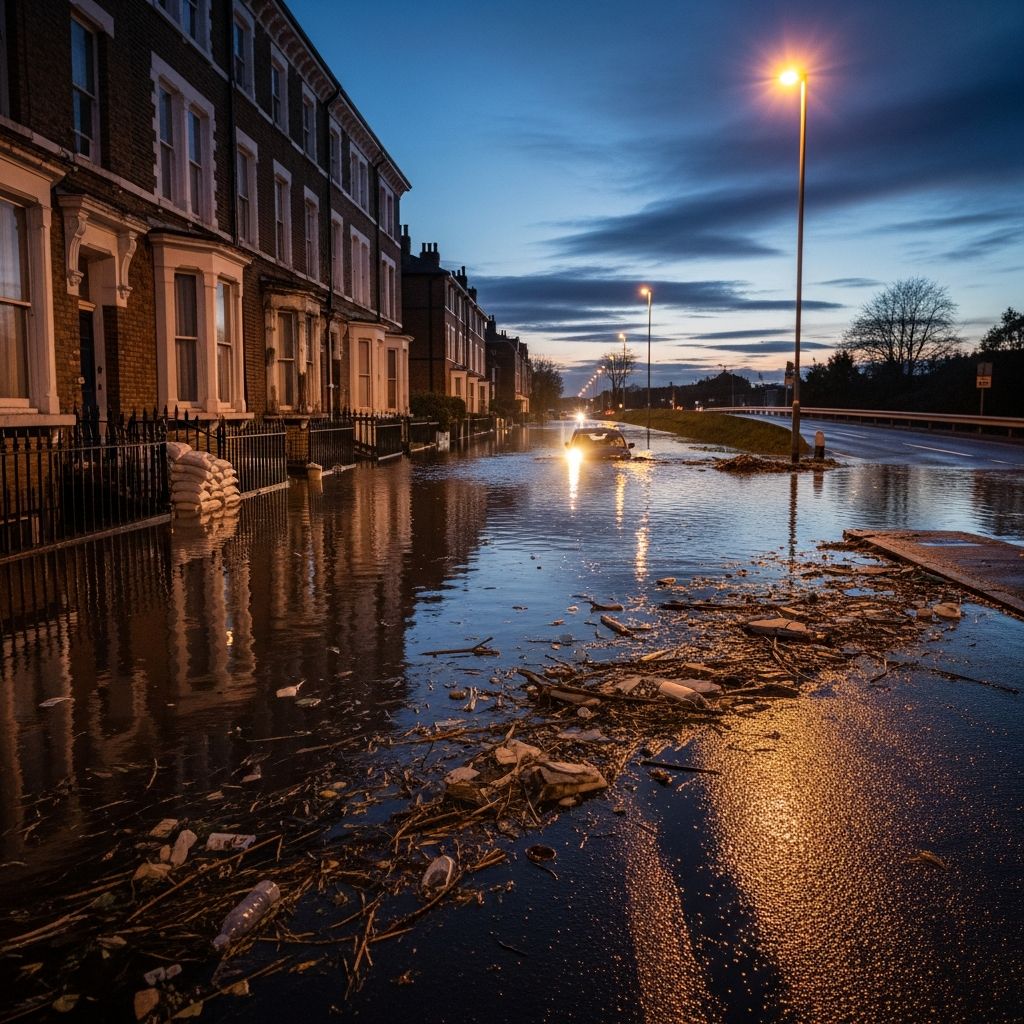
Floods represent one of the most frequent and destructive natural disasters, affecting millions globally each year. These events arise from various meteorological, geological, and human-induced factors, leading to significant loss of life, property damage, and economic disruption. Recognizing the distinct categories of floods is crucial for effective preparedness, response, and mitigation strategies.
Riverine Flooding: The Slow-Building Threat
Riverine or fluvial flooding occurs when rivers, streams, or creeks exceed their banks due to prolonged or intense rainfall, rapid snowmelt, or ice jams. This type typically develops gradually over hours or days, allowing some evacuation time but often impacting vast areas downstream.
Key triggers include sustained precipitation over large watersheds, where water accumulates faster than it can drain. In colder climates, snowmelt combined with rain can overwhelm river systems, while ice blockages create temporary dams that burst catastrophically. Large rivers with expansive catchments, such as the Mississippi or Yangtze, exemplify this, where upstream events cascade into widespread inundation.
- Duration: Slow-rising, lasting days to weeks.
- Areas Affected: Floodplains, agricultural lands, urban zones near rivers.
- Risks: Crop destruction, infrastructure failure, displacement of populations.
Historical precedents include the 2011 Mississippi River floods, which submerged thousands of square miles, and Europe’s 2021 Ahr Valley disaster, highlighting vulnerabilities in developed regions.
Flash Floods: Sudden and Deadly
Flash floods strike with minimal warning, often within minutes of heavy rainfall, dam failures, or debris flows. Characterized by rapid water rise and high velocity, they ravage canyons, urban streets, and arid regions.
These events stem from intense, localized downpours—convective thunderstorms dumping several inches per hour—or sudden releases from upstream barriers. Burn scars from wildfires exacerbate risks, as scorched soil repels water, accelerating runoff. Unlike river floods, flash floods need not involve waterways; they form from overland flow.
| Factor | Contribution to Flash Floods |
|---|---|
| Intense Rainfall | Primary trigger in humid and arid zones |
| Dam/Levee Failure | Sudden water release |
| Wildfire Aftermath | Reduced soil absorption |
| Steep Terrain | Accelerates water speed |
The 1976 Big Thompson Canyon flood in Colorado killed 144 due to 12 inches of rain in hours, demonstrating the lethal power of debris-laden torrents.
Coastal Flooding and Storm Surges: Ocean-Driven Devastation
Coastal floods inundate shorelines when seawater overtops defenses, driven by storm surges, high tides, tsunamis, or king tides. Storm surges, an abnormal water rise from wind, waves, and low pressure, amplify during hurricanes.
Hurricanes and typhoons push water inland, with surge heights reaching 20+ feet when coinciding with tides. Low-lying areas like the U.S. Gulf Coast or Bangladesh deltas face recurrent threats. Tsunamis add seismic triggers, as seen in 2004’s Indian Ocean event.
- High-Risk Zones: Estuaries, barrier islands, ports.
- Compounding Factors: Sea-level rise, subsidence.
- Impacts: Erosion, saltwater intrusion, mass evacuations.
Hurricane Katrina’s 2005 surge flooded 80% of New Orleans, causing over 1,800 deaths and $125 billion in damage—a stark reminder of vulnerability.
Urban and Pluvial Flooding: The City Dilemma
Pluvial or surface water flooding happens when rainfall overwhelms urban drainage, independent of rivers. Impervious surfaces like concrete amplify runoff, pooling water in streets, basements, and subways.
Urban areas suffer ‘bathtub effect’ from poor infrastructure, leading to shallow but economically crippling floods. Flash variants occur in cities too, merging with fluvial risks. Climate change intensifies events via heavier downpours.
London’s 2021 metro floods and Houston’s Hurricane Harvey (2017) illustrate how development heightens exposure, with billions in repairs.
Groundwater and Other Emerging Flood Risks
Less visible, groundwater flooding emerges when aquifers rise post-prolonged rain, saturating basements and lowlands without surface water. Ice jam floods block rivers with frozen debris, while rare intentional floods serve agriculture or defense.
In karst regions, sinkholes channel water underground, surfacing unexpectedly. These niche types compound mainstream floods, demanding holistic monitoring.
Global Flood Patterns and Climate Influence
Floods vary by geography: monsoonal Asia sees riverine deluges; arid Southwest U.S. battles flash floods; tropics endure coastal surges. Climate shifts boost intensity—warmer air holds more moisture, elevating risks 7-20% per degree Celsius.
Urbanization fragments wetlands, slicing natural absorption by 50% in some cities. Population growth in floodplains multiplies human toll.
Measuring Flood Severity and Response
Flood stages gauge risk: minor (inconvenience), moderate (evacuation), major (catastrophic). Models integrate rainfall, soil moisture, topography for forecasts. NOAA and USGS provide real-time data, enabling warnings.
Prevention and Mitigation Strategies
Effective defenses blend structural and non-structural measures:
- Engineering: Levees, floodwalls, reservoirs—but failures like New Orleans show limits.
- Nature-Based: Wetlands restoration, permeable pavements absorb billions of gallons annually.
- Planning: Zoning laws, elevation standards reduce exposure.
- Early Warning: Systems save lives, as in Bangladesh’s cyclone shelters.
Community drills, insurance, and resilient infrastructure cut losses 30-50%.
Frequently Asked Questions (FAQs)
What causes the most deadly floods?
Flash floods kill most due to speed and surprise, outpacing evacuations.
How does climate change affect flooding?
It intensifies rainfall and surges, raising frequency in vulnerable areas.
Can floods be completely prevented?
No, but risks lessen through smart planning and infrastructure.
Are urban areas more prone now?
Yes, impervious surfaces worsen pluvial flooding amid heavier rains.
What to do during a flash flood warning?
Move to high ground immediately; avoid flooded roads—’Turn Around, Don’t Drown.’
References
- Understanding the three most common flood types — Zurich Insurance. 2023. https://www.zurich.com/insights/business/three-common-types-of-flood
- Flood — Wikipedia (informed by primary sources). 2024-04-01. https://en.wikipedia.org/wiki/Flood
- Severe Weather 101: Flood Types — National Severe Storms Laboratory (NOAA). 2023. https://www.nssl.noaa.gov/education/svrwx101/floods/types/
- What are two types of floods? — U.S. Geological Survey. 2024. https://www.usgs.gov/faqs/what-are-two-types-floods
- Types of flooding — Institute for Catastrophic Loss Reduction (ICLR). 2021-04-01. https://www.iclr.org/wp-content/uploads/2021/04/ICLR_Flooding_2021.pdf

- Integrated M.A. in Applied Linguistics, University of Hyderabad
- 5+ years in editorial, instructional, SEO, and research-based writing
Sneha is a relationships and lifestyle writer with a strong foundation in applied linguistics and certified training in relationship coaching. She brings over five years of writing experience to theskillvault, crafting thoughtful, research-driven content that empowers readers to build healthier relationships, boost emotional well-being, and embrace holistic living. Her writing and insights reflect the belief that beauty, happiness, and wellness…