
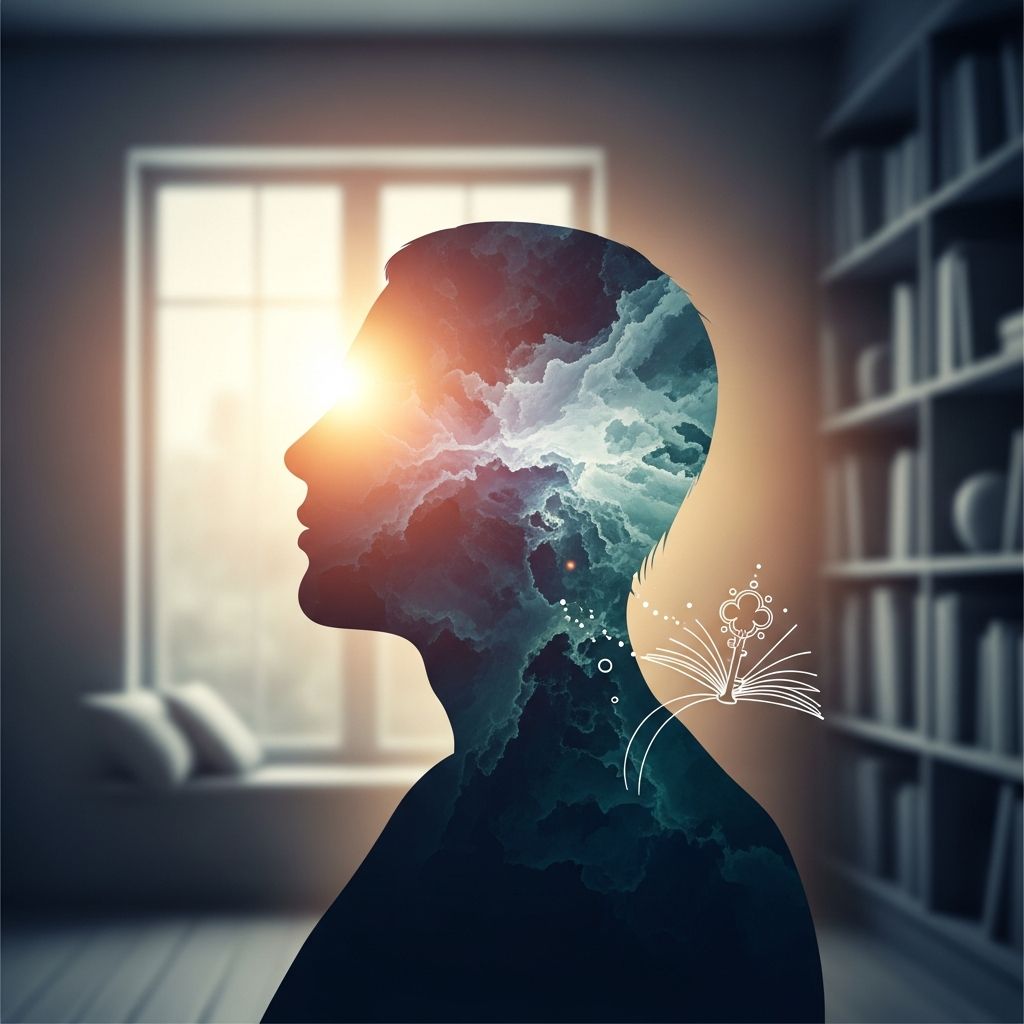
Decoding Introversion: Beyond the Quiet Stereotype
The concept of introversion has been widely misunderstood for decades. When people hear the word “introvert,” they often envision someone shy, socially awkward, or antisocial. However, introversion is fundamentally about how individuals process energy and stimulation, not about their social capabilities or comfort levels. An introvert is someone who gains energy and fulfillment from solitude and quieter, low-stimulation environments, rather than from external social interactions. This distinction is crucial because it allows us to understand that introversion exists on a spectrum, and many introverts are remarkably social, articulate, and engaging when the context suits their needs.
Introversion as a personality construct has roots in Carl Jung’s psychological theory from 1910, where he positioned it as one end of a continuum, with extraversion occupying the opposite pole. Since then, psychological research has deepened our understanding of this personality dimension, revealing that it involves specific neurological patterns, behavioral preferences, and cognitive styles. Understanding your own introversion levels can help you navigate relationships, career choices, and personal development with greater authenticity and self-awareness.
The Energy Paradox: How Introverts Recharge
The most defining characteristic of introversion is the relationship between social interaction and energy levels. While extroverts experience a surge of energy and motivation from being around others and engaging in external activities, introverts experience the opposite pattern. Social interactions, particularly those in large groups or high-stimulation environments, drain the mental and emotional reserves of introverted individuals.
This is not a choice or a preference based on mood; it’s a fundamental difference in how the nervous system responds to external stimulation. Introverts require solitude to recharge their internal batteries. This alone time is not indicative of loneliness, antisocial behavior, or depression—it’s simply what they need to restore their psychological equilibrium. During solitary periods, introverts engage in activities that might include reading, pursuing hobbies, creative endeavors, or simply reflecting on their thoughts and experiences. These moments of quietude are essential for their well-being and productivity.
Understanding this energy dynamic is particularly important in professional and personal relationships. When someone close to an introvert respects their need for downtime without taking it personally, the relationship strengthens significantly. Similarly, when introverts recognize and communicate their recharge requirements to others, they can maintain healthier boundaries and prevent burnout.
The Inner World: Cognitive Characteristics of Introverts
Introverts possess a remarkably active inner mental landscape. Their consciousness is characterized by constant internal dialogue, self-reflection, and contemplative thinking. This active inner monologue is not something they can simply turn off; it runs continuously in the background, even during sleep and social interactions. This constant mental activity explains why many introverts struggle with insomnia—their minds are persistently processing thoughts, analyzing past interactions, and planning future scenarios.
This introspective tendency drives several cognitive strengths. Introverts naturally engage in what researchers call “reflective thinking,” a process of carefully examining information, considering multiple perspectives, and weighing options before taking action. They tend to think before speaking, which often results in more measured, thoughtful contributions to conversations. In professional settings, this translates to fewer impulsive decisions and a greater likelihood of well-developed strategies.
The rich internal world of introverts also contributes to their capacity for deep self-understanding. Many introverts are naturally self-aware, spending considerable mental energy examining their own emotions, motivations, and reactions. This self-awareness can be a tremendous asset for personal growth and development. However, it can also become problematic when introverts ruminate excessively or engage in negative self-analysis, potentially contributing to anxiety or depression if not properly managed.
Social Preferences and Relationship Patterns
A common misconception about introverts is that they dislike people or avoid relationships altogether. In reality, introverts do value relationships deeply—they simply approach them differently than their extroverted counterparts. Rather than maintaining large networks of casual acquaintances, introverts typically invest in a smaller circle of meaningful, close relationships.
Introverts excel at one-on-one interactions and small group conversations where they can engage in substantive dialogue. They gravitate toward deep, authentic connections rather than surface-level socializing. In these intimate settings, introverts often shine as exceptional listeners and empathetic communicators. They have the capacity to set aside their own thoughts temporarily to allow others space for self-expression and emotional processing. This quality makes them trusted confidants and valued friends.
Small talk presents a particular challenge for many introverts. The conventional social convention of exchanging pleasantries about weather, celebrities, or other superficial topics feels inauthentic and energy-draining to them. They would much rather skip the small talk and move directly into meaningful conversation about ideas, experiences, or shared interests. This preference isn’t rudeness—it reflects a deeper drive for authenticity and substantive connection.
The Power of Observation and Strategic Thinking
Introverts are natural observers. In social situations, they often prefer to stand back and take in their surroundings before actively participating. This observational tendency is frequently mistaken for shyness or disinterest, but it actually reflects a deliberate strategy for gathering information and understanding their environment. While others are busy talking, introverts are absorbing details, reading social cues, and developing a comprehensive understanding of the group dynamics.
This observational strength extends into how introverts approach problem-solving and decision-making. Rather than jumping into action impulsively, they tend to research thoroughly, consider multiple angles, and mentally rehearse scenarios before committing to a course of action. This methodical approach often results in better-considered decisions and fewer costly mistakes. In complex or high-stakes situations, this careful deliberation becomes a significant advantage.
The observational nature of introverts also contributes to their ability to notice patterns and connections that others might miss. This capacity, combined with their reflective thinking style, positions them well for roles that require analysis, research, strategic planning, and creative problem-solving.
Emotional Sensitivity and Depth
Research suggests that introverts experience emotions with greater intensity and sensitivity compared to extroverts. They process emotional stimuli more deeply and may take longer to recover from emotionally charged events. This heightened emotional responsiveness can be both a strength and a vulnerability.
On the positive side, this emotional depth allows introverts to appreciate beauty, art, music, and human connection in profound ways. They often make exceptionally empathetic individuals who can understand and validate others’ emotional experiences. On the challenging side, this same sensitivity can lead to feeling overwhelmed in chaotic or emotionally intense environments, and in some cases, contribute to anxiety or depression if not properly addressed.
Because of this emotional sensitivity, introverts typically prefer to spend their social energy with people who understand and respect their needs. They want relationships with individuals who recognize that their need for space doesn’t indicate a lack of care or interest. Having a supportive network that validates their emotional experience is particularly important for introverted individuals’ mental health and well-being.
Creativity and Imaginative Capacity
Many introverts demonstrate remarkable creative and imaginative abilities. Their tendency toward solitude and internal focus provides ample opportunity for their minds to explore possibilities, generate novel ideas, and engage in abstract thinking. During quiet moments, introverts naturally turn inward, allowing their imagination to wander and their creativity to flourish.
The reflective and curious nature of introverted thinking makes them well-suited for creative pursuits including writing, art, music composition, design, and strategic innovation. However, it’s important to note that creativity itself is not exclusively an introvert trait—extroverts can be equally creative. Rather, the environment and conditions that foster creativity often favor introverted approaches: solitude, deep focus, and time for reflection.
Common Myths About Introversion
Myth 1: Introversion Equals Shyness
This is perhaps the most pervasive misconception. Shyness is a form of social anxiety—a fear or apprehension about social evaluation. Introversion, by contrast, is simply a preference for lower-stimulation environments and a tendency to gain energy from solitude. Many introverts are not shy at all; they can be confident, articulate, and socially skilled. Conversely, some extroverts experience shyness despite their natural inclination toward social engagement.
Myth 2: Introverts Don’t Like People
This false assumption ignores the reality that introverts form meaningful connections and value relationships. They simply prefer quality over quantity and may need more recovery time after social engagement. Dismissing introverts as misanthropic misses the depth of care and commitment they bring to their relationships.
Myth 3: Introverts Should “Try Harder” to Be Social
Suggesting that introverts need to force themselves into constant social engagement misunderstands their fundamental nature. Pressuring an introvert to behave like an extrovert is akin to asking someone to operate against their natural neurological wiring. This approach typically results in exhaustion and resentment rather than personal growth.
Myth 4: All Introverts Are Creative
While introversion can support creative thinking, creativity itself stems from other personality factors such as openness to experience. Not all introverts are highly creative, and creativity is not exclusive to introverted individuals.
Recognizing Your Own Introversion
Are you an introvert? Consider whether these patterns resonate with your experience:
Energy and Solitude: Do you feel genuinely refreshed and restored after spending time alone? Does this restorative effect feel necessary rather than optional?
Social Drainage: Do social interactions, particularly in large groups, leave you feeling exhausted even if you enjoyed them? Do you need significant downtime to recover?
Internal Focus: Is your attention naturally directed inward toward your thoughts, feelings, and internal experiences? Do you have an active inner monologue?
Preference for Depth: Do you prefer meaningful one-on-one conversations over superficial group socializing? Does small talk feel draining rather than enjoyable?
Thoughtful Communication: Do you tend to think before speaking? Do you often feel others don’t give you sufficient time to formulate your thoughts in group settings?
Selective Relationships: Do you maintain a smaller number of close friendships rather than a large social network? Are you selective about who you spend time with?
Environmental Sensitivity: Are you more aware of and affected by sensory stimuli like noise, lighting, and crowding? Do you seek quieter, calmer environments?
If multiple aspects of introversion resonate with you, you likely fall somewhere along the introversion spectrum. Remember that introversion is not an all-or-nothing category—many people are “ambiverts” who display a balance of introverted and extroverted characteristics depending on context, mood, and the people involved.
Navigating Professional and Personal Success as an Introvert
Understanding your introversion can significantly enhance your success in various life domains. Professionally, recognizing your strengths—such as careful analysis, thoughtful decision-making, and one-on-one leadership—allows you to leverage your natural abilities. Rather than forcing yourself into traditional “charismatic leader” molds, you can develop authentic leadership styles that play to your strengths.
In personal relationships, communicating your needs for alone time and explaining that it’s not a rejection but a necessity helps partners understand and support you. Setting healthy boundaries around your social energy prevents resentment and burnout. Many introverts find that being honest about their personality type actually strengthens their relationships because it removes misunderstandings and allows others to respond appropriately.
Frequently Asked Questions
Q: Can an introvert become an extrovert?
A: Introversion is a fundamental aspect of personality with neurological roots. While introverts can develop social skills and become more comfortable in social situations, they don’t fundamentally change their energy sources. They may learn to function effectively in extroverted contexts, but they’ll still require solitude to recharge.
Q: Is introversion the same as social anxiety?
A: No. Introversion is a personality preference for lower stimulation; social anxiety is fear of social judgment or negative evaluation. Some introverts have social anxiety, but many do not. Similarly, some extroverts experience social anxiety despite their natural inclination toward social engagement.
Q: Can introverts succeed in careers that require public speaking or sales?
A: Absolutely. Many successful public speakers, salespeople, and performers are introverts. They may prepare more thoroughly, experience greater nervousness beforehand, and require more recovery time afterward, but they can excel in these roles by leveraging their strengths and developing appropriate strategies.
Q: How can extroverts support their introverted partners or colleagues?
A: Respect their need for alone time without taking it personally. Give them advance notice of social events, don’t pressure them to attend every social gathering, and appreciate their contributions even when they’re quieter than expected. Create space for one-on-one interaction where introverts often shine.
Q: Is introversion more common in certain professions?
A: While introverts may gravitate toward roles emphasizing analysis, writing, or independent work, they’re represented across all professions. Many successful introverts thrive in people-focused careers by working in ways that align with their personality.
References
- What Is An Introvert Personality? — Simply Psychology. Accessed December 2025. https://www.simplypsychology.org/signs-you-are-an-introvert.html
- What Is an Introvert? Personality, Characteristics, and More — Healthline. Accessed December 2025. https://www.healthline.com/health/what-is-an-introvert
- What Is an Introvert? Common Traits and Misconceptions — Cleveland Clinic. Accessed December 2025. https://health.clevelandclinic.org/introvert
- Introvert vs Extrovert: Understanding the Spectrum — Positive Psychology. Accessed December 2025. https://positivepsychology.com/introversion-extroversion-spectrum/

Medha Deb is an editor with a master's degree in Applied Linguistics from the University of Hyderabad. She believes that her qualification has helped her develop a deep understanding of language and its application in various contexts. Medha specializes in the areas of beauty, health, sports, and wellness and is committed to ensuring that the content on the website is…