
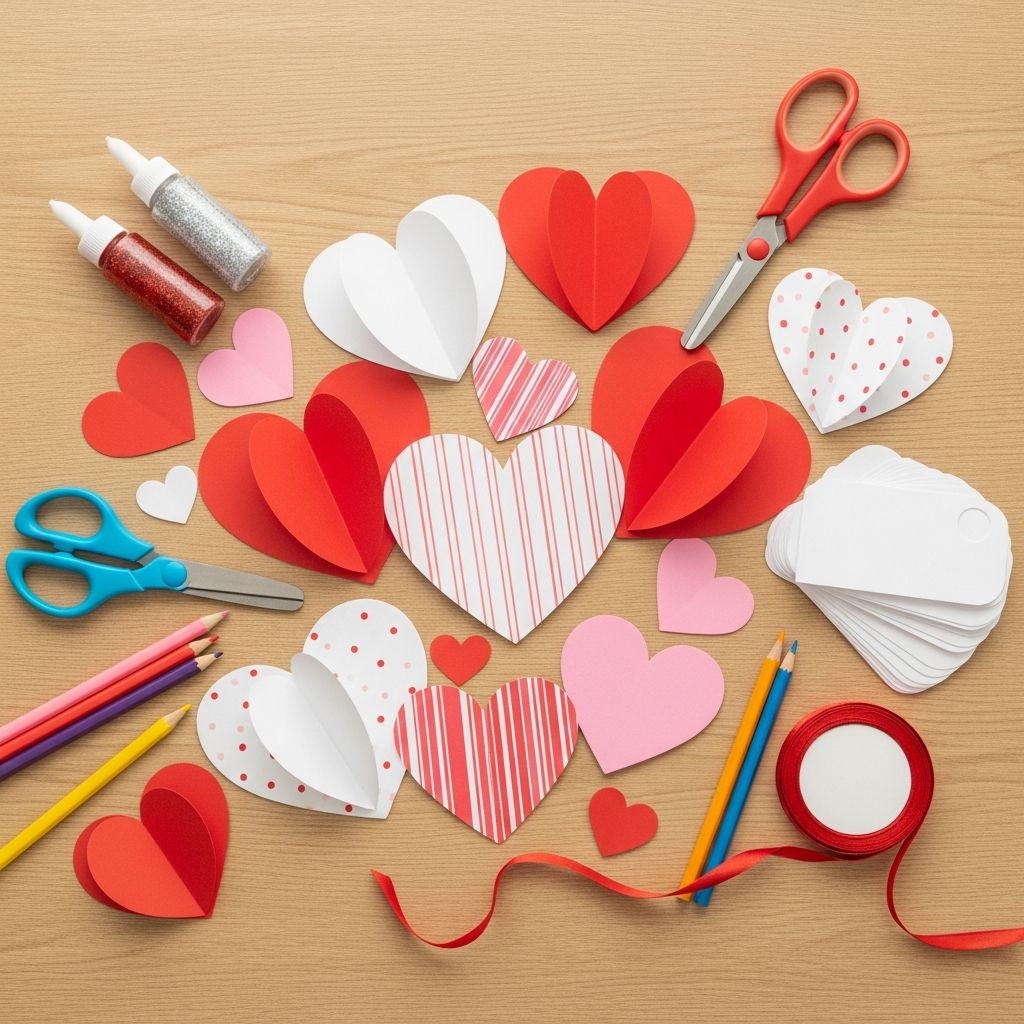
Valentine’s Day offers a unique opportunity to shift focus from candy and cards to cultivating genuine compassion in young learners. By integrating purposeful activities, educators can help students develop empathy, gratitude, and social awareness that extend far beyond February 14th. These original strategies draw on proven educational practices to create memorable experiences promoting positive behavior.
Why Prioritize Kindness in February
February aligns perfectly with themes of love and connection, making it ideal for kindness education. Research from child development experts shows that early interventions in social-emotional learning improve peer relationships and academic performance. Activities tied to holidays like Valentine’s Day make abstract concepts tangible, encouraging students to practice empathy daily.
Kindness initiatives reduce bullying incidents and boost classroom morale. When children actively compliment peers or perform small acts of service, they internalize positive habits. Teachers report higher engagement when lessons blend festivity with meaningful goals, turning a single day into a launchpad for year-long growth.
Compliment Circle Exchange
Start the day with a structured compliment activity to set a positive tone. Provide each student with a paper heart or placemat. Instruct them to rotate around the room, writing one specific, genuine compliment on each classmate’s heart. Emphasize authenticity—focus on effort, personality traits, or helpful actions rather than appearance.
This exercise builds observation skills and breaks down social barriers. Students often discover hidden strengths in peers, fostering inclusivity. For younger groups, model examples like “I appreciate how you share crayons during art time.” Display completed hearts on a bulletin board as a visual affirmation wall.
- Materials needed: Construction paper hearts, markers, tape for display.
- Time required: 20-30 minutes.
- Adaptations: For shy students, allow pair-sharing before full group rotation.
Empathy Tree of Good Deeds
Create a collaborative classroom display symbolizing collective kindness. Draw or construct a large tree trunk on poster board or a wall. Over several days leading to Valentine’s, have students brainstorm ways to show care—such as helping a friend with homework or smiling at someone new.
Each child cuts out a leaf or heart shape, writes their idea, and adds it to the branches. This growing tree serves as a constant reminder, sparking discussions on real-life applications. Extend by challenging students to perform one deed from the tree weekly.
| Grade Level | Tree Theme Variation |
|---|---|
| Kindergarten | Simple drawings of kind actions |
| Grades 1-2 | Short sentences describing deeds |
| Grades 3-5 | Personal stories or quotes |
Random Acts Heart Hunt
Turn the classroom or school into a kindness scavenger hunt. Prepare paper hearts with prompts like “Hold the door for a friend,” “Say something encouraging,” or “Pick up litter.” Hide them strategically, and as students find each, they complete the task immediately.
This gamified approach makes kindness exciting and immediate. Track completions on a class chart, celebrating milestones with group cheers. It reinforces that small actions accumulate into big impacts, aligning with social-emotional learning frameworks.
Gratitude Notes for Community Helpers
Expand kindness beyond the classroom by crafting notes for everyday heroes—janitors, librarians, or bus drivers. Guide students to reflect: What does this person do? How does it help us? Pair with drawings or simple messages like “Thank you for keeping our school clean!”
Deliver notes personally for maximum effect, teaching public appreciation. This activity cultivates community awareness and gratitude, key components of emotional intelligence.
Decorative Kindness Rocks
Transform smooth stones into portable positivity. Students paint hearts, then add uplifting messages or quotes like “You are enough” or “Spread joy.” Seal with varnish for durability. Place rocks in a school garden or distribute randomly for surprise encouragement.
Inspired by global projects, this hands-on craft personalizes kindness. Discuss how a single rock might brighten someone’s tough day, linking to real-world ripple effects.
Family Affirmation Jars
Send home materials for families to create affirmation jars. Students decorate jars and write notes highlighting loved ones’ strengths—”You make me laugh” or “Thanks for bedtime stories.” This bridges school and home, reinforcing kindness in personal relationships.
Follow up by sharing jar stories in class, modeling vulnerability and positivity.
Heart Necklace Crafts as Gifts
Recycle cardboard into layered heart necklaces. Stack and glue heart shapes, then decorate with colors, stickers, or beads. Students dedicate each to a peer or family member, presenting during a kindness share-out.
This tactile project emphasizes thoughtfulness over commercial gifts, teaching value in handmade gestures.
Positive Behavior Surprise Notes
Keep a stack of heart-shaped notes ready for caught-in-the-act kindness. Write the student’s name, specific praise, and attach a small treat like a sticker. Send home to connect with families, strengthening home-school partnerships.
- Examples: “Saw you help clean up blocks—super team player!”
- Benefits: Immediate reinforcement boosts self-esteem.
Building Lasting Kindness Habits
Valentine’s activities shine when tied to ongoing practices. Integrate kindness journals where students log weekly acts, or start meetings with “kindness shares.” Track class progress with a kindness meter filling toward rewards like extra recess.
Partner with counselors for empathy workshops, using role-play scenarios. Measure impact through pre/post surveys on peer perceptions.
Frequently Asked Questions
What age groups work best for these activities?
Adaptable for Pre-K through grade 5; simplify for younger kids with pictures, add writing for older ones.
How do I handle students who struggle with compliments?
Provide sentence starters like “I like how you…” and pair with buddies for support.
Can these be done virtually?
Yes—use shared docs for digital compliments, video calls for shares, and mailed crafts.
What if we have limited supplies?
Use recycled paper, free printables, or digital alternatives like shared Google Slides.
How to assess kindness growth?
Observe participation, journal entries, and peer feedback; use simple rubrics for self-reflection.
Planning Your Kindness-Focused Valentine’s Week
Outline a sample schedule:
- Monday: Introduce challenge, start tree.
- Wednesday: Compliment circles.
- Friday: Heart hunt and reflections.
Rotate stations for variety, ensuring all participate. Parent newsletters amplify reach, inviting home extensions.
These activities not only celebrate Valentine’s but embed kindness as a core value, creating compassionate classrooms.
References
- Three Activities to Promote Kindness This Valentine’s Day — Move This World. 2018-02-08. https://www.movethisworld.com/classroom-resources/2018-2-8-three-activities-to-promote-kindness-this-valentines-day/
- Valentine’s Day Activities That Encourage Kindness and Friendship — Bright Path Kids. N/A. https://brightpathkids.com/family-blog/valentines-day-activities-that-encourage-kindness-and-friendship
- Easy Valentine’s Day Activities for your K-1 Classroom — Sweet Firstie Fun. N/A. https://www.sweetfirstiefun.com/blog/easy-valentines-day-activities-for-your-k-1-classroom
- 4 PBS KIDS activities to nurture kindness this Valentine’s Day — PBS Wisconsin. N/A. https://pbswisconsin.org/article/four-pbs-kids-activities-to-nurture-kindness-this-valentines-day/
- Valentine’s Day Activities to Celebrate Kindness — Doing Good Together. N/A. https://www.doinggoodtogether.org/bhf/blog/valentines-kindness-activities

- Integrated M.A. in Applied Linguistics, University of Hyderabad
- 5+ years in editorial, instructional, SEO, and research-based writing
Sneha is a relationships and lifestyle writer with a strong foundation in applied linguistics and certified training in relationship coaching. She brings over five years of writing experience to theskillvault, crafting thoughtful, research-driven content that empowers readers to build healthier relationships, boost emotional well-being, and embrace holistic living. Her writing and insights reflect the belief that beauty, happiness, and wellness…