
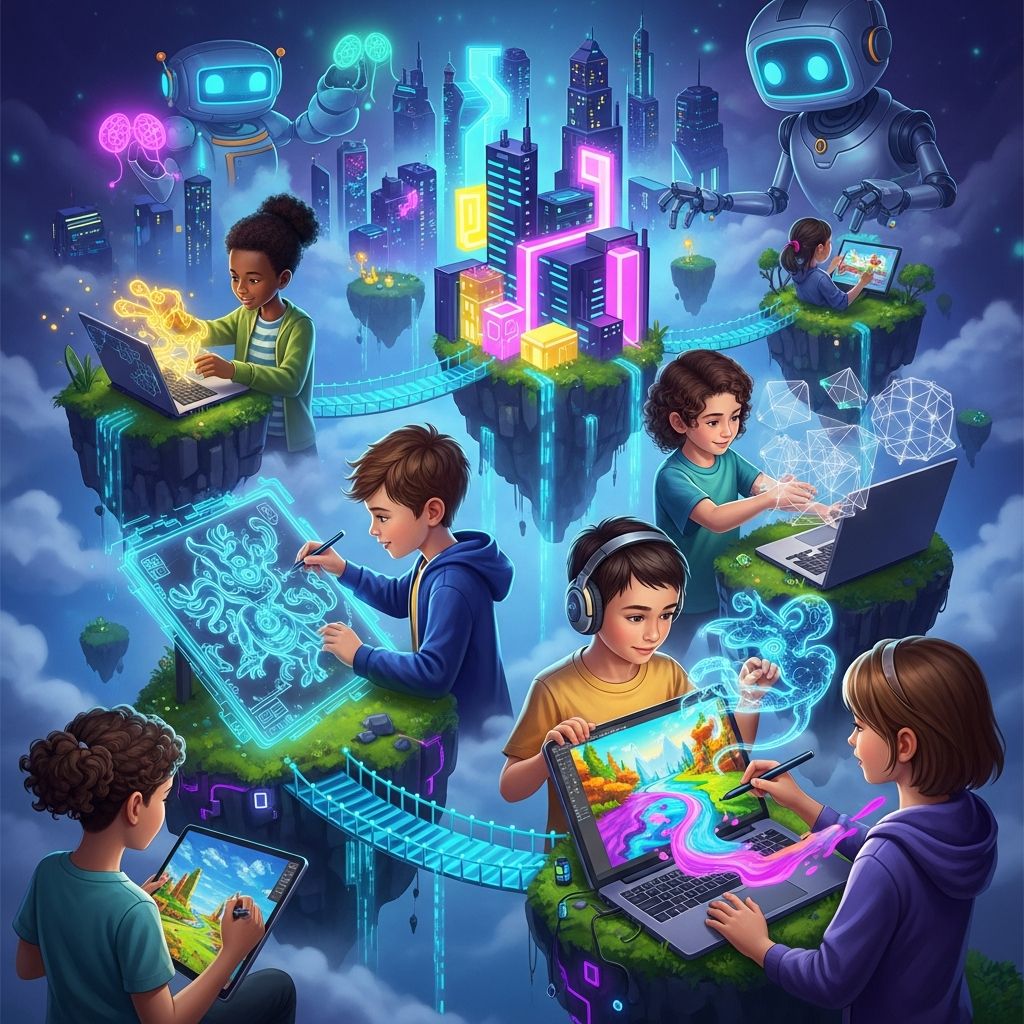
Virtual art programs have revolutionized how children engage with creativity, offering accessible, flexible ways to explore painting, drawing, and sculpting from the comfort of home. These platforms combine expert guidance with self-paced learning, helping kids aged 4-12 develop essential skills while igniting a lifelong passion for art.
The Rise of Virtual Creativity Hubs
In today’s fast-paced world, online art education stands out as a beacon for busy families seeking enriching activities. Unlike traditional studios requiring travel and fixed schedules, digital classes deliver professional instruction via video, interactive tools, and community features. This shift not only saves time but also creates a low-pressure environment where children thrive.
Research highlights how such programs integrate seamlessly into homeschool routines or supplement school curriculums. For instance, self-led video lessons allow kids to pause, rewind, and revisit techniques, building mastery at their own rhythm. Parents report reduced stress, as no elaborate setups are needed beyond basic supplies like crayons and paper.
Core Benefits Shaping Young Minds
Engaging in online art fosters multifaceted growth. Here’s a breakdown of key advantages:
- Enhanced Fine Motor Development: Gripping brushes and pencils strengthens hand-eye coordination, crucial for writing and daily tasks.
- Boosted Self-Confidence: Completing projects and receiving feedback instills pride and resilience.
- Improved Focus and Patience: Multi-step creations teach perseverance, mirroring real-world problem-solving.
- Cultural Awareness: Lessons often explore global art histories, promoting empathy and diversity appreciation.
Studies affirm these outcomes; children in consistent art programs show better academic performance and emotional regulation.
Comparing Traditional vs. Online Art Learning
To illustrate the edge of digital formats, consider this comparison:
| Aspect | Traditional Classes | Online Classes |
|---|---|---|
| Schedule Flexibility | Fixed times, travel required | Anytime access, home-based |
| Personalization | Large groups limit attention | Small cohorts or one-on-one focus |
| Cost Efficiency | Studio fees + materials + commute | Affordable subscriptions, minimal supplies |
| Safety & Comfort | Potential exposure risks | Private, secure home environment |
| Portfolio Building | Physical storage challenges | Digital archives for lifelong access |
Online options excel in accessibility, making art viable for remote or underserved families.
Building Essential Life Skills Through Pixels and Paint
Beyond aesthetics, virtual art cultivates critical thinking. Kids experiment with colors and forms, learning to iterate on ideas—skills transferable to STEM fields. Emotional intelligence grows as they articulate feelings via artwork, with platforms encouraging artist statements that hone communication.
For homeschoolers, these classes add variety to core subjects, preventing burnout and enhancing retention through emotional engagement. Seasonal themes, like holiday crafts or nature inspirations, keep sessions fresh and relevant.
Practical Tips for Launching Your Child’s Art Journey
Getting started is straightforward. Begin with these steps:
- Gather Basics: Stock watercolors, markers, sketchpads—many platforms provide shopping lists.
- Select a Platform: Choose based on age, style (live vs. recorded), and trial options.
- Create a Dedicated Space: A quiet corner with good lighting minimizes distractions.
- Encourage Reflection: Discuss creations post-session to reinforce learning.
- Track Progress: Use digital portfolios to showcase growth over time.
Parental involvement amplifies benefits; co-creating occasionally strengthens bonds and models enthusiasm.
Real-World Impacts: Stories from Digital Artists
Consider a shy kindergartener who, through weekly online sessions, gained courage to share drawings publicly. Or homeschool teens building impressive portfolios for college apps. These narratives underscore art’s role in holistic development.
Platforms often include community forums, forming ‘virtual art tribes’ where kids exchange feedback, fostering collaboration without intimidation.
Addressing Common Concerns
Some worry about screen time, but balanced art classes emphasize hands-on creation over passive viewing. Quality programs limit sessions to 30-45 minutes, aligning with child attention spans. Affordability is another plus—many offer free trials or low monthly fees versus pricier in-person alternatives.
Integrating Art into Daily Routines
For maximum impact, schedule art 2-3 times weekly. Pair with subjects like science (e.g., drawing ecosystems) for cross-curricular ties. Track improvements via journals or apps, celebrating milestones to sustain motivation.
Future of Virtual Art Education
As technology evolves, expect VR integrations for immersive gallery tours and AI tools aiding personalized critiques. Yet, the human element—instructors’ encouragement—remains irreplaceable. Early adoption positions kids for a creative future.
Frequently Asked Questions
What age groups are online art classes best for?
Most suit ages 4-12, with beginner to advanced levels available.
Do I need special equipment?
No—standard household items suffice; advanced tools optional.
How do digital portfolios work?
Platforms like Artsonia store work K-12, enabling easy sharing and transitions.
Are these classes suitable for homeschooling?
Yes, they provide structured creativity without parental teaching burden.
Can online art improve school performance?
Absolutely; studies link it to better academics and self-esteem.
References
- Benefits of Online Art Classes – Fancy Pencils Kids Art Studio — Fancy Pencils. 2023. https://www.fancypencils.org/post/advantages-of-online-art-classes-for-kids
- Online Art Classes for Homeschoolers are a Great Way to Learn — Sparketh. 2023. https://sparketh.com/online-art-classes-are-the-safest-and-most-inexpensive-way-to-learn/
- 3 Ways Digital Portfolios Benefit Your Students — The Art of Education University. 2015-11-01. https://theartofeducation.edu/2015/11/3-ways-digital-portfolios-benefit-your-students/
- Why Art Classes for Kids are More Important Than Ever! — The Art Studio NY. 2023. https://theartstudiony.com/blog/why-art-classes-for-kids-are-more-important-than-ever/
- 10 Benefits of Art Education for Kids — Meet the Masters. 2023. https://meetthemasters.com/10-benefits-art-education-for-kids-elementary-school-students-love-art/
- Benefits of Art Education for Children — Creativity Express. 2023. https://www.madcaplogic.com/creativity-express/information-for-educators.php
- Supplementing your Child’s Art Education — Create Arts Center. 2023. https://createartscenter.org/supplementing-your-childs-art-education/

Medha Deb is an editor with a master's degree in Applied Linguistics from the University of Hyderabad. She believes that her qualification has helped her develop a deep understanding of language and its application in various contexts. Medha specializes in the areas of beauty, health, sports, and wellness and is committed to ensuring that the content on the website is…