
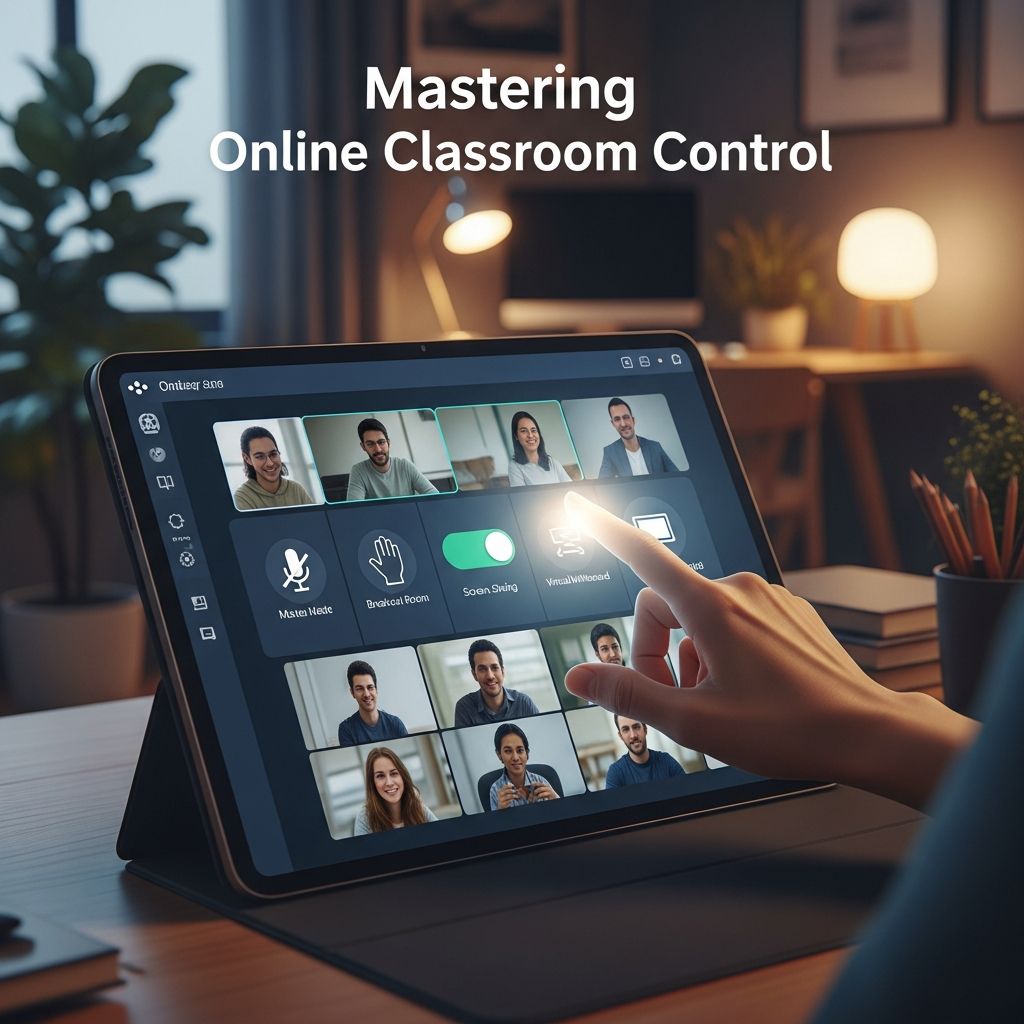
Virtual learning has transformed education, offering flexibility but presenting unique challenges in maintaining focus and participation. Effective management ensures students thrive in digital spaces by blending structure, interaction, and support.
Building a Strong Foundation with Daily Routines
Consistent schedules form the backbone of successful online classes. Educators should outline clear daily agendas, including start times, activity sequences, and wrap-up procedures, displayed prominently on platforms like learning management systems (LMS).
- Begin sessions with quick check-ins to gauge attendance and mood.
- Sequence lessons with predictable transitions, such as 10-minute breaks signaled by visual icons.
- End with recaps and previews to reinforce retention and build anticipation.
This structure mirrors traditional classrooms, helping students organize their time and reduce anxiety. For younger learners, incorporate fun elements like themed timers; older students benefit from detailed planners shared via shared documents.
Establishing Clear Behavioral Expectations
From day one, define norms for interaction, such as muting microphones when not speaking and raising virtual hands for questions. Co-create these rules with students to foster ownership.
| Expectation | Purpose | Enforcement Tip |
|---|---|---|
| Mute unless speaking | Reduces background noise | Gentle reminders via chat |
| Cameras on for engagement | Builds connection | Allow opt-outs for privacy |
| No side conversations | Maintains focus | Private breakout redirects |
Positive reinforcement, like shout-outs or digital badges, encourages compliance more than punishment.
Leveraging Technology for Seamless Operations
Choose reliable tools: video platforms with breakout rooms, interactive quizzes, and collaborative whiteboards. Test setups beforehand and provide tutorials for students.
- Google Classroom or similar LMS for assignments and feedback.
- Polling tools like Mentimeter for real-time input.
- Screen-sharing with annotations for dynamic lessons.
Accessibility matters—offer captions, alt text for images, and device compatibility checks. RTI International emphasizes multi-format instructions (text, audio, video) to accommodate diverse needs.
Boosting Student Engagement Through Interactivity
Passive lectures lead to disengagement; integrate polls, quizzes, and group discussions. Breakout rooms for 4-6 students promote peer learning on targeted topics.
Gamification adds excitement: leaderboards for quiz scores or badges for participation. Multimedia—short videos, virtual tours—caters to varied learning styles.
- Start with icebreakers: “Share one fun fact” in chat.
- Mid-lesson: Quick polls on key concepts.
- End: Reflection journals submitted digitally.
Addressing Distractions and Disruptions Proactively
Home environments invite interruptions from pets, siblings, or devices. Set a “distraction-free zone” expectation, framing it as respect for peers.
Respond swiftly: Acknowledge off-topic chat privately, redirect with questions, or use visual cues like a “focus” slide. For persistent issues, schedule one-on-one chats to uncover root causes.
Fostering Relationships in Digital Spaces
Connections combat isolation. Dedicate time for personal shares, like interest-based slideshows or paired interviews. Regular check-ins via video calls build trust.
Parents are partners: Share schedules and tips for home setups. Drexel University recommends involving families in etiquette discussions.
Adapting for Asynchronous Learning
Not all classes are live. Post weekly overviews with sequenced tasks, deadlines, and forums for questions. Choice boards let students select activities, increasing buy-in.
- Video explanations for complex topics.
- Recorded sessions for flexibility.
- Peer review rubrics for submissions.
Personalizing Support for Diverse Learners
Monitor LMS analytics for strugglers; offer small-group sessions or extensions. Balance self-paced work with live check-ins. Stanford’s practices stress equitable access to materials.
Handling Common Challenges
Technical glitches: Have backup plans like phone check-ins.
Low participation: Use anonymous polls to draw out quiet students.
Conflicts: Mediate in breakouts with restorative questions.
Frequently Asked Questions
What if a student refuses to turn on their camera?
Respect privacy while encouraging participation via voice or chat. Offer incentives for voluntary engagement.
How do I keep high schoolers motivated?
Incorporate real-world projects, guest speakers, and autonomy in topic choices.
What’s the best way to start a virtual class?
A 2-minute greeting, attendance poll, and agenda overview sets a positive tone.
How often should I give feedback?
Weekly personalized notes plus instant quiz results keep students informed.
Can I record lessons?
Yes, with consent and policy compliance, for absent students’ benefit.
Measuring Success and Iterating
Track metrics: attendance, completion rates, survey feedback. Adjust based on data—more interactivity if engagement dips. Continuous refinement ensures evolving effectiveness.
Virtual management blends preparation, empathy, and innovation. By prioritizing routines, tech, and relationships, educators create vibrant digital classrooms where learning flourishes.
References
- Five Strategies for Behavior Management in a Virtual Classroom — Literacy Minnesota. 2023-05-15. https://www.literacymn.org/five-strategies-for-behavior-management-in-virtual-classroom
- 10 Virtual Classroom Management Strategies and Tips — HMH Co. 2023-08-22. https://www.hmhco.com/blog/virtual-classroom-management-strategies-for-online-teaching
- Virtual Classroom Management 101 — ASU Prep Global. 2024-01-10. https://www.asuprepglobal.org/news/virtual-classroom-management/
- Best Practices for K-12 Virtual Instruction — ProxLearn. 2024-03-05. https://www.proxlearn.com/blog/best-practices-k12-virtual-instruction
- Best Practices for Virtual Learning — RTI International. 2023-11-20. https://www.rti.org/best-practices-virtual-learning
- Best Practices & Expectations For Online Teaching — Drexel University. 2023-06-12. https://drexel.edu/soe/resources/teacher-resources/virtual-classroom-procedures/
- Ten Promising Practices for Effective Online Teaching — Stanford Teaching Commons. 2023-09-18. https://teachingcommons.stanford.edu/teaching-guides/remote-teaching-guide/getting-started-online/ten-promising-practices-effective

Medha Deb is an editor with a master's degree in Applied Linguistics from the University of Hyderabad. She believes that her qualification has helped her develop a deep understanding of language and its application in various contexts. Medha specializes in the areas of beauty, health, sports, and wellness and is committed to ensuring that the content on the website is…