
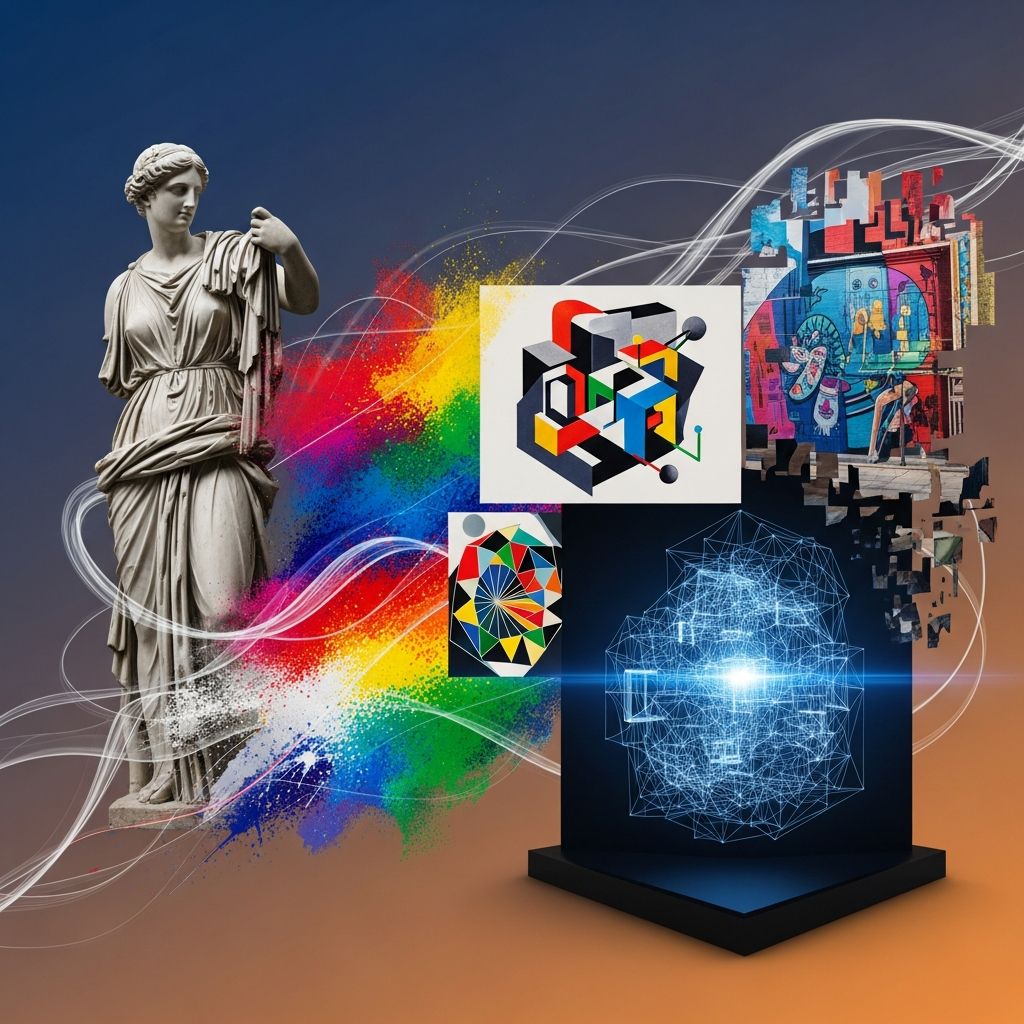
Visual arts encompass a vast array of creative expressions designed primarily for the eye, capturing emotions, ideas, and stories through sight alone. These works range from timeless paintings and sculptures to cutting-edge digital installations, serving as mirrors to human experience and societal shifts.
Defining the Essence of Visual Arts
At its core, visual art involves the deliberate use of visual elements to convey meaning, evoke feelings, or simply delight the viewer. Unlike music or literature, which rely on sound or text, visual arts communicate exclusively through imagery, form, and color. This makes them universally accessible, transcending language barriers while inviting personal interpretation.
Experts describe visual arts as any creation that appeals to sight, including fine arts like painting and sculpture, as well as applied forms such as graphic design and architecture. The key is intentionality: artists craft these pieces with skill and imagination to produce aesthetic or thought-provoking results.
Core Elements That Bring Visual Arts to Life
Every visual artwork is built on fundamental building blocks that guide the viewer’s eye and mind. These elements create harmony, tension, or narrative within the piece.
- Line: Defines edges and movement, from bold strokes in sketches to delicate contours in portraits.
- Shape: Forms created by lines, evoking geometry in abstract works or organic fluidity in nature-inspired pieces.
- Color: Draws from the light spectrum, influencing mood—vibrant hues for joy, muted tones for melancholy.
- Tone and Value: Variations in lightness and darkness add depth and dimension.
- Texture: Implied or actual surface quality, suggesting roughness or smoothness without touch.
- Space and Perspective: Creates illusion of depth, pulling viewers into three-dimensional worlds on flat surfaces.
- Pattern and Rhythm: Repetition that guides the eye, building visual harmony or chaos.
Mastering these elements allows artists to manipulate perception, making a simple canvas resonate with profound emotion or commentary.
Major Categories Within Visual Arts
Visual arts divide into broad categories, each with unique techniques and purposes. Understanding these helps appreciate the diversity of creative output.
| Category | Description | Examples |
|---|---|---|
| Fine Arts | Created for aesthetic value, often non-commercial. | Painting, drawing, printmaking, sculpture. |
| Applied/Decorative Arts | Functional beauty in everyday objects. | Ceramics, textiles, jewelry, furniture design. |
| Commercial Arts | Designed for marketing or communication. | Graphic design, advertising, illustration. |
| Digital and Multimedia | Modern forms using technology. | Photography, video art, AR installations. |
Fine arts prioritize pure expression, while applied arts blend utility with artistry. Commercial works, though practical, demand the same creative rigor.
Traditional Pillars: Painting, Drawing, and Sculpture
Painting stands as a cornerstone, using pigments on surfaces to capture light, shadow, and emotion. From oil on canvas in Renaissance masterpieces to acrylic abstracts today, it allows boundless exploration of color and form.
Drawing, often a painting’s precursor, employs lines and shading with pencils, charcoal, or ink. Its immediacy makes it ideal for sketches, portraits, and conceptual planning.
Sculpture brings art into three dimensions, carving, molding, or assembling materials like marble, bronze, or recycled metals. It invites interaction from all angles, embodying permanence and presence.
Expanding Horizons: Photography, Printmaking, and Crafts
Photography freezes moments in time, transforming light into enduring images. Whether documentary, surreal, or manipulated digitally, it challenges perceptions of reality.
Printmaking multiplies images through techniques like etching or lithography, democratizing art access. Woodcuts and screen prints have powered movements from pop art to political posters.
Crafts, including pottery and weaving, elevate everyday items to art status. These tactile forms highlight skill in material manipulation, blending tradition with innovation.
The Rise of Contemporary and Digital Visual Arts
Today’s visual arts embrace technology, with digital tools enabling new frontiers. Video art and installations merge motion, sound, and interactivity, though visuals remain central. Augmented reality overlays digital elements on the real world, creating immersive experiences.
Conceptual art prioritizes ideas over objects, using visuals to provoke discourse on identity, environment, or politics. Artists like Banksy exemplify this through stencils and projections that blend street art with activism.
AI-generated visuals, though controversial, expand creativity, allowing hybrid human-machine expressions. These evolutions ensure visual arts stay relevant in a digital age.
The Profound Role of Visual Arts in Society
Visual arts are more than decoration; they document history, challenge norms, and foster empathy. They reflect cultural identities, preserve traditions, and critique power structures—from cave paintings to protest murals.
In education, they sharpen observation and critical thinking. Therapeutically, creating visuals aids emotional processing. Economically, the art market supports millions, with galleries and auctions driving global trade.
Public installations revitalize urban spaces, sparking community dialogue. In essence, visual arts enrich human connection, inspiring reflection and change.
Evolution Through History: From Caves to Canvases
Visual arts trace back 40,000 years to prehistoric cave drawings in Lascaux, France, depicting hunts and spirits. Ancient Egyptians advanced sculpture for eternity, while Greeks idealized human form.
The Renaissance revived realism with masters like Michelangelo. Modernism shattered conventions—Cubism fragmented perspectives, Surrealism delved into dreams. Postmodernism blurred high and low art, incorporating pop culture.
Today, globalization fuses styles, with African motifs in Western galleries and vice versa, creating vibrant hybrids.
How Visual Artists Shape Their World
Visual artists are innovators who blend technical prowess with vision. They research concepts, sketch ideas, select media, and refine through iteration. Collaboration with curators and designers amplifies their reach.
Challenges include funding and market pressures, yet passion drives them. Emerging tools like VR expand possibilities, demanding adaptability.
Frequently Asked Questions (FAQs)
What distinguishes visual arts from performing arts?
Visual arts focus on static or viewable forms like paintings and sculptures, while performing arts involve live action like dance or theater.
Can commercial design be considered visual art?
Yes, graphic design and advertising qualify if they employ artistic skill and convey meaning visually, though they serve practical purposes.
How has technology changed visual arts?
Digital tools, AI, and AR have introduced interactive, multimedia works, expanding beyond traditional media.
Why are visual arts important in education?
They develop creativity, critical thinking, and cultural awareness, helping students interpret the world visually.
What skills does a visual artist need?
Technical proficiency, imagination, observation, and adaptability to new tools and feedback.
References
- Visual Arts Definition, Types & Characteristics — Study.com. 2023. https://study.com/academy/lesson/visual-arts-types-characteristics-examples.html
- What Is Visual Art? — Robert Lange Studios. 2023-05-15. https://www.robertlangestudios.com/blogs/news/what-is-visual-art
- Visual Arts Definition & Meaning — Dictionary.com. 2024. https://www.dictionary.com/browse/visual-arts
- Visual Arts — Britannica. 2025-01-10. https://www.britannica.com/browse/Visual-Arts
- Visual Artists: Who They Are, What They Do — IED.edu. 2024-03-20. https://www.ied.edu/profession/visual-artist

- Integrated M.A. in Applied Linguistics, University of Hyderabad
- 5+ years in editorial, instructional, SEO, and research-based writing
Sneha is a relationships and lifestyle writer with a strong foundation in applied linguistics and certified training in relationship coaching. She brings over five years of writing experience to theskillvault, crafting thoughtful, research-driven content that empowers readers to build healthier relationships, boost emotional well-being, and embrace holistic living. Her writing and insights reflect the belief that beauty, happiness, and wellness…