
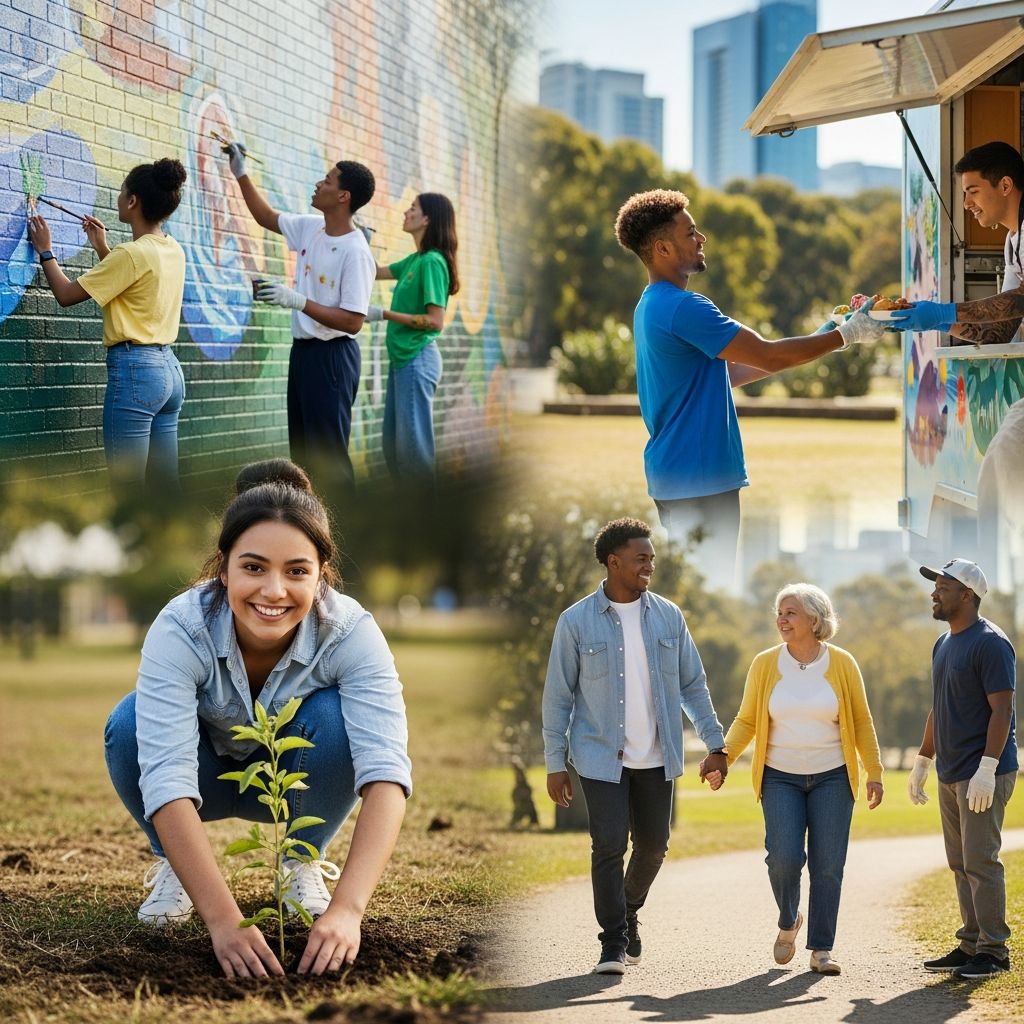
Volunteering offers children profound personal growth, fostering empathy, social skills, and a sense of purpose while strengthening family bonds and community ties. This guide explores the key advantages, practical ways to locate suitable programs, and strategies for successful participation tailored to young ages.
Why Encourage Volunteering in Young Lives
Engaging children in volunteer work provides multifaceted benefits that extend beyond immediate acts of service. Research consistently links youth involvement to improved mental health outcomes, including reduced stress levels and heightened overall happiness. For instance, regular volunteering correlates with lower risks of anxiety and depression in growing children, who face increasing pressures in modern environments.
Beyond emotional well-being, these activities cultivate essential life competencies. Children gain hands-on experience in collaboration, problem-solving, and leadership, which translate directly to academic and future professional success. Studies from institutions like Harvard Medical School affirm that such participation enhances personal satisfaction and physical health markers, such as immune system strength.
Core Developmental Gains from Service Work
Youth volunteering targets critical areas of child development, equipping them with tools for lifelong success. Here’s a breakdown of primary benefits:
- Enhanced Social Abilities: Interacting with diverse groups hones communication and teamwork, breaking down barriers of age, background, and perspective.
- Deepened Empathy: Direct exposure to others’ challenges builds compassion, helping kids appreciate varied life experiences and reduce personal biases.
- Boosted Self-Confidence: Accomplishing tangible community impacts instills a belief in one’s ability to effect change, channeling passions into productive action.
- Stronger Sense of Duty: Local involvement fosters investment in one’s surroundings, promoting active citizenship from an early age.
- Academic and Leadership Edge: Participation links to higher grades, critical thinking, and natural leadership emergence, as group dynamics equalize hierarchies.
These gains compound over time, with youth dedicating just one hour weekly showing 50% lower rates of risky behaviors like substance use.
Family Dynamics Transformed by Joint Service
Participating together amplifies rewards, turning volunteering into a unifying family pursuit. Shared projects reinforce core values like kindness and accountability, creating lasting memories while modeling positive behaviors.
Parents report stronger communication and mutual understanding, as collaborative efforts reveal each member’s strengths. For children, parental involvement validates the importance of giving back, embedding these habits deeply. Moreover, family units often expand their social networks, forging community connections that endure.
| Benefit | For Children | For Families |
|---|---|---|
| Skill Building | Teamwork, leadership | Shared growth, bonding |
| Emotional Health | Reduced stress, happiness | Collective well-being |
| Community Impact | Sense of purpose | Stronger local ties |
Age-Appropriate Service Ideas for Children
Tailor opportunities to developmental stages for maximum engagement and safety. Younger kids thrive in simple, supervised tasks, while teens handle more responsibility.
Preschool and Elementary Ages (5-10)
- Sorting donations at food pantries or shelters.
- Planting gardens in public parks or schoolyards.
- Creating care packages for hospital patients or elderly neighbors.
- Reading stories to younger peers or therapy animals.
These activities emphasize fun and basic helping, building initial confidence without overwhelm.
Middle and High School (11-18)
- Organizing community clean-up drives or recycling initiatives.
- Assisting at animal rescues with feeding and walking duties.
- Fundraising for causes like literacy programs or disaster relief.
- Mentoring younger students in after-school clubs.
Teens benefit from projects aligning with their interests, such as environmental advocacy or tech support for nonprofits.
Uncovering Local and Virtual Opportunities
Finding the right fit requires targeted searching. Start with school service-learning programs, which integrate volunteering with curriculum for academic credit. Community centers, libraries, and faith-based groups often list family-friendly events.
Online platforms aggregate nationwide options:
- National service databases for youth-specific roles.
- Habitat for Humanity youth builds for hands-on construction.
- Environmental groups offering trail maintenance or beach cleanups.
For virtual engagement, kids can tutor online, create awareness videos, or assemble digital resource kits—ideal for busy schedules or remote areas.
Practical Steps to Launch Your Volunteering Journey
- Discuss Interests: Talk with your child about causes they care about, like animals, environment, or hunger relief.
- Research Safety: Verify organization credentials, age minimums, and supervision policies.
- Start Small: Commit to one-time events to test fit before ongoing roles.
- Reflect Together: Post-activity discussions reinforce lessons and plan next steps.
- Track Progress: Log hours and impacts for school resumes or personal pride.
Many programs require parental consent for minors, ensuring structured environments.
Overcoming Common Hurdles
Time constraints and hesitation are frequent barriers, yet most opportunities demand minimal commitment—often a single afternoon. Address child reluctance by linking service to their hobbies, transforming it into adventure rather than chore.
Families in rural areas can leverage virtual or traveling programs. Schools may offer transportation for group outings, easing logistics.
Long-Term Impacts on Future Leaders
Early volunteering shapes career trajectories and civic habits. Participants exhibit higher college admission rates due to demonstrated commitment and skills. As adults, they continue giving back, perpetuating cycles of positive change.
Communities thrive when youth invest early, creating resilient, empathetic societies.
Frequently Asked Questions
What’s the minimum age for volunteering?
Most programs accept kids from age 5 with adult supervision; check specific rules.
Does volunteering help with college applications?
Yes, it showcases leadership and service, boosting profiles significantly.
Are there virtual options for kids?
Absolutely—online tutoring, virtual fundraisers, and digital crafts suit all ages.
How much time is typically needed?
One hour weekly yields benefits; flexible one-offs abound.
Can families volunteer if schedules differ?
Many groups allow individual or staggered participation.
References
- Benefits That Children Can Gain From Volunteering — Kids ‘R’ Kids. 2020-10-27. https://kidsrkids.com/avalon-park/2020/10/27/benefits-from-volunteering/
- 5 Benefits of Volunteering as a Family — Points of Light. N/A. https://www.pointsoflight.org/blog/5-benefits-of-volunteering-as-a-family/
- Eight Great Ways Kids Benefit From Volunteer Work — International School of Minnesota. N/A. https://internationalschoolmn.com/school-news/eight-great-ways-kids-benefit-from-volunteer-work
- Top 5 Benefits of Volunteering at Your Child’s School — Parent Volunteer. N/A. https://www.parent-volunteer.org/top-5-benefits-of-volunteering-at-your-childs-school
- Young Volunteers: The Benefits of Community Service — University of Nevada, Reno Extension. N/A. https://extension.unr.edu/publication.aspx?PubID=4307
- Community Service Ideas for Kids & Families — Children’s Bureau. N/A. https://www.allforkids.org/news/blog/community-service-for-families/
- Youth Programs — Habitat for Humanity. N/A. https://www.habitat.org/volunteer/near-you/youth-programs

- Integrated M.A. in Applied Linguistics, University of Hyderabad
- 5+ years in editorial, instructional, SEO, and research-based writing
Sneha is a relationships and lifestyle writer with a strong foundation in applied linguistics and certified training in relationship coaching. She brings over five years of writing experience to theskillvault, crafting thoughtful, research-driven content that empowers readers to build healthier relationships, boost emotional well-being, and embrace holistic living. Her writing and insights reflect the belief that beauty, happiness, and wellness…