
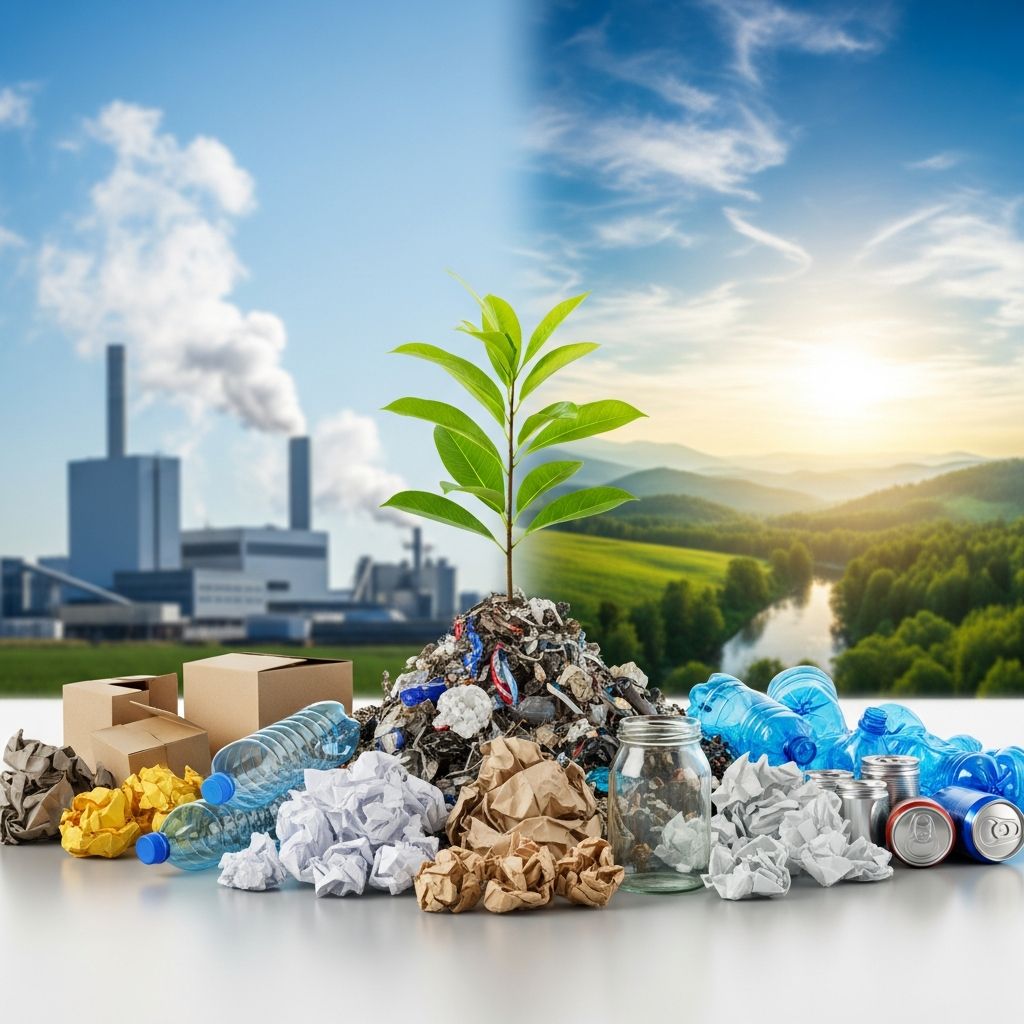
The growing volume of waste generated worldwide presents one of the most pressing environmental challenges of our time. Every year, billions of tons of materials end up in landfills, incinerators, and open dumps, creating cascading effects on air quality, water systems, soil integrity, and climate stability. Understanding how our consumption patterns and disposal methods contribute to environmental degradation is the first step toward meaningful change. By learning about waste reduction, reuse, and recycling strategies, individuals and communities can take actionable steps to minimize their environmental footprint and contribute to a more sustainable future.
The Scale of Global Waste Generation
The world’s waste problem is expanding at an alarming rate. According to projections from the World Bank, global waste generation is expected to reach 3.88 billion tonnes annually by 2050, representing a 73% increase from 2020 levels. This explosive growth is primarily driven by population expansion and economic development, with the most significant increases projected to occur in Sub-Saharan Africa and South Asia, where waste management infrastructure remains underdeveloped.
The composition of waste varies significantly by region and economic status. Developed nations generate substantial quantities of consumer goods packaging, electronic waste, and food byproducts, while developing regions struggle with inadequate collection systems and informal disposal methods. This disparity in waste management capacity creates disproportionate environmental and health impacts on vulnerable populations.
How Waste Contributes to Climate Change
The connection between waste disposal and climate change is more direct and consequential than many people realize. The waste sector ranks as one of the three largest methane-emitting industries globally, alongside agriculture and oil and gas operations, accounting for approximately 20% of human-driven methane emissions. Methane’s potency as a climate pollutant is remarkable—in the short-term, it is more than 80 times more potent than carbon dioxide and has contributed to nearly half of the 1 degree Celsius of warming experienced to date.
Decomposition of biodegradable waste under anaerobic conditions in landfills generates substantial methane emissions. Globally, landfills and wastewater systems release approximately 17% of total methane emissions, with about 29 metric tons emitted annually from landfills—accounting for roughly 8% of estimated global emissions. Without intervention, methane emissions from waste are projected to increase by 13 megatons per year over the next decade alone.
Environmental Consequences of Poor Waste Management
Improper waste disposal creates multifaceted environmental damage extending far beyond climate impacts. Open dumping, uncontrolled incineration, and poorly managed landfills generate immediate and long-term environmental consequences:
- Air Pollution: Incineration and open burning release hazardous gases and particulate matter, degrading air quality and affecting respiratory health across surrounding communities
- Water Contamination: Leachate from landfills and untreated waste seeps into groundwater and surface water bodies, contaminating drinking water sources and aquatic ecosystems
- Soil Degradation: Hazardous waste and persistent chemicals accumulate in soil, reducing agricultural productivity and disrupting ecosystems
- Marine Pollution: Approximately 12.7 million metric tons of plastic waste enter ocean ecosystems annually from coastal countries, creating persistent pollution and habitat destruction
Additionally, uncollected waste creates breeding grounds for disease vectors. Stagnant water in discarded containers promotes mosquito populations, increasing transmission risks of dengue fever, malaria, and West Nile virus. These health impacts disproportionately affect marginalized communities with limited access to proper waste management infrastructure.
The Role of Recycling in Climate Mitigation
Recycling represents one of the most effective strategies for reducing environmental impacts associated with waste. In the United States alone, recycling and composting activities prevented the release of 193 million metric tons of carbon dioxide equivalent in 2018, equivalent to removing nearly 42 million cars from roads for a year. Paper and paperboard recycling produced the largest share of this benefit, preventing over 155 million metric tons of emissions.
On an industrial scale, waste management companies are significantly expanding recycling infrastructure. In 2023, organizations recovered over 15 million tons of material through recycling operations, with recycling facilities processing diverse materials from metals and plastics to textiles and electronics. Advanced facilities now include organics processing capabilities, diverting food and yard waste from landfills to composting operations, which prevents methane emissions and creates valuable soil amendments.
Contamination Challenges in Recycling Programs
Despite recycling’s significant environmental benefits, program effectiveness is undermined by contamination. Inbound recycling streams currently experience contamination rates of approximately 16%, where non-recyclable materials and improper items interfere with processing operations. Education about proper sorting and preparation of recyclables is essential to maximize environmental and economic efficiency of recycling programs.
Reduction Strategies: Minimizing Waste at the Source
While recycling addresses waste after generation, reduction strategies target consumption patterns before waste is created. Source reduction—purchasing only necessary items, choosing products with minimal packaging, and avoiding single-use alternatives—prevents environmental impacts more effectively than end-of-life waste management.
Effective reduction strategies include:
- Selecting products with reusable or refillable packaging options
- Purchasing in bulk to minimize per-unit packaging waste
- Choosing durable goods designed for longevity rather than planned obsolescence
- Avoiding individually wrapped or heavily packaged items when alternatives exist
- Supporting businesses implementing sustainable packaging practices
When consumers prioritize reduction, they decrease demand for resource extraction, manufacturing, and transportation—all energy-intensive processes that generate greenhouse gas emissions. This upstream approach to waste prevention offers the highest environmental return.
Reuse as a Circular Economy Strategy
Reusing materials and products extends their useful life, delaying disposal and maximizing value extraction. Reuse strategies encompass diverse approaches, from traditional practices like clothing donation and furniture refurbishment to innovative models like product rental and tool-sharing programs.
The circular economy concept—where materials cycle continuously through use rather than flowing linearly to disposal—depends fundamentally on reuse. By redirecting materials to secondary users instead of waste streams, communities avoid manufacturing impacts and disposal consequences simultaneously. Charitable organizations, thrift stores, and online platforms facilitate material redistribution, enabling items to serve additional users before eventual end-of-life processing.
Composting and Organic Waste Management
Food waste represents a substantial and preventable component of global waste streams. In the United States, food loss and waste embodies 170 million metric tons of carbon dioxide equivalent annually, creating climate impacts equivalent to massive transportation emissions. Composting transforms food scraps and yard waste into valuable soil amendments, preventing methane emissions from landfills while creating beneficial products for agriculture and landscaping.
Organized composting programs have expanded significantly, with facilities processing 3.76 million organic tons in 2023 alone. Both municipal composting infrastructure and household composting practices contribute to diverting biodegradable waste from anaerobic landfill environments where methane generation occurs.
Government and Community-Level Solutions
Individual actions alone cannot address waste challenges at required scales. Systemic change requires government policies, infrastructure investment, and community engagement. Successful approaches include:
- Infrastructure Development: Building proper waste collection systems, recycling facilities, and treatment plants rather than relying on open dumping
- Policy Implementation: Establishing landfill bans and open burning restrictions to redirect waste toward alternative management methods
- Behavioral Change Programs: Educating residents about waste segregation and proper disposal practices to reduce contamination and improve recycling effectiveness
- Renewable Energy Integration: Converting waste to energy through biogas schemes and waste-to-energy facilities, reducing reliance on fossil fuel generation
Kenya demonstrates this integrated approach through its waste-to-biogas initiative and landfill bans, projected to reduce greenhouse gas and particulate matter emissions by over 30% by 2035.
Practical Steps for Households and Institutions
Translating waste reduction concepts into daily practice requires accessible, actionable strategies. Households can implement comprehensive waste reduction through:
- Establishing separate collection systems for recyclables, organics, and residual waste
- Participating in local recycling programs and understanding material acceptance guidelines
- Starting home composting for food scraps and yard waste
- Prioritizing reusable containers, bags, and products over single-use alternatives
- Supporting businesses with sustainable packaging practices
- Purchasing secondhand items when possible
Institutions including schools, offices, and retail establishments can implement comprehensive waste management programs addressing multiple waste streams simultaneously, setting examples for community members and creating measurable environmental benefits.
Technology and Innovation in Waste Management
Emerging technologies are improving waste sorting, processing, and material recovery. Digital tools now provide visibility into waste composition and recycling impact, enabling data-driven decisions about waste management strategies. Advanced sorting technologies improve contamination identification and material separation, increasing recycling efficiency and material quality.
Processing innovations including wood grinding for erosion control and mulch production, green waste processing for composting, and specialized e-waste handling expand the range of materials diverted from landfills to beneficial reuse. These technological advances enhance the environmental and economic viability of circular economy approaches.
Measuring and Tracking Environmental Benefits
Quantifying the environmental benefits of waste reduction and recycling efforts motivates continued commitment and demonstrates program effectiveness. The environmental impact methodology (WARM) calculates greenhouse gas reductions and energy savings from various waste management practices, allowing comparison across different strategies and materials.
Tracking metrics including tons of materials recovered, contamination rates, emissions prevented, and equivalent automotive emissions avoided provides tangible evidence of environmental progress. As waste management companies report these metrics annually, transparent communication about environmental achievements builds public confidence in sustainable practices.
Overcoming Barriers to Waste Reduction
Despite clear environmental benefits, waste reduction programs face numerous obstacles. In many regions, particularly the Global South, inadequate infrastructure, limited funding, and informal waste management systems perpetuate unsustainable practices. Even in developed nations, consumer convenience often favors disposable products over reusable alternatives, and contamination in recycling streams reduces effectiveness.
Addressing these barriers requires sustained commitment from multiple stakeholders. Government policies must incentivize sustainable practices through taxation, subsidies, or regulations. Businesses must innovate toward sustainable packaging and product design. Communities must engage in education and voluntary behavior change. Individuals must recognize their role within larger systems and make informed consumption decisions.
Frequently Asked Questions
What is the most impactful waste reduction strategy?
Source reduction—avoiding unnecessary purchases and consumption—offers the highest environmental benefit by preventing waste generation entirely. When reduction isn’t possible, reuse extends product life, and recycling addresses residual waste streams.
How does waste contribute to climate change?
Decomposing waste in landfills generates methane, a potent greenhouse gas 80 times more powerful than carbon dioxide in short-term climate impact. The waste sector accounts for approximately 20% of global methane emissions.
Can recycling alone solve the waste problem?
While recycling provides significant environmental benefits and prevented 193 million metric tons of carbon dioxide equivalent in 2018, it works most effectively as part of a comprehensive strategy combining reduction, reuse, and proper disposal of unavoidable waste.
What items should never be placed in recycling bins?
Plastic bags, food-contaminated materials, hazardous substances, and items larger than facility equipment create contamination problems. Following specific local program guidelines ensures proper sorting and processing.
How can communities improve waste management systems?
Effective approaches include building adequate infrastructure, implementing clear policies, educating residents about proper waste segregation, and partnering between government and stakeholders to create integrated sustainable systems.
Taking Action Toward Sustainable Waste Management
Individual, household, and community-level actions collectively contribute to addressing global waste challenges. By understanding the environmental consequences of disposal practices and actively implementing reduction, reuse, and recycling strategies, people participate in necessary systemic transformation. As waste generation continues accelerating globally, the urgency of adopting sustainable practices becomes increasingly apparent. Whether through personal consumption choices, household waste sorting, community advocacy, or institutional policy support, meaningful contributions to environmental protection remain accessible to everyone.
References
- Environmental Sustainability Impacts of Solid Waste Management in the Global South — National Center for Biotechnology Information, PMC. 2022. https://pmc.ncbi.nlm.nih.gov/articles/PMC9566108/
- How Our Trash Contributes to Climate Change — Clean Air Task Force. 2022-09. https://www.catf.us/2022/09/how-our-trash-contributes-to-climate-change/
- 2024 Sustainability Report — Waste Management Inc. 2024. https://sustainability.wm.com/downloads/WM_2024_SR.pdf
- Sustainability Data Center — Waste Management Inc. 2024. https://sustainability.wm.com/data-center/
- National Overview: Facts and Figures on Materials, Wastes and Recycling — U.S. Environmental Protection Agency. 2024. https://www.epa.gov/facts-and-figures-about-materials-waste-and-recycling/national-overview-facts-and-figures-materials
- Food Waste and Its Links to Greenhouse Gases and Climate Change — U.S. Department of Agriculture. https://www.usda.gov/about-usda/news/blog/food-waste-and-its-links-greenhouse-gases-and-climate-change

Medha Deb is an editor with a master's degree in Applied Linguistics from the University of Hyderabad. She believes that her qualification has helped her develop a deep understanding of language and its application in various contexts. Medha specializes in the areas of beauty, health, sports, and wellness and is committed to ensuring that the content on the website is…