
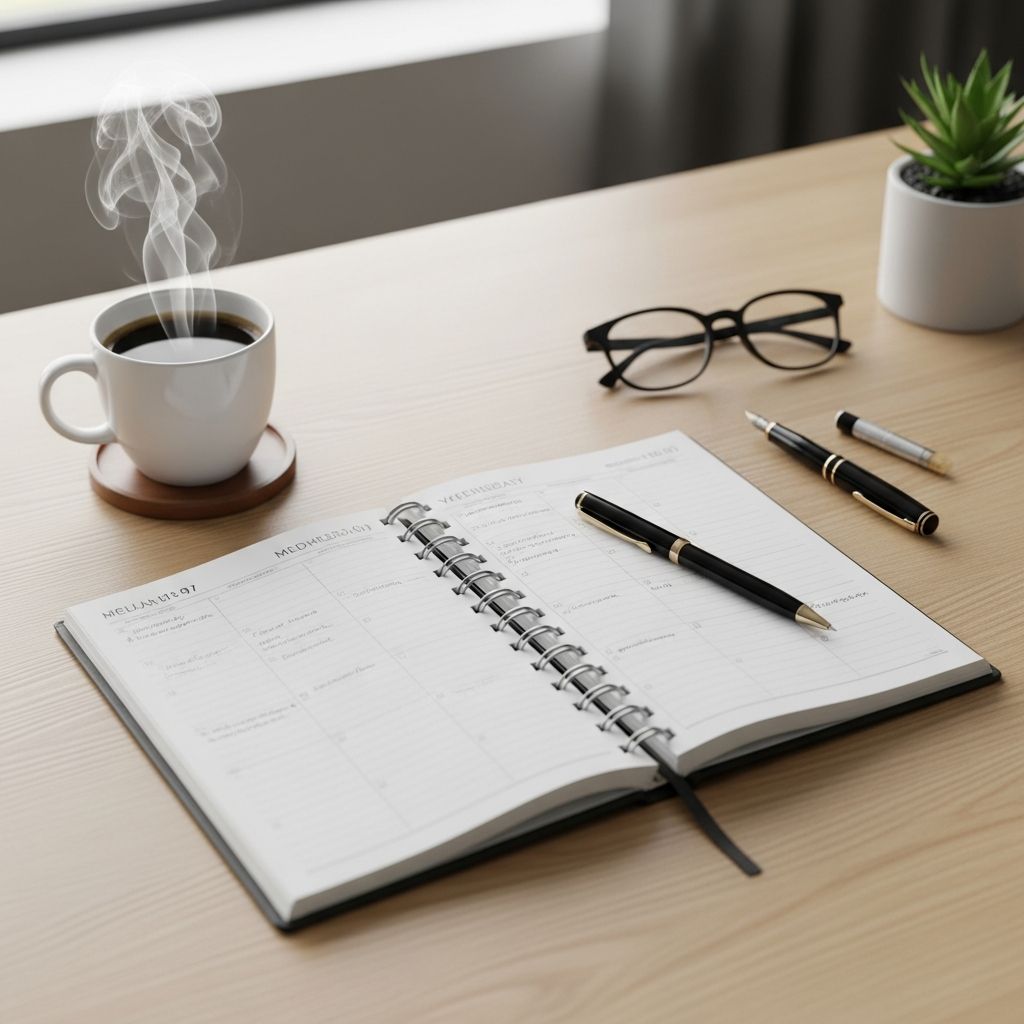
In today’s fast-paced world, managing time effectively is a challenge many face daily. A **weekly planner** emerges as a straightforward yet powerful solution to organize tasks, prioritize responsibilities, and create space for what truly matters. Unlike daily to-do lists that can feel overwhelming, a weekly view offers a broader perspective, allowing you to see the big picture while breaking it down into actionable steps. This article explores the transformative impact of weekly planners, providing practical guidance on implementation, customization, and long-term benefits.
Why Weekly Planners Outshine Other Organization Methods
Daily planners focus on immediate tasks, but they often lead to tunnel vision, ignoring upcoming commitments. Monthly calendars provide an overview but lack detail for execution. Weekly planners strike the perfect balance, offering visibility into the entire week without overwhelming detail. Research from productivity experts highlights how this format fosters better workload distribution and prevents burnout.
- Holistic Visibility: Spot conflicts early and allocate time for rest.
- Flexible Adjustments: Easily shift tasks as priorities evolve.
- Goal Integration: Link short-term actions to long-term objectives seamlessly.
Professionals and students alike report higher satisfaction when using weekly formats, as it promotes proactive planning over reactive firefighting.
Core Advantages of Adopting a Weekly Planning Habit
Implementing a weekly planner yields measurable improvements across multiple life areas. Here’s a breakdown of key benefits supported by practical insights.
Boosted Productivity Through Clear Prioritization
Knowing your tasks in advance eliminates guesswork. When you map out the week on Sunday evening, you identify high-impact activities and schedule them during peak energy hours. This leads to completing more work in less time, as distractions from unclear priorities fade away. For instance, blocking time for deep work sessions ensures progress on complex projects without interruptions.
Sharper Decision-Making in High-Pressure Moments
Faced with competing demands? A pre-planned week clarifies which tasks align with broader goals. This reduces decision fatigue, a common productivity killer. Studies on time management show that structured planning enhances cognitive efficiency, allowing quicker, more confident choices.
Reclaiming Hours Lost to Meetings and Interruptions
Employees often lose hours weekly to unplanned meetings. A weekly planner helps audit your calendar, delegating or rescheduling low-value items. This shift creates bandwidth for meaningful work and personal pursuits, effectively ‘regaining’ time.
| Aspect | Without Planner | With Weekly Planner |
|---|---|---|
| Productivity | Reactive, scattered efforts | Proactive, focused output |
| Stress Levels | High due to overload | Low from clear structure |
| Goal Progress | Slow, inconsistent | Steady, trackable |
| Work-Life Balance | Imbalanced, exhausting | Harmonized, sustainable |
Stress Reduction and Mental Clarity
The act of writing tasks into a planner offloads mental burden. No more endless mental loops worrying about forgotten items. Users experience up to 92% stress reduction through this visualization. It creates a ‘safety net,’ fostering calm and control amid chaos.
Mindfulness and Intentional Living
Weekly planning encourages reflection: What matters most this week? This mindfulness shifts you from autopilot to purposeful action, enhancing fulfillment.
Step-by-Step Guide to Creating Your First Weekly Planner
Starting is simple. Follow these steps to build a planner tailored to your needs.
- Gather Tools: Choose paper (notebook, printable template) or digital apps like Google Calendar with weekly view.
- Review Commitments: List all fixed events—meetings, classes, appointments—from your calendar.
- Identify Priorities: Categorize tasks: urgent/important using Eisenhower Matrix.
- Block Time Slots: Assign realistic time blocks, including buffers for transitions.
- Add Personal Time: Schedule exercise, family, hobbies to prevent burnout.
- Review and Adjust: End each day with quick updates; weekly review on Sundays.
Be realistic—overloading leads to frustration. Aim for 60-70% capacity to allow flexibility.
Customization Strategies for Different Lifestyles
No one-size-fits-all. Adapt your planner to fit your routine.
- Students: Color-code by subject; include study blocks and exam prep milestones.
- Professionals: Prioritize client meetings, deadlines; integrate team delegation notes.
- Parents: Sync family schedules, meal prep, school runs in one view.
- Freelancers: Balance client work with admin, prospecting time.
For visual learners, use stickers or highlighters. Digital users can leverage reminders and integrations.
Overcoming Common Planning Pitfalls
Even the best plans falter without vigilance. Address these hurdles:
- Overplanning: Limit to 5-7 key tasks per day.
- Ignoring Energy Cycles: Schedule tough tasks for mornings if you’re a morning person.
- Rigid Schedules: Build in 15-30 minute flex buffers.
- Forgetting Review: Set a 10-minute Sunday ritual to celebrate wins and recalibrate.
Consistency trumps perfection. Start small and refine over weeks.
Advanced Techniques for Planner Mastery
Elevate your practice with these pro tips:
- Time Blocking: Assign specific hours to tasks, treating them as unbreakable appointments.
- Weekly Themes: Dedicate Mondays to planning, Fridays to review.
- Habit Tracking: Add a sidebar for daily habits like water intake or reading.
- Goal Breakdown: Convert quarterly goals into weekly milestones.
Integrate wellness: Block self-care to sustain long-term productivity.
Measuring Success: Track Your Progress
Quantify planner impact with simple metrics:
| Week | Tasks Completed (%) | Stress Level (1-10) | Key Wins | Adjustments |
|---|---|---|---|---|
| 1 | 70% | 7 | Finished report | Add buffers |
| 2 | 85% | 5 | Hit gym 4x | Theme days |
| 3 | 92% | 3 | Delegated tasks | Habit tracker |
Monthly reflections reveal patterns, refining your system.
Frequently Asked Questions (FAQs)
Is a weekly planner better than a daily one?
Yes, for most people. It provides context and prevents overload, while daily views handle execution details.
How much time should weekly planning take?
15-30 minutes on Sunday evenings suffices for setup and review.
What if my plans change mid-week?
Flexibility is key—cross out, reschedule, and adapt without guilt.
Digital or paper planners: which is best?
Paper for tactile satisfaction and mindfulness; digital for portability and sharing.
Can weekly planners help with work-life balance?
Absolutely—explicitly scheduling personal time ensures it happens.
Long-Term Transformation: Building a Planning Lifestyle
Over months, weekly planning evolves into a habit that reshapes your life. You’ll notice sustained energy, faster career progress, stronger relationships, and deeper fulfillment. It’s not just a tool; it’s a mindset shift toward intentional living. Commit for 30 days and witness the change.
Embrace the weekly planner today—your future self will thank you for the clarity and control it brings.
References
- Weekly Planners – Being Organised: A Practical Guide — University of York Subject Guides. 2023. https://subjectguides.york.ac.uk/being-organised/weekly-plan
- The Power of Planning: Why a Weekly Work Plan is Key to Success — Timely Blog. 2023. https://www.timely.com/blog/weekly-work-plan/
- 7 Untapped Benefits of Using a Planner for Home and Work — Erin Condren Inspiration Center. 2023. https://www.erincondren.com/inspiration-center-benefits-of-using-a-planner
- Using a Weekly Planning Routine to Optimize For Calm — Hailley Griffis. 2022. http://www.hailleygriffis.com/weekly-planning/

- Integrated M.A. in Applied Linguistics, University of Hyderabad
- 5+ years in editorial, instructional, SEO, and research-based writing
Sneha is a relationships and lifestyle writer with a strong foundation in applied linguistics and certified training in relationship coaching. She brings over five years of writing experience to theskillvault, crafting thoughtful, research-driven content that empowers readers to build healthier relationships, boost emotional well-being, and embrace holistic living. Her writing and insights reflect the belief that beauty, happiness, and wellness…