
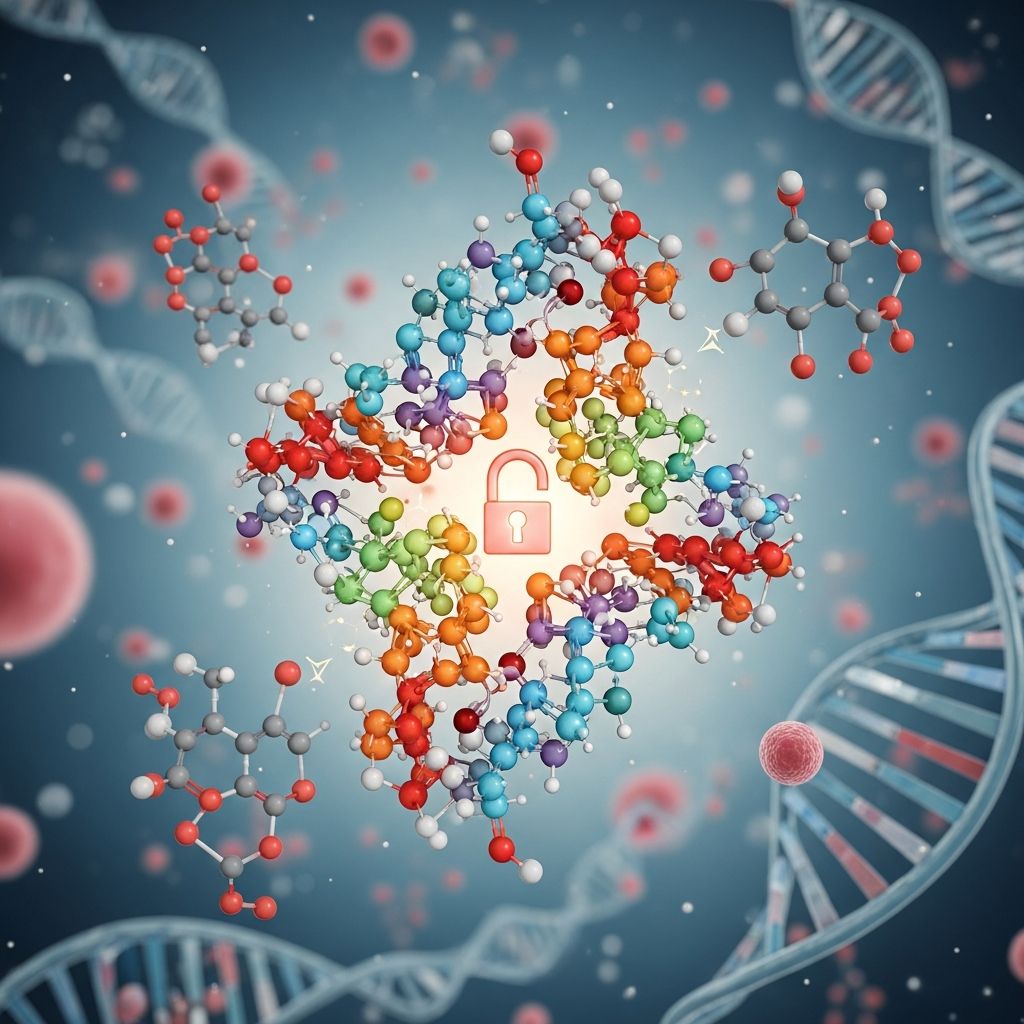
Peptides represent fundamental units in the realm of biochemistry, serving as short sequences of amino acids linked together to perform diverse roles in living organisms. These molecules bridge the gap between simple amino acids and complex proteins, influencing everything from cellular signaling to immune defense. Understanding peptides unlocks insights into biological processes and innovative therapies.
Fundamental Composition of Peptides
Amino acids, the core components of peptides, are organic molecules featuring an amino group, a carboxyl group, and a unique side chain that dictates their properties. There are 20 standard amino acids in nature, each contributing distinct characteristics to the peptide they form.
Peptides emerge when two or more amino acids connect via peptide bonds. This bond forms through a dehydration synthesis reaction, where the carboxyl group of one amino acid reacts with the amino group of another, releasing a water molecule and creating a covalent amide linkage. This process builds linear chains, with the sequence determining the peptide’s function.
- Dipeptides: Composed of exactly two amino acids, such as aspartame used in sweeteners.
- Tripeptides: Three amino acids, like glutathione, an antioxidant.
- Oligopeptides: Typically 2-20 amino acids, offering targeted biological activity.
- Polypeptides: Longer chains up to about 50 amino acids, approaching protein size.
The length threshold between peptides and proteins varies, but chains under 50 amino acids are generally classified as peptides, while those exceeding 100 form proteins.
How Peptide Bonds Shape Molecular Architecture
Peptide bonds confer stability and flexibility to these chains. The bond’s partial double-bond character restricts rotation, leading to planar structures that enable secondary formations like alpha helices and beta sheets in longer chains.
Side chains extend from the backbone, influencing solubility, charge, and interactions. Hydrophobic side chains cluster inward in aqueous environments, while hydrophilic ones face outward, driving folding and function.
| Amino Acid | Side Chain Type | Example Role in Peptides |
|---|---|---|
| Glycine | Non-polar | Provides flexibility in chains |
| Aspartic Acid | Acidic | Contributes negative charge for signaling |
| Lysine | Basic | Enables positive charge interactions |
| Cysteine | Sulfhydryl | Forms disulfide bridges for stability |
This table illustrates how diverse side chains allow peptides to adopt specific conformations essential for their roles.
Natural Sources and Biosynthesis Pathways
Organisms synthesize peptides through ribosomal translation, where messenger RNA directs tRNA to assemble amino acids into chains. Non-ribosomal synthesis, common in microbes and plants, uses specialized enzymes for cyclic or modified peptides like antibiotics.
Dietary sources abound in peptides from protein breakdown during digestion. Foods rich in collagen yield skin-supporting peptides, while milk contains bioactive sequences promoting gut health. Plant-based options like soy and lentils provide antimicrobial variants.
Diverse Biological Roles of Peptides
Peptides orchestrate myriad functions, acting as hormones, neurotransmitters, and antimicrobials. Insulin, a 51-amino-acid peptide hormone, regulates blood glucose by facilitating sugar uptake in cells.
Neuropeptides modulate brain activity; endorphins alleviate pain, while neuropeptide Y influences appetite. Antimicrobial peptides, such as defensins, puncture bacterial membranes, bolstering innate immunity.
- Hormonal Peptides: Control metabolism and growth, e.g., glucagon.
- Immune Peptides: Defend against pathogens, e.g., cathelicidins.
- Regulatory Peptides: Influence cardiovascular and renal functions.
In plants and invertebrates, peptides coordinate defense and development, highlighting their evolutionary conservation.
Peptides in Health and Disease Management
Therapeutic peptides target precise pathways with minimal side effects due to their specificity. GLP-1 agonists like semaglutide mimic gut hormones to manage diabetes and obesity by enhancing insulin secretion and curbing appetite.
Cancer research leverages peptides for targeted drug delivery, binding tumor markers to concentrate chemotherapeutics. Antimicrobial peptides combat resistant bacteria, offering alternatives to traditional antibiotics.
Skin aging benefits from collagen peptides, which boost elasticity by stimulating fibroblast activity. Copper peptides promote wound healing by enhancing collagen synthesis and reducing inflammation.
Synthetic Peptides: Engineering for Innovation
Laboratory synthesis via solid-phase methods assembles peptides from protected amino acids, enabling custom sequences for research and medicine. This technique, pioneered by Merrifield, revolutionized peptide production.
Modified peptides incorporate non-natural amino acids for stability against enzymatic degradation, extending half-lives in therapeutics. Cyclic peptides enhance binding affinity by constraining conformations.
Peptides vs. Proteins: Clarifying the Distinction
While both comprise amino acid chains linked by peptide bonds, peptides are shorter (2-50 residues), enabling rapid diffusion and specific signaling. Proteins, with 50+ residues, often fold into complex 3D structures for enzymatic or structural roles.
| Feature | Peptides | Proteins |
|---|---|---|
| Length | 2-50 amino acids | 50+ amino acids |
| Function | Signaling, hormones | Enzymes, structures |
| Synthesis | Ribosomal/non-ribosomal | Primarily ribosomal |
| Examples | Oxytocin, defensins | Hemoglobin, antibodies |
This comparison underscores their complementary roles in biology.
Emerging Frontiers in Peptide Research
Peptide vaccines train immune responses against pathogens or tumors by presenting epitopes. Nanocarriers deliver peptides across barriers like the blood-brain interface for neurodegenerative therapies.
AI-driven design predicts optimal sequences, accelerating discovery of high-affinity binders for diseases like Alzheimer’s. Antimicrobial peptide libraries address superbugs, vital amid rising resistance.
Practical Applications Across Industries
In cosmetics, signal peptides like Matrixyl stimulate collagen, reducing wrinkles. Sports nutrition employs growth hormone-releasing peptides for muscle recovery, though regulation varies.
Agriculture uses insecticidal peptides for eco-friendly pest control, minimizing chemical pesticides. Peptide-based biosensors detect biomarkers with high sensitivity.
Frequently Asked Questions (FAQs)
What is the primary difference between a peptide and a protein?
Peptides contain fewer than 50 amino acids, focusing on signaling, while proteins have more and perform structural or catalytic roles.
Are peptide supplements safe for daily use?
Many are safe when sourced properly, but consult professionals for therapeutic doses to avoid interactions.
How do antimicrobial peptides fight infections?
They disrupt microbial membranes, preventing replication without harming host cells.
Can peptides improve skin health?
Yes, collagen and copper peptides enhance elasticity and healing by promoting protein synthesis.
What role do peptides play in hormone regulation?
Hormonal peptides like insulin control metabolic processes by binding specific receptors.
Navigating Safety and Future Prospects
Peptide therapies generally exhibit low toxicity due to biodegradability, but immunogenicity and stability challenges persist. Ongoing advances in delivery systems promise broader applications, from personalized medicine to global health solutions.
Peptides’ versatility positions them at the forefront of biotechnology, poised to transform healthcare and beyond with precision molecular tools.
References
- Peptide — Wikipedia. 2024-01-15. https://en.wikipedia.org/wiki/Peptide
- Peptide Definition, Bond & Therapy — Study.com. 2023-08-20. https://study.com/academy/lesson/peptide-definition-bond-therapy.html
- What Are Peptides? — WebMD. 2024-03-10. https://www.webmd.com/a-to-z-guides/what-are-peptides
- What Are Peptides? A Comprehensive Guide for Beginners — Advanced ChemTech. 2023-11-05. https://advancedchemtech.com/what-are-peptides/
- Functions, Types of Peptides and its Role in Research and Medicine — AJPBP. 2024-02-14. https://www.ajpbp.com/ajpbp-articles/functions-types-of-peptides-and-its-role-in-research-and-medicine-99099.html
- Peptides: What are they, uses, and side effects — Medical News Today. 2023-12-18. https://www.medicalnewstoday.com/articles/326701
- Explainer: Peptides vs proteins – what’s the difference? — University of Queensland IMB. 2017-11-01. https://imb.uq.edu.au/article/2017/11/explainer-peptides-vs-proteins-whats-difference

Medha Deb is an editor with a master's degree in Applied Linguistics from the University of Hyderabad. She believes that her qualification has helped her develop a deep understanding of language and its application in various contexts. Medha specializes in the areas of beauty, health, sports, and wellness and is committed to ensuring that the content on the website is…