
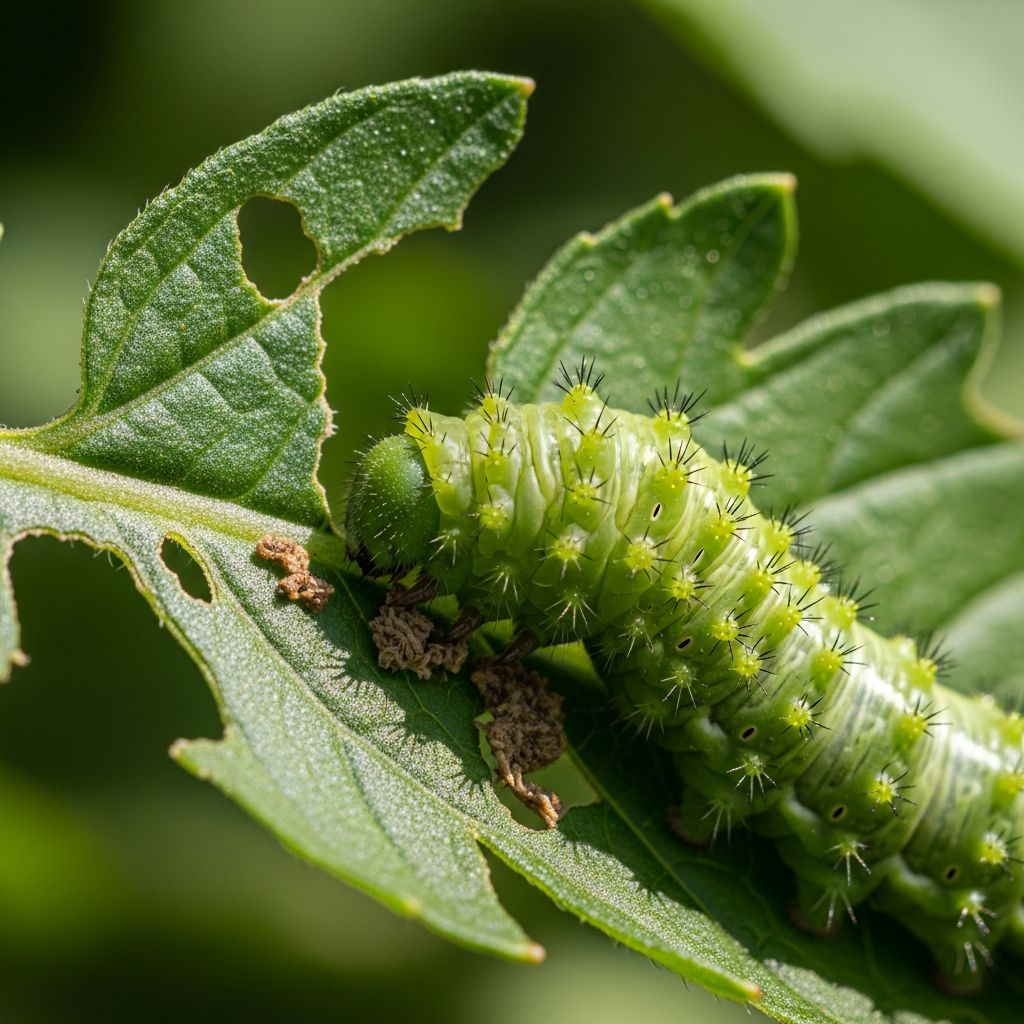
The Fundamental Role of Plant Matter in Caterpillar Survival
Caterpillars are herbivorous organisms that depend almost exclusively on vegetation for their nutritional needs. Their primary feeding mechanism centers on consuming plant leaves, which represent the most abundant and accessible food source in their natural environments. Unlike adult butterflies that exhibit dietary flexibility by sipping nectar from various flowering plants, caterpillar feeding behaviors are far more restrictive and specialized. This fundamental difference in feeding strategies reflects the distinct biological requirements at different life stages of the butterfly lifecycle.
The anatomical structure of caterpillars reveals their adaptation for continuous leaf consumption. Their mouthparts, known as mandibles, are specifically engineered for chewing and grinding plant material. These powerful jaws enable them to process large quantities of foliage as they undergo rapid growth through successive developmental stages. A single caterpillar can consume multiple times its own body weight in plant matter daily, which explains why access to abundant food sources is critical during the larval phase.
Host Plant Specificity: The Foundation of Caterpillar Ecology
One of the most remarkable aspects of caterpillar biology is their strict dependence on particular host plants. This specificity is not merely a preference but rather a biological necessity rooted in evolutionary adaptation. Each butterfly and moth species has developed specific enzymatic and physiological systems that allow their larvae to digest and metabolize only certain plant species or plant families. This specialization means that a caterpillar cannot simply switch to alternative food sources when preferred plants become unavailable.
The relationship between caterpillars and their host plants began millions of years ago and has become so tightly integrated that it represents one of nature’s most intricate coevolutionary partnerships. Female butterflies possess highly refined sensory capabilities that allow them to identify appropriate host plants by detecting specific chemical compounds in plant tissues. When depositing eggs, females ensure that their offspring emerge surrounded by the exact vegetation required for their survival and development. This maternal behavior dramatically increases the probability that newly hatched caterpillars will have immediate access to suitable nourishment.
Diverse Host Plant Selections Across Butterfly Species
The diversity of host plant preferences among different butterfly species demonstrates the remarkable specificity of caterpillar-plant relationships. Various swallowtail butterfly species exemplify this variation, with different members of the swallowtail family having evolved to utilize completely different plant families. For instance, anise and eastern black swallowtails depend on plants within the carrot family, including parsley, fennel, and dill. Giant swallowtails, by contrast, have adapted to citrus plants and related species. Pipevine swallowtails, as their name suggests, evolved specifically to feed on pipevine species, while spicebush swallowtails utilize aromatic plants including spicebush, sassafras, and bay laurels.
Beyond swallowtails, other butterfly families demonstrate equally specific preferences. Monarch caterpillars feed exclusively on milkweed plants, with different monarch populations utilizing various milkweed species depending on geographic location. Fritillary butterflies have evolved to depend on violets, while many common brush-footed butterflies rely on nettles, which are actually excellent natural caterpillar food sources despite their reputation as garden nuisances. Sulphur butterflies utilize legume plants, and cabbage white butterfly caterpillars feed on cruciferous vegetables and related wild plants.
Common Host Plant Relationships
- Monarch butterflies depend on milkweed species (Asclepias genus)
- Swallowtail butterflies utilize carrot family plants, citrus, pipevines, and spicebush depending on specific species
- Fritillary butterflies require violets and passionflowers for larval development
- Common brush-footed butterflies use nettles, elm, willow, and poplar trees
- Sulphur butterflies depend on various legume plants and clovers
- Hairstreak butterflies feed on cotton, mallows, and legumes depending on species
Alternative Food Sources and Exceptional Feeding Behaviors
While leaves constitute the primary food source for the vast majority of caterpillar species, certain caterpillars have evolved unusual dietary habits that extend beyond typical foliage consumption. Some caterpillar species supplement their leaf diet by consuming flower buds, developing seeds, and mature flower blooms. The Star-wort caterpillar particularly demonstrates this behavior by actively consuming both flowers and seeds of sea aster plants found in saltmarsh environments. This ability to utilize multiple plant parts allows caterpillars to extract additional nutrients and extend their feeding opportunities when leaf availability becomes limited.
Among the most remarkable exceptions to standard caterpillar diets is the wax moth caterpillar, which has evolved to feed on honeycomb within beehives. This unusual behavior represents a significant departure from plant-based feeding and demonstrates the remarkable adaptability of certain lepidopteran larvae. While this specialization provides a rich nutritional source, it creates conflict with beekeepers who view these caterpillars as agricultural pests. Other exceptional caterpillars feed on moss and lichen that grows on tree bark and old structures, with some species even evolving coloration that mimics the appearance of lichen-covered twigs for camouflage while they feed.
Certain caterpillar species have adapted to feed on tree bark and woody plant tissue, though this feeding behavior is less common than leaf consumption. Additionally, some species incorporate decaying vegetable matter and dead plant material into their diet, representing an intermediate step toward more specialized feeding strategies. These variations illustrate the evolutionary flexibility that has allowed caterpillars to colonize diverse ecological niches across different environments.
The Physiology of Specialized Digestion
The ability of caterpillars to digest specific host plants relies on specialized digestive enzymes and physiological adaptations that have evolved over millions of years. Different plant species contain varying chemical compounds, including alkaloids, terpenes, and other defensive molecules that plants produce to deter herbivory. Caterpillars have developed the enzymatic capacity to break down these compounds, extract nutrients, and in some cases, sequester toxic plant chemicals for their own defense against predators. The monarch butterfly caterpillar exemplifies this strategy by consuming milkweed plants that contain cardiac glycosides, which are toxic to many predators. The caterpillar accumulates these compounds in its tissues, making itself unpalatable or toxic to potential predators.
This physiological specialization means that transferring a caterpillar to a non-host plant species typically results in starvation or death, even if alternative plant material is nutritionally adequate. The digestive system simply cannot process the chemical composition of non-host plants, and the caterpillar lacks the enzymatic machinery necessary for nutrient extraction. This biological constraint explains why providing the correct host plant is absolutely essential for successful caterpillar rearing and butterfly conservation efforts.
Growth Requirements and Feeding Intensity
Caterpillars experience explosive growth during their larval phase, increasing their body mass by hundreds or even thousands of times from hatching to pupation. This rapid growth demands enormous quantities of food, which explains why caterpillars are often observed in a state of nearly continuous feeding. A single caterpillar can consume an entire plant leaf in the course of a few hours, and multiple caterpillars feeding on the same plant can completely defoliate it within days. This voracious appetite is not gluttony but rather a biological necessity driven by the energy requirements of metamorphosis and the growth of adult structures within the developing chrysalis.
The intensity of caterpillar feeding means that host plants must be accessible in substantial quantities throughout the caterpillar’s developmental period. A female butterfly choosing where to lay her eggs must locate areas with robust plant growth capable of supporting multiple caterpillars simultaneously. In agricultural and garden settings, this feeding intensity has made certain caterpillar species significant pests, particularly the cabbage white butterfly whose larvae damage cruciferous crops. However, this same feeding intensity plays crucial ecological roles in controlling plant populations and providing nutrition for birds and other predators that consume caterpillars.
Environmental and Seasonal Influences on Feeding
Caterpillar feeding patterns are significantly influenced by environmental conditions, including temperature, photoperiod, and host plant availability. Cooler temperatures generally slow caterpillar metabolism and reduce feeding rates, while optimal temperatures promote rapid feeding and growth. Seasonal availability of host plants creates temporal windows when caterpillar populations can successfully develop. In temperate regions, many butterfly species have evolved to time their egg-laying so that caterpillars emerge when host plants are at peak nutritional value and growth. Some species produce multiple generations per year, each timed to coincide with plant phenology.
Drought conditions that reduce host plant growth can severely impact caterpillar survival and butterfly population dynamics. Conversely, years with abundant rainfall and vigorous plant growth typically result in larger caterpillar populations and more successful butterfly emergences. Understanding these environmental relationships is crucial for butterfly conservation, as habitat protection must ensure not only the presence of host plants but also their reliable abundance throughout seasons when caterpillars are developing.
Practical Implications for Butterfly Gardening and Conservation
For individuals interested in supporting butterfly populations, understanding caterpillar dietary requirements is fundamental to successful butterfly gardening. Simply planting flowers that provide nectar for adult butterflies is insufficient; caterpillar populations require abundant host plants where females can lay eggs and larvae can develop. Creating butterfly-friendly habitats means identifying which butterfly species occur in your region and then ensuring that appropriate host plants are present in sufficient quantity. Native plant gardening that includes species like milkweed for monarchs, nettles for various brush-footed butterflies, and legumes for sulphur butterflies provides comprehensive support for butterfly lifecycles.
Avoiding pesticide use is critical, as insecticides kill caterpillars directly, while herbicides eliminate host plants. Allowing portions of gardens to develop naturalistic plantings with native vegetation maximizes habitat quality for caterpillars. Similarly, protecting wild areas that support native host plants ensures that wild butterfly populations maintain access to necessary food sources. For those raising caterpillars in educational or conservation settings, providing the correct host plant species is absolutely essential—caterpillars cannot survive on substitute plants, regardless of nutritional content.
Frequently Asked Questions About Caterpillar Feeding
Q: Can caterpillars eat different plants than their typical host plant?
A: No, caterpillars have highly specialized digestive systems adapted to specific plant species or families. Attempting to feed them non-host plants typically results in starvation or death, even if the alternative plant is nutritionally adequate.
Q: Why do female butterflies lay eggs only on host plants?
A: Female butterflies detect chemical compounds specific to appropriate host plants using their sensory appendages. By laying eggs directly on host plants, they ensure that newly hatched caterpillars have immediate access to essential nutrition.
Q: How much do caterpillars eat daily?
A: Caterpillars consume multiple times their own body weight in plant material daily. The exact quantity depends on species, temperature, and plant availability, but feeding is nearly continuous during the larval developmental period.
Q: Which common backyard plants support caterpillars?
A: Native plants like milkweed (for monarchs), nettles (for brush-footed butterflies), violets (for fritillaries), legumes (for sulphurs), and native trees like willow, birch, and oak support various caterpillar species.
Q: Are there caterpillars that eat meat or unusual foods?
A: The vast majority of caterpillars are strictly herbivorous. However, some unusual exceptions include wax moth caterpillars that feed on honeycomb and certain species that consume moss, lichen, and decaying plant material.
Q: How long do caterpillars spend feeding before pupation?
A: The larval feeding period typically lasts 3 to 5 weeks depending on species and environmental conditions, though some species may take longer. During this time, caterpillars may increase their body mass by 1000 times or more.
References
- What Do Caterpillars Eat? Host Plants! — Joyful Butterfly. https://www.joyfulbutterfly.com/butterfly-caterpillar/what-do-caterpillars-eat/
- What do caterpillars eat? — Department of Biology, Carleton University. https://carleton.ca/biology/cu-faq/what-do-caterpillars-eat/
- What do caterpillars eat? — Woodland Trust. https://www.woodlandtrust.org.uk/blog/2019/07/what-do-caterpillars-eat/
- What Do Hungry Caterpillars Really Eat? — Butterfly Conservation. https://butterfly-conservation.org/news-and-blog/what-do-hungry-caterpillars-really-eat

Medha Deb is an editor with a master's degree in Applied Linguistics from the University of Hyderabad. She believes that her qualification has helped her develop a deep understanding of language and its application in various contexts. Medha specializes in the areas of beauty, health, sports, and wellness and is committed to ensuring that the content on the website is…