
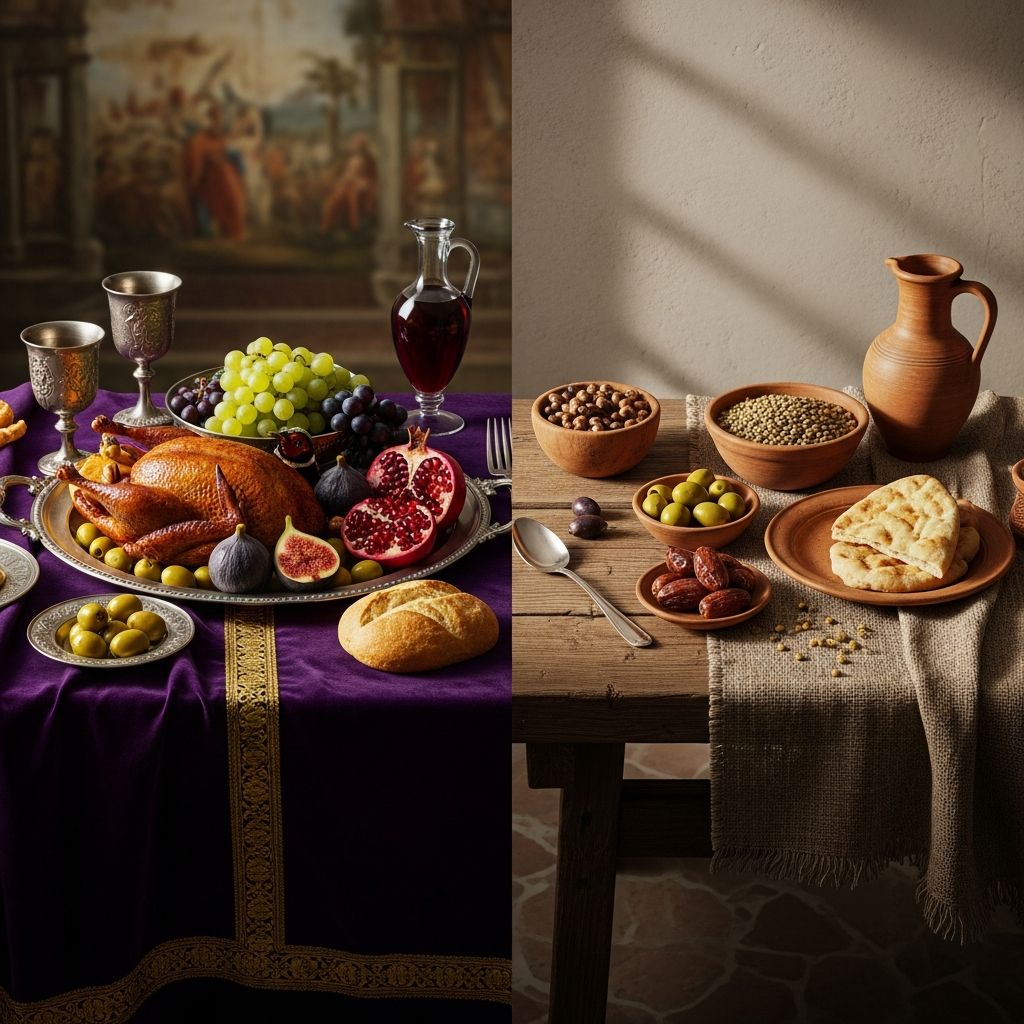
The ancient Romans sustained one of history’s greatest empires through a varied diet that reflected social status, regional availability, and culinary innovation. While the lower classes relied on simple, grain-based foods, the elite indulged in elaborate multi-course feasts. This article delves into the core elements of Roman alimentation, from breakfast staples to decadent dinners, highlighting how food intertwined with culture, health, and conquest.
Core Staples: Grains and Puls in Everyday Life
Grains formed the backbone of the Roman diet, especially for the working masses. Wheat, emmer, and barley were ground into flour for bread or boiled into puls, a thick porridge considered the quintessential meal for many. Puls was versatile: the basic version mixed emmer with water and salt, while fancier preparations added olive oil, herbs, or vegetables.
For urban dwellers dependent on the grain dole, bread from public bakeries was a daily essential, often paired with cheese or diluted wine for breakfast and lunch. Soldiers carried wheat rations, baking it into hard biscuits or porridge during campaigns, supplemented by bacon or salted meats. This grain-heavy foundation ensured caloric efficiency across the empire.
- Emmer wheat: Used for flat, round loaves in early periods.
- Wheat bread: Became dominant by the Imperial era, replacing coarser emmer.
- Barley: Common in porridges for the poor and military.
Vegetables, Legumes, and Fruits: The Garden Bounty
Roman agriculture yielded abundant produce, with cabbage, leeks, onions, and lettuce dominating tables. Brassicas like cabbage were prized for digestion and hangover remedies. Legumes—dried peas, chickpeas, lentils, fava beans, and lupins—provided protein for the masses, often roasted or stewed into broths.
Fruits included apples, pears, plums, figs, grapes, and chestnuts; quince was especially valued for jams. Exotic imports like dates and olives arrived via trade, but tomatoes, potatoes, and peppers were absent until post-Roman times. Nuts such as walnuts, almonds, pine nuts, and pistachios thickened sauces or filled pastries.
| Category | Common Examples | Usage |
|---|---|---|
| Vegetables | Cabbage, leeks, onions, asparagus (elite) | Salads, stews, sides |
| Legumes | Chickpeas, lentils, fava beans | Broths, snacks, puls additives |
| Fruits & Nuts | Figs, quince, pine nuts, almonds | Desserts, sauces, fresh eating |
Proteins: From Humble Cheese to Exotic Meats
Meat was a luxury, rare for the average Roman who favored cheese, eggs, and occasional poultry. Pork dominated when available, stewed then roasted, as beef was taboo until the 2nd century BC due to oxen needs. Game like boar, hare, deer, and dormice thrilled the wealthy; smaller birds such as thrushes and pheasants were common.
Gladiators, per Ephesus cemetery analysis, stuck to grains and legumes for a plant-based strength diet. Eggs featured in sophisticated patinae—omelet-like dishes with honey, nuts, or seafood. Dairy like fresh cheese accompanied bread daily.
Seafood and the Garum Revolution
Fish and shellfish were staples, especially coastal. Oysters, clams (telline), octopus, eel, mullet, and morays graced elite tables. Garum, a fermented fish sauce akin to modern Asian condiments, flavored nearly everything—from meats to vegetables—with its spicy, umami punch made from entrails sun-fermented.
Rich dinners showcased turbot, prawns, and farmed oysters, while the poor enjoyed salted or cheap fish. This seafood emphasis aligned with the Mediterranean diet’s health benefits, still lauded today.
Meal Structure: From Quick Bites to Sumptuous Banquets
Roman days revolved around three meals: ientaculum (breakfast: bread, cheese, wine); prandium (lunch: leftovers, puls); and cena (dinner: the social highlight). Elite cena unfolded in three parts:
- Gustatio: Appetizers like eggs, salads, oysters.
- Prima mensa: Main courses of fish, poultry, or meats.
- Secunda mensa: Desserts with fruits, nuts, honey-sweetened pastries.
Banquets at thermopolia (fast-food taverns) served 90 in Pompeii alone, offering hot stews to the masses. Ovens were scarce, so boiling and frying prevailed.
Drinks, Sweets, and Spices: Flavor Enhancers
Wine, diluted with water, was ubiquitous—raw for soldiers. Posca, a vinegar-water mix, quenched legionaries. Spices from conquests (pepper, coriander, fennel) mimicked Middle Eastern profiles.
Sweets featured honey-glazed nuts, fruit tarts, or egg-based fritattas. No sugar existed; honey ruled desserts.
Class and Regional Variations in Roman Eating
Urban poor queued for free grain, eating puls with peas. Rural folk grew their own veggies. Britain gained 50+ Roman plants like cherries and coriander. Legion rations adapted: mutton in Gaul, pork elsewhere. Elites displayed wealth via rare dormice or peacock.
Vegetarianism appeared among Pythagoreans or budget-conscious eaters. Women and children shared simpler fare.
Health, Innovation, and Legacy
The Roman diet promoted health via olive oil, veggies, and legumes—echoing today’s Mediterranean model. Innovations like garum and patinae influenced Europe. Conquests diversified menus, introducing Eastern spices and fruits.
Archaeology reveals balanced army diets by the 4th century. Food rituals reinforced hierarchy, from dole lines to vomitoria myths (actually emetic rooms for excess).
Frequently Asked Questions (FAQs)
What did poor Romans eat daily?
Poor Romans primarily consumed puls porridge from grains, legumes like peas and chickpeas, bread from the dole, and occasional cheese or vegetables.
Did Romans eat three meals a day?
Yes: light breakfast (ientaculum), midday prandium, and main cena dinner, with cena being elaborate for the rich.
What was garum and how was it used?
Garum was a fermented fish sauce used as a universal condiment for flavoring meats, veggies, and sauces.
Were there desserts in ancient Rome?
Desserts included honey-sweetened fruits, nuts, pastries, and egg dishes like patinae.
How did Roman soldiers eat?
Soldiers ate wheat-based rations as porridge or bread, with meat like bacon, fish, cheese, and veggies; officers fared better.
References
- What Did the Romans Eat? Cuisine of the Ancient Romans — History Hit. 2023. https://www.historyhit.com/what-did-the-romans-eat-food-and-drink-in-ancient-times/
- Roman Food — The Novium Museum. 2023. https://www.thenovium.org.uk/article/34018/Roman-Food
- Ancient Roman cuisine — Wikipedia (sourced from primary texts like Apicius). 2026-04-01. https://en.wikipedia.org/wiki/Ancient_Roman_cuisine
- What Did Ancient Romans Eat? — Getty News. 2022-10-12. https://www.getty.edu/news/what-did-ancient-romans-eat/
- Ancient Roman Food: What did the Romans use to eat? — In Rome Cooking. 2023. https://www.inromecooking.com/blog/recipes/ancient-roman-food-what-did-the-romans-use-to-eat/
- The Food of Ancient Rome — Crystal King, Author. 2023. https://www.crystalking.com/thefoodofancientrome
- Romans: Food and Health — English Heritage. 2023. https://www.english-heritage.org.uk/learn/story-of-england/romans/food-and-health/

Medha Deb is an editor with a master's degree in Applied Linguistics from the University of Hyderabad. She believes that her qualification has helped her develop a deep understanding of language and its application in various contexts. Medha specializes in the areas of beauty, health, sports, and wellness and is committed to ensuring that the content on the website is…