
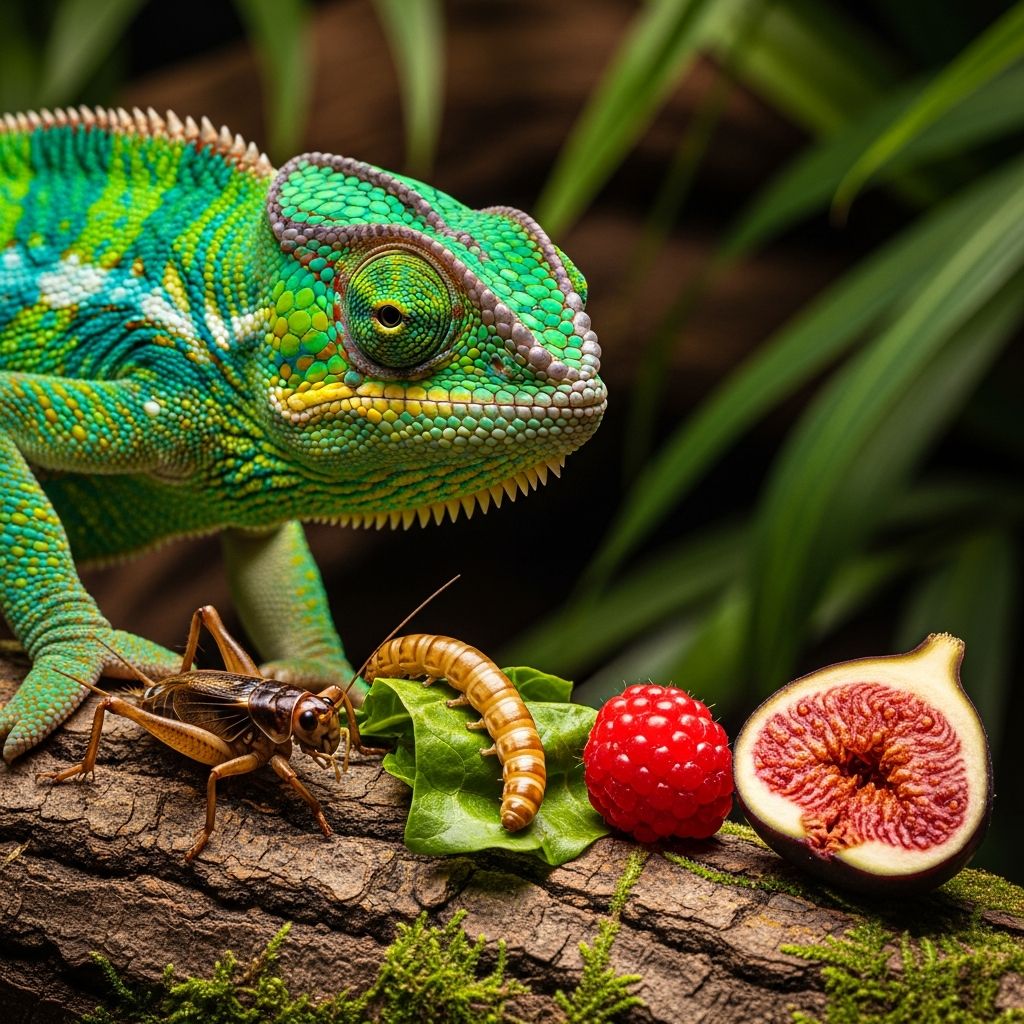
Reptiles exhibit remarkable dietary diversity, ranging from strict meat-eaters to plant specialists and everything in between. Understanding these habits is crucial for both wildlife appreciation and responsible pet ownership.
Dietary Categories in the Reptile Kingdom
Reptiles are broadly classified by their food preferences, which align with their evolutionary adaptations and habitats. This categorization helps predict nutritional needs accurately.
- Carnivores: Predominantly consume animal proteins like mammals, birds, fish, and fellow reptiles. Examples include snakes, crocodiles, and monitor lizards.
- Herbivores: Rely on vegetation such as leaves, grasses, fruits, and flowers. Notable species are green iguanas, tortoises, and certain sea turtles.
- Insectivores: Specialize in insects, spiders, and small invertebrates. Common in geckos, chameleons, and many small lizards.
- Omnivores: Balance animal and plant matter, adjusting based on availability. Bearded dragons and box turtles exemplify this flexibility.
Carnivorous Reptiles: Apex Predators and Hunters
Carnivorous reptiles dominate the class, with diets centered on protein-rich prey. Smaller species target insects or rodents, while giants like crocodiles tackle large mammals.
Snakes, for instance, swallow prey whole, relying on powerful constriction or venom. Pythons and anacondas can consume pigs or deer, showcasing their impressive gape. Crocodiles exhibit opportunistic feeding, devouring fish, birds, and even humans in rare cases.
| Species | Preferred Prey | Hunting Method |
|---|---|---|
| Crocodile | Fish, mammals, birds | Ambush strike |
| Python | Mammals, birds | Constriction |
| Monitor Lizard | Insects, small vertebrates | Active pursuit |
In the wild, these reptiles detect prey via vibrations, heat-sensing pits, or acute smell, ensuring efficient hunting.
Herbivorous Reptiles: Grazers of the Plant World
Though less common, herbivorous reptiles thrive on plant matter, which demands specialized digestion. Land tortoises munch on grasses and cacti, while green iguanas favor leafy greens.
Adult green sea turtles shift to seagrasses and algae after a carnivorous juvenile phase, aiding reef ecosystems. Uromastyx lizards consume flowers and succulents in arid regions, extracting moisture from food. These reptiles ferment plant fiber in hindgut chambers, breaking down tough cellulose.
- Daily intake: High-fiber leaves like collards, dandelions.
- Supplements: Occasional fruits for vitamins, but limited to avoid digestive issues.
- Challenges: Need calcium-rich foods to prevent metabolic bone disease.
Insectivores and Omnivores: Balanced Opportunists
Insectivores focus on crunchy invertebrates, providing essential chitin and nutrients. Chameleons tongue-lash crickets, while geckos snatch flies.
Omnivores like bearded dragons devour 70% veggies, 20% insects, and 10% fruits, mimicking wild variety. Blue-tongued skinks graduate from insects to a 50% veggie mix with snails.
This versatility suits fluctuating environments, where insects supplement scarce plants.
Foraging and Feeding Behaviors in Nature
Reptiles employ diverse strategies to procure food. Aquatic species like turtles use keen smell and pressure sensitivity to scavenge. Arboreal snakes like green tree pythons use prehensile tails for precise strikes on mammals.
Herbivores graze continuously, while carnivores ambush or pursue. Prey size scales with reptile dimensions—tiny lizards eat ants, massive crocs down wallabies. Digestion is slow, allowing infrequent meals; some snakes fast for months post-feast.
Nutritional Essentials for Pet Reptiles
Captivity demands replicating wild diets to prevent obesity, malnutrition, or organ failure. Consult vets for species-specific plans.
- Greens Base: Kale, mustard greens (70% of herbivore/omnivore diet).
- Proteins: Gut-loaded crickets, mealworms for insectivores/carnivores.
- Fruits: Sparingly—berries, melon (10% max).
- Supplements: Calcium powder, vitamin D3 for UVB-deficient setups.
- Water: Always fresh; some hydrate via food.
| Diet Type | Juvenile Focus | Adult Focus |
|---|---|---|
| Herbivore | Softer plants | Leafy greens |
| Omnivore | High insects | Mostly veggies |
| Carnivore | Small prey | Larger rodents |
Avoid wild-caught insects (pesticides) and high-fat treats like superworms. Feed juveniles daily, adults 3-5 times weekly.
Species Spotlights: Tailored Feeding Guides
Bearded Dragon (Omnivore)
Juveniles: 80% insects (dubia roaches), 20% salads. Adults: Reverse ratio with staples like squash, collards. Dust with calcium 3x/week.
Green Iguana (Herbivore)
95% greens/veggies: Endive, parsley. No animal protein post-weaning. Provide UVB for vitamin synthesis.
Leopard Gecko (Insectivore)
Crickets, waxworms exclusively. No plants. Gut-load insects for nutrition.
Ball Python (Carnivore)
Appropriately sized rodents weekly. Thaw properly to avoid refusal.
Tortoise (Herbivore)
Weeds, hibiscus, grasses. Minimal fruit. Graze setup ideal.
Common Pitfalls and Health Risks
Imbalanced diets cause issues: Excess protein in herbivores leads to kidney failure; fruit overload ferments gut. Symptoms include lethargy, diarrhea—vet ASAP.
Myth: All reptiles eat mice—no, many are plant-based. Rotate foods for micronutrients; monitor weight.
Frequently Asked Questions (FAQs)
What percentage of a bearded dragon’s diet should be insects?
Juveniles need 70-80% insects, dropping to 20-30% in adults for balanced health.
Can herbivorous reptiles eat meat?
Rarely; most cannot digest it properly, risking gout or toxicity. Stick to plants.
How often should I feed my pet snake?
Juveniles weekly, adults every 1-2 weeks, depending on size and activity.
Are fruits safe for all reptiles?
No—limit to 10% for omnivores/herbivores; avoid in carnivores due to sugar content.
What if my reptile refuses food?
Check temperature, stress, shedding. Consult vet for underlying issues.
Enhancing Captive Diets with Supplements
Bee pollen entices picky eaters like bearded dragons, boosting minerals. Multivitamins prevent deficiencies, but overuse harms. UVB lighting mimics sun for vitamin D.
For longevity, variety is key: Chop salads finely for small mouths; offer live prey for stimulation.
References
- What Do Reptiles Eat? — A-Z Animals. 2023. https://a-z-animals.com/blog/what-do-reptiles-eat/
- What Do Reptiles Eat Facts for Kids — Twinkl. 2024. https://www.twinkl.com/homework-help/science-homework-help/reptiles-facts-for-kids/what-do-reptiles-eat-facts-for-kids
- Reptile – Feeding Habits — Britannica. 2024-04-01. https://www.britannica.com/animal/reptile/Feeding-habits
- What Do Reptiles Eat — Reptile Encounters. 2023. https://www.reptileencounters.com.au/news/what-do-reptiles-eat
- What should I feed my reptile? — RSPCA Knowledgebase. 2025. https://kb.rspca.org.au/categories/companion-animals/other-pets/reptiles/what-should-i-feed-my-reptile
- What do I feed my reptile to keep it healthy? — Zilla Rules. 2024. https://www.zillarules.com/articles/what-do-i-feed-my-reptile-to-keep-it-healthy

Medha Deb is an editor with a master's degree in Applied Linguistics from the University of Hyderabad. She believes that her qualification has helped her develop a deep understanding of language and its application in various contexts. Medha specializes in the areas of beauty, health, sports, and wellness and is committed to ensuring that the content on the website is…