
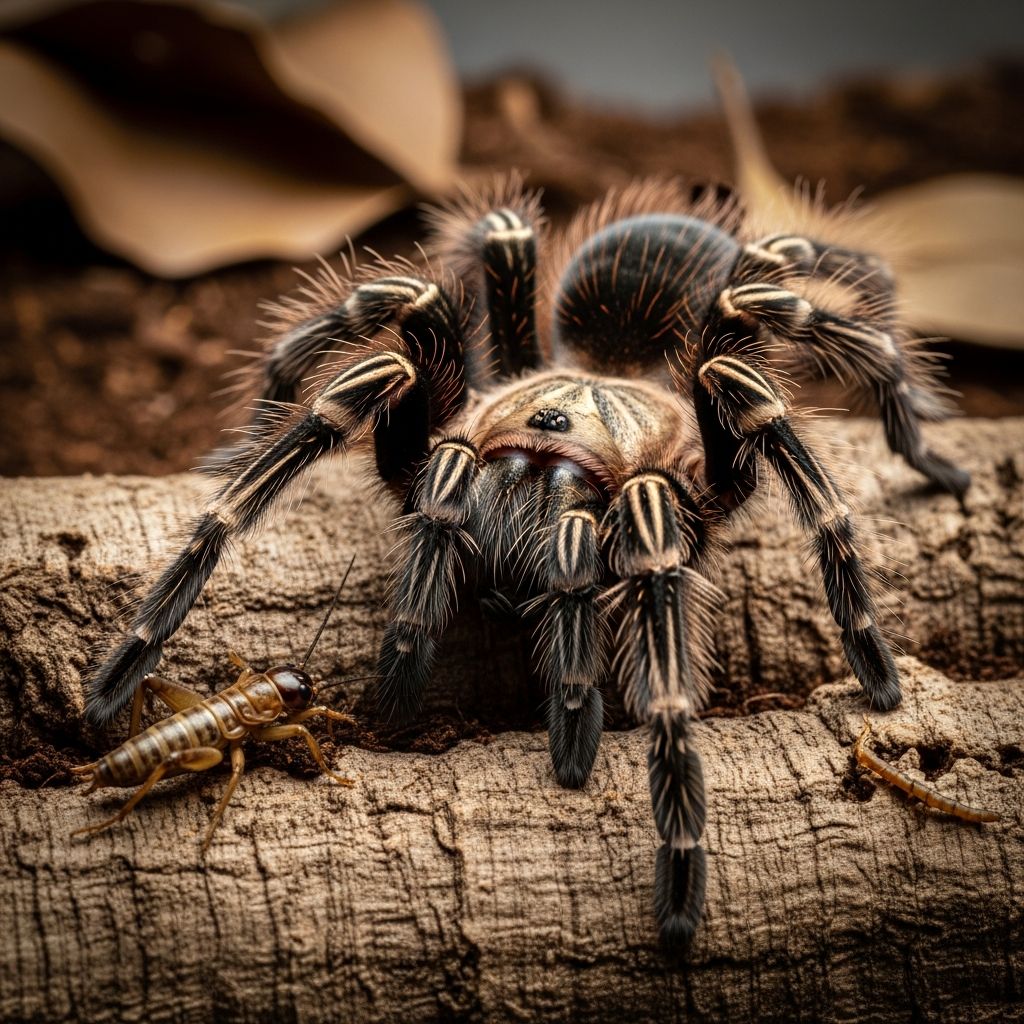
Understanding Tarantula Dietary Preferences and Natural Feeding Behavior
Tarantulas are carnivorous arachnids that consume a diverse range of prey items in their natural habitats. In the wild, these eight-legged hunters are classified as opportunistic feeders, meaning they will consume whatever prey they can successfully capture and overpower. Their natural diet includes insects, small arthropods, and occasionally vertebrates such as frogs, toads, mice, and small lizards. This opportunistic approach to feeding has allowed tarantulas to thrive across multiple continents and diverse ecosystems. However, when kept in captivity as pets, their diet typically consists of more controlled and readily available feeder insects, which proves safer and more practical for long-term care.
The feeding behavior of tarantulas varies significantly by species and geographic origin. Many species are primarily nocturnal hunters, meaning they are most active and willing to consume food during evening and nighttime hours. This behavioral pattern is important for keepers to understand, as it affects when to introduce food items and how to observe feeding activity. Additionally, the natural habitat of a tarantula—whether it originates from tropical rainforests, arid deserts, or temperate regions—can influence both its appetite and the types of prey it prefers.
Selecting Appropriate Feeder Insects for Your Tarantula
The market offers numerous feeder insect options suitable for tarantulas, with each type providing different nutritional profiles and presenting distinct advantages and challenges. Choosing the right feeder insect depends on your tarantula’s size, species, and individual preferences. The most commonly available feeders include:
- Crickets: Among the most popular feeder insects, crickets are widely available in various sizes and remain relatively inexpensive. They are suitable for tarantulas of all ages and can be found at most pet stores. However, crickets do possess mandibles capable of inflicting minor damage to vulnerable tarantulas, particularly during molting periods.
- Roaches: Increasingly popular among experienced tarantula keepers, roaches offer superior nutritional value compared to crickets. Available in multiple sizes ranging from small species to giant hissing cockroaches, roaches can accommodate tarantulas at any developmental stage. Many experts suggest that roaches represent a healthier nutritional choice than crickets.
- Mealworms: These beetle larvae are readily accessible through pet supply retailers and can be cultured at home with minimal effort. A significant advantage of mealworms is their ability to be refrigerated, allowing keepers to maintain a readily available food supply without frequent restocking trips. They work particularly well for medium-sized tarantulas.
- Superworms: Larger than mealworms, superworms suit bigger tarantula specimens and serve as a more substantial meal for adult species. They can be bred in colonies for continuous supply. A critical consideration with superworms is that they possess strong mandibles and will actively bite and potentially kill a tarantula if not properly prepared before feeding.
- Waxworms: These insect larvae should be offered sparingly due to their high fat content. While nutritious, they are best reserved as occasional treats rather than dietary staples for most species.
Critical Feeding Safety Considerations
Certain precautions must be observed to prevent injury or death of your tarantula during feeding activities. Superworms require special attention—their powerful mandibles can inflict fatal injuries on vulnerable spiders. Before offering a superworm, carefully remove or crush its head to eliminate the threat. Crickets similarly pose risks to recently molted tarantulas whose exoskeletons remain soft and fragile; uneaten crickets left in the enclosure may attack and consume a defenseless molting tarantula.
Another important consideration involves feeder insect quality and nutrition. Gut-loading your feeder insects significantly enhances the nutritional value they provide to your tarantula. Crickets can be fed vegetables including leafy greens, squash, cucumbers, and carrots, or specialized gut-loading supplements. This practice ensures your tarantula receives optimal nutrition from each meal.
Determining Appropriate Feeding Frequency by Life Stage
Tarantula dietary requirements and feeding frequency vary dramatically depending on the spider’s age and developmental stage. Understanding these distinctions is essential for proper husbandry and maintaining optimal health throughout the tarantula’s lifespan.
Sling and Juvenile Feeding Protocols
Young tarantulas, classified as slings (spiderlings) and juveniles, have accelerated metabolic rates and require frequent feeding to support rapid growth and development. Slings are exceptionally vulnerable to predation in the wild and must grow as quickly as possible to reach safer size thresholds. In captivity, most keepers feed slings every two to three days with appropriately sized prey items. If larger prey is offered, weekly feeding becomes acceptable.
A common concern among new keepers involves overfeeding slings and potential obesity-related complications. While some debate surrounds this topic, scientific evidence does not support the notion that tarantulas can become dangerously obese from feeding. Slings possess self-regulating appetites and will typically cease eating when preparing to molt. The primary risk from excessive weight gain is potential abdominal rupture resulting from falls, which remains rare in properly maintained enclosures.
As tarantulas progress to the juvenile stage—typically around 1.5 to 2 inches in body length—growth rates begin to decelerate. At this developmental point, keepers can reduce feeding frequency somewhat while still maintaining healthy growth. A common practice involves offering larger prey items once or twice weekly, though continuing a more aggressive feeding schedule remains acceptable.
Adult Tarantula Feeding Requirements
Adult tarantulas exhibit dramatically different feeding requirements depending on species origin and natural history. Temperate species originating from regions with seasonal climate variation typically require significantly less food than their tropical counterparts. For example, adult Grammostola rosea (Chilean rose hair tarantulas) thrive on merely four to five crickets per month, representing a minimal feeding commitment. Conversely, tropical species from genera including Theraphosa, Pamphobeteus, Acanthoscurria, and Phormictopus demonstrate voracious appetites, consuming large meals multiple times weekly.
These dramatic differences reflect each species’ natural ecology and metabolic requirements. Tropical tarantulas typically inhabit environments with year-round food availability and maintain higher activity levels, necessitating more frequent feeding. The size of your adult tarantula also influences feeding frequency—a six-inch Pamphobeteus female might consume five crickets and one large roach weekly, while an equally-sized Grammostola rosea requires only monthly meals.
Implementing a Tracking System for Feeding Management
Maintaining detailed records of your tarantula’s feeding schedule and molting cycles provides invaluable insights into its health status and growth trajectory. Tracking feeding frequency allows keepers to identify any unusual changes in appetite that might indicate illness or environmental stress. Molting intervals vary significantly among species, and documenting these patterns helps establish baseline expectations for your individual spider.
Records also facilitate accurate age determination and enable recognition of abnormal patterns that might signal developing health problems. When you maintain comprehensive feeding logs, you can correlate changes in feeding behavior with environmental factors, recent enclosure modifications, or seasonal fluctuations.
Optimal Timing and Practical Feeding Techniques
Since many tarantula species exhibit nocturnal hunting behavior, evening feeding often aligns with their natural activity patterns. Introducing prey items before bedtime allows your tarantula to hunt and consume food during its active hours. However, individual variation exists—many keepers successfully feed their tarantulas during afternoon hours and observe healthy feeding responses.
A practical feeding guideline involves removing any uneaten prey within 24 hours to prevent potential injury to your tarantula. Live feeders left unattended can become aggressive and damage vulnerable spiders. If your tarantula appears uninterested in food after 24 hours, removal prevents stress and potential harm.
Understanding Tarantula Fasting and Metabolic Flexibility
One of the most remarkable characteristics of tarantulas is their extraordinary capacity to survive extended periods without food. Healthy tarantulas can survive several months without consuming any food, a metabolic adaptation that reflects their wild origins where prey availability fluctuates seasonally. This fasting capability means that occasional missed feedings or brief appetite losses do not constitute immediate causes for concern.
Tarantulas approaching molt typically cease eating entirely, sometimes stopping food consumption several weeks before the molting process begins. This is normal behavior and should not trigger intervention. Similarly, some tarantulas exhibit periods of reduced appetite that may last weeks without indicating illness or distress.
Specialized Feeding Strategies and Power Feeding
Some experienced keepers employ intensive feeding protocols known as “power feeding” to accelerate growth rates in young tarantulas. This approach involves providing larger prey items or increasing feeding frequency beyond standard recommendations. While effective for rapidly developing spiders, power feeding requires careful monitoring to ensure the tarantula remains healthy without developing complications.
Power feeding is typically employed when keepers desire faster maturation of their specimens or when preparing tarantulas for breeding. This strategy should only be implemented by keepers with established experience and thorough understanding of their specific species’ requirements.
Maintaining Feeder Insect Colonies
Many dedicated tarantula keepers choose to breed and maintain their own feeder insect colonies. This practice offers multiple advantages including reduced costs, consistent supply availability, and complete control over feeder nutrition. Breeding roaches, crickets, and mealworms requires minimal space and effort while providing unlimited access to appropriately-sized prey.
Maintaining your own insect colonies eliminates dependence on pet store availability and allows optimization of feeder nutrition through careful diet management. This approach particularly benefits keepers with multiple tarantulas or those maintaining large specimens with substantial appetites.
Frequently Asked Questions About Tarantula Feeding
Q: Can tarantulas eat vertebrate prey like mice or small lizards in captivity?
A: While tarantulas can consume vertebrate prey including mice and lizards, captive tarantulas are typically fed insects for safety and practicality. Vertebrate prey poses greater risks of injury to the tarantula and creates unnecessary complications for keepers.
Q: What should I do if my tarantula refuses to eat for extended periods?
A: Extended fasting is normal tarantula behavior, particularly preceding molts. Do not be alarmed if your tarantula stops eating for weeks or months. Continue offering food periodically, but only intervene if the tarantula shows signs of dehydration or other illness indicators.
Q: How do I prevent feeder insects from injuring my tarantula?
A: Remove uneaten prey within 24 hours. For superworms, crush or remove the head before offering. Avoid leaving live feeders with molting tarantulas. Choose appropriate prey sizes relative to your tarantula’s dimensions.
Q: Is it better to feed roaches or crickets to my tarantula?
A: Roaches generally provide superior nutritional value and are considered healthier feeder insects than crickets. Both are appropriate choices, but roaches represent the preferred option when available.
Q: Can I overfeed my tarantula sling?
A: Slings regulate their own appetite and will naturally stop eating when preparing to molt. While extreme obesity could theoretically cause abdominal rupture from falls, scientific evidence does not support overfeeding as a significant concern for well-kept tarantulas.
Q: What are the advantages of breeding my own feeder insects?
A: Breeding feeders reduces costs significantly, ensures consistent supply availability, and allows complete control over insect nutrition through gut-loading. This approach eliminates dependence on pet store availability.
References
- Tarantula Feeding – What, when, and how much to feed — Tom’s Big Spiders. 2015-02-02. https://tomsbigspiders.com/2015/02/02/tarantula-feeding-how-much-to-feed/
- What I Feed My Tarantulas — Tarantula Heaven. https://www.tarantulaheaven.com/what-i-feed-my-tarantulas/
- Tarantula — Britannica Encyclopedia. https://www.britannica.com/animal/tarantula
- 5 Habits for a Successful Tarantula Keeper — The Bio Dude. https://www.thebiodude.com/blogs/helpful-husbandry-faqs/5-habits-for-a-successful-tarantula-keeper

- Integrated M.A. in Applied Linguistics, University of Hyderabad
- 5+ years in editorial, instructional, SEO, and research-based writing
Sneha is a relationships and lifestyle writer with a strong foundation in applied linguistics and certified training in relationship coaching. She brings over five years of writing experience to theskillvault, crafting thoughtful, research-driven content that empowers readers to build healthier relationships, boost emotional well-being, and embrace holistic living. Her writing and insights reflect the belief that beauty, happiness, and wellness…