
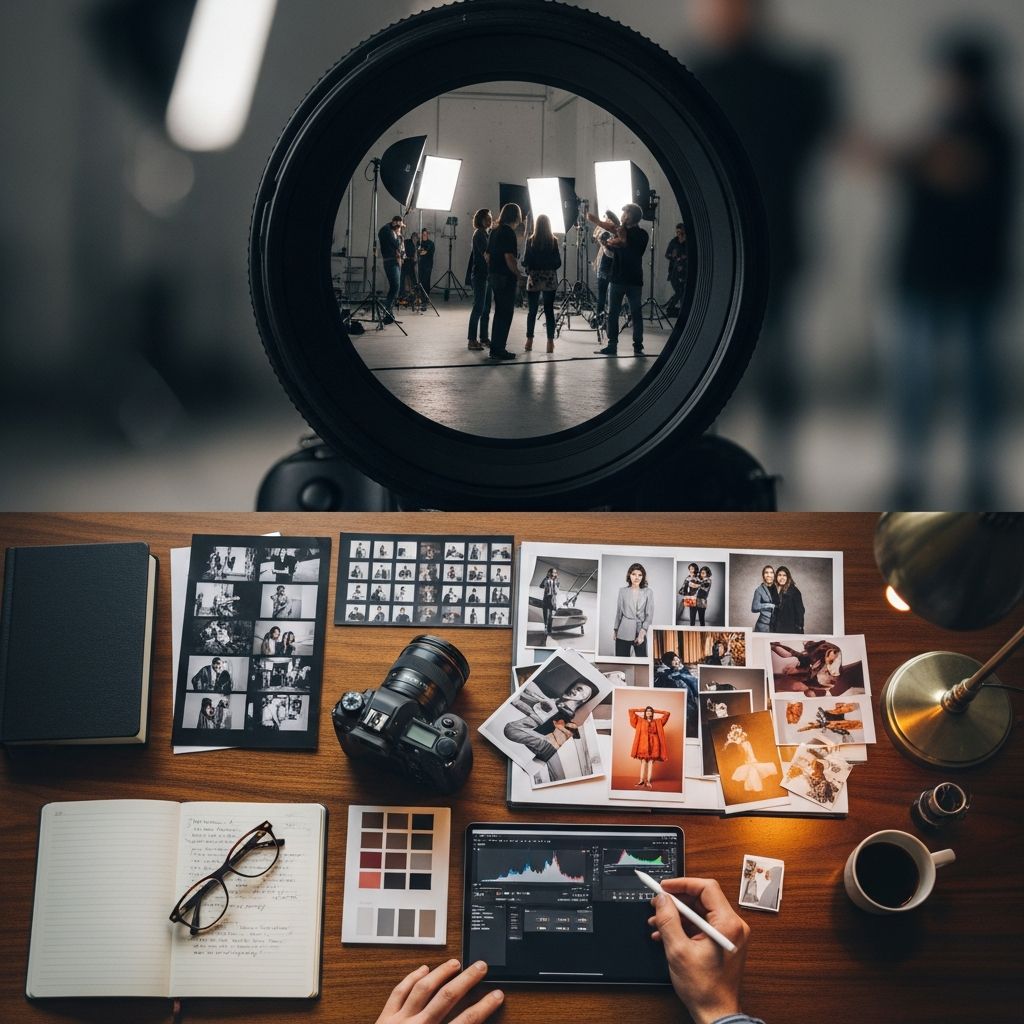
The Creative Force Behind the Lens
A photo director is more than just someone who takes pictures. They are the architect of a brand’s or project’s visual language, shaping how stories are told through images. Whether working in fashion, editorial, advertising, or film, a photo director translates abstract ideas into compelling visuals that resonate with audiences. Their work sits at the intersection of art, strategy, and leadership, requiring both technical mastery and a strong creative vision.
Defining the Photo Director Role
A photo director, sometimes referred to as a director of photography or creative director in visual fields, is responsible for the overall look and feel of a photographic production. They are not just photographers; they are visual strategists who oversee every stage of image creation, from concept development to final delivery.
In a commercial context, a photo director might lead a campaign for a fashion brand, deciding on mood, lighting, casting, wardrobe, and set design. In editorial or publishing, they shape the visual identity of a magazine or digital platform. In film and television, they work closely with the director to define the cinematographic style of a production.
Core Responsibilities of a Photo Director
The day-to-day work of a photo director varies by industry and project, but several key responsibilities are common across roles:
- Concept Development: Collaborating with creative directors, art directors, and clients to develop visual concepts that align with brand identity or narrative goals.
- Shot Planning: Creating shot lists, storyboards, and mood boards to guide the shoot and ensure consistency in style and tone.
- Equipment & Technical Oversight: Selecting cameras, lenses, lighting setups, and other gear that best serve the creative vision and technical requirements.
- Crew Management: Hiring and leading a team that may include photographers, camera operators, lighting technicians, stylists, makeup artists, and assistants.
- On-Set Direction: Directing the shoot in real time, making decisions about composition, lighting, camera movement, and performance to achieve the desired look.
- Post-Production Collaboration: Working with editors, retouchers, and colorists to ensure the final images match the original vision and meet quality standards.
- Budget & Timeline Management: Planning and managing resources to deliver high-quality work within financial and scheduling constraints.
Skills That Set Great Photo Directors Apart
Success in this role depends on a blend of artistic, technical, and interpersonal abilities. The most effective photo directors combine a strong eye for composition with the leadership skills needed to guide a creative team.
Artistic & Visual Skills
- Strong sense of composition, color, and lighting
- Ability to tell stories through images
- Understanding of visual trends and cultural context
- Proficiency in mood boarding and visual research
Technical Expertise
- Deep knowledge of cameras, lenses, and lighting equipment
- Familiarity with digital workflows, file formats, and color management
- Understanding of exposure, depth of field, and motion control
- Experience with both still and moving image capture
Leadership & Communication
- Clear communication of creative direction to diverse teams
- Conflict resolution and problem-solving under pressure
- Ability to give constructive feedback and inspire collaboration
- Strong client-facing skills and negotiation abilities
Organizational & Strategic Thinking
- Project planning and timeline management
- Budgeting and resource allocation
- Risk assessment and contingency planning
- Understanding of brand strategy and audience targeting
How Photo Directors Work with Creative Teams
A photo director rarely works in isolation. Their role is inherently collaborative, requiring close coordination with a range of creative professionals:
- Creative Directors: Align on overall campaign or project vision, ensuring that photography supports broader brand or narrative goals.
- Art Directors & Designers: Coordinate on layout, typography, and how images integrate into final designs.
- Stylists & Makeup Artists: Collaborate on wardrobe, hair, and makeup to create cohesive looks that match the concept.
- Photographers & Camera Operators: Guide technical execution while respecting the photographer’s craft and input.
- Producers & Production Managers: Work together on logistics, scheduling, and budget management.
- Editors & Retouchers: Ensure consistency in tone, color grading, and image quality during post-production.
Effective photo directors build strong, trust-based relationships with their teams, fostering an environment where creativity can thrive while staying aligned with project objectives.
From Concept to Final Image: A Typical Workflow
While every project is different, most photo director roles follow a structured workflow that moves from idea to execution:
1. Briefing & Concept Development
The process begins with a creative brief from a client, brand, or internal team. The photo director interprets this brief, conducts visual research, and develops a concept that aligns with the project’s goals. This stage often includes mood boards, reference images, and initial discussions with stakeholders.
2. Pre-Production Planning
Once the concept is approved, the photo director plans the shoot in detail:
- Creating shot lists and storyboards
- Selecting locations and conducting location scouting
- Choosing and booking equipment
- Assembling and briefing the crew
- Coordinating with stylists, talent, and other departments
3. On-Set Execution
During the shoot, the photo director is the central creative authority:
- Directing camera placement, movement, and framing
- Overseeing lighting setups and adjustments
- Guiding talent performance and posing
- Ensuring consistency across shots and scenes
- Problem-solving technical and logistical challenges
4. Post-Production & Delivery
After the shoot, the photo director remains involved in shaping the final product:
- Reviewing dailies or selects with the creative team
- Providing feedback on editing, color grading, and retouching
- Approving final images or sequences
- Delivering assets according to technical specifications
Industries Where Photo Directors Thrive
Photo directors can be found in a wide range of industries, each with its own nuances and expectations:
| Industry | Typical Projects | Key Focus Areas |
|---|---|---|
| Fashion | Campaigns, lookbooks, editorials | Styling, lighting, model direction, trend awareness |
| Advertising | Brand campaigns, product photography, commercials | Concept clarity, brand consistency, audience targeting |
| Editorial & Publishing | Magazine features, online content, book projects | Narrative storytelling, visual journalism, layout integration |
| Film & Television | Feature films, series, documentaries | Cinematography, camera movement, color palette, mood |
| Corporate & Branding | Annual reports, websites, internal communications | Professional tone, authenticity, brand guidelines |
Building a Career as a Photo Director
There is no single path to becoming a photo director, but most successful professionals follow a similar trajectory of learning, experience, and relationship-building.
Education & Training
Many photo directors start with formal education in photography, film, visual arts, or design. Degrees in cinematography, media production, or fine arts can provide a strong foundation. However, hands-on experience is equally, if not more, important.
Workshops, online courses, and certifications in areas like lighting, color grading, and digital workflows can help build technical skills. Studying the work of renowned cinematographers and photographers is also a valuable form of self-education.
Gaining Experience
Most photo directors begin in entry-level or assistant roles:
- Camera assistant or focus puller
- Production assistant in photo or film departments
- Junior photographer or retoucher
- Assistant to a creative or photo director
These roles provide exposure to professional workflows, equipment, and creative decision-making. Over time, individuals take on more responsibility, eventually leading their own shoots and building a portfolio that demonstrates their vision and leadership.
Developing a Portfolio
A strong portfolio is essential for any photo director. It should showcase:
- Diversity of projects (commercial, editorial, personal work)
- Consistent visual style and storytelling ability
- Technical proficiency and creative problem-solving
- Collaborative projects that highlight team leadership
Online portfolios, reels, and social media profiles are key tools for visibility and networking in the industry.
Networking & Industry Engagement
Building relationships is critical in creative fields. Photo directors often advance through:
- Attending industry events, festivals, and exhibitions
- Joining professional organizations and online communities
- Collaborating on passion projects and personal work
- Maintaining strong relationships with clients, agencies, and crew members
Challenges and Rewards of the Role
Being a photo director is both demanding and deeply rewarding. The role comes with significant pressure to deliver high-quality work on tight schedules and budgets, but it also offers the satisfaction of bringing powerful visual stories to life.
Common Challenges
- Managing creative differences with clients or directors
- Working under tight deadlines and high expectations
- Balancing artistic vision with commercial or brand constraints
- Keeping up with rapidly evolving technology and trends
- Dealing with unpredictable conditions on set (weather, equipment issues, etc.)
Key Rewards
- Seeing a creative vision come to life on screen or in print
- Leading talented teams and fostering creative collaboration
- Working on diverse and meaningful projects
- Building a recognizable personal or professional style
- Contributing to culture through visual storytelling
Frequently Asked Questions (FAQs)
Q: What’s the difference between a photo director and a photographer?
A: A photographer typically focuses on capturing images, while a photo director oversees the entire visual production. The photo director may not always operate the camera but is responsible for the overall look, concept, crew, and technical execution of a shoot.
Q: Do photo directors need to know how to edit?
A: While they don’t always do the hands-on editing, photo directors should understand post-production workflows, color grading, and retouching. This knowledge allows them to guide editors and ensure the final product matches the original vision.
Q: Is a degree required to become a photo director?
A: A formal degree is helpful but not always required. Many successful photo directors build their careers through experience, a strong portfolio, and industry connections. Technical skills, creativity, and leadership often matter more than formal credentials.
Q: How do photo directors stay inspired and avoid creative burnout?
A: Many directors stay inspired by consuming diverse visual media, traveling, collaborating with other creatives, and working on personal projects. Setting boundaries, taking breaks, and maintaining a healthy work-life balance are also important for long-term sustainability.
Q: What tools do photo directors commonly use?
A: Common tools include cameras, lenses, lighting equipment, shot list and storyboard software, mood board tools, project management platforms, and post-production software like Adobe Creative Suite, DaVinci Resolve, or similar.
References
- Director of Photography Job Description — Betterteam. Accessed 2025-12-09. https://www.betterteam.com/director-of-photography-job-description
- Director of Photography (DoP) in Film and TV Drama — ScreenSkills. Accessed 2025-12-09. https://www.screenskills.com/job-profiles/browse/film-and-tv-drama/technical/director-of-photography-dop/
- What Is a Photography Director? — Indeed Career Guide. Accessed 2025-12-09. https://www.indeed.com/career-advice/finding-a-job/what-is-photography-director

- Integrated M.A. in Applied Linguistics, University of Hyderabad
- 5+ years in editorial, instructional, SEO, and research-based writing
Sneha is a relationships and lifestyle writer with a strong foundation in applied linguistics and certified training in relationship coaching. She brings over five years of writing experience to theskillvault, crafting thoughtful, research-driven content that empowers readers to build healthier relationships, boost emotional well-being, and embrace holistic living. Her writing and insights reflect the belief that beauty, happiness, and wellness…