
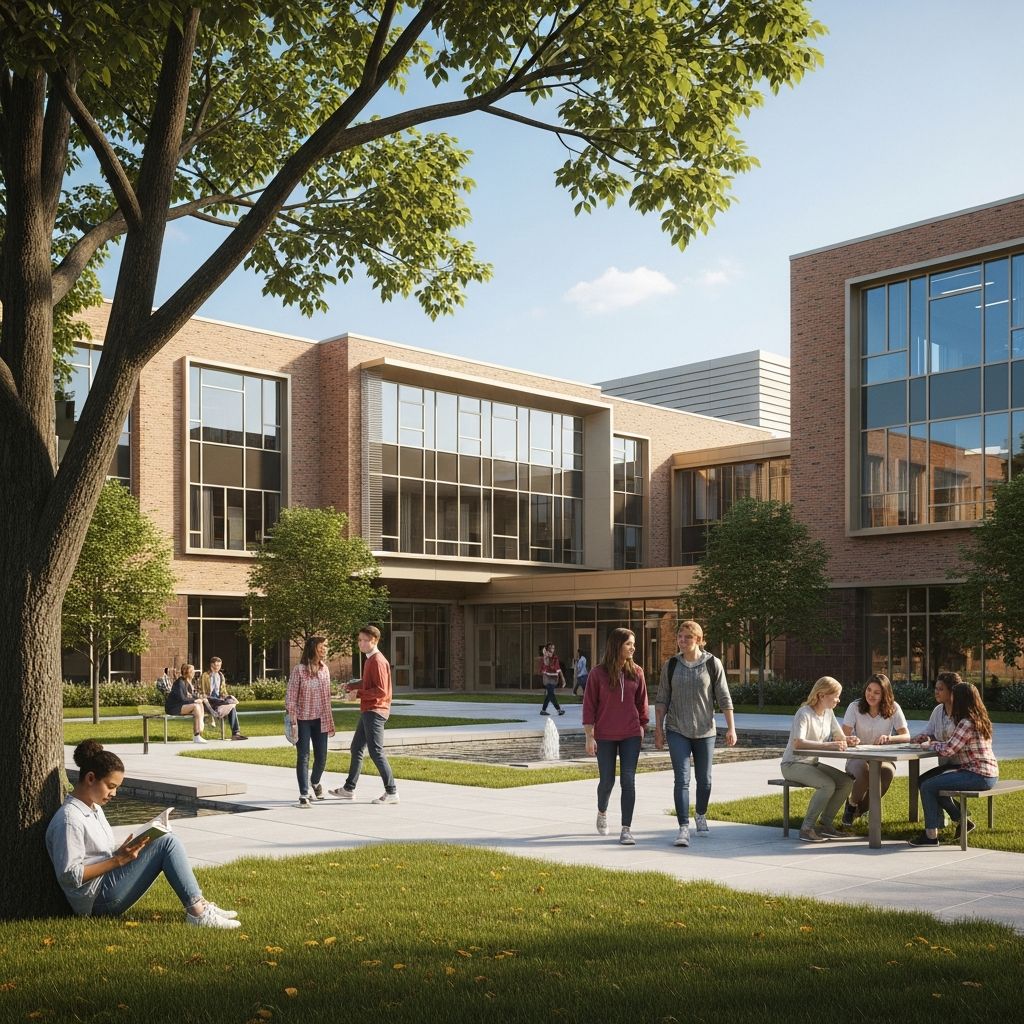
Therapeutic schools represent a vital resource for students whose emotional, behavioral, or mental health challenges disrupt traditional learning. These specialized institutions weave together rigorous academic instruction with comprehensive therapeutic interventions, creating environments where young people can thrive holistically.
Defining the Core of Therapeutic Education
At their essence, therapeutic schools are dedicated facilities that deliver an accredited curriculum alongside targeted mental health treatments. They cater to adolescents grappling with conditions like depression, anxiety, substance use, trauma, or personality disorders, ensuring education continues without interruption. Unlike conventional classrooms, these schools embed counseling, behavioral therapy, and emotional regulation training directly into the daily schedule, fostering both intellectual and psychological development.
This integrated model addresses the whole student, recognizing that mental health barriers often sabotage academic progress. Students receive individualized education plans (IEPs) or clinical goals that track not just grades, but also milestones in coping skills and self-awareness. The result is a supportive ecosystem where learning flourishes amid healing.
Key Distinctions from Traditional and Special Education Settings
Therapeutic schools stand apart from standard public schools and even special education programs by emphasizing clinical interventions over purely academic accommodations. Traditional schools focus primarily on curriculum delivery, with counseling as an optional add-on, whereas therapeutic environments make therapy a cornerstone, often with professionals present in classrooms.
| Feature | Traditional Schools | Special Education | Therapeutic Schools |
|---|---|---|---|
| Class Size | Large (20-30+) | Moderate (10-20) | Small (5-12) |
| Primary Focus | Academics | Learning accommodations | Emotional/Behavioral health + Academics |
| Therapy Integration | Limited/External | Occasional support | Daily, on-site clinical services |
| Progress Tracking | Grades only | Academic goals | Academic + Clinical goals |
As shown, therapeutic schools prioritize “clinical” depth, targeting maladaptive behaviors stemming from trauma or non-learning issues, not just dyslexia-like profiles. This makes them ideal for students exhibiting school refusal, outbursts, or withdrawal linked to deeper emotional turmoil.
Varieties of Therapeutic School Models
Therapeutic schools come in diverse formats to match varying needs, from day programs to full residential options.
- Therapeutic Day Schools: These operate during school hours, with small classes led by special education teachers and aides. Schedules incorporate frequent breaks, therapy sessions, and skill-building for emotional regulation or fine motor development. Students return home evenings, benefiting from intensive daytime support without relocation.
- Therapeutic Boarding Schools: Residential setups provide 24/7 supervision in structured, often rural settings. Year-round programs blend academics, group therapy, family counseling, and activities like equine or outdoor experiential therapy. Enrollment typically spans 1-2 years, emphasizing long-term resilience building.
- Hybrid or Transitional Programs: Some schools offer a “therapeutic with a small t” approach, balancing strong academics and leadership with moderate emotional support, sans full-time clinicians. These suit students transitioning from intensive therapy back to mainstream paths.
Each model customizes support, with staff including educators, therapists, and behavior specialists collaborating seamlessly.
Daily Life and Operational Framework
A typical day in a therapeutic school balances structure with flexibility. Mornings feature core academics in low-ratio classes, allowing paced learning free from competitive pressure. Afternoons shift to therapy modalities—cognitive behavioral therapy (CBT), dialectical behavior therapy (DBT), art/music sessions, or group discussions—tailored to diagnoses.
Residential programs extend this into evenings with life skills training, recreation, and peer interactions under constant supervision, minimizing escalations. Smaller, quieter spaces reduce sensory overload, aiding those with ADHD or anxiety. Progress is monitored via dual metrics: academic credits (often transferable) and therapeutic benchmarks like improved coping or family dynamics.
Addressing Specific Student Challenges
These schools excel for youth whose issues exceed outpatient capabilities. Common profiles include:
- Teens with defiance, depression, or anxiety disrupting focus.
- Those recovering from trauma, substance use, or eating disorders.
- Students facing family conflict or school avoidance, regardless of learning disabilities.
By integrating treatment, students maintain peer academic parity while healing, paving college-ready paths. Staff expertise in de-escalation ensures quick responses to cues, preventing crises.
Proven Advantages and Student Outcomes
The holistic approach yields tangible benefits: enhanced emotional regulation, academic catch-up, and social skills. Smaller settings foster personalized attention, quieter atmospheres, and self-paced growth. Residential models build resilience through routine and accountability, with activities promoting healthy outlets.
Parents report reduced behavioral incidents and improved family bonds via involved therapy. Graduates often transition successfully to mainstream schools or higher education, armed with coping tools.
Navigating Enrollment: Steps and Considerations
Choosing a therapeutic school involves assessment. Signs include persistent school refusal, therapy non-response, or escalating behaviors. Steps:
- Consult professionals for evaluations confirming clinical needs.
- Research accredited programs matching the child’s profile (day vs. residential).
- Verify staff credentials, therapy modalities, and success metrics.
- Explore funding via IEPs, districts, or private pay.
Visit campuses to gauge culture—look for nurturing, consistent environments.
Potential Drawbacks and Critical Perspectives
Not all programs are equal; some residential ones face scrutiny over disciplinary methods or oversight in the “troubled teen industry.” Costs can be high, accessibility varies, and not every student requires full immersion—transitional options may suffice. Families should prioritize accredited, transparent institutions.
Frequently Asked Questions (FAQs)
What conditions do therapeutic schools treat?
They address anxiety, depression, behavioral disorders, trauma, addiction, and more, integrating therapy with academics.
Are credits from therapeutic schools transferable?
Yes, most offer accredited curricula aligning with standard high school requirements.
How small are the classes?
Typically 5-12 students, enabling individualized attention and quick intervention.
Do they work for students without learning disabilities?
Absolutely—focus is on emotional/behavioral needs, with or without academic issues.
What’s the duration of enrollment?
Day programs vary; boarding often 1-2 years for comprehensive change.
Empowering Futures Through Integrated Care
Therapeutic schools redefine education for vulnerable youth, merging healing with learning to unlock potential. By tackling root causes in supportive confines, they equip students for lifelong success. For families seeking beyond-the-basics solutions, these institutions offer hope and structure.
References
- What Makes a Therapeutic School Different from Traditional Special Education? — Academics West. 2023. https://academicswest.com/what-makes-a-therapeutic-school-different-from-traditional-special-education/
- Therapeutic boarding school — Wikipedia. 2024-01-15. https://en.wikipedia.org/wiki/Therapeutic_boarding_school
- When to Consider Therapeutic School — Visions Teen Treatment Centers. 2023. https://visionsteen.com/when-to-consider-therapeutic-school/
- What Is a Therapeutic Boarding School? — Cherokee Creek Boys School. 2024. https://cherokeecreek.net/what-is-a-therapeutic-boarding-school/
- What is a Therapeutic Special Education School? — SPED Legal Fund. 2023. https://spedlegalfund.org/therapeutic-special-education-schools/
- Understanding Therapeutic Schools and Their Benefits — Moses Farrell. 2023. https://www.mosesfarrell.com/blog/understanding-therapeutic-schools-and-their-benefits
- Public vs. Therapeutic Schools: Special Ed Guide — Goldman Center. 2024-02-20. https://goldmancenter.org/resources/articles/special-education-in-a-public-school-vs-therapeutic-school/

- Integrated M.A. in Applied Linguistics, University of Hyderabad
- 5+ years in editorial, instructional, SEO, and research-based writing
Sneha is a relationships and lifestyle writer with a strong foundation in applied linguistics and certified training in relationship coaching. She brings over five years of writing experience to theskillvault, crafting thoughtful, research-driven content that empowers readers to build healthier relationships, boost emotional well-being, and embrace holistic living. Her writing and insights reflect the belief that beauty, happiness, and wellness…