
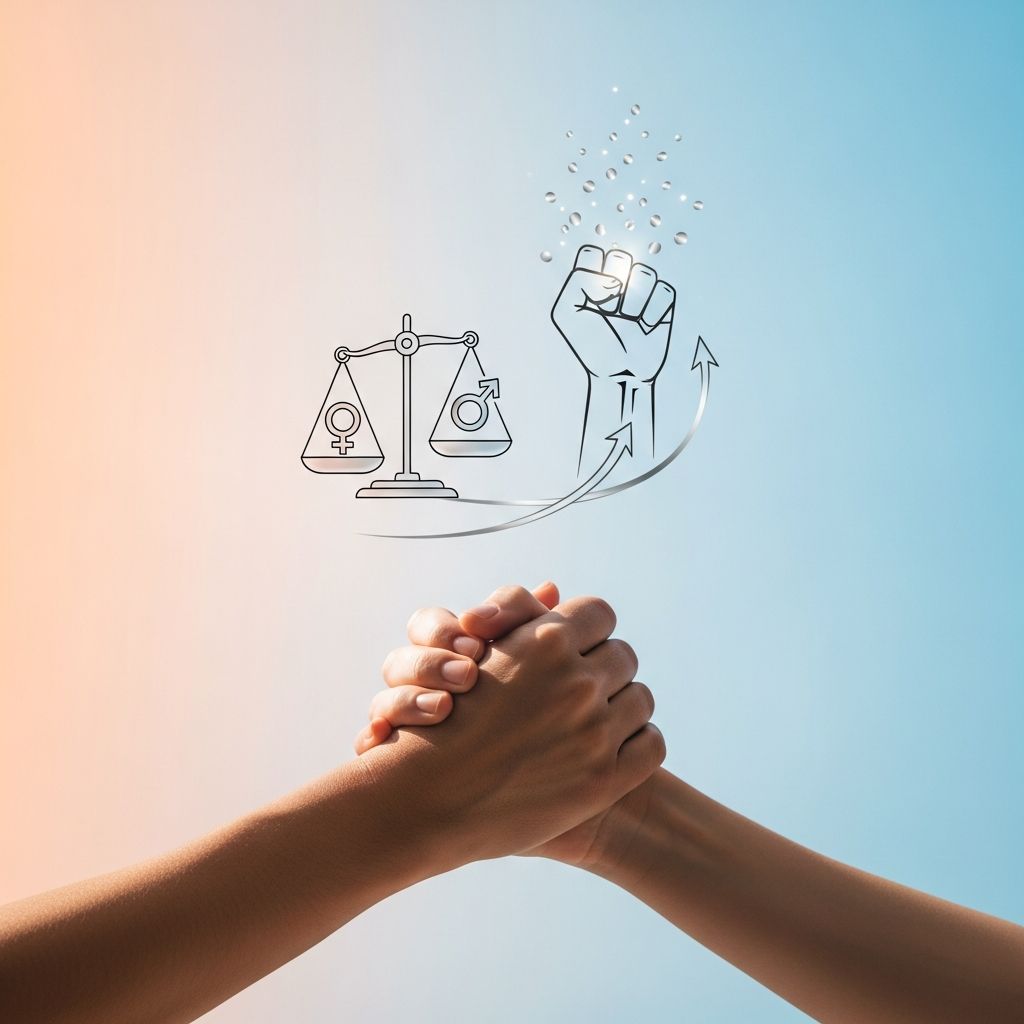
Feminism represents a powerful force advocating for the social, economic, and political equality of all genders, challenging systemic barriers that have historically disadvantaged women and marginalized groups.
Core Principles of the Feminist Movement
At its heart, feminism seeks to dismantle patriarchal structures where male perspectives dominate societal norms, ensuring equal opportunities in education, employment, and personal autonomy. This movement emphasizes that true equality benefits everyone by promoting fairness across genders.
- Equal access to education and professional advancement.
- Reproductive rights, including contraception and safe abortion access.
- Protection from violence, harassment, and discrimination.
- Challenges to rigid gender roles in family and society.
These principles extend beyond binary gender views, incorporating diverse identities to foster inclusive progress.
Historical Foundations and Evolution
Feminism’s origins trace back to the late 18th century in Europe, amid Enlightenment ideas of liberty and rights, evolving into organized campaigns for women’s suffrage and legal reforms. Early advocates pushed for property rights, voting privileges, and marital equality, laying groundwork for broader societal shifts.
Over centuries, the movement has adapted to cultural contexts worldwide, influencing laws on maternity leave, equal pay, and anti-discrimination policies.
The Four Waves of Feminist Progress
Feminism is often categorized into waves, each addressing unique eras’ challenges while building on prior gains.
| Wave | Time Period | Key Focus Areas | Major Achievements |
|---|---|---|---|
| First Wave | 19th-early 20th century | Suffrage, legal rights | Voting rights in many nations, property ownership |
| Second Wave | 1960s-1980s | Workplace equality, reproductive rights | Equal pay laws, Roe v. Wade (USA) |
| Third Wave | 1990s-2000s | Individualism, diversity | Greater media representation, anti-sexism campaigns |
| Fourth Wave | 2010s-present | Digital activism, intersectionality | #MeToo, global anti-harassment movements |
Each wave reflects responses to contemporary injustices, from legal exclusions to cultural stereotypes.
Diverse Branches Within Feminism
Feminism encompasses various ideologies tailored to specific needs and perspectives.
- Liberal Feminism: Focuses on reforming laws and institutions for equal opportunities, emphasizing education and merit.
- Radical Feminism: Targets patriarchy as the root of oppression, advocating systemic overhaul in areas like sexuality and family.
- Socialist Feminism: Links gender inequality to class struggles, pushing for economic redistribution alongside gender justice.
- Postcolonial Feminism: Addresses how colonialism intersects with gender, amplifying voices from the Global South.
These branches collaborate and sometimes debate, enriching the movement’s depth.
Intersectionality: A Modern Lens
Coined by Kimberlé Crenshaw, intersectionality examines how gender overlaps with race, class, sexuality, and disability to compound discrimination. For instance, Black women face unique barriers not solely explained by sexism or racism alone.
This approach, endorsed by organizations like UN Women, insists on inclusive strategies for universal human rights. It ensures feminism addresses compounded inequalities effectively.
Global Dimensions of Feminist Activism
While rooted in Western contexts, feminism manifests globally, adapting to local cultures—from India’s anti-dowry campaigns to Latin American fights for indigenous women’s land rights. International bodies like the UN promote gender equality through Sustainable Development Goal 5.
In Asia-Pacific regions, organizations advocate for diverse women’s empowerment, tackling issues like forced marriage and economic exclusion.
Challenges and Criticisms Facing Feminism
Despite achievements, feminism encounters backlash, including misconceptions that it promotes female superiority rather than equality. Critics argue some strains overlook men’s issues or become overly divisive.
Internal debates persist on issues like sex work and transgender inclusion, highlighting the movement’s evolving nature. Globally, regressions in rights, such as abortion bans, underscore ongoing battles.
Key Achievements and Lasting Impacts
Feminist efforts have transformed societies: women’s voting rights are near-universal in democracies, workplace participation has surged, and violence against women is increasingly criminalized.
- Legal protections against domestic abuse in over 150 countries.
- Gender quotas in politics boosting female representation.
- Cultural shifts allowing women in sports, STEM, and leadership.
These wins demonstrate feminism’s tangible influence on policy and norms.
The Role of Men in Feminism
Feminism invites male allies to challenge toxic masculinity and support equitable partnerships. Men benefit from paternity leave, mental health destigmatization, and shared domestic responsibilities.
Allyship involves listening, unlearning biases, and advocating against gender-based violence.
Future Directions for Feminist Advocacy
Emerging priorities include climate justice (gendered impacts on women), digital rights against online harassment, and AI ethics to prevent biased algorithms. Youth-led activism via social media amplifies global solidarity.
Sustained progress requires intersectional coalitions addressing economic disparities and political underrepresentation.
Frequently Asked Questions (FAQs)
What is the main goal of feminism?
Feminism aims for full social, economic, and political equality between all genders, dismantling barriers to opportunity.
Is feminism only for women?
No, it benefits everyone by challenging restrictive gender norms and promoting justice for all identities.
What is intersectional feminism?
It recognizes how gender intersects with race, class, and other factors to create layered oppressions.
Has feminism achieved its goals?
Significant progress has been made, but gaps in pay, representation, and safety persist globally.
How can I get involved in feminism?
Educate yourself, support policies for equality, amplify marginalized voices, and practice allyship daily.
Conclusion: Feminism’s Enduring Relevance
Feminism remains vital in pursuing a world where gender does not dictate destiny. By embracing its inclusive ethos, societies can unlock collective potential.
References
- Feminism – Wikipedia — Wikipedia contributors. 2026-04-04. https://en.wikipedia.org/wiki/Feminism
- Feminism | Definition, History, Types, Waves, Examples, & Facts — Encyclopædia Britannica. 2026. https://www.britannica.com/topic/feminism
- What Is Feminism and Why Is It Important? — Global Citizen. N/A. https://www.globalcitizen.org/en/content/what-is-feminism-and-why-is-it-important/
- What Is Feminism? — International Women’s Development Agency (IWDA). N/A. https://iwda.org.au/learn/what-is-feminism/
- Feminism: Overview — EBSCO Research Starters. N/A. https://www.ebsco.com/research-starters/women-s-studies-and-feminism/feminism-overview

- Integrated M.A. in Applied Linguistics, University of Hyderabad
- 5+ years in editorial, instructional, SEO, and research-based writing
Sneha is a relationships and lifestyle writer with a strong foundation in applied linguistics and certified training in relationship coaching. She brings over five years of writing experience to theskillvault, crafting thoughtful, research-driven content that empowers readers to build healthier relationships, boost emotional well-being, and embrace holistic living. Her writing and insights reflect the belief that beauty, happiness, and wellness…