
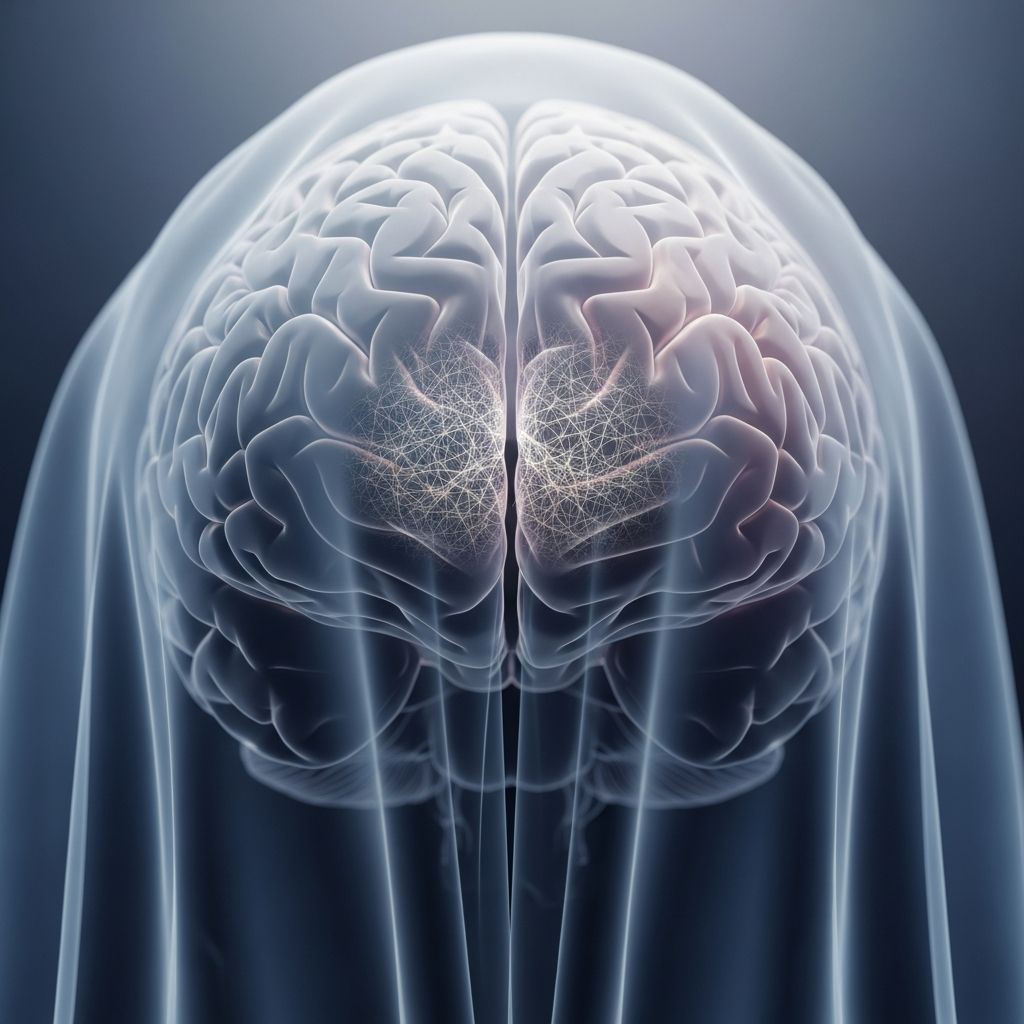
Implicit bias represents automatic mental associations that influence perceptions and behaviors without deliberate awareness. These subconscious patterns, rooted in learned stereotypes, can diverge from conscious values, leading to unintended inequities in various domains.
The Science Behind Hidden Mental Shortcuts
Human cognition relies on rapid, intuitive processing known as System 1 thinking, which operates below conscious awareness. Implicit biases emerge from this system, forming through repeated exposure to cultural narratives, media portrayals, and personal experiences that link traits to social groups like race, gender, or age.
Unlike explicit biases, where individuals consciously endorse prejudices, implicit ones evade introspection. Neuroscientific evidence shows they activate involuntarily, shaping snap judgments faster than deliberate reasoning.
- Formed early in life via direct and indirect messaging.
- Persistent due to brain’s plasticity and reinforcement loops.
- Universal; no group is immune, affecting even those with egalitarian ideals.
How Implicit Associations Take Root
From childhood, individuals absorb societal cues associating certain groups with specific qualities—e.g., linking youth with innovation or age with caution. These pairings solidify subconsciously, influencing interactions without overt intent.
Research from the American Psychological Association highlights how experiences wire the brain: positive or negative encounters with group representatives create mental shortcuts. Over time, these become default responses, overriding explicit intentions in high-pressure scenarios.
Real-World Ripples: Education and Beyond
Impacts in Classrooms and Learning Environments
In education, teachers may unconsciously favor students matching their ‘in-group,’ affecting grading, discipline, and opportunities. Confirmation bias amplifies this, where educators seek data reinforcing preconceptions, even against evidence.
Studies reveal students from marginalized backgrounds receive less praise and more criticism, perpetuating achievement gaps despite teachers’ commitment to equity.
Healthcare Disparities Driven by Subtle Assumptions
Medical professionals’ implicit biases influence diagnostics and treatment. For instance, pain assessments differ by patient race or gender, with minorities often undertreated due to stereotypes questioning their reports’ validity.
A notable case involves misdiagnosing conditions based on demographics; clinicians initially overlooked cystic fibrosis in a Black patient, swayed by its prevalence in White populations. Such errors undermine care quality.
Criminal Justice and Decision-Making Flaws
Judges, police, and jurors exhibit biases associating certain groups with criminality, leading to harsher sentencing and higher shoot rates in simulations for unarmed individuals matching stereotypes.
Even with declining explicit racism, systemic outcomes persist, linking implicit cognition to broader inequities.
Quantifying the Invisible: Tools and Tests
The Implicit Association Test (IAT), developed by researchers, measures response times to paired concepts, revealing hidden preferences. Millions have taken it, showing widespread biases against out-groups.
| Bias Type | Common Association | Prevalence (IAT Data) |
|---|---|---|
| Racial | Black + Criminal | ~70% of White participants |
| Gender | Women + Arts | ~80% across demographics |
| Age | Elderly + Slow | High in younger testers |
This table summarizes frequent findings; individual results vary but underscore pervasiveness.
Strategies to Rewire the Subconscious Mind
Brains are malleable; targeted interventions can weaken biased associations. Key approaches include:
- Perspective-Taking: Imagining others’ experiences fosters empathy, reducing automatic stereotypes.
- Individuation: Focusing on unique traits over group labels disrupts generalizations.
- Exposure and Repetition: Diverse interactions build counter-stereotypical links over time.
- Mindfulness: Pausing for reflection engages System 2 thinking, overriding impulses.[10]
In professional settings, training with real scenarios and feedback loops yields lasting change, aligning implicit responses with values.
Broader Societal Implications and Policy Shifts
Implicit bias sustains disparities amid reduced overt prejudice, challenging traditional anti-discrimination efforts. Policymakers advocate blind evaluations in hiring and auditing algorithms for embedded biases.
Organizational cultures promoting awareness see improved equity; for example, diverse teams mitigate groupthink.
Frequently Asked Questions (FAQs)
What exactly is implicit bias?
Implicit bias involves unconscious attitudes or stereotypes affecting understanding, actions, and decisions without awareness.
Can good people have implicit biases?
Yes, even egalitarian individuals harbor them due to societal conditioning; they don’t reflect character but require management.
How does implicit bias differ from explicit bias?
Explicit is conscious and intentional; implicit operates subconsciously, evading control.
Is implicit bias changeable?
Absolutely—through repeated practice, exposure, and interventions, associations can be reshaped.[10]
Why focus on implicit bias in workplaces?
It drives inequitable outcomes in evaluations, promotions, and interactions, harming diversity and performance.
Building a Bias-Aware Future
Recognizing implicit bias empowers proactive steps toward fairness. By integrating awareness into daily habits and systems, societies can bridge the gap between intentions and impacts, fostering inclusive environments.
Collective efforts—education, policy, and personal commitment—diminish its hold, promoting decisions grounded in merit over myth.
References
- Implicit bias — American Psychological Association. 2023. https://www.apa.org/topics/implicit-bias
- Implicit Bias: Library Resources — Eastern Washington University Research Guides. 2024. https://research.ewu.edu/implicit-bias
- Understanding Implicit Bias — American Federation of Teachers. 2015-12-01. https://www.aft.org/ae/winter2015-2016/staats
- Understanding Implicit Bias: Insights & Innovations — American Academy of Arts & Sciences. 2021. https://www.amacad.org/daedalus/understanding-implicit-bias-insights-innovations
- Implicit Bias Explained — Perception Institute. 2023. https://perception.org/research/implicit-bias/
- Understanding Implicit Bias — National Education Association. 2021-02. https://www.nea.org/sites/default/files/2021-02/2.6%20Implicit%20Bias.pdf
- Implicit Bias — StatPearls, NCBI Bookshelf, NIH. 2023. https://www.ncbi.nlm.nih.gov/books/NBK589697/

Medha Deb is an editor with a master's degree in Applied Linguistics from the University of Hyderabad. She believes that her qualification has helped her develop a deep understanding of language and its application in various contexts. Medha specializes in the areas of beauty, health, sports, and wellness and is committed to ensuring that the content on the website is…