
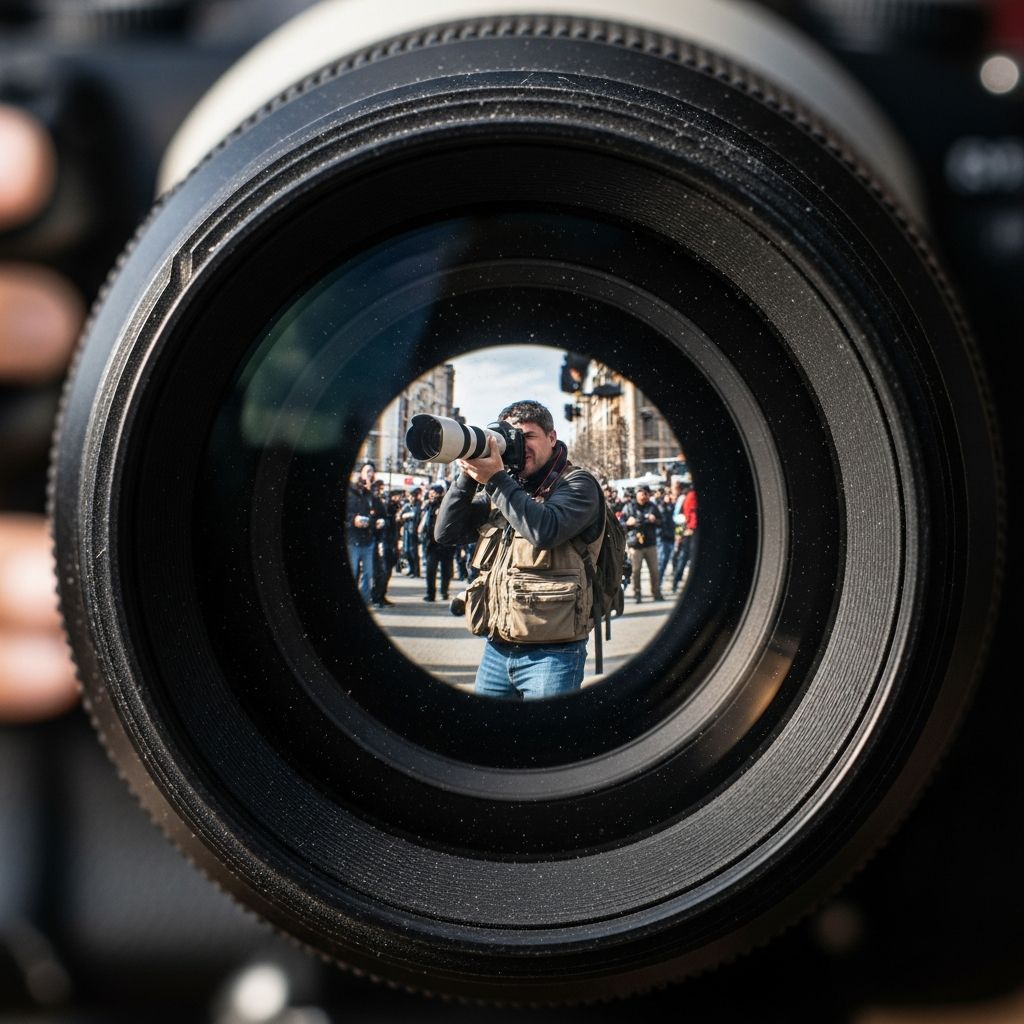
Photojournalism sits at the crossroads of journalism and visual storytelling. It is the craft of documenting real events with images that inform, verify, and often become the lasting record of history. This article explores the realities of life as a photojournalist, the skills required, and the steps you can take to build your own path in the field.
What Photojournalists Really Do
At its core, photojournalism is about creating images that communicate newsworthy information with accuracy and context. Professional definitions emphasize that news photographs must be truthful and not manipulated in ways that mislead the public.
- Document events for newspapers, wire services, and digital outlets.
- Travel locally or internationally to cover breaking news, politics, conflict, culture, and everyday life.
- Work on tight deadlines, transmitting images minutes after a story breaks.
- Collaborate with editors and reporters to ensure coverage is accurate and complete.
- Maintain ethical standards around staging, image editing, and subjects’ dignity.
| Aspect | Typical Reality for Photojournalists |
|---|---|
| Schedule | Irregular hours, evenings, weekends, and on-call for breaking news. |
| Workplaces | Streets, government buildings, protests, disaster zones, and newsrooms. |
| Primary Output | Image files with accurate captions, often transmitted on deadline to editors. |
| Employment Types | Staff positions, contract work, or freelance assignments. |
A Day in the Life: From Assignment to Archive
No two days look the same, but most assignments follow a similar arc:
- Morning preparation: Check the news agenda, charge batteries, prepare gear, and review background information about the story.
- On-location reporting: Arrive early, assess the scene, speak with reporters or sources, and identify where key moments are likely to unfold.
- Shooting under pressure: Work quickly with changing light, moving subjects, and limited control over the environment.
- Rapid editing and captioning: Select, crop, and tone images while preserving factual content, then write clear, accurate captions.
- File delivery and follow-up: Transmit images to editors, respond to questions, and, when time permits, back up and organize files for long-term use.
On quieter days, photojournalists may work on long-term projects, maintain their archives, pitch story ideas, or learn new technical skills.
Core Skills Every Photojournalist Needs
High-impact images come from a blend of technical expertise, curiosity, and resilience. Education and labor statistics emphasize a combination of photography skills, reporting ability, and adaptability.
Visual and Technical Skills
- Camera control: Confident use of exposure, focus, and lenses under changing conditions.
- Composition for clarity: Framing that quickly communicates who, what, where, and why.
- Low-light and fast-action skills: Working in dim rooms, nighttime streets, or rapidly moving scenes like protests and sports.
- Editing and basic post-production: Using software to crop and tone without altering the factual content of the scene.
Journalistic and Ethical Skills
- News judgment: Recognizing moments that are truly significant to the story.
- Accuracy: Confirming names, dates, locations, and context before filing.
- Non-manipulation: Avoiding staging, reenactments, or digital alterations that mislead the audience.
- Respect for subjects: Balancing the public interest with sensitivity, especially in crises or conflict zones.
Personal Qualities
- Resilience: The ability to cope with stress, irregular hours, and exposure to difficult events.
- Curiosity: A genuine interest in people, politics, and social issues.
- Adaptability: Shifting quickly between assignments and adjusting to new cultures or environments.
- Communication: Building trust with editors, reporters, and sources.
Training and Education Paths
There is no single mandatory degree for photojournalists. Many professionals combine formal education with intensive self-directed practice.
Formal Education Options
- Journalism or communications degrees: Emphasize reporting, media law, and ethics, sometimes with photojournalism tracks.
- Photography programs: Focus on technical and artistic skills; some offer specializations in photo reportage or documentary work.
- Workshops and short courses: Provide concentrated training in field reporting, editing, and multimedia storytelling.
Universities and specialized schools often give access to mentors, internships, and equipment, but many working photographers begin with a high school diploma and build careers through portfolios and on-the-job experience.
Learning Outside the Classroom
- Self-directed projects: Document local issues, community events, or long-term stories to practice consistency and narrative.
- Online tutorials: Learn editing, metadata, and workflow tools for faster delivery and better organization.
- Peer critique groups: Trade feedback with other photographers to refine your visual voice.
Building a Portfolio That Opens Doors
In photojournalism, a strong portfolio often matters more than academic credentials when applying for jobs or pitching editors.
What to Include
- Photo essays that show your ability to tell a story in multiple frames.
- Breaking news images that demonstrate speed and clarity under pressure.
- Daily life and features that reveal empathy and observation.
- Captions and context to prove you can report as well as shoot.
How to Present It
- Use a clean, fast website with clear navigation.
- Organize work into coherent projects, not just single images.
- Label each story with location, date, and brief background.
- Keep the portfolio up to date with your strongest recent work.
Careers, Pay, and Job Outlook
Photojournalism careers span local newspapers, international wire services, magazines, nonprofits, and independent freelancing. Official labor statistics group most photojournalists under photographers, noting that many are self-employed and must continually market their services.
- Staff photographer: Salaried role at a news outlet, often with benefits but fewer positions available than in the past.
- Freelance photojournalist: Independent contract work for multiple clients, requiring strong business and networking skills.
- Multimedia journalist: Combines still photography with video, audio, and text for digital platforms.
Because the industry has shifted from print to digital, job growth is modest, and competition can be intense. At the same time, there is ongoing demand for high-quality visual reporting, especially from journalists who can work across formats and platforms.
Ethical and Emotional Challenges
Photojournalists regularly encounter ethical dilemmas and emotionally demanding situations. Professional training emphasizes the need to protect accuracy, minimize harm, and avoid conflicts of interest.
- Depicting suffering: Balancing the public’s right to know with respect for victims’ privacy and dignity.
- Safety and consent: Making judgment calls about where to stand, when to approach, and when to step back.
- Digital manipulation: Restricting edits to basic tonal and color corrections that do not change the meaning of the image.
- Burnout and trauma: Recognizing the impact of repeated exposure to violence, disaster, or conflict, and seeking peer or professional support when needed.
Practical Steps to Start Your Photojournalism Journey
If you are serious about this career, you can begin building skills and experience right away, regardless of your location or budget.
- 1. Learn the fundamentals of photography and basic reporting. Practice controlling exposure, focus, and composition while also taking notes, collecting names, and confirming information.
- 2. Photograph real events in your community—council meetings, local sports, rallies, or cultural festivals. Approach them as if you were on assignment.
- 3. Build a small, focused portfolio of two to four stories that show range: one hard news, one feature, one longer-term project.
- 4. Seek feedback from working photojournalists, editors, or mentors. Many are willing to review work, especially when you are prepared and respectful of their time.
- 5. Pursue internships or entry-level roles with local outlets, where you can learn deadlines, newsroom culture, and editor expectations.
- 6. Learn basic business skills such as invoicing, contracts, and rights management if you plan to freelance.
Frequently Asked Questions (FAQs)
Q: Do I need a university degree to become a photojournalist?
A: A degree is not strictly required, and many photographers are self-taught. However, journalism or photography programs can provide structure, ethical grounding, and access to mentors and internships, which may help when you are starting out.
Q: What kind of camera should I start with?
A: You do not need the most expensive equipment at the beginning. Any reliable camera that allows manual control of exposure and focus is enough to learn core skills. As you progress and start working professionally, faster lenses and durable camera bodies become more important for low-light work and difficult conditions.
Q: How is photojournalism different from other photography jobs?
A: Photojournalism is tied to news and public information. The images must be accurate, not staged, and presented with truthful captions. Commercial or fashion photographers may have more creative freedom to manipulate scenes or retouch heavily, whereas news photographers are required to preserve reality.
Q: Is it possible to make a stable living as a freelance photojournalist?
A: It is possible but often requires combining multiple income streams—assignments for news outlets, long-term projects supported by grants, editorial work for nonprofits, and sometimes teaching or workshops. Freelancers must treat their work as a business and invest time in networking, marketing, and financial planning.
Q: How can I practice if I live far from major news events?
A: Strong storytelling does not depend on famous locations. Focus on the stories around you—local politics, public meetings, small businesses, cultural traditions, or environmental changes. Editors value photographers who can find and tell meaningful stories in everyday places.
References
- Photographers: Occupational Outlook Handbook — U.S. Bureau of Labor Statistics. 2024-02-21. https://www.bls.gov/ooh/media-and-communication/photographers.htm
- How To Become a Photojournalist (With Steps, Tips and FAQs) — Indeed Editorial Team. 2023-08-30. https://www.indeed.com/career-advice/career-development/how-to-become-a-photojournalist
- How to become a Photojournalist — Spéos, Photography School. 2023-06-01. https://speos-photo.com/en/become-a-photojournalist/
- Photojournalism — UC Berkeley Graduate School of Journalism. 2023-09-01. https://journalism.berkeley.edu/programs/mj/photo/
- How To Become A Photojournalist: The Steps To Take — Trafft. 2022-10-15. https://trafft.com/how-to-become-a-photojournalist/
- The Non-Degree Path: How to Really Become a Photojournalist — Camerapixo Press. 2023-05-10. https://camerapixopress.com/the-non-degree-path-how-to-really-become-a-photojournalist/

- Integrated M.A. in Applied Linguistics, University of Hyderabad
- 5+ years in editorial, instructional, SEO, and research-based writing
Sneha is a relationships and lifestyle writer with a strong foundation in applied linguistics and certified training in relationship coaching. She brings over five years of writing experience to theskillvault, crafting thoughtful, research-driven content that empowers readers to build healthier relationships, boost emotional well-being, and embrace holistic living. Her writing and insights reflect the belief that beauty, happiness, and wellness…