
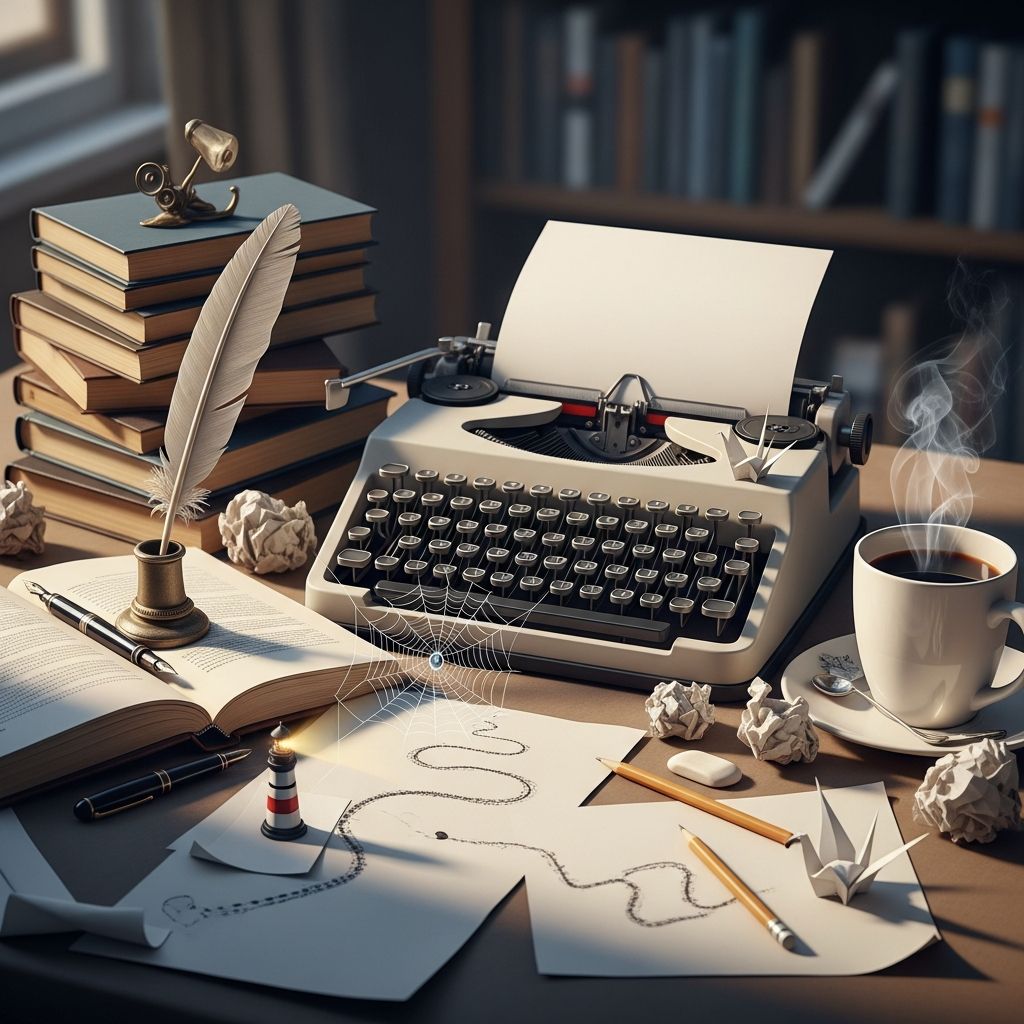
Writing stands as one of humanity’s most profound inventions, transforming fleeting thoughts into enduring records that bridge time and distance. At its core, it involves crafting symbols to represent spoken language, enabling communication that persists beyond the moment of utterance. This guide offers a fresh perspective on writing’s nature, drawing from established definitions and insights into its multifaceted practice.
The Foundations of Written Language
Fundamentally, writing creates a lasting visual or tactile record of language on a medium, distinguishing it from ephemeral speech. It emerged historically as a tool to document spoken tongues, though not all languages developed such systems. A writing system comprises symbols, or a script, governed by rules that encode specific languages, allowing ideas to travel across generations.
Unlike universal spoken communication, written forms are selective, complementing oral traditions by preserving knowledge in libraries or correspondence. This durability empowers societies to store complex information, from legal codes to epic tales, fostering cultural continuity.
Evolution Through History and Culture
Writing’s origins trace back to ancient civilizations, where pictographs evolved into alphabetic scripts. Early systems like cuneiform in Mesopotamia or hieroglyphs in Egypt marked the shift from memory-dependent oral histories to verifiable records. Over millennia, innovations such as the printing press democratized access, evolving further with digital tools today.
In contemporary contexts, writing transcends paper, encompassing digital texts, emojis, and code. Yet, its essence remains: a cognitive act blending neurology, creativity, and physical execution to produce interpretable symbols. Readers then decode these, reconstructing the writer’s intent.
Unpacking Common Metaphors for Writing
Writers often describe their craft through vivid analogies, revealing its emotional and intellectual demands. These metaphors illuminate the struggles and joys, helping newcomers grasp the intangible.
- Driving at Night in Fog: Much like navigating fog-shrouded roads with headlights revealing only the immediate path, writing unfolds incrementally. Authors progress scene by scene, trusting the journey will cohere despite initial uncertainty.
- Sculpting from Marble: Revision mirrors chiseling away excess stone to reveal the form within. The blank page contrasts with a block of material, but editing refines raw drafts into polished works.
- Birth or Excavation: Ideas gestate like pregnancies, demanding labor to emerge, or are unearthed like archaeological finds, requiring careful extraction without damage.
- Utensil of Self-Revelation: Phrases evoke visceral tools—a butter knife slicing veins or a grater scraping thoughts—emphasizing writing’s raw, exposing nature.
These images underscore writing’s blend of discipline and vulnerability, where creators bleed personal truths onto the page.
Writer Archetypes: Finding Your Style
No universal method exists; writers fall into archetypes based on planning preferences.
| Archetype | Description | Strengths | Challenges |
|---|---|---|---|
| Pantsers | Write freely without outlines, following intuition. | Spontaneity, discovery of surprises. | Potential for meandering plots. |
| Plotters | Outline extensively before drafting. | Structure, efficiency in long forms. | Risk of rigidity, stifled creativity. |
| Plantsers | Hybrid: light planning with room for improvisation. | Balance of direction and flexibility. | Requires discipline to blend approaches. |
Beginners benefit from experimentation, as all styles yield publishable work with refinement.
The Structured Path: Key Stages of Creation
Though individualized, writing follows recurring phases, providing a roadmap amid chaos. Recognizing these demystifies the endeavor, making it approachable.
Prewriting: Laying the Groundwork
This initial phase involves ideation without judgment. Brainstorm topics, consider audience, and sketch outlines. Tools like mind maps or freewriting capture raw concepts, clarifying purpose before commitment.
Drafting: Pouring Out the First Pour
Here, momentum trumps perfection. Produce a complete draft rapidly, embracing ‘loose writing’—uninhibited flow, perhaps late at night when overthinking fades. Let characters and worlds dictate, transcribing visions faithfully.
Revising: Refining the Vision
Multiple passes strengthen structure, deepen characters, and heighten tension. Flesh out scenes, then trim excesses; relocate or discard unfit elements. This iterative layering builds depth iteratively.
- Global revisions: Plot, pacing, themes.
- Scene-level: Dialogue, descriptions.
- Proximity technique: Immerse readers sensorily, evoking pro-level specificity.
Editing and Polishing: Precision Work
Focus shifts to mechanics—grammar, style, clarity. Read aloud for rhythm; seek feedback. Tools aid, but human insight catches nuances.
Publishing: Sharing with the World
Finalize and submit. Trackers monitor progress, celebrating milestones amid revisions.
Practical Techniques for Mastery
To elevate craft, employ targeted strategies:
- Get Close to the Story: Pros embed readers via sensory details—what was heard, smelled, felt—bridging emotional gaps.
- Routine and Tracking: Daily sessions, even brief, build habits; logs reveal patterns.
- Embrace Messiness: Fluidity defines the process—no linear path, just persistent refinement.
- Metaphorical Mindset: Invoke driving or sculpting during blocks for perspective.
Practice prompts, like narrating a mentor’s tale intimately, hone immersion.
Psychological Dimensions of the Craft
Writing engages deep neuropsychology: planning, motor skills, memory. It’s interrogative, conjuring magic from mundane refusals of reality. Rewards include exhilaration when processes align, though frustration looms without structure.
Therapy-like, it processes fears; historically repetitive, echoing predecessors ethically or plagiaristically—avoid the latter.
Frequently Asked Questions
What is the best way to start writing?
Begin with prewriting: Brainstorm freely, outline lightly, and draft without self-criticism to build momentum.
Should I plan every detail before writing?
Not necessarily—pantsers thrive on discovery, plotters on structure; plantsers offer balance for most.
How do metaphors help writers?
They frame abstract struggles concretely, like fog-driving for incremental progress, reducing intimidation.
Is writing always a linear process?
No, it’s fluid and messy, with recursive revisions central to quality.
Can anyone become a professional writer?
Yes, through deliberate practice focusing on reader immersion and iterative refinement.
Overcoming Common Hurdles
Blocks arise from perfectionism or distance from material. Counter by writing ‘drunk’ (metaphorically loose) then editing ‘sober.’ Trackers combat forgetfulness, routines foster flow. Remember: pros rewrite relentlessly, embedding specificity.
Word count goal: Aim for daily increments, revising in layers. This sustains long projects like novels.
References
- Writing — Wikipedia. 2026 (continuously updated). https://en.wikipedia.org/wiki/Writing
- Writers Weigh In: The Writing Process — F(r)iction. 2023-10-01. https://frictionlit.org/writers-weigh-in-the-writing-process/
- Understand Writing as a Process — Writing Cooperative. 2023 (approx.). https://writingcooperative.com/understand-writing-as-a-process-c39879d1e8f
- Writing is Like … — WriteByNight. 2023 (approx.). https://www.writebynight.net/news-events/writing-is-like/
- The Writing Process — University of Kansas Writing Center (.edu). 2026 (continuously updated). https://writing.ku.edu/writing-process
- How to Write Like a Pro — The Write Practice. 2023 (approx.). https://thewritepractice.com/write-pro/

- Integrated M.A. in Applied Linguistics, University of Hyderabad
- 5+ years in editorial, instructional, SEO, and research-based writing
Sneha is a relationships and lifestyle writer with a strong foundation in applied linguistics and certified training in relationship coaching. She brings over five years of writing experience to theskillvault, crafting thoughtful, research-driven content that empowers readers to build healthier relationships, boost emotional well-being, and embrace holistic living. Her writing and insights reflect the belief that beauty, happiness, and wellness…