
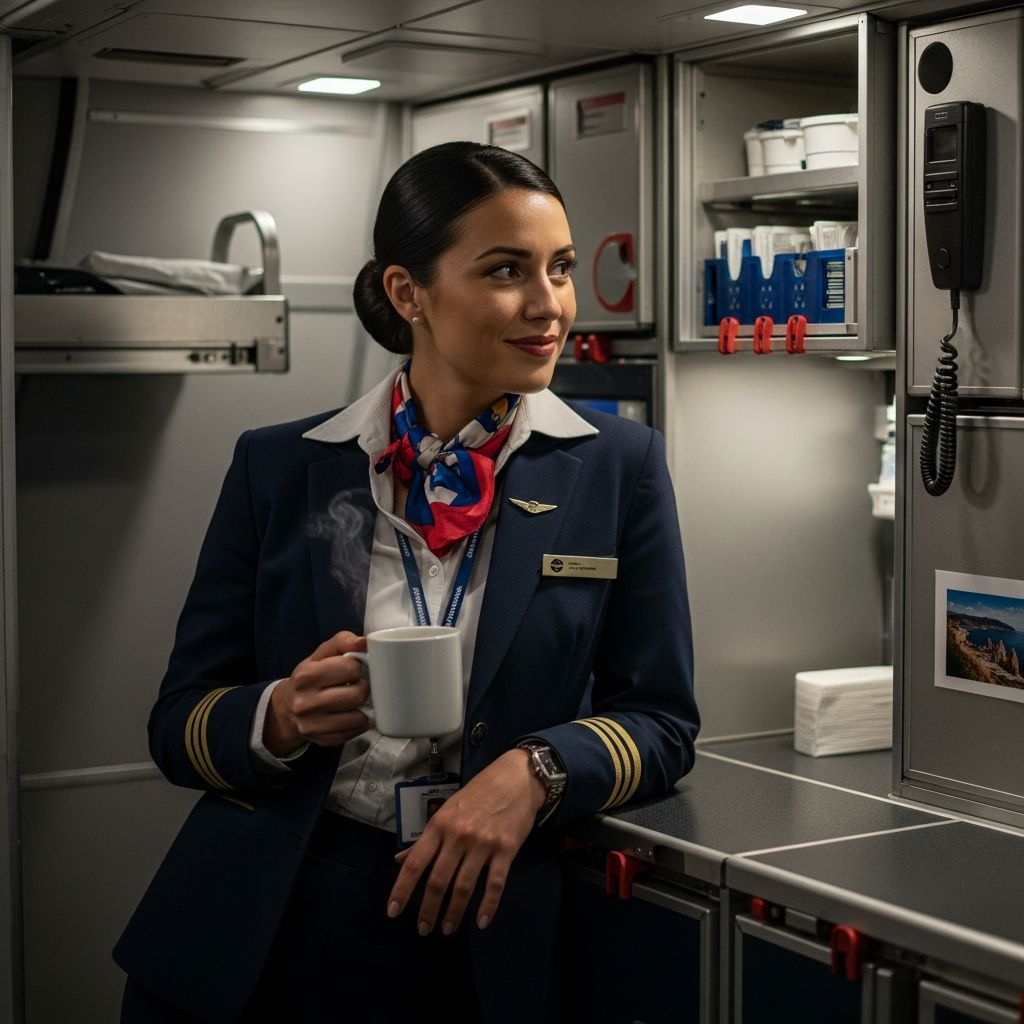
The life of a flight attendant, often romanticized as endless glamour and free travel, hides a complex reality filled with high energy, unpredictability, and deep professional satisfaction. These aviation professionals navigate skies filled with diverse passengers, tight timelines, and safety imperatives, creating experiences that bond them in unique ways. This article explores the lesser-known facets of their world, drawing from real challenges and triumphs to paint a complete picture.
Navigating the Chaos of Rotating Schedules
Flight attendants operate in a realm where traditional calendars hold little power. Schedules shift monthly, blending early dawn starts with red-eye overnights, weekends, and holidays into a whirlwind routine. This unpredictability demands exceptional adaptability, as crew members log 70-90 flight hours monthly, often extending to 110-120 total work hours including pre-flight prep and layovers.
Junior staff particularly feel the brunt, frequently assigned peak holiday shifts when family gatherings peak elsewhere. Yet, this flux fosters resilience; many learn to maximize rare downtime with restorative activities, turning potential exhaustion into recharged vigor.
- Early arrivals: Crews report 1.5-2 hours before takeoff for briefings on weather, passenger counts, and roles.
- Multi-leg days: Short regional hops chain into exhausting sequences without fixed endpoints.
- Monthly bids: Seniority dictates preferences, leaving newcomers to embrace the unpredictable.
Adapting involves strategic sleep hygiene and flexible personal planning, ensuring connections with loved ones remain strong despite distances.
Physical Toll of High-Altitude Service
Bodies endure relentless demands in the confined aircraft cabin. Standing for hours amid narrow aisles, fluctuating cabin pressures, and noise levels tests endurance, especially on long-haul routes spanning 8-12 hours. Jet lag compounds this, disrupting circadian rhythms across time zones and requiring vigilant energy management.
Pre-flight rituals include rigorous checks of safety gear—life vests, first aid kits, emergency equipment—ensuring readiness for any scenario. During service, pushing heavy carts through turbulence adds strain, while maintaining poise demands peak fitness.
| Challenge | Impact | Coping Strategy |
|---|---|---|
| Prolonged standing | Muscle fatigue, circulation issues | Stretching exercises, supportive footwear |
| Cabin pressure/altitude | Headaches, dehydration | Hydration focus, altitude acclimation |
| Jet lag | Sleep disruption, cognitive fog | Light exposure therapy, melatonin use |
| Turbulence navigation | Balance strain, spill risks | Core strengthening, secure cart protocols |
Physical preparedness separates thriving crew from those who burn out, underscoring the job’s athletic undertones.
Mastering Passenger Dynamics from Gate to Gate
From boarding to deplaning, flight attendants scan for behavioral cues—signs of intoxication, anxiety, or aggression—that could escalate mid-flight. These observations allow proactive interventions, smoothing journeys before tensions rise.
Difficult encounters range from cultural misunderstandings to outright disruptions, requiring de-escalation skills honed through training. Remaining composed amid complaints or emergencies preserves cabin harmony, though it extracts an emotional toll.
- Pre-boarding flags: Disheveled appearance or loud arguments prompt quiet monitoring.
- Cultural navigation: Diverse perspectives demand empathy and clear communication.
- High-pressure service: Delays or turbulence amplify demands for reassurance.
Positive interactions, however, forge memorable bonds, turning flights into shared adventures.
Balancing Personal Spheres Amid Layovers
Extended absences challenge relationships, as irregular hours clash with standard 9-to-5 lives. Friendships and family ties require intentional nurturing—video calls during layovers, flexible event planning—to endure.
Hotel layovers offer brief respites for exercise, healthy eating, or exploration, but fatigue often limits pursuits. Successful crew cultivate supportive networks within the industry, where colleagues become surrogate families sharing the nomadic rhythm.
Maintaining routines proves elusive; monthly schedule overhauls disrupt habits. Yet, many prioritize wellness—gym sessions in foreign cities, portable meal preps—to sustain equilibrium.
Perks That Elevate the Grind
Beyond challenges, rewards sparkle brightly. Discounted travel unlocks global explorations, from urban sprawls to remote beaches, often at employee rates. Meeting varied cultures enriches perspectives, fostering lifelong curiosity.
Camaraderie thrives in shared adversity; crew bonds form over post-flight debriefs, creating a tight-knit community. Variety ensures no monotony—each trip brings new destinations, passengers, and stories.
- Travel discounts: Heavily reduced fares for personal jaunts.
- Global exposure: Immersion in cuisines, landmarks, and customs.
- Team spirit: Lifelong friendships forged in the skies.
Safety Imperatives: The Unsung Core Duty
While service dazzles, safety anchors every action. Briefings detail contingencies; equipment audits confirm reliability. In-flight, vigilance spans medical aids to unruly behaviors, with protocols for evacuations or turbulence.
This primacy shapes mindsets—passenger comfort secondary to security—instilling pride in potentially life-saving roles.
Health Strategies for Sky-High Demands
Combating fatigue involves layered tactics: hydration battles dry cabin air, nutrition counters irregular meals, and movement prevents stiffness. Mental health benefits from mindfulness apps during layovers, buffering stress.
Regular check-ups monitor long-term effects like deep vein thrombosis risks from immobility. Holistic approaches ensure sustained performance.
Frequently Asked Questions (FAQs)
What are the biggest hurdles for new flight attendants?
Irregular schedules, time away from home, and handling diverse passengers top the list, especially without seniority for preferred shifts.
How do flight attendants manage jet lag?
Strategies include controlled light exposure, hydration, short naps, and gradual time zone adjustments during layovers.
Is work-life balance possible in this career?
It requires flexibility and planning; while challenging, supportive networks and off-duty maximization help maintain harmony.
What physical fitness is needed?
Strong cardiovascular health, core strength, and endurance for standing, lifting, and quick movements in confined spaces.
Do flight attendants get much free time for travel?
Layovers provide exploration windows, amplified by employee flight perks for personal trips.
Career Longevity and Growth Paths
Many endure decades by leveraging seniority for better routes and rest. Advancement to supervisory roles or training positions offers stability. The profession suits adventurers craving purpose beyond desks.
In essence, cabin crew life blends exhaustion with exhilaration, demanding fortitude while rewarding with unparalleled vistas—literal and figurative.
References
- What will the challenges I have to face? — CareerVillage. 2023-10-01. https://www.careervillage.org/questions/1049263/what-will-the-challenges-i-have-to-face
- A flight attendant’s everyday life: Behind the scenes — Holafly. 2024-05-15. https://esim.holafly.com/flight-crew/flight-attendant-everyday-life/
- Flight attendants notice these things before you even sit down — Sophia Bistro. 2024-08-20. https://www.sophiabistro.com/18-164321-flight-attendants-notice-these-things-before-you-even-sit-down-the-behaviors-that-make-the-cabin-experience-smoother-or-worse-bs/
- Do Flight Attendants Have a Good Work-Life Balance in 2025? — Teal HQ. 2025-01-10. https://www.tealhq.com/work-life-balance/flight-attendant

Medha Deb is an editor with a master's degree in Applied Linguistics from the University of Hyderabad. She believes that her qualification has helped her develop a deep understanding of language and its application in various contexts. Medha specializes in the areas of beauty, health, sports, and wellness and is committed to ensuring that the content on the website is…