
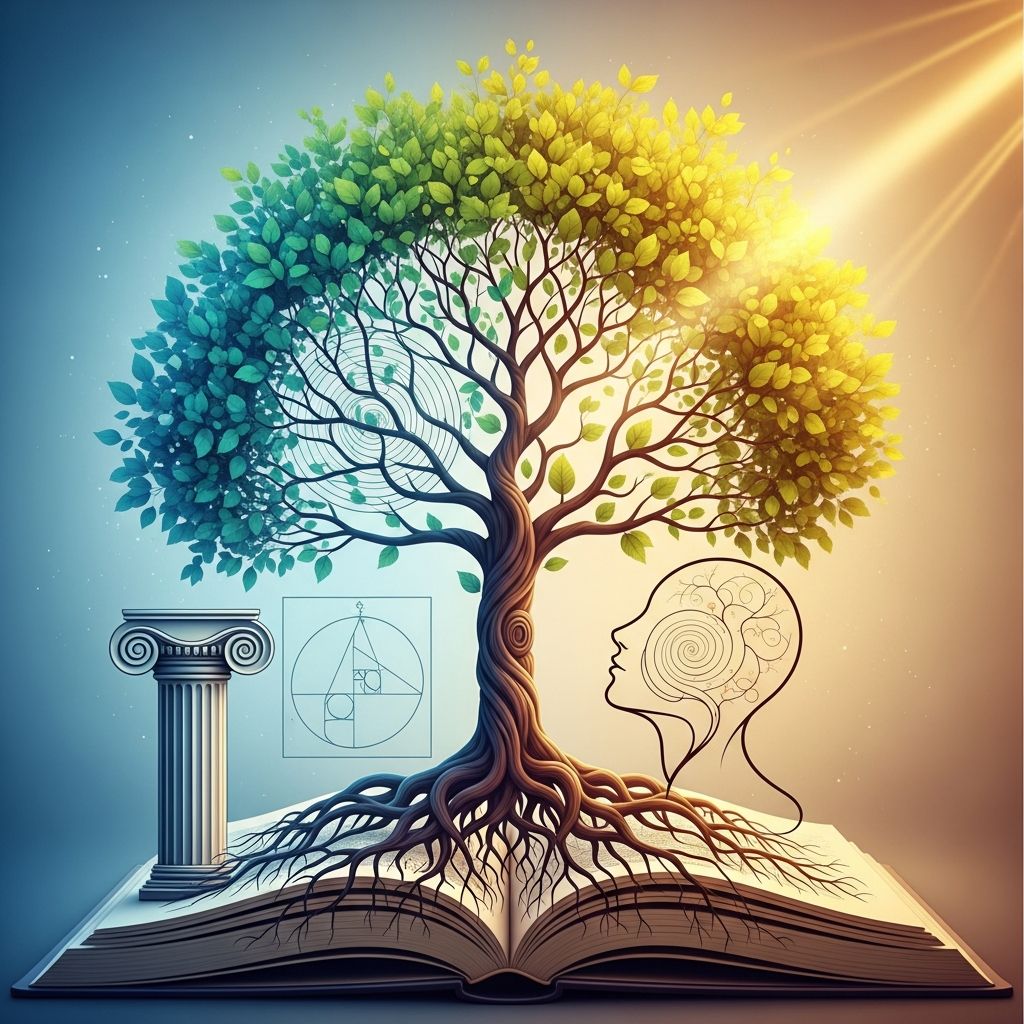
Throughout human history, the question of what constitutes a meaningful existence has captivated thinkers, philosophers, and researchers. While the answer varies significantly across cultures, time periods, and individual circumstances, contemporary research alongside classical wisdom reveals common threads that weave together what most people recognize as a fulfilling life. This exploration examines how different traditions and scientific disciplines approach the enduring question of human purpose and contentment.
The Foundations of Meaningful Existence
Before delving into specific frameworks, it is essential to understand what comprises a genuinely satisfying life. Research from positive psychology identifies several universal components that most individuals agree contribute to overall life satisfaction. These foundational elements form the backbone of human flourishing across diverse populations and contexts.
The building blocks of a rewarding life typically include:
- Access to adequate material resources and physical security
- Robust physical and mental health
- Participation in activities that feel purposeful and engaging
- Deep connections with others through family, friendship, and romantic partnership
- A sense of belonging within a larger community or social structure
- Personal growth and development opportunities
- The ability to contribute meaningfully to others’ wellbeing
When individuals cultivate these elements in their lives, they tend to experience what psychologists call flourishing—a state where life feels genuinely worth living and suffused with purpose.
Ancient Philosophical Perspectives on Living Well
The quest to define the good life begins in ancient philosophy, where thinkers grappled with questions about virtue, happiness, and human excellence. These early explorations established frameworks that continue to influence contemporary discussions about meaningful existence.
Socrates emphasized that mere existence without reflection constitutes an incomplete life. Central to his philosophy was the conviction that deliberate self-examination and understanding one’s values are prerequisites for authentic living. Rather than accepting societal scripts or pursuing pleasure without consideration, Socrates argued that individuals must regularly interrogate their assumptions, motivations, and life direction. This introspective commitment remains relevant today, as many psychologists recognize that awareness of personal values strongly correlates with life satisfaction.
For Socrates, meaningful living also required mastery over base impulses and passions. By exercising self-control and rational judgment, individuals could achieve inner equilibrium and contribute to stable, functioning communities. This perspective recognizes that personal flourishing is inextricably linked to social harmony—one cannot truly thrive while causing suffering to others or abandoning responsibility to the collective good.
Aristotle approached the question differently, proposing that the good life emerges through the development and expression of human excellence. Rather than defining happiness as the absence of pain or the pursuit of pleasure, Aristotle suggested that genuine satisfaction arises from cultivating virtues and fulfilling one’s unique potential. His philosophy recognizes that different individuals possess different capabilities and aptitudes, yet all can pursue excellence within their particular domains.
Contemporary Psychological Frameworks for Flourishing
Modern psychology has translated philosophical insights into empirical research, creating practical models for understanding and achieving meaningful lives. These frameworks build upon classical wisdom while incorporating findings from neuroscience, social psychology, and longitudinal studies of human development.
Dr. Martin Seligman, a pioneering figure in positive psychology, developed a comprehensive model for understanding the good life through three interconnected dimensions. His framework recognizes that genuine flourishing requires more than momentary pleasure or the absence of distress.
Seligman’s three-strand approach includes:
- Positive emotional experiences: While not the sole determinant of wellbeing, the capacity to experience joy, contentment, and satisfaction contributes meaningfully to life quality
- Eudaimonia and flow: Derived from Aristotelian philosophy, this strand emphasizes engagement in challenging activities that utilize one’s strengths and capabilities, creating states of deep absorption and accomplishment
- Meaning and purpose: Contributing to something larger than oneself and understanding one’s life as part of a broader narrative or mission
Through collaboration with Christopher Peterson, Seligman developed the VIA Character Strengths framework, which identifies signature strengths individuals possess. By consciously applying these strengths to daily activities, relationships, and work, people can develop the virtues necessary for sustained flourishing. This approach emphasizes that meaningful living emerges not from denying pleasure or indulging every whim, but from the deliberate cultivation of personal excellence and purposeful engagement.
The Psychology of Richness and Depth in Experience
Beyond happiness and meaning, contemporary researchers have identified another important dimension of fulfilling existence: psychological richness. This concept acknowledges that a gratifying life encompasses more than contentment or positive emotion—it includes variety, intellectual stimulation, novelty, and depth of engagement.
A psychologically rich life is characterized by:
- Exposure to diverse experiences and perspectives
- Engagement with complex ideas and challenging situations
- Freedom from monotony and predictability
- Opportunities for learning and intellectual growth
- Experiences that provoke thought, emotion, and personal evolution
This framework suggests that some individuals may prioritize different aspects of a good life than others. While some people structure their lives around maximizing happiness and contentment, others deliberately pursue experiences that challenge them intellectually or emotionally, even if these experiences aren’t always comfortable. This recognition allows for greater appreciation of diverse life paths and values without imposing a single model of what constitutes success or fulfillment.
Values-Aligned Living as the Foundation
Across philosophical traditions and psychological research, one theme consistently emerges: alignment between personal values and daily actions forms the cornerstone of meaningful existence. When individuals conduct their lives in accordance with what they genuinely believe matters, they experience greater authenticity and satisfaction. Conversely, pursuing goals or activities that contradict core values generates internal conflict and dissatisfaction, regardless of external achievements.
This principle suggests that the path to a good life isn’t universal or prescriptive. Instead, each person must undertake the reflective work of identifying their authentic values—what genuinely matters to them beneath layers of social conditioning, family expectations, and cultural messaging. Once this clarification occurs, individuals can make deliberate choices about how to structure their time, relationships, and work in ways that honor these values.
Relationships, Community, and Human Connection
Perhaps the most consistent finding across both classical philosophy and contemporary research is the vital importance of human connection to wellbeing. Meaningful relationships with partners, family members, friends, and community members appear fundamental to experiencing life as worth living.
Quality relationships contribute to flourishing through multiple mechanisms:
- Providing emotional support during challenges and difficulties
- Creating opportunities for mutual growth and development
- Generating a sense of belonging and social identity
- Enabling the experience of giving, helping, and contributing to others
- Offering perspective and helping individuals contextualize their experiences
- Creating shared meaning and collective purpose
Yet not all relationships equally support flourishing. Research distinguishes between relationships that are healthy, boundaried, and reciprocal versus those that are exploitative, enmeshed, or one-directional. The quality and authenticity of connections matter considerably more than their quantity.
The Role of Generosity and Contribution
An intriguing paradox emerges from both philosophical traditions and psychological research: individuals who focus exclusively on their own pleasure or accumulation often report lower life satisfaction than those who regularly give to others and contribute to causes beyond themselves. This counterintuitive finding suggests that genuine fulfillment involves transcending narrow self-interest.
When people engage in acts of generosity, volunteer their time and skills, or work toward collective good, they often report enhanced meaning and purpose. This pattern appears consistent across cultures and socioeconomic backgrounds, suggesting something fundamental about human psychology. The act of contributing meaningfully to others’ wellbeing seems to activate deeper sources of satisfaction than personal consumption or accumulation alone.
Mental Health and Resilience in Meaningful Living
A comprehensive understanding of the good life must acknowledge that psychological health and resilience form essential prerequisites. Individuals struggling with untreated mental illness, addiction, or trauma face significant obstacles to experiencing life as meaningful. This reality doesn’t negate the possibility of recovery and flourishing but recognizes that certain foundational capacities—emotional regulation, self-awareness, and the ability to cope with adversity—substantially support the pursuit of meaningful existence.
Building mental resilience involves developing skills to navigate life’s inevitable challenges and setbacks. People who cultivate self-compassion, maintain realistic perspective, and possess effective coping strategies tend to experience greater life satisfaction even when facing significant difficulties.
Translating Philosophy and Psychology into Practical Living
Understanding frameworks for meaningful living holds limited value if individuals cannot translate insights into daily practice. Bridging the gap between theory and application requires intentional effort and often involves ongoing reflection and adjustment.
Practical strategies for cultivating a more meaningful life include:
- Regularly examining personal values and assessing alignment with current choices
- Identifying personal strengths and intentionally applying them in work, relationships, and community
- Seeking activities that create flow—activities sufficiently challenging to engage full attention and capability
- Cultivating gratitude and present-moment awareness through mindfulness or reflective practices
- Deliberately investing time and energy in relationships that matter most
- Finding opportunities to contribute meaningfully to others or causes beyond personal benefit
- Pursuing experiences that provide intellectual stimulation, novelty, and growth
- Establishing healthy boundaries that protect wellbeing and authentic connection
Frequently Asked Questions
Q: Is there one correct definition of the good life?
A: No. While certain universal components support flourishing across populations—meaningful relationships, purposeful activities, health, and community connection—the specific configuration and emphasis varies based on individual values, circumstances, and personality. The good life is ultimately personalized, though it can be informed by both philosophical wisdom and psychological research.
Q: Can someone achieve a meaningful life despite financial limitations?
A: Yes. While poverty and material insecurity create genuine obstacles to wellbeing, research demonstrates that beyond meeting basic needs, additional income has diminishing returns on life satisfaction. Many people in modest economic circumstances report meaningful, flourishing lives through strong relationships, purposeful work, community involvement, and personal development.
Q: How do I identify my authentic values?
A: Identifying core values requires reflection on what genuinely matters to you independent of external expectations. Consider moments when you felt most alive and purposeful, what you naturally prioritize when given freedom to choose, and what legacy you hope to leave. Working with a therapist, counselor, or mentor can facilitate this clarification process.
Q: Is pursuing happiness the same as pursuing a meaningful life?
A: Not entirely. While positive emotions contribute to wellbeing, contemporary psychology recognizes that meaningful living encompasses more than happiness. A meaningful life may include challenging experiences, difficult emotions, and sacrifices undertaken for purposes beyond personal pleasure.
Q: How does spirituality or religious faith relate to the good life?
A: For many people, spiritual or religious frameworks provide meaning, community, and values alignment that support flourishing. Others find meaning through secular philosophies, service to humanity, or engagement with nature and beauty. The good life accommodates diverse approaches to finding transcendent meaning and purpose.
References
- What Is The Good Life & How To Attain It — Positive Psychology. 2024. https://positivepsychology.com/good-life/
- What is a Good Life? The Psychologically Rich Life — Happiness and Well-Being Research Lab. 2024. https://www.happinessandwellbeing.org/oishi-besser
- What Is the Good Life? — Eternal Perspective Ministries. 2019. https://www.epm.org/resources/2019/Sep/4/what-good-life/
- What Is A Good Life? — Steemit. 2024. https://steemit.com/life/@bkdbkd/what-is-a-good-life
- What Is a Good Life?: Crash Course Philosophy #46 — Crash Course. 2016. https://www.youtube.com/watch?v=Ra1Dmz-5HjU

- Integrated M.A. in Applied Linguistics, University of Hyderabad
- 5+ years in editorial, instructional, SEO, and research-based writing
Sneha is a relationships and lifestyle writer with a strong foundation in applied linguistics and certified training in relationship coaching. She brings over five years of writing experience to theskillvault, crafting thoughtful, research-driven content that empowers readers to build healthier relationships, boost emotional well-being, and embrace holistic living. Her writing and insights reflect the belief that beauty, happiness, and wellness…