
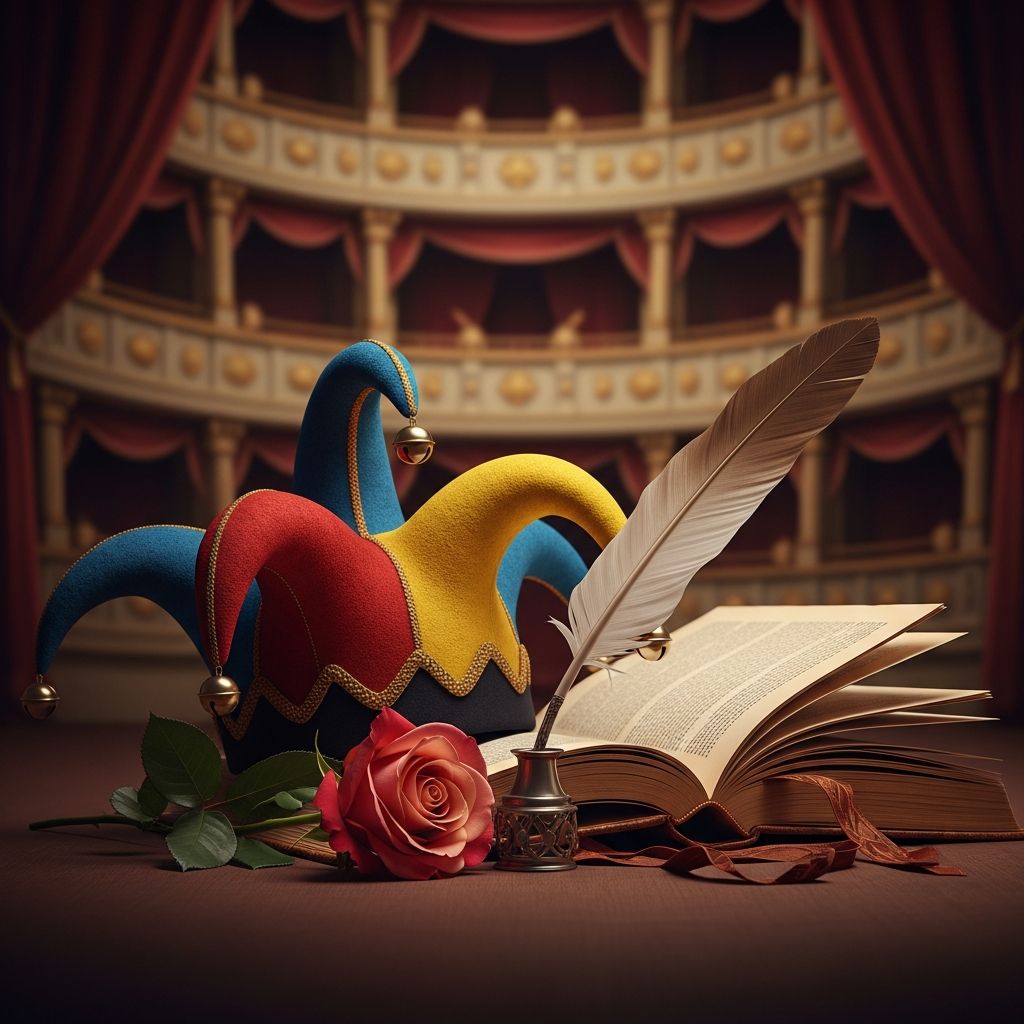
William Shakespeare’s comedies stand out in his vast oeuvre for their delightful mix of laughter, love, and resolution. Unlike the somber tragedies or factual histories, these plays weave intricate plots that resolve in joy, often culminating in weddings and reconciliation. This guide delves into the defining features that help readers and audiences recognize a Shakespearean comedy, drawing from timeless patterns in his work.
Understanding the Essence of Shakespearean Humor
At the heart of every Shakespeare comedy lies a robust sense of humor, crafted through clever wordplay and situational absurdity. Shakespeare’s mastery of language shines in puns, double entendres, and rapid-fire banter that keeps audiences engaged and amused. These comedic devices are not mere embellishments; they drive the narrative forward while highlighting character quirks.
For instance, characters often engage in verbal sparring that reveals their personalities. This linguistic agility distinguishes comedies from other genres, where dialogue might serve gravitas rather than gaiety. Scholars note that Elizabethan audiences relished such wit, which reflected the era’s intellectual playfulness.
- Puns and wordplay: Characters twist meanings for comic effect, like equivoques in romantic pursuits.
- Satire: Gentle mockery of social norms or human follies adds layers to the humor.
- Physical comedy: Slapstick elements, such as chases or mishaps, provide visual laughs.
Mistaken Identities: The Engine of Comic Chaos
No discussion of Shakespearean comedies is complete without addressing mistaken identities, a trope that fuels much of the plot’s momentum. Characters don disguises, encounter look-alikes, or misinterpret situations, leading to a cascade of hilarious misunderstandings. This device allows Shakespeare to explore themes of perception and reality while building tension that resolves comically.
In many plays, twins or near-identical figures create confusion among family, friends, and lovers. The audience, privy to the truth, enjoys the irony as characters stumble through errors. This separation between audience knowledge and character ignorance heightens the fun, turning potential tragedy into farce.
| Play Example | Mistaken Identity Device | Comic Outcome |
|---|---|---|
| The Comedy of Errors | Identical twins (Antipholus and Dromio pairs) | Family reunion amid city-wide mix-ups |
| Twelfth Night | Viola disguises as Cesario | Love triangles unravel into marriages |
| Measure for Measure | Duke in friar guise | Exposes hypocrisy, saves lives comically |
These instances show how Shakespeare employs improbability without sacrificing engagement, making the improbable feel inevitable.
Romantic Entanglements and Lovers’ Trials
Love stories form the emotional core of Shakespearean comedies, where young lovers navigate obstacles to unite. Elders, rivals, or societal pressures create barriers, but ingenuity and fate ensure triumph. This pattern mirrors classical comedy traditions while infusing Renaissance flair.
Couples often face separation, only to reunite in a “green world”—a pastoral or magical setting away from urban constraints. Here, natural forces aid resolution, symbolizing harmony restored. The tension between passion (Dionysian) and reason (Apollonian) adds philosophical depth to the romance.
- Multiple love interests leading to crossed signals.
- Obstacles from parents or authority figures.
- Resolution through clever schemes or interventions.
The Role of the Jester and Comic Relief
Every Shakespeare comedy features a fool, jester, or witty servant who punctuates the action with levity. These figures, like Feste in Twelfth Night or Puck in A Midsummer Night’s Dream, offer truths wrapped in jests. They comment on the plot, expose pretensions, and provide respite from mounting complications.
Unlike principal characters, fools operate outside social hierarchies, granting them license for unfiltered observation. Their presence underscores the play’s light tone, ensuring humor never strays too far.
Journey to Harmony: Plots and Resolutions
Shakespearean comedy plots follow a predictable yet enchanting arc: introduction of disorder, escalation through conflicts, retreat to a transformative space, and return to order. This structure culminates in a happy ending, typically multiple weddings symbolizing societal renewal.
Even “problem plays” like All’s Well That Ends Well adhere loosely, blending humor with darker tones. The First Folio classifies 14 plays as comedies, including romances like The Tempest.
Key plot hallmarks:
- Initial harmony disrupted: By arrivals, deceptions, or rivalries.
- Climactic confusion: Peak of mistaken identities and near-disasters.
- Festive close: Revelry, revelations, and unions.
Distinguishing Comedies from Other Genres
Not all happy-ending plays are comedies in Shakespeare’s canon. Histories might resolve positively but focus on kings and nations, while late romances emphasize forgiveness over farce. Tragedies flirt with comic elements early but descend into doom.
Comedies prioritize situational comedy and character-driven laughs over profound psychological depth. Modern classifications sometimes shift plays like Measure for Measure to “problem” status due to ambiguous tones.
| Genre | Key Focus | Ending Type | Example |
|---|---|---|---|
| Comedy | Humor, romance, resolution | Happy (weddings) | Much Ado About Nothing |
| Tragedy | Fate, flaw, downfall | Death, sorrow | Hamlet |
| History | Monarchs, battles | Variable, often stable | Henry V |
| Romance | Reconciliation, magic | Redemptive | The Winter’s Tale |
Classic Examples: Dissecting Iconic Plays
A Midsummer Night’s Dream
Fairies meddle in mortal loves amid an enchanted forest, blending magic with mechanicals’ bungled play. Multiple couples wed, affirming love’s triumph.
Twelfth Night
Shipwrecked Viola’s disguise sparks identity swaps and unrequited affections, resolving in dual marriages. Feste’s songs frame the folly.
The Merchant of Venice
Blends romance with trial drama; Portia’s ring trick and courtroom ruse deliver justice and love.
Evolution of Shakespeare’s Comedic Style
Early comedies like The Comedy of Errors lean on farce, while middle-period works like As You Like It explore gender and exile. Late plays shift to romance, integrating tragedy-like elements for nuanced humor. This evolution reflects Shakespeare’s growing complexity.
Frequently Asked Questions
What defines a Shakespearean comedy beyond a happy ending?
It includes humor via puns and mistakes, romantic plots, fools for relief, and resolutions with weddings, setting it apart from modern comedy.
Are all Shakespeare’s comedies light-hearted?
Most are, but problem plays like Measure for Measure mix dark themes, challenging easy classification.
How does mistaken identity function in these plays?
It creates chaos resolved through revelations, engaging audiences with dramatic irony.
Which plays are must-reads for comedy newcomers?
Start with A Midsummer Night’s Dream, Twelfth Night, and Much Ado About Nothing for pure fun.
Do Shakespeare’s comedies reflect Elizabethan society?
Yes, through satire on class, gender, and marriage norms.
References
- Characteristics of a Shakespearean Comedy — Milwaz Productions. 2023-05-15. https://www.milwazproductions.com/post/the-shakespeare-cheat-sheet-characteristics-of-a-shakespearean-comedy
- Mistaken Identities — Hartford Stage. 2022-10-01. https://www.hartfordstage.org/stagenotes/comedy-of-errors/mistaken-identities/
- Comedies – Shakespeare Uncovered — WordPress.com. 2021-08-20. https://christirapt.wordpress.com/shakespeares-plays/comedies/
- Shakespearean Comedy — Wikipedia. 2026-04-01. https://en.wikipedia.org/wiki/Shakespearean_comedy
- Tragedies, Comedies and Histories — Royal Shakespeare Company. 2025-11-12. https://www.rsc.org.uk/shakespeares-plays/tragedies-comedies-histories

- Integrated M.A. in Applied Linguistics, University of Hyderabad
- 5+ years in editorial, instructional, SEO, and research-based writing
Sneha is a relationships and lifestyle writer with a strong foundation in applied linguistics and certified training in relationship coaching. She brings over five years of writing experience to theskillvault, crafting thoughtful, research-driven content that empowers readers to build healthier relationships, boost emotional well-being, and embrace holistic living. Her writing and insights reflect the belief that beauty, happiness, and wellness…