
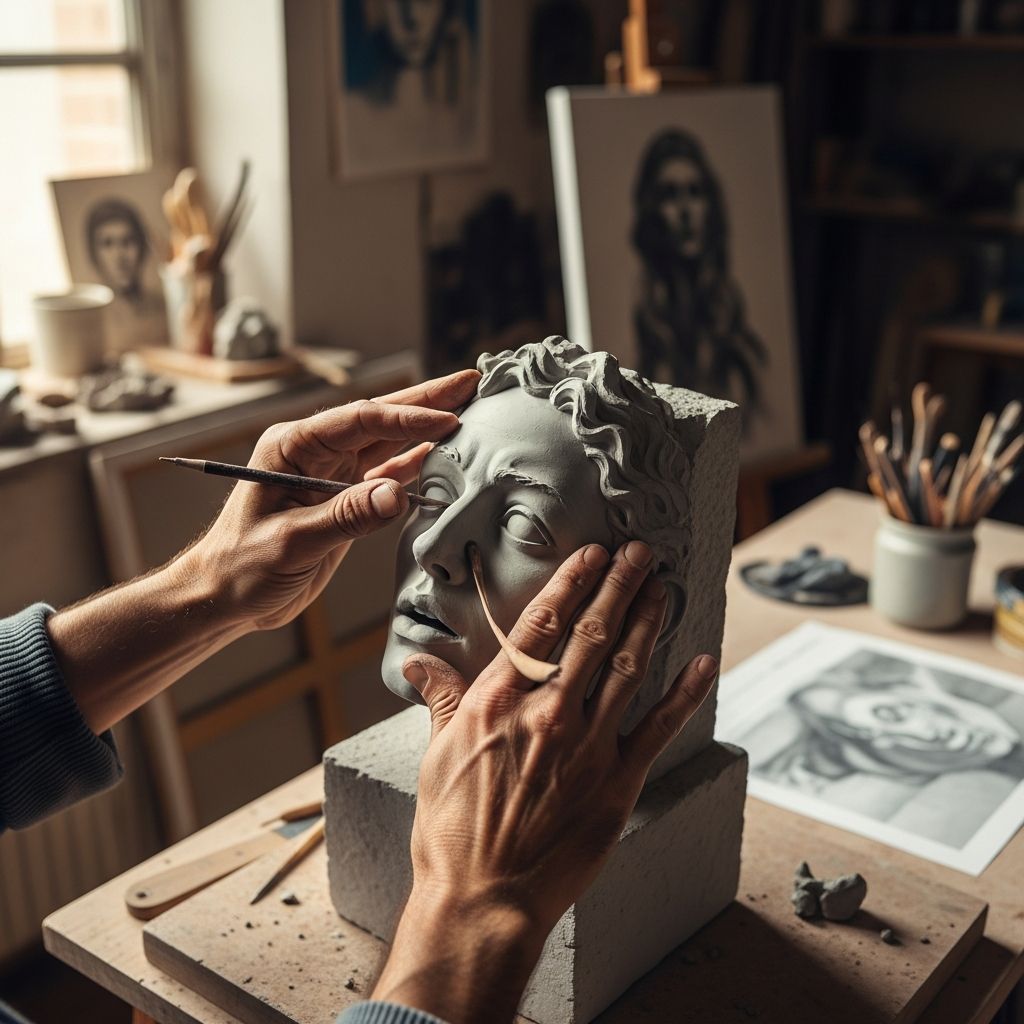
Understanding the Core Definition of an Artist
The question of what constitutes an artist has fascinated creative communities for centuries. Rather than relying on formal credentials or professional recognition, true artistry emerges from a combination of personal qualities, dedication, and a genuine commitment to creative expression. An artist fundamentally is someone who creates meaningful work that communicates emotions, ideas, or perspectives through their chosen medium. This definition transcends traditional boundaries and invites a broader understanding of what artistic practice truly encompasses.
The Role of Passion in Artistic Identity
Passion stands as one of the most distinguishing characteristics of genuine artists. Unlike hobbyists or casual creators, artists possess an intrinsic drive to explore their craft deeply and consistently. This passion manifests as an unwavering commitment to creative pursuits, regardless of external validation or financial reward. Many artists describe a compelling internal motivation that pushes them to continuously develop their skills and express their unique perspectives through their work. This emotional connection to the creative process becomes the foundation upon which artistic careers and identities are built.
The relationship between passion and artistic development cannot be overstated. When individuals are genuinely passionate about their creative endeavors, they naturally invest time in learning techniques, experimenting with new approaches, and refining their artistic voice. This self-directed learning often proves more valuable than formal instruction because it stems from authentic interest rather than external obligation. Artists who possess this burning desire to create often find themselves drawn to their craft during both productive periods and challenging phases, demonstrating resilience through the inevitable creative struggles.
Beyond Formal Education: Multiple Pathways to Artistry
A prevalent misconception suggests that artistic credentials or formal degrees determine who qualifies as an artist. In reality, many exceptional artists have developed their skills through unconventional pathways. While structured art education provides valuable frameworks for understanding composition, color theory, historical context, and technical methods, these educational routes represent only one avenue among many. Self-taught artists, those who learn through community workshops, online resources, apprenticeships, and informal mentorship often achieve remarkable levels of skill and artistic recognition.
The democratization of learning has expanded opportunities for aspiring artists significantly. Contemporary creators can access comprehensive tutorials, engage with global artistic communities, participate in local art groups, and study masterworks through digital platforms. This accessibility means that artistic development no longer depends exclusively on proximity to prestigious institutions or financial resources for enrollment. An individual’s determination to master their craft, combined with available resources and consistent practice, can elevate their artistic capabilities regardless of their educational background.
The Importance of Technical Skill Development
While passion provides the motivation, technical skill forms the practical foundation of artistic practice. Fundamental abilities such as understanding color relationships, spatial awareness, proportional accuracy, light and shadow manipulation, texture creation, and form development represent essential knowledge that all artists must acquire. These competencies, often learned during childhood or early creative exploration, become so ingrained in an artist’s practice that they function almost instinctively by adulthood.
The acquisition of technical skills represents an ongoing journey rather than a destination. Artists continually refine their understanding of composition principles, experiment with new materials or mediums, and challenge themselves to push beyond established techniques. This commitment to skill development distinguishes professional artists from those who create casually. The process of systematically improving one’s craft involves deliberate practice, studying other artists’ approaches, analyzing what succeeds and what requires adjustment, and maintaining humility about areas requiring further development.
Personal Expression as the Heart of Artistic Work
At its core, artistic creation involves translating internal thoughts, emotions, and perspectives into tangible forms that others can experience and interpret. Personal expression transforms technical capability into meaningful communication. An artist’s distinctive voice emerges through consistent choices about subject matter, stylistic approaches, color palettes, compositional decisions, and thematic concerns. This individuality distinguishes professional or serious artists from those simply executing techniques without deeper purpose.
The capacity to convey genuine feeling and authentic perspective through creative work elevates artistry beyond mere technical proficiency. When viewers encounter artwork infused with genuine emotion and personal vision, they recognize the presence of the artist within the piece. This connection between creator and viewer represents one of art’s most powerful functions. Artists who develop recognizable styles while maintaining the ability to evolve demonstrate mastery of their medium coupled with meaningful self-expression.
The Creative Journey Versus the Final Product
A frequently overlooked aspect of artistic identity centers on valuing the creative process as much as the finished work. True artists recognize that artistry encompasses the entire journey from initial conception through completion. This perspective acknowledges that imperfect pieces still hold value, that experimentation and failure constitute essential components of growth, and that the act of creating itself matters regardless of outcome perfection.
Many accomplished artists emphasize that their most significant development occurred through works that contained flaws, technical shortcomings, or concepts that didn’t fully materialize. These learning experiences proved invaluable in developing artistic judgment, understanding what approaches work effectively, and building confidence for subsequent projects. An artist’s willingness to embrace imperfection while maintaining commitment to improvement represents a mature understanding of creative practice. This mindset transforms frustrating setbacks into opportunities for deeper learning and artistic refinement.
Distinguishing Artistic Levels and Recognition
Creating art does not automatically equate to professional artistry or commercial success. Individuals range across a spectrum from casual makers exploring creative interests to career artists whose work generates substantial income and critical recognition. However, this distinction represents one of degree rather than kind. Someone creating art for personal satisfaction possesses equal claim to artistic identity as professionals whose work sells widely or appears in prestigious venues.
The confusion often arises when people conflate being an artist with being a skilled, professional, or commercially successful artist. These categories overlap partially but represent different measurements. An artist might be exceptionally talented yet unknown, or conversely, achieve commercial success through marketing prowess despite moderate technical skill. Recognizing that artistry exists independently from these external validations allows a more inclusive and accurate understanding of what actually defines an artist.
The Element of Individuality in Artistic Practice
Distinctive artistic vision emerges when creators develop approaches that reflect their particular perspectives, experiences, and sensibilities. This individuality cannot be taught through standard instruction but rather develops through extensive practice, self-reflection, and willingness to take creative risks. Artists who produce work that feels fresh, unique, and genuinely expressive have typically spent considerable time exploring what sets their vision apart from others working in similar mediums.
The development of personal artistic voice requires both technical mastery and psychological freedom. Artists must understand their medium thoroughly enough to execute intended concepts while simultaneously maintaining courage to experiment beyond established conventions. This balance between mastery and innovation characterizes work that feels both accomplished and original. Many emerging artists struggle during this phase, caught between the desire to create technically proficient work and the impulse to express something genuinely personal and unconventional.
Overcoming Self-Doubt in Artistic Identity
A significant barrier preventing potential artists from embracing their artistic identity involves internalized doubts about legitimacy and capability. Many people harbor beliefs that artistic talent represents an innate quality possessed by select individuals while remaining unavailable to others. This misconception prevents countless creative individuals from pursuing artistic development. Overcoming this psychological barrier often proves as important as acquiring technical skills.
When individuals begin creating consistently and sharing their work, they frequently discover that their fears about lacking artistic ability were unfounded. The act of creating something original that expresses personal style and perspective automatically qualifies someone as an artist. This recognition can prove transformative, shifting self-perception from “I want to be an artist someday” to “I am an artist now.” This shift in identity often accelerates artistic development by removing psychological obstacles and increasing confidence in creative decision-making.
The Connection Between Feeling and Artistic Excellence
Great artists possess the ability to infuse their work with genuine emotion and personal presence in ways that resonate powerfully with viewers or audiences. When people encounter artwork that makes them feel the artist’s presence, sense their individual perspective, and respond emotionally to the work’s content, they recognize the markers of artistic excellence. This quality of personal connection cannot be manufactured through technical skill alone but emerges when artists pour authentic feeling into their creative practice.
The development of this capacity requires vulnerability and willingness to expose genuine thoughts and emotions through creative work. Artists who create merely to satisfy technical requirements or external expectations often produce competent but emotionally hollow work. Conversely, those who commit to honest self-expression through their medium create pieces that transcend technical proficiency to achieve something more profound and lasting.
Practical Considerations for Aspiring Artists
For individuals considering or beginning an artistic journey, several practical considerations can support development:
- Commit to consistent creative practice rather than sporadic engagement, building skills and artistic voice through regular work
- Seek learning opportunities through multiple channels including formal education, online resources, community groups, and mentorship
- Study both historical and contemporary artists working in your chosen medium to understand diverse approaches
- Embrace imperfect early work as essential stepping stones toward artistic growth
- Develop confidence in claiming artistic identity regardless of skill level or professional recognition
- Maintain connection to the emotional and personal motivations driving creative practice
- Create primarily for the satisfaction of expression rather than external validation or commercial considerations
Frequently Asked Questions
Q: Do I need a degree to be considered an artist?
A: No. While formal art education provides valuable knowledge and frameworks, many accomplished artists are self-taught or learned through informal channels. The ability to create meaningful work matters more than credentials.
Q: When does someone become an artist?
A: Artistic identity begins the moment someone starts creating original work that expresses their perspective. Professional recognition or commercial success represents separate achievements from the fundamental identity of being an artist.
Q: Can someone be an artist without being skilled?
A: Yes. Artists exist at all skill levels. What matters is the commitment to creative expression and continuous improvement, not the current level of technical proficiency.
Q: How do artists develop their unique style?
A: Personal style emerges through extensive practice, experimentation, studying other artists, understanding your own preferences and values, and allowing your authentic perspective to guide creative choices over time.
Q: Is passion enough to become an artist?
A: Passion provides essential motivation but must be combined with commitment to skill development, consistent practice, and willingness to learn from both successes and failures.
References
- What Makes an Artist? — The Everyday Magazine. https://theeverydaymagazine.co.uk/arts/what-makes-an-artist
- What Makes Someone an Artist? — The Handweaving Academy. https://handweavingacademy.com/what-makes-someone-an-artist/
- What Makes a Great Artist? — Make Art That Sells. https://makeartthatsells.com/what-makes-a-great-artist/
- Can I Call Myself an Artist? Exploring the Definition of an Artist — Awbery Art. https://www.awberyart.com/blog/can-i-call-myself-an-artist-exploring-the-definition-of-an-artist
- What Makes an Artist an Artist? — Beyond Artist’s Block. https://www.beyondartistsblock.com/show-notes/what-makes-an-artist-an-artist

- Integrated M.A. in Applied Linguistics, University of Hyderabad
- 5+ years in editorial, instructional, SEO, and research-based writing
Sneha is a relationships and lifestyle writer with a strong foundation in applied linguistics and certified training in relationship coaching. She brings over five years of writing experience to theskillvault, crafting thoughtful, research-driven content that empowers readers to build healthier relationships, boost emotional well-being, and embrace holistic living. Her writing and insights reflect the belief that beauty, happiness, and wellness…