
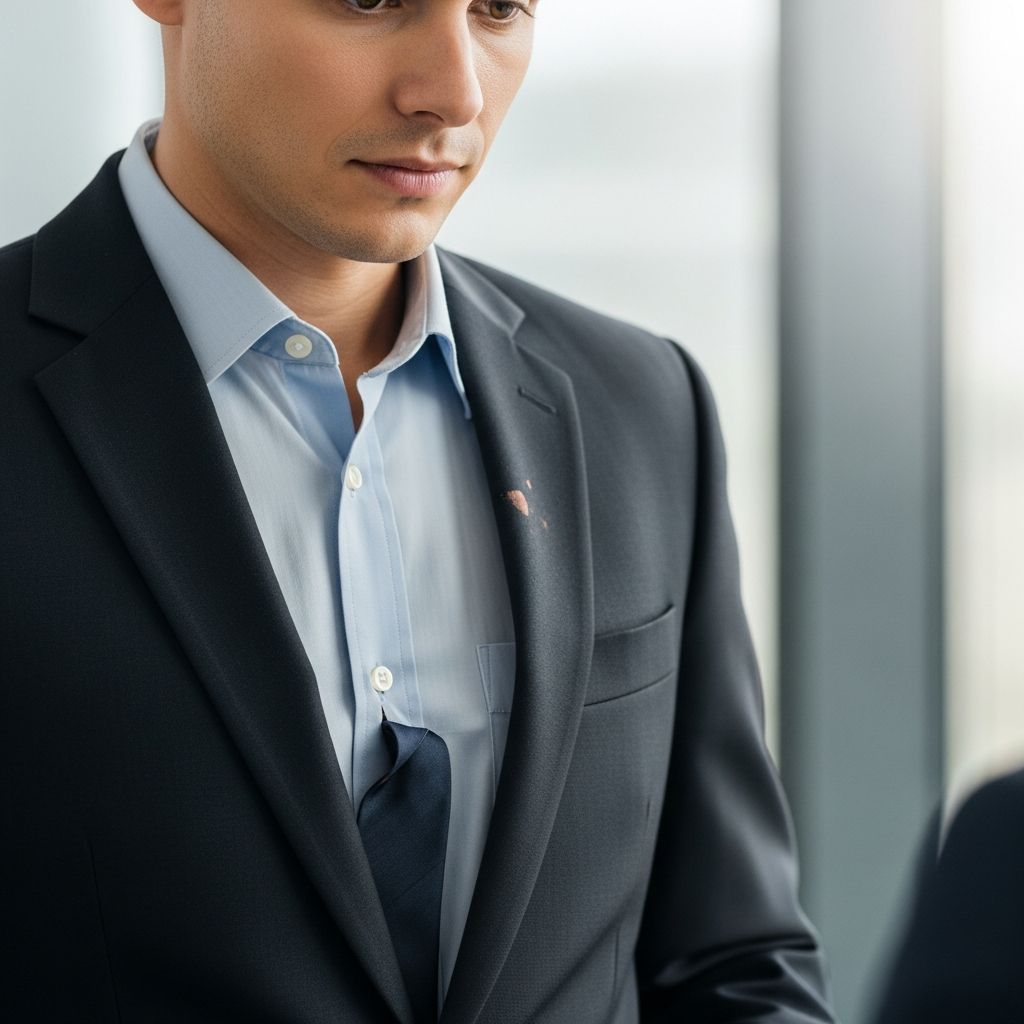
Your appearance during a job interview communicates a powerful message before you speak a single word. Hiring managers form initial impressions within seconds, and clothing plays a central role in shaping those judgments. While many candidates focus intensely on interview questions and responses, they often overlook the strategic importance of dressing appropriately for the occasion. Understanding which wardrobe choices undermine your candidacy can mean the difference between advancing to the next round and being dismissed.
The stakes are particularly high because interview settings demand a level of formality and intentionality that differs significantly from everyday work environments. What passes as acceptable casual Friday attire at your current job will likely work against you in an interview. This guide explores the most prevalent clothing errors job seekers make and provides actionable strategies to present yourself as a serious, professional candidate.
The Problem With Excessive Casualness
One of the most prevalent mistakes candidates make is treating their interview wardrobe like any other day at the office. Many modern workplaces have embraced relaxed dress codes, with employees regularly wearing jeans, casual t-shirts, and sneakers. This cultural shift can create confusion about appropriate interview attire. The critical distinction lies in understanding that interviews represent a formal evaluation moment, not a typical workday.
When you appear in overly casual clothing such as athletic wear, graphic tees, or denim, you inadvertently communicate that you haven’t taken the opportunity seriously enough to adjust your presentation. Hiring managers interpret this choice as either a lack of respect for their time or a fundamental misunderstanding of professional norms. Even in industries known for casual environments like technology, candidates are expected to elevate their appearance for interviews.
The solution involves conducting industry-specific research before selecting your interview outfit. What works in Silicon Valley would be inappropriate on Wall Street, and recognizing these distinctions demonstrates cultural awareness and strategic thinking. Dressing noticeably more formally than the typical workday environment signals that you understand the importance of the interaction.
Fit and Tailoring Issues That Compromise Your Image
Clothing fit represents one of the most overlooked yet visible indicators of professional attention to detail. An ill-fitting garment—whether oversized, too tight, or hemmed incorrectly—immediately suggests carelessness about your appearance. Oversized jackets that swallow your frame, trousers that puddle at your ankles, or shirts that pull across the chest all detract from the polished image you’re trying to project.
Poor fit serves as a visual metaphor for lack of preparation and insufficient care. Interviewers may unconsciously interpret these choices as reflections of how you approach work tasks. Conversely, well-tailored clothing that follows the natural lines of your body communicates precision, intentionality, and professionalism.
Beyond simple sizing, proper fit also ensures your movement appears confident and unrestricted. When clothing fits correctly, you’re less likely to fidget or adjust your garments during the conversation, behaviors that can convey nervousness. Many professional tailoring services offer affordable alterations that transform an off-the-rack garment into a custom-fitted piece.
Color and Pattern Choices That Distract Rather Than Enhance
While expressing personality through fashion can be valuable in many contexts, interview settings require strategic restraint. Neon colors, oversized patterns, and busy prints compete for the interviewer’s attention rather than drawing focus to your credentials and communication skills. A blazer featuring large geometric patterns or a shirt in a fluorescent hue becomes the visual focal point of your presentation, which works directly against your objectives.
This doesn’t mean your interview wardrobe must be bland or colorless. Instead, opt for sophisticated color combinations that enhance rather than overwhelm your professional image. Classic neutral tones like navy, charcoal, black, and gray form excellent foundations. You can introduce personality through subtle color accents—a jewel-toned tie, a richly colored blouse, or a patterned pocket square—that add dimension without creating visual chaos.
Consider the psychological impact of color choices. Neutral tones convey stability and professionalism, while strategic color accents can demonstrate confidence and personal style. The goal is achieving balance between appearing bland and appearing distracted by pattern or color.
Grooming and Personal Hygiene Oversights
Professional appearance extends well beyond clothing into grooming and personal hygiene. Rumpled shirts with visible wrinkles, scuffed shoes, or unkempt hair communicate a lack of attention to detail. These elements are controllable and inexpensive to address, yet many candidates neglect them in their interview preparation.
Taking fifteen minutes before your interview to inspect your appearance in a mirror can identify and correct multiple issues. Check for lint, pet hair, or debris on your clothing. Ensure your shoes are clean and polished. Verify that buttons are secure and hems are intact. If wearing a tie or scarf, confirm the placement and knot appearance.
Additionally, be mindful of fragrance choices. While personal hygiene is important, heavy perfume or cologne can be overwhelming in close interview settings and may distract from your message. Similarly, excessive makeup or unusual grooming choices, while a form of personal expression, can create unnecessary barriers during a formal evaluation process.
Accessory and Jewelry Missteps
Accessories present an opportunity to add professional polish or, conversely, to undermine your overall presentation. Overly flashy watches, statement jewelry, or multiple pieces create visual noise that competes with your qualifications. The purpose of accessories is to complement your professional appearance, not to draw attention to themselves.
A quality watch, conservative jewelry, and tasteful eyewear (if worn) enhance your image when selected thoughtfully. Avoid items with obvious brand logos, slogans, or statements that might distract interviewers or convey unintended messages. The same principle applies to bags and portfolios—choose professional styles in neutral colors rather than trendy or casual options.
For candidates wearing ties, proper tie length and knot selection matter more than most realize. A tie should reach your belt line when tied appropriately, and the knot should fit properly within your shirt collar without excess fabric bunching. These details may seem minor, but they contribute significantly to an overall impression of competence and preparation.
The Problem With Revealing or Inappropriate Necklines
Interview settings demand conservative neckline choices regardless of your personal style preferences. Plunging necklines, exposed shoulders, or tank tops shift focus from your professional qualifications to your body, creating an inappropriate dynamic in a formal business context. Similarly, hemlines should fall at or below the knee to maintain professional boundaries.
These guidelines exist not to shame personal style but to ensure the interview remains focused on your skills, experience, and fit for the role. By dressing in ways that respect professional conventions, you remove potential distractions that might create unconscious bias or discomfort for interviewers.
Overdressing and Mismatched Formality Levels
While underdressing represents a significant mistake, overdressing can be equally problematic. Wearing a formal tuxedo to interview for a marketing position at a casual startup, for instance, signals a lack of cultural understanding. Overdressing can make you appear out of touch with the company’s environment and values.
The solution involves calibrating your formality level to match industry norms while still dressing more formally than a typical workday. Research the company culture through their website, social media presence, and employee photos. When in doubt, aim for business formal or business casual depending on the industry. You can always remove a jacket or adjust your appearance slightly if you find the environment more casual than anticipated.
Prioritizing Comfort Without Sacrificing Professionalism
Uncomfortable clothing undermines interview performance by creating physical and psychological distractions. Shoes that pinch your feet, pants that restrict your movement, or fabrics that irritate your skin all contribute to fidgeting and reduced confidence during crucial conversations.
Professional appearance doesn’t require suffering through uncomfortable clothing. Select garments in breathable fabrics that move naturally with your body. Break in new shoes before interview day rather than wearing them for the first time during a high-stakes meeting. Choose undergarments that support your clothing without creating visible lines or discomfort.
When you feel physically comfortable in your interview outfit, that confidence translates into more natural communication and genuine engagement with your interviewer. This is why conducting a complete trial run of your outfit before the actual interview proves invaluable.
Failing to Research Industry-Specific Expectations
Different industries maintain distinctly different standards for professional dress. Banking and law firms expect traditional business formal attire. Creative industries like advertising or graphic design permit more personality and contemporary styling. Healthcare professions often require specific dress codes, while academic institutions maintain their own conventions.
Arriving unprepared with inadequate research about industry norms signals either disinterest or lack of professionalism. Before selecting your interview wardrobe, thoroughly investigate what professionals in your target industry typically wear. Review the company’s website and social media to observe how current employees present themselves. If possible, contact someone working in a similar role and ask for guidance on appropriate attire.
Common Accessory and Detail Mistakes
Beyond major wardrobe components, specific details accumulate to create either a polished or careless overall impression:
- Visible logos and brand names: Clothing featuring prominent designer labels or corporate slogans draws attention away from your qualifications and toward commercial marketing
- Mismatched formal wear: Pairing a formal blazer with casual pants or mixing dress codes creates visual confusion about your understanding of professional norms
- Visible stains or damage: Even small stains, tears, or loose threads suggest inadequate preparation and attention to detail
- Excessive key chains or ornaments: Bulky key chains attached to your belt or bag create visual clutter and suggest distraction
- Outdated or worn accessories: Frayed shoelaces, cracked leather bags, or aged jewelry communicate neglect
The Importance of a Trial Run
One of the most effective preventative strategies involves conducting a complete dress rehearsal of your interview outfit several days before the actual meeting. This trial run allows you to identify fit issues, comfort problems, or missing elements before they become real problems.
During your practice session, walk around, sit in various positions, and move as you would during an actual interview. Notice whether your clothing allows natural movement or restricts you. Check how your outfit appears from different angles and lighting conditions. Verify that all fasteners work properly and that no unseen seams come loose during movement. This preparation transforms what might have been a wardrobe disaster into a confident, polished presentation.
Creating Your Interview Wardrobe Strategy
Rather than treating each interview as requiring completely new clothing, develop a foundational wardrobe of quality pieces that work together across multiple opportunities. Classic blazers, well-tailored trousers, neutral dresses, and quality shoes form the basis of a versatile interview wardrobe.
Invest in pieces that fit properly and feel comfortable. Quality doesn’t require expensive designer labels—well-made basics from reputable retailers often provide better value and longevity than trendy alternatives. When pieces fit correctly and feel comfortable, you’re more likely to wear them confidently and maintain a polished appearance throughout your interview.
Final Details and Last-Minute Checks
Arriving at your interview with peace of mind about your appearance requires attention to final details. On the morning of your interview, conduct a thorough visual inspection in good lighting. Verify that your clothes are wrinkle-free, shoes are clean, and hair is styled appropriately. If traveling to the interview, pack a small repair kit containing a lint roller, stain remover pen, and safety pins for emergency adjustments.
These small preparations demonstrate respect for the opportunity and confidence in your presentation. When you’ve addressed every foreseeable detail, you can focus fully on articulating your qualifications and connecting with your interviewer.
Frequently Asked Questions
Q: Can I wear jeans to a job interview in a casual tech company?
A: While tech companies may embrace casual dress codes, job interviews remain formal evaluations. Dress more formally than you would for a typical workday, even in casual industries. You can observe employees’ attire beforehand and calibrate your choices accordingly, but err on the side of formality during interviews.
Q: How should I handle an interview in an industry where I’m unsure about dress expectations?
A: Contact the recruiter or HR department and ask for guidance on appropriate attire. Most hiring professionals appreciate the question as evidence of your attention to detail and willingness to present yourself appropriately. If you can’t reach anyone, research the company’s website, social media, and employee photos for clues about typical dress.
Q: Is it better to overdress or underdress for an interview?
A: Dressing appropriately to industry standards while remaining slightly more formal than a typical workday represents the ideal balance. If forced to choose, erring toward formality is generally safer, though overdressing dramatically can signal cultural misalignment. Matching your formality level to industry norms remains the best approach.
Q: What should I do if I spill something on my clothes before the interview?
A: Have a backup outfit prepared before your interview day. This allows you to change if accidents occur. If you don’t have time to change, attempt to clean the spot with water or a stain remover pen. For visible stains on important garments, consider rescheduling if possible rather than proceeding with a compromised appearance.
Q: Can I express my personal style through interview clothing?
A: Yes, but strategically and subtly. Use neutral base pieces and introduce personality through conservative accessories, jewelry, or a single statement piece like a colored tie or scarf. After you’ve secured the position, you can gradually introduce more personal style elements as you understand the workplace culture better.
References
- Fashion Faux Pas That Could Cost You a Job Interview — Paul Malone. Accessed January 19, 2026. https://paulmalone.com/blogs/news/fashion-faux-pas-that-could-cost-you-a-job-interview-and-how-paul-malone-can-help-you-avoid-them
- What Not to Wear to an Interview: Avoid These 9 Critical Mistakes — Success Magazine. Accessed January 19, 2026. https://www.success.com/what-not-to-wear-to-an-interview
- Interview Outfit Mistakes People Make & How to Fix Them — YouTube. Accessed January 19, 2026. https://www.youtube.com/watch?v=EajLDTaAENU
- Fashion Job Interviews: Dos and Don’ts — u&i Search. Accessed January 19, 2026. https://uandisearch.com/blog/fashion-job-interviews-dos-and-donts

- Integrated M.A. in Applied Linguistics, University of Hyderabad
- 5+ years in editorial, instructional, SEO, and research-based writing
Sneha is a relationships and lifestyle writer with a strong foundation in applied linguistics and certified training in relationship coaching. She brings over five years of writing experience to theskillvault, crafting thoughtful, research-driven content that empowers readers to build healthier relationships, boost emotional well-being, and embrace holistic living. Her writing and insights reflect the belief that beauty, happiness, and wellness…