
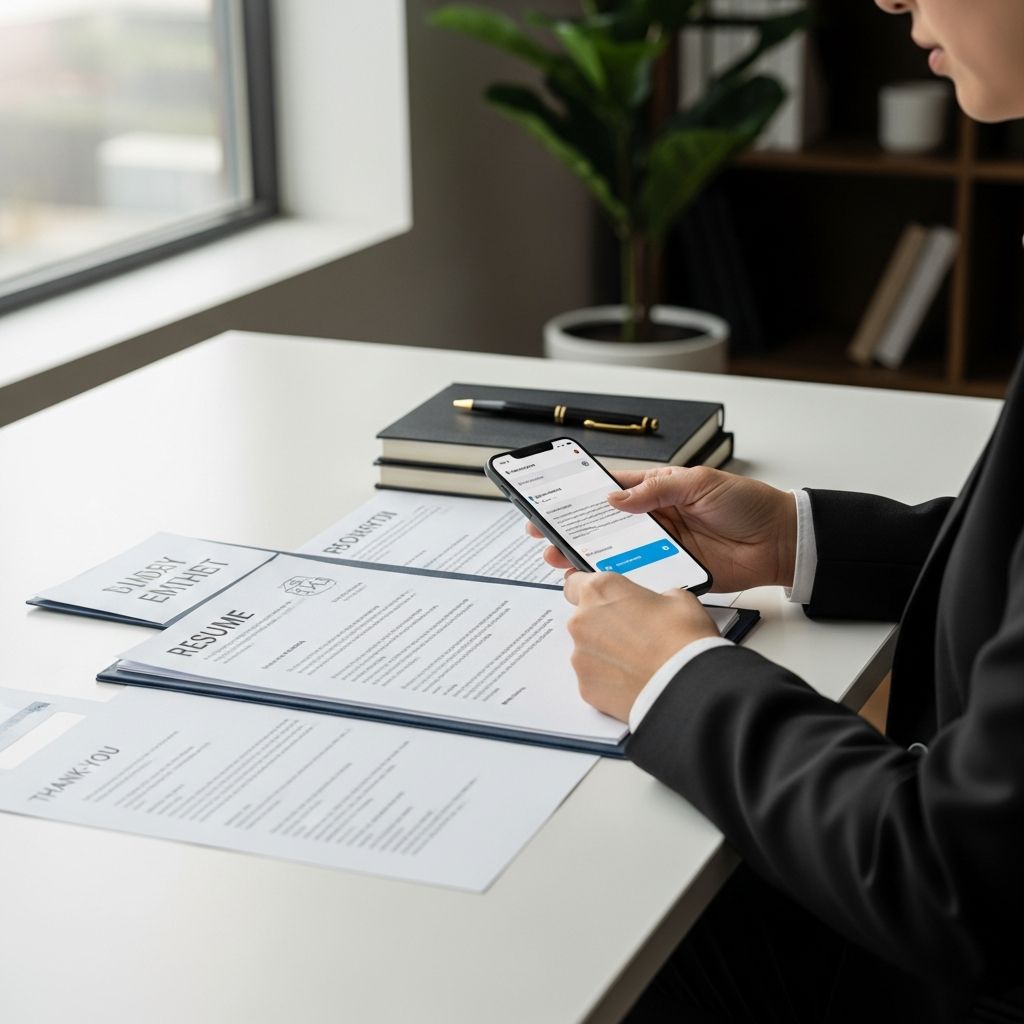
What to Do Immediately After Your Interview Concludes
The interview itself is only one part of the job search journey. What you do in the hours and days following your meeting with hiring managers can significantly influence whether you advance to the next stage or receive an offer. Many candidates underestimate the importance of post-interview actions, treating the conclusion of the interview as the end of their involvement. In reality, this is when strategic thinking and deliberate action become crucial to distinguishing yourself from other applicants and demonstrating your genuine interest in the opportunity.
The period immediately following your interview is mentally and emotionally charged. You may feel relief that the stressful conversation has ended, anxiety about your performance, or excitement about the prospects. Rather than dwelling on these feelings, channel this energy into productive actions that will reinforce your candidacy and keep you top-of-mind with decision-makers.
Taking Notes While Details Remain Fresh
Before leaving the interview location or closing your video call, take a few moments to document what you experienced. Write down the names and titles of everyone you spoke with, specific topics discussed, questions posed to you, and any concerns the interviewers may have raised. Note any particular details about the company’s current projects, challenges, or cultural aspects that were mentioned during your conversation.
This practice serves multiple purposes. First, it ensures you have accurate information for future reference, as memory becomes unreliable over time. Second, it provides material for personalizing follow-up communications. When you reference specific conversations from the interview in your thank-you message, you demonstrate genuine attention and engagement. Third, these notes help you identify any gaps in your presentation or areas where you could have provided better answers, offering learning opportunities for future interviews.
Consider using the five core questions approach: Who did you meet with? What was discussed? When will they make a decision? Where is the company headed? Why did they express interest in your background? Answering these questions comprehensively creates a detailed record of your interview.
Crafting Your Appreciation Message
The most critical action following an interview is sending a thoughtful message expressing your gratitude. This communication should be sent within 24 hours of your interview, while the interaction remains fresh in everyone’s mind. The timing matters because it keeps you visible during the decision-making period and demonstrates promptness and professionalism.
Your appreciation message should be personalized rather than generic. Reference specific points from your conversation that resonated with you or that revealed aspects of the role you find compelling. For example, if the interviewer mentioned the company’s commitment to sustainability initiatives and you discussed how this aligns with your values, mention that specific connection in your message. This personalization proves that you were genuinely listening and engaged, not simply going through the motions.
The tone should remain professional yet authentic. Avoid overly formal language that sounds stiff, but equally avoid casual expressions that undermine credibility. Your message should convey genuine appreciation for the interviewer’s time and a sincere enthusiasm for the position, not merely polite obligation. Strike a balance between brevity and substantive content—aim for several thoughtful sentences rather than a lengthy letter or a single-line note.
Choosing the Right Communication Channel
Email remains the primary and most appropriate medium for post-interview follow-up in most professional contexts. Email provides a documented record of your communication, ensures direct delivery, and allows the recipient to respond at their convenience. It’s also the channel most hiring teams monitor closely during their decision-making process.
However, the communication medium should align with the company’s culture and the norms of your industry. In creative fields or smaller organizations with more casual cultures, a handwritten thank-you note can be a memorable touch that distinguishes you. If you choose this approach, ensure your note is legible, free of errors, and arrives within a day or two of your interview. Note that handwritten communication may not be appropriate for government employers, as institutional mail systems can cause significant delays that undermine the timeliness benefit.
For most scenarios, email is the practical choice because it guarantees your message reaches the recipient promptly. Email also allows you to include relevant links, attachments, or resources that demonstrate your ongoing engagement with the company or position.
Reinforcing Your Qualifications and Interest
Use your follow-up communication as an opportunity to briefly reinforce why you are an excellent fit for the position. This is not the time for an extended sales pitch, but rather a concise reminder of how your skills, experience, and values align with the role and organization. Reference specific qualifications you possess that address needs mentioned during the interview.
If the interview revealed any concerns about your background—perhaps a skill gap or limited experience in a particular area—use your follow-up to address those concerns directly. Provide additional context, examples, or evidence of your capability. For instance, if they questioned your experience with a specific software platform, mention relevant coursework you’re completing or projects where you’re gaining proficiency. This demonstrates that you listen carefully to feedback and take initiative to address gaps.
Additionally, reiterate what specifically excites you about the opportunity. Mention particular projects, team dynamics, company values, or career development paths that appeal to you. This shows that your interest is informed and genuine rather than generic interest in any available position.
Building Your Strategy for Multiple Contacts
If you interviewed with multiple people, send individual messages to each interviewer rather than a generic group email. Each message should be customized based on your specific conversation with that person. Reference topics you discussed with them, questions they asked, or insights they shared about their role or department.
This approach requires more effort but significantly increases its impact. Hiring managers notice and appreciate the personalization because it demonstrates respect for them as individuals and shows that you’re organized and thorough. It also prevents the awkwardness of a mass email that might make recipients feel interchangeable rather than valued.
Managing the Waiting Period Strategically
After sending your initial follow-up, the next phase involves managing expectations and staying engaged without appearing overly persistent. Most hiring processes involve multiple stakeholders and competing priorities, which means decisions rarely happen on the timeline candidates hope for.
If you were told a specific timeframe for next steps—such as “we’ll contact finalists by Friday” or “we’re making decisions next week”—wait until that timeframe has passed before following up again. A reasonable secondary follow-up can be sent approximately one week after your initial message if you haven’t heard back. This second communication should be brief, professional, and genuinely inquire about any updates or next steps without pressuring the hiring team.
During the waiting period, continue your job search actively. Apply to other positions, attend interviews elsewhere, and pursue other opportunities. This keeps you engaged professionally and psychologically, and it prevents you from becoming overly fixated on a single prospect. If you receive another offer while still waiting to hear from your preferred choice, it’s entirely appropriate to contact the company and ask about their timeline so you can make informed decisions about your career.
Sharing Additional Value and Demonstrating Continued Interest
Beyond your initial thank-you message, you can demonstrate sustained interest through strategic, value-added follow-ups. For example, if you encounter a relevant article, industry report, or resource that connects to discussions you had during the interview, consider sending it with a brief note explaining why you thought of them when you saw it. This approach shows that you’re genuinely engaged with the company’s work and industry, not simply going through interview motions.
If you’ve accomplished something noteworthy since your interview—completed a relevant certification, finished a significant project, or received recognition in your current role—mention how it relates to the position you interviewed for. This demonstrates growth mindset and active commitment to professional development.
Similarly, if you’ve had additional interactions with the company or its employees, mention these. Perhaps you attended a webinar they hosted, spoke with a team member about their work, or learned about new company initiatives. These connections strengthen your narrative as someone genuinely interested in the organization, not just the paycheck.
Handling Different Scenarios in Your Follow-Up Journey
| Scenario | Appropriate Action | Timeline |
|---|---|---|
| No response after one week | Send a brief, polite follow-up inquiry | 7-10 days after initial message |
| Interviewer mentioned specific timeline | Wait until that timeline passes before following up | Based on stated timeline plus 2-3 days |
| You received another job offer | Contact the company to ask about their decision timeline | Immediately after receiving the competing offer |
| Interview was with multiple people | Send personalized messages to each interviewer | Within 24 hours of interview |
| You realize you made an error or omission | Address it in your follow-up message with brief context | Within 24 hours of interview |
Maintaining Professional Standards Throughout Follow-Up Communications
Every follow-up message is an extension of your interview performance. Treat these communications with the same level of care and professionalism you applied to your in-person interaction. Proofread meticulously for spelling and grammatical errors, as mistakes in writing undermine perceptions of attention to detail. Use a professional tone that matches the company’s culture—not overly casual, but not so formal that you sound robotic or insincere.
Avoid common pitfalls that can damage your candidacy: Do not send follow-up messages that are excessively long or burden the recipient with extensive details they didn’t request. Do not send messages that sound desperate or overly emotional about the opportunity. Do not follow up more than two or three times, as persistence beyond that point becomes counterproductive and may irritate hiring managers. Do not share confidential information about your conversations or introduce new people without context.
Remember that today’s interviewer may be tomorrow’s colleague, mentor, or reference. Even if you don’t get this particular position, maintaining professional relationships serves your long-term career. Treat every interaction with respect and genuine interest.
Learning From the Experience Regardless of Outcome
Whether you advance to the next stage or don’t hear back, extract lessons from the interview experience. Review your notes and reflect on what went well and what you could improve. Did you struggle to answer certain questions? Did you forget to mention important qualifications? Were there moments when you wished you’d asked different questions about the role or company?
Use these insights to refine your interview approach for future opportunities. Practice your responses to questions that challenged you. Develop a list of thoughtful questions to ask in future interviews. Research companies more thoroughly before your next interview. Each interview is a practice opportunity that hones your skills and confidence.
If you ultimately don’t get the position, accept the outcome gracefully without burning bridges. Thank the company for the opportunity and consideration. Express continued interest in future opportunities with the organization. You never know when a different position may become available that’s even better suited to your qualifications.
Frequently Asked Questions About Post-Interview Follow-Up
Q: Is it ever too late to send a thank-you message after an interview?
A: The ideal window is within 24 hours of your interview. However, if more time has passed, sending a message is still better than not sending one. In your delayed message, briefly acknowledge the time that has passed and explain that you wanted to ensure you sent a thoughtful note. Many hiring processes take weeks, so your message may still arrive during the active decision-making phase.
Q: Should I send the same follow-up message to all interviewers or customize each one?
A: Always customize each message based on your specific conversation with that individual. Reference topics you discussed with them, questions they posed, or insights they shared. Generic messages can feel impersonal and suggest you’re not taking the process seriously.
Q: What should I do if I made a mistake during the interview or forgot to mention something important?
A: Address it briefly in your follow-up message. Keep the explanation concise and focus on the value of the information you’re now providing. For example: “I wanted to add that I have experience with [skill] that relates directly to the project you mentioned.” This demonstrates attention to detail and initiative.
Q: How many times is it appropriate to follow up if I haven’t heard back?
A: Send an initial thank-you message within 24 hours. If you haven’t heard back after one week, a second brief message is appropriate. Beyond that, one final check-in after another week is acceptable. More than three total messages risks appearing pushy or desperate.
Q: Is a handwritten thank-you note more impressive than an email?
A: Both have merit in different contexts. Email ensures prompt delivery and is appropriate for most professional settings. A handwritten note can be memorable and personal but may take longer to arrive. Consider the company culture and industry norms when deciding. Email is the safer, more universally appropriate choice.
Q: What should I include in a follow-up message if I’m still waiting to hear about the position?
A: Keep it brief and genuine. Thank them for their consideration, reiterate your interest, and express continued enthusiasm. Ask if there’s anything additional they need from you or if there’s an updated timeline for their decision. Avoid pressuring language or assumptions about their timeline.
References
- The Power of Post-Interview Follow-Up: Best Practices for Success — Smith and Wilkinson. 2024. https://smithandwilkinson.com/the-power-of-post-interview-follow-up-best-practices-for-success/
- Interview Follow-Up: Thank-You Notes — Harvard Law School, Bernard Koteen Office of Public Interest Advising. 2025. https://hls.harvard.edu/bernard-koteen-office-of-public-interest-advising/opia-job-search-toolkit/interview-follow-up-thank-you-notes/
- How to Properly Follow Up After a Job Interview — Harvard Business School Online. 2024. https://online.hbs.edu/blog/post/how-to-follow-up-after-an-interview
- After an Interview: Follow Up Best Practices — Field Atlas. 2024. https://myfieldatlas.com/blog/2024/03/01/after-an-interview-follow-up-best-practices/
- When and How to Check In After an Interview — PIVOT JOURNEYS. 2024. https://www.pivotjourneys.com/blog/how-to-follow-up-after-an-interview

Medha Deb is an editor with a master's degree in Applied Linguistics from the University of Hyderabad. She believes that her qualification has helped her develop a deep understanding of language and its application in various contexts. Medha specializes in the areas of beauty, health, sports, and wellness and is committed to ensuring that the content on the website is…