
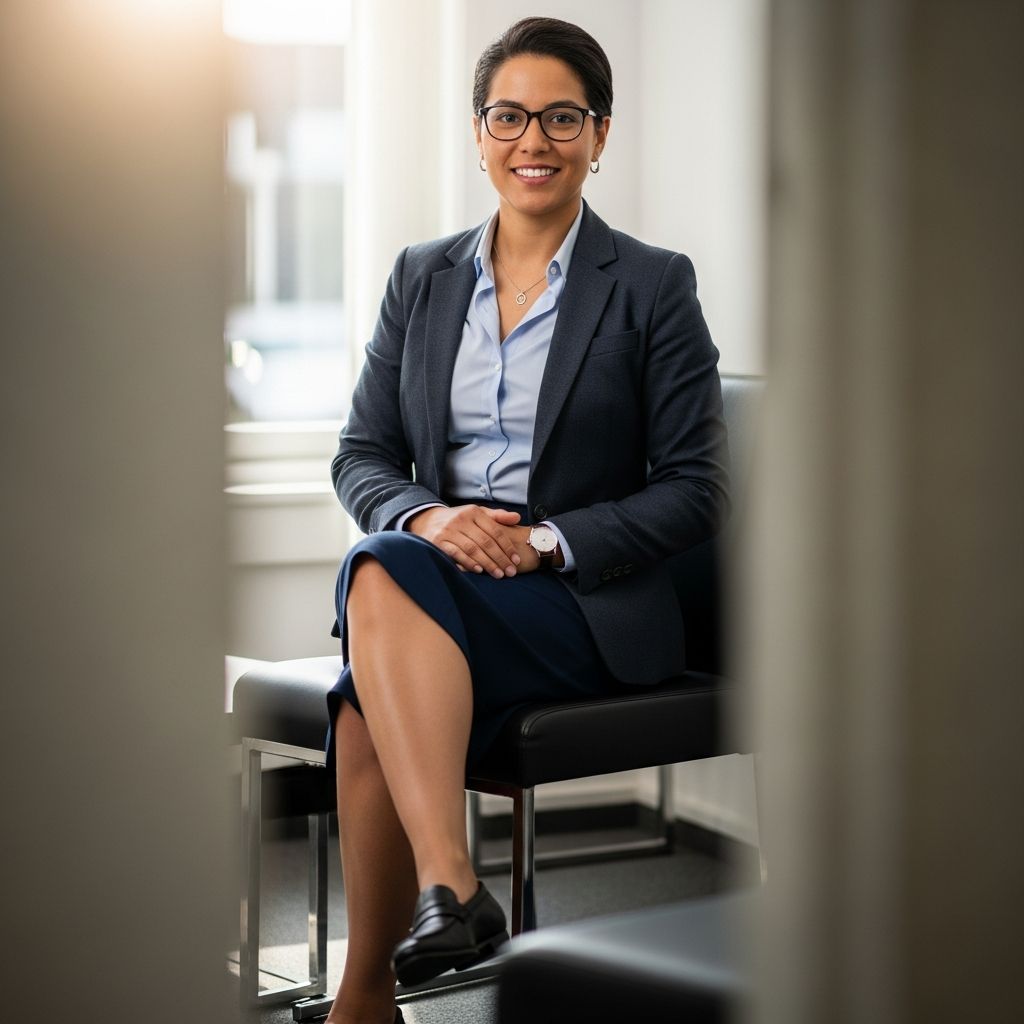
Choosing a business casual outfit for a job interview can feel surprisingly tricky. You want to look professional without being overdressed, polished without looking stiff, and modern without crossing the line into too casual. This guide walks you through how to decode dress codes, put together smart business casual looks, and tailor your outfit to the company and role you want.
Understanding What “Business Casual” Really Means
There is no single universal definition of business casual, and that is what often makes it confusing. In general, business casual sits between traditional business formal (a full suit) and everyday casual wear such as jeans and T-shirts.
Key ideas behind business casual:
- Professional – You should still look ready to meet clients or leadership.
- Relaxed – Fewer rigid rules than full business suits; more comfortable fabrics and cuts.
- Neat and intentional – Clothes are clean, pressed, and coordinated.
- Modest and low-distraction – Avoid extremes in fit, color, or accessories.
| Dress Code | Typical Elements | Interview Use |
|---|---|---|
| Business Formal | Matching suit, dress shirt or blouse, conservative shoes | Traditional corporate, finance, law, some in-person interviews |
| Business Casual | Blazer or cardigan, collared shirt or blouse, dress pants or skirt | Many office roles, some interviews at casual or creative workplaces |
| Casual | Jeans, simple tops, sneakers | Usually not ideal for interviews; you still level up to business casual |
Researching the Company’s Real Dress Code
Before planning an outfit, find out how people at the company actually dress. Career services and professional development resources consistently recommend matching your look to the workplace while staying slightly more polished for interviews.
How to investigate the dress culture
- Check the company’s website – Look for team photos on the “About” or “Careers” pages to see common outfits.
- Review social media – LinkedIn, Instagram, or blog posts often show real employees at events or in the office.
- Ask directly – If you have a recruiter or HR contact, ask, “How do people typically dress in the office, and what would you recommend for the interview?”
- Observe on site – If the location is nearby, visit the building at the start or end of the workday and discreetly note what people are wearing.
Once you know whether the environment leans corporate, creative, or very casual, aim to dress one level more formal than the everyday norm. For example, if most employees wear jeans and T-shirts, a blazer, blouse, and tailored pants is a strong choice.
Core Principles of a Strong Business Casual Interview Outfit
Regardless of gender or style preferences, polished business casual looks share several characteristics.
- Fit comes first – Clothes that are too tight, too loose, or obviously uncomfortable distract from your qualifications.
- Neutral or muted colors – Navy, charcoal, black, beige, white, and soft tones look professional and are easy to mix and match.
- Modest silhouettes – Necklines, hemlines, and sleeve lengths should be appropriate for a workplace and let you move comfortably.
- Clean, polished shoes – Closed-toe shoes are usually safest for interviews, regardless of industry.
- Limited accessories – Simple jewelry, classic watches, and structured bags keep the focus on you, not your outfit.
- Grooming and hygiene – Neat hair, trimmed nails, fresh breath, and subtle scent all contribute to a professional impression.
Building Business Casual Interview Looks: Item by Item
Use these categories as a checklist when planning your outfit. Choose pieces that align with the company’s culture and your own comfort.
Tops: Shirts, Blouses, and Layers
For business casual interviews, aim for tops that are structured enough to look professional but not as formal as a suit-only wardrobe.
- Button-down shirts – Solid colors or subtle patterns (stripes, small checks) work well. Avoid loud prints for interviews.
- Blouses – Flowy or tailored blouses in soft fabrics provide polish without stiffness. Watch transparency and neckline depth.
- Knit tops – Fine-gauge sweaters, shell tops, or knit polos can look sharp when they are fitted and unwrinkled.
- Layers – Blazers, cardigans, and light jackets instantly elevate a simple top to interview-appropriate.
Bottoms: Pants and Skirts
- Dress pants or chinos – Straight or slightly tapered cuts in dark or neutral shades are classic business casual.
- Skirts – Aim for knee-length or slightly below, in fabrics that don’t cling or ride up when you sit.
- Dresses – Simple, tailored dresses with sleeves or worn under a blazer can function as an easy one-piece outfit.
Many career centers recommend avoiding jeans for interviews, even in casual environments, unless the employer or recruiter explicitly indicates they are acceptable.
Footwear: Comfortable but Professional
Your shoes should allow you to walk confidently, navigate stairs, and stand for periods of time without discomfort.
- Closed-toe flats – Classic ballet flats, loafers, or low block heels are versatile and appropriate in most settings.
- Low to mid heels – If you prefer heels, choose moderate heights and stable designs rather than very high or thin stilettos.
- Dress shoes – Oxfords, derbies, or other leather shoes in black or brown pair well with slacks or chinos.
Avoid sneakers, flip-flops, or visibly worn-out footwear for interviews unless the industry clearly expects them and a recruiter has said they are appropriate.
Accessories and Extras
- Jewelry – Keep it simple: small earrings, a delicate necklace, or a conservative watch.
- Bags – A structured tote, briefcase, or laptop bag looks neater than a backpack or overly casual bag.
- Belts – A coordinating belt can finish the look and help pants sit properly.
- Outerwear – If you need a coat, choose something plain and clean; you can remove it once you arrive.
Adapting Business Casual to Different Industries
The same business casual outfit might feel overdressed in one environment and underdressed in another. Adjust your choices based on the type of employer.
Traditional Corporate or Office Roles
For finance, consulting, government, and other conservative environments, even when the phrase “business casual” is used, expectations may still lean formal.
- Lean toward darker colors and structured silhouettes.
- Consider adding a blazer even if the company allows more casual looks daily.
- Keep patterns subtle and accessories very minimal.
Creative, Tech, and Start-up Settings
These organizations often dress more casually day to day, but an interview is still a professional event.
- Choose smart separates: a blazer over a knit top with chinos or tailored trousers.
- You can incorporate slightly more color or modern cuts, as long as the outfit remains neat.
- Skip very casual items like hoodies, graphic T-shirts, or distressed denim.
Education, Nonprofit, and Public Service
Dress norms can vary widely in these sectors. When unsure, business casual with a slightly formal leaning is a safe option.
- Soft colors and comfortable fabrics are fine as long as pieces are tailored.
- Closed-toe shoes and modest silhouettes remain important.
- If you will be touring a facility or campus, prioritize shoes you can walk in easily.
Common Business Casual Interview Mistakes to Avoid
Many career guides highlight the importance of avoiding extremes and distractions so employers can focus on your skills and experience.
- Too casual – Jeans with rips, athletic wear, T-shirts with slogans, or flip-flops send the wrong signal for most interviews.
- Too formal for context – A very conservative three-piece suit may look out of place at a small start-up, making you seem uncomfortable.
- Visible wrinkles or stains – Take time to iron or steam your clothes and check for lint or pet hair.
- Ill-fitting pieces – Rolling sleeves or adjusting waistbands throughout the conversation makes you appear less at ease.
- Distracting prints or accessories – Very bright colors, noisy jewelry, or oversized bags can shift attention away from your message.
- Overpowering fragrance – Strong perfume or cologne can be problematic in small interview rooms; many guides recommend minimal or no scent.
Planning and Testing Your Outfit Before Interview Day
Good preparation can save you stress the morning of your interview and allow you to focus on your answers instead of your clothing.
Step-by-step outfit prep checklist
- Assemble the full look in advance – Include shoes, belt, jewelry, and bag, not just the main clothing pieces.
- Try everything on – Sit, stand, and walk in your outfit to ensure nothing pulls, gaps, or rides up.
- Check lighting – Look at your outfit in natural and indoor light to ensure fabrics are not see-through and colors coordinate.
- Do a quick photo test – Taking a phone photo can reveal issues you might not notice in the mirror.
- Prepare a backup – Keep an alternate top or blazer ready in case of spills or last-minute weather changes.
FAQs: Business Casual for Job Interviews
Is business casual ever too informal for an interview?
Yes. Many career centers recommend traditional business attire—such as a full suit—for highly formal environments or when you lack clear information about the dress code. If you are unsure, it is usually safer to be slightly more formal than the minimum expected.
Can I wear jeans to a business casual interview?
Guidance from universities and career organizations generally discourages jeans for interviews, even where they are allowed at work, unless the employer explicitly states otherwise. If jeans are acceptable, they should be dark, well-fitted, and free of rips or distressing.
Do I need a blazer for a business casual interview?
A blazer is not mandatory, but it is one of the easiest ways to make an outfit look interview-ready. Many candidates feel more confident with a structured layer, especially in corporate or client-facing roles.
How much color is appropriate in a business casual outfit?
One or two colorful pieces—such as a blouse, tie, or accessory—can show personality while neutrals anchor the look. When in doubt, keep bright shades away from very conservative industries and opt for softer tones.
What if my everyday style is more expressive or trend-driven?
You do not need to hide your personality, but an interview is a professional setting first. Incorporate your style in subtle ways—like a unique watch, a textured blazer, or an interesting but not flashy print—while keeping the overall effect polished and work-appropriate.
References
- How to Dress for Every Type of Job Interview — Montana State University Billings Career & Employment Services. 2023-01-01. https://www.msubillings.edu/careers/pdf/How%20to%20Dress%20for%20Every%20Type%20of%20Job%20Interview%202023.pdf
- Interview and Workplace Attire — Temple University Career Center. 2022-08-01. https://careercenter.temple.edu/students/fly/interview-and-workplace-attire
- What to Wear to an Interview: Guide — Coursera Career Academy. 2023-06-01. https://www.coursera.org/articles/what-to-wear-to-an-interview
- Business Attire Guide — Gardner-Webb University Center for Personal and Professional Development. 2022-09-01. https://gardner-webb.edu/student-life/career-development/interviews/business-attire-guide/

Medha Deb is an editor with a master's degree in Applied Linguistics from the University of Hyderabad. She believes that her qualification has helped her develop a deep understanding of language and its application in various contexts. Medha specializes in the areas of beauty, health, sports, and wellness and is committed to ensuring that the content on the website is…