
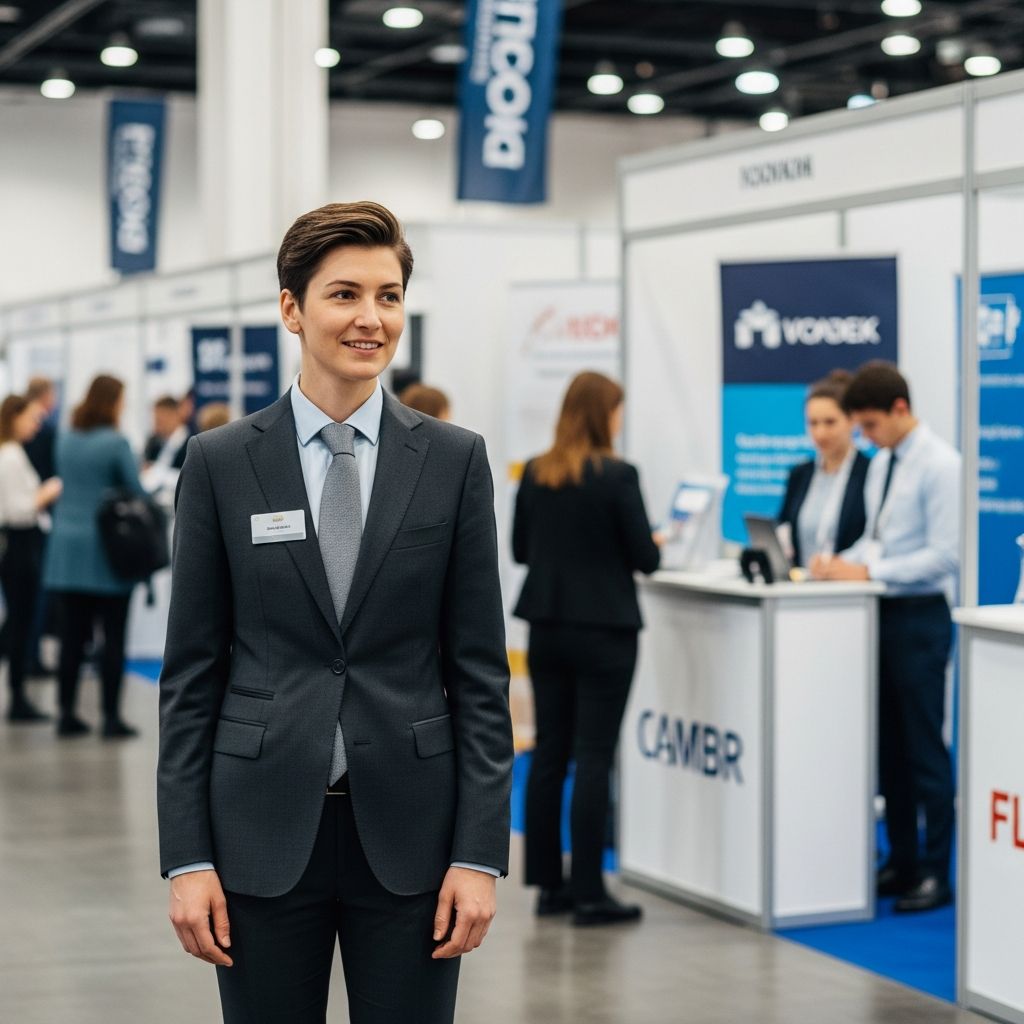
Understanding the Importance of Professional Presentation at Career Fairs
Career fairs represent critical opportunities to connect with potential employers, and your appearance plays a significant role in shaping those initial interactions. Research consistently shows that hiring managers and recruiters form opinions within seconds of meeting candidates, making your outfit choice far more consequential than many job seekers realize. The clothing you select communicates your professionalism, respect for the opportunity, and attention to detail before you speak a single word. Understanding how to dress appropriately for these events requires knowledge of dress codes, color psychology, and the specific expectations of different industries.
The primary goal of your career fair outfit is to demonstrate that you take the opportunity seriously while maintaining comfort and confidence. When you feel assured in your appearance, your body language improves, your communication becomes clearer, and you can focus entirely on making meaningful connections with recruiters. This balance between looking polished and feeling comfortable forms the foundation of successful career fair dressing.
Identifying the Right Dress Code Level for Your Event
Before selecting specific pieces for your career fair wardrobe, you must first understand what dress code level the event expects. Most career fairs fall into one of two primary categories: business professional or business casual. The distinction between these levels matters because showing up in the wrong dress code can inadvertently suggest you either didn’t research the event or don’t understand professional norms.
Business Professional attire represents the most formal option and is typically expected at career fairs hosted by corporations in traditional industries, government agencies, financial institutions, or consulting firms. This level of formality demonstrates maximum respect and is particularly important when interviewing with established organizations with formal cultures. Business Professional dress requires matched suits, structured jackets, and formal accessories.
Business Casual attire has become the standard for most career fairs and works across diverse industries. This dress code balances professionalism with approachability, making it suitable for tech companies, creative industries, smaller organizations, and more relaxed corporate environments. Business Casual requires polished, intentional clothing without the formality of a complete suit.
If you’re uncertain about which dress code applies to your specific career fair, research the attending companies beforehand. Review their websites, social media profiles, and employee photos to understand their culture. When in doubt, it’s advisable to dress slightly more formally than you think necessary—overdressing rarely damages your candidacy, while underdressing often does.
Mastering Color Selection for Professional Impact
Color choice significantly influences how others perceive your professionalism and competence. Neutral colors form the foundation of any career fair wardrobe because they convey stability, professionalism, and timelessness. The most universally appropriate neutral options include navy, gray, black, white, beige, and tan. These colors pair seamlessly with one another, allow your face and personality to remain the focal point, and won’t distract from your message.
Navy blue deserves special mention as the ideal career fair color because it projects confidence and authority while remaining accessible and approachable. Gray communicates professionalism and stability, making it an excellent choice for conservative industries. Black, while professional, can appear severe in certain contexts—use it strategically rather than as your default choice.
While neutral colors should dominate your outfit, you can introduce personality through subtle patterns, textures, or carefully chosen accent pieces. Muted patterns like small checks or understated stripes add visual interest without distraction. Avoid bright colors like hot pink, neon, or electric yellow, as these draw attention away from your face and may appear unprofessional in traditional industries.
Consider adding one accent color through accessories or jewelry if your base outfit feels too plain. A burgundy scarf, forest green cardigan, or subtle patterned tie can introduce personality while maintaining professionalism. Remember that your goal is to be remembered for your skills and conversation, not your clothing choices.
Building Your Business Professional Outfit
Business Professional attire demonstrates the highest level of formality and shows particular respect when meeting with recruiters from formal industries. This dress code is non-negotiable at certain career fairs and highly respected at all events.
The Structured Jacket Foundation: A well-tailored jacket or blazer forms the cornerstone of any Business Professional outfit. Choose structured pieces in navy, gray, black, or charcoal. The fit matters significantly—your jacket should sit smoothly across your shoulders, button comfortably without pulling, and end at your hip. Ill-fitting jackets undermine your professional presentation, so invest in tailoring if necessary.
Appropriate Tops: Pair your jacket with conservative tops that convey professionalism. Button-up dress shirts, simple blouses, and mock-neck tops work well. Stick to white, cream, light blue, or muted patterns. Ensure necklines sit appropriately—no lower than the collarbone—and sleeves are at wrist length. Fabric should drape smoothly without clinging or appearing sheer.
Bottoms That Convey Formality: Dress pants or knee-length skirts form the bottom half of professional attire. Pants should feature a traditional cut with a slight crease, be pressed and wrinkle-free, and coordinate with your jacket. If wearing a skirt, ensure it reaches at least to the knee, fits well without clinging, and maintains a professional appearance when sitting. Choose neutral colors that complement your jacket.
Professional Footwear: Shoes deserve careful attention because recruiters notice details like scuffed heels and worn soles. Appropriate options include loafers, oxfords, pumps with moderate heels (under 3 inches), professional flats, and ankle boots. Shoes must be clean, well-maintained, and in neutral colors that coordinate with your outfit. Closed-toe styles are essential—avoid sandals, flip-flops, or sneakers regardless of how fashionable they appear.
Creating Your Business Casual Look
Business Casual represents the most common dress code for career fairs across diverse industries. This level balances approachability with professionalism, making it accessible to most job seekers while still communicating respect for the opportunity.
Versatile Top Options: Business Casual allows considerable variety in tops while maintaining professionalism. Button-up shirts, collared blouses, simple sweaters, cardigans, and modest high-neck tops all work well. Choose solid colors or subtle patterns in neutral shades. Avoid logos larger than a postage stamp, sparkles, glitter, or excessively low necklines. Ensure your top is tucked in appropriately and doesn’t cling to your body.
Bottom Selections: Slacks, khakis, chinos, and midi-length skirts represent appropriate Business Casual bottom options. Dress pants in neutral colors remain the most conservative choice, but quality khakis or chinos can work in more relaxed environments. Avoid denim, distressed fabrics, or overly tight clothing. Skirts should reach the knee and shouldn’t restrict your movement. Ensure all bottoms are pressed, wrinkle-free, and in good repair.
Optional Smart Layers: A casual blazer, cardigan, or overshirt can elevate your Business Casual outfit when you want additional polish. These pieces are particularly useful for layering in temperature-controlled environments and allow you to adjust your formality level if needed. Choose structured pieces that complement your base outfit.
Appropriate Footwear: Business Casual shoes should feel comfortable enough for several hours of standing and walking while maintaining professional appearance. Suitable options include flats, low boots, professional loafers, and minimalist sneakers (if appropriate for the industry). Ensure shoes are clean, well-maintained, and in neutral or coordinating colors. Avoid heavily worn or damaged footwear.
Grooming and Personal Presentation Details
Professional attire extends beyond clothing to encompass overall grooming and presentation. These details matter because recruiters notice whether you’ve made effort in preparing for the event.
Hair Care: Your hair should appear clean, well-styled, and intentional. This doesn’t mean your style must be conservative—you can wear your hair in ways that reflect your identity—but it should look tidy and well-maintained. Avoid excessive volume, falling across your face, or appearing unkempt. If you have longer hair, consider styling it in a way that keeps your face visible.
Makeup Application: Makeup is optional and should enhance rather than distract. If you choose to wear makeup, keep it minimal and natural-looking. Excessive makeup or bold colors can appear unprofessional in traditional industries. The goal is for recruiters to focus on your qualifications and personality, not your makeup choices.
Nail Care: Clean, well-maintained nails make a positive impression, particularly in industries like finance, law, or consulting where attention to detail is valued. You can wear nail polish in neutral shades or natural styles. Avoid extremely long nails that appear impractical or wild designs that distract during conversations.
Fragrance Considerations: If you wear perfume or cologne, apply it sparingly. Many people have sensitivities or allergies to fragrances, and overwhelming scents can create negative associations with your candidacy. Consider skipping fragrances entirely at career fairs to avoid this potential pitfall.
Accessorizing Without Creating Distractions
Accessories provide an opportunity to express personality while maintaining professionalism. The key is selecting pieces that enhance rather than dominate your overall appearance.
Jewelry Guidelines: Minimal jewelry represents the professional standard at career fairs. A simple watch, one or two rings, and a single necklace create an appropriate accessory level. Avoid large statement pieces, multiple bracelets, clinking jewelry, or anything that jingles when you move. Earrings should be small and understated unless you wear larger styles in your professional life. Remember that your goal is to be memorable for your conversation skills and qualifications, not your accessories.
Bag Selection: Choose a professional bag that coordinates with your outfit and can hold necessary materials like resumes and business cards. Structured bags in neutral colors like black, navy, or brown work well. Avoid backpacks, gym bags, or overly casual styles. Your bag should appear intentional and professional—recruiters notice details like worn leather or disorganized contents.
Belts and Additional Details: Leather belts in neutral colors add polish to your outfit, particularly with Business Casual attire. Scarves can introduce subtle color or pattern while maintaining professionalism. Avoid oversized scarves, trendy styles, or anything that draws excessive attention.
Industry-Specific Considerations and Cultural Adaptation
While business professional and business casual provide general guidelines, specific industries maintain particular expectations. Research companies attending your career fair to understand their culture and adapt your outfit accordingly.
Technology and creative industries often embrace more relaxed dress codes, but this doesn’t mean you should underdress at their career fair. Instead, maintain business casual standards while your outfit can reflect slightly more personality than you’d wear at a financial services company. If a company’s employees typically wear jeans and t-shirts, Business Casual represents an appropriate step up.
Conservative industries like banking, law, government, and consulting expect Business Professional or high-level Business Casual attire. Research individual companies to understand their specific expectations. When uncertain, defaulting to slightly more formal dress demonstrates respect for the opportunity.
Creative fields like design, marketing, and advertising may allow more personality in your outfit while still maintaining professionalism. However, prioritize looking polished and intentional—casual shouldn’t mean sloppy or unprepared.
Common Mistakes to Avoid at Career Fairs
Understanding what to avoid can be as important as knowing what to wear. Career fair attendees commonly make several presentation mistakes that undermine their candidacy.
- Wearing wrinkled, stained, or damaged clothing that suggests carelessness
- Choosing overly bright colors that distract from your face and message
- Wearing uncomfortable shoes that cause limping or poor posture
- Including visible logos, graphics, or text on clothing
- Wearing excessively tight or revealing clothing
- Neglecting to remove lint, pet hair, or visible stains before arriving
- Accessorizing with noisy or distracting jewelry
- Wearing athletic wear, flip-flops, or other casual footwear
- Overdoing fragrance or makeup
- Showing up in the wrong dress code level without justification
Practical Preparation Tips Before Your Career Fair
Preparing your outfit in advance reduces stress and ensures you present your best self at the career fair.
Try Everything On: The night before the event, wear your complete outfit for at least an hour. Ensure all pieces fit comfortably, sit appropriately, and work together cohesively. Check that you can sit and stand without clothing riding up, gaping, or causing discomfort. Verify that your shoes don’t cause blisters or pain during extended standing.
Inspect All Details: Look for stains, lint, loose threads, or damage that might be noticeable during conversations. Use a lint roller on your clothing and check seams for imperfections. Polish shoes, clean accessories, and verify that nothing appears worn or damaged.
Prepare Your Bag: Organize a professional bag with extra resumes (printed on quality paper), business cards if available, and a notepad for jotting notes during conversations. Include mints or gum for fresh breath, and a small mirror for touch-ups. Keep your bag accessible but organized.
Consider the Venue: Career fairs hosted at hotels typically maintain cooler temperatures, making jackets appropriate. Outdoor events might require different footwear or weather-appropriate layers. Research the specific venue to make informed decisions about your outfit.
Frequently Asked Questions
Q: Should I wear a suit to a career fair if I’m unsure about the dress code?
A: Business Casual is the standard for most career fairs, and showing up in a full suit is rarely a problem. If you’re truly uncertain, research the specific companies attending or call the event organizers. When genuinely unsure, Business Professional attire demonstrates respect and won’t negatively impact your candidacy.
Q: Can I wear jeans to a career fair?
A: No. Jeans are not appropriate for career fairs regardless of dress code level. Business Casual minimums require dress pants, khakis, or professional skirts. Even at casual companies, career fairs represent formal recruitment events that require elevated dress standards.
Q: What if I spill something on my outfit during the career fair?
A: Bring stain-removing wipes in your bag for quick cleanup. For major spills, locate a restroom and attempt to blot the stain with a damp paper towel. If the stain is severe and visible, it may be worth stepping outside briefly to address it. Patterns and darker colors hide small stains better than solid light colors.
Q: Is it acceptable to wear open-toed shoes to a career fair?
A: Open-toed shoes are generally not recommended for career fairs. Closed-toe professional footwear demonstrates formality and protects your feet while walking around the venue. Stick with appropriate closed-toe options like professional flats, pumps, loafers, or ankle boots.
Q: How much jewelry is too much for a career fair?
A: Keep jewelry minimal and professional. A good rule is wearing no more than one pair of small earrings, one necklace, one or two rings, and one watch. Avoid pieces that jingle, clink, or distract during conversations. Your goal is for recruiters to remember your skills and personality, not your accessories.
Q: Should women wear hose or hosiery to a career fair?
A: Hosiery is optional and depends on your personal preference and industry norms. In conservative industries like finance or law, neutral hosiery with knee-length skirts adds formality. In creative fields, bare legs are typically acceptable. Prioritize comfort and industry appropriateness.
Q: Can I wear my company logo or branded clothing to a career fair?
A: Avoid large logos or branded clothing at career fairs. Small, subtle company logos are sometimes acceptable, but they can appear unprofessional or create awkward situations if the company hosts competitors at the same event. Opt for solid colors or subtle patterns instead.
Making Your Final Outfit Decision
Your career fair outfit ultimately communicates one clear message: you respect the opportunity and take the event seriously. When your clothing is clean, well-fitting, appropriately colored, and professionally styled, you free your mind to focus entirely on meaningful conversations with recruiters. The effort you invest in preparing your outfit demonstrates confidence and professionalism that extends far beyond what you wear. By following the guidelines and recommendations outlined in this comprehensive guide, you’ll arrive at your career fair feeling assured in your appearance and ready to make strong impressions with potential employers.
References
- Interview and Career Fair Attire — UNC Student Affairs Career Center. University of North Carolina. https://careers.unc.edu/resource/interview-and-career-fair-attire/
- How to Dress for Success at a Job Fair — Amherst College Career Services. Amherst College. https://careers.amherst.edu/resources/how-to-dress-for-success-at-a-job-fair/
- Professional Clothing — CNS Career Services, University of Texas at Austin. University of Texas. https://careerservices.cns.utexas.edu/resources/professional-etiquette/professional-clothing
- What To Wear To a Job Fair — Indeed Career Advice. Indeed. https://www.indeed.com/career-advice/finding-a-job/what-to-wear-to-a-job-fair
- What to Wear to a Career Fair — CareerFair Plus. CareerFair Plus. https://www.careerfairplus.com/blog/what-to-wear-to-a-career-fair
- What to Do Before the Career Fair — Career Guide, Ohio State University. Ohio State University. https://careerguide.osu.edu/career-fairs/before-the-career-fair
- Career Fair Student Dress Code — University Career Services, University of Illinois Springfield. University of Illinois Springfield. https://www.uis.edu/career/events/career-fairs/career-fair-student-dress-code

- Integrated M.A. in Applied Linguistics, University of Hyderabad
- 5+ years in editorial, instructional, SEO, and research-based writing
Sneha is a relationships and lifestyle writer with a strong foundation in applied linguistics and certified training in relationship coaching. She brings over five years of writing experience to theskillvault, crafting thoughtful, research-driven content that empowers readers to build healthier relationships, boost emotional well-being, and embrace holistic living. Her writing and insights reflect the belief that beauty, happiness, and wellness…